Circuit boards are found inside nearly every modern electronic device, from smartphones and computers to cars, medical equipment, and industrial machinery. While these devices perform very different tasks, they all rely on circuit boards to connect electronic components and control how electricity and information move through their systems.
Understanding how circuit boards work helps explain why they’re essential to modern technology.
This guide covers what circuit boards do, how they operate, their main components, and where they’re used. When these boards reach the end of their useful lives, EACR Inc. provides circuit board recycling solutions for qualifying electronics and electronic components.
What is a Circuit Board?
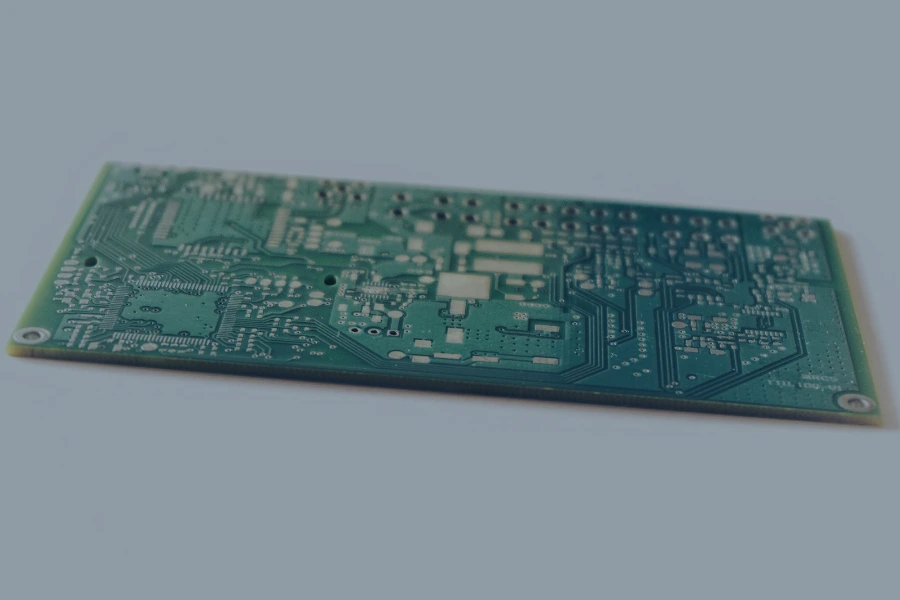
A circuit board, commonly called a printed circuit board (PCB), is a flat board designed to support and electrically connect components within an electronic device.
Most circuit boards contain conductive pathways, typically made from copper, that allow electricity and electrical signals to travel between connected components.
Circuit boards serve three primary functions:
- Physical Support: Hold electronic components securely in place.
- Electrical Connections: Connect components through conductive pathways rather than relying entirely on individual wires.
- Circuit Organization: Arrange electrical connections so power and signals reach the appropriate components.
Circuit boards range from small, simple designs found in household electronics to complex multilayer boards used in computers, servers, and industrial machinery.
How Do Circuit Boards Work?
Circuit boards work by connecting electronic components through conductive pathways, allowing electrical power and signals to travel between them. Each component performs a specific function, and together they allow an electronic device to operate.
Here’s how the process works.
1. Power Enters the Circuit
Electricity enters the circuit through a battery, power supply, or another connected source.
The circuit board distributes electrical power to the components that need it through designated conductive pathways.
2. Copper Traces Connect Components
Most circuit boards contain thin copper pathways called traces.
These traces create electrical connections between components, replacing many of the individual wires that would otherwise be needed.
Depending on the board’s design, copper traces may appear on its surface or within multiple internal layers.
3. Electronic Components Control the Circuit
Different electronic components perform specific jobs.
Resistors limit current, capacitors store electrical charge, transistors control or amplify signals, and integrated circuits perform more complex processing and control functions.
These components work together to regulate how the circuit operates.
4. Signals Travel Between Components
Electrical signals carry information between connected components.
In a computer, for example, circuit boards allow processors, memory, storage controllers, and other hardware to exchange information.
5. The Circuit Produces an Output
Once the circuit processes an input, it produces the appropriate response.
This might involve activating a motor, displaying information, producing sound, or controlling another electronic function.
For example, when you press a button on a calculator, its circuitry detects the input, processes the calculation, and updates the display. The circuit board connects the components responsible for completing that process.
What Are Circuit Boards Used For?
Circuit boards are used in electronic devices that require multiple components to communicate, process information, or perform coordinated functions.
Their applications extend across nearly every major industry.
Computers and Servers
Computers rely on circuit boards to connect processors, memory, storage devices, and other hardware.
Motherboards, graphics cards, and networking equipment all contain circuit boards responsible for different operations.
Smartphones and Tablets
Smartphones and tablets use compact circuit boards to connect processors, cameras, memory, charging systems, and wireless communication components.
Household Appliances
Modern appliances use circuit boards to control their electronic functions.
For example, washing machines use them to manage wash cycles, while microwaves and refrigerators rely on electronic controls to regulate various operating settings.
Cars and Other Vehicles
Modern vehicles contain numerous circuit boards.
They’re used in engine control modules, safety systems, entertainment equipment, sensors, and other electronic systems that monitor or control vehicle functions.
Medical Equipment
Circuit boards are used in patient monitors, diagnostic equipment, medical imaging systems, and other healthcare devices.
They help process information, manage electronic controls, and coordinate connected components.
Industrial Equipment
Manufacturing facilities use circuit boards in industrial controllers, automated machinery, monitoring systems, and production equipment.
These boards help machinery respond to sensor readings and execute programmed instructions.
Telecommunications Equipment
Routers, network switches, wireless communication devices, and other telecommunications equipment rely on circuit boards to process and transmit electronic signals.
What Are the Main Parts of a Circuit Board?
Circuit boards contain several types of electrical components, each with a specific purpose.
While the exact arrangement depends on the device, these are some of the most common components found on printed circuit boards.
| Component | Primary Function |
| Copper Traces | Carry electrical signals and distribute power |
| Resistors | Limit or control electrical current |
| Capacitors | Store electrical charge and help filter signals |
| Transistors | Switch or amplify electrical signals |
| Integrated Circuits | Perform processing, control, and other electronic functions |
| Diodes | Control current direction or protect circuits |
| Connectors | Connect the board to external components |
| Vias | Connect conductive layers within the board |
Not every circuit board contains all these components. A simple electronic device may require only a few parts, while a computer motherboard can contain hundreds or thousands of individual components and connections.
For a closer look at the materials and metals used in their construction, read our guide on what circuit boards are made of.
What Are the Different Types of Circuit Boards?
Circuit boards come in several designs depending on their size, complexity, flexibility, and intended application.
Single-Sided Circuit Boards
Single-sided circuit boards contain conductive pathways on one side of the board.
They’re commonly used in relatively simple electronic devices where complex electrical connections aren’t necessary.
Double-Sided Circuit Boards
Double-sided circuit boards contain conductive pathways on both sides.
Connections between the two sides allow for more complex circuit designs and additional component connections.
Multilayer Circuit Boards
Multilayer circuit boards contain three or more conductive layers separated by insulating materials.
They allow manufacturers to fit more electrical connections into compact spaces and are commonly found in computers, smartphones, and advanced electronic equipment.
Flexible Circuit Boards
Flexible circuit boards are designed to bend or fit into spaces where rigid boards would be impractical.
They’re used in various compact electronics, displays, and devices with moving or tightly arranged components.
Rigid-Flex Circuit Boards
Rigid-flex circuit boards combine rigid sections with flexible connections in a single assembly.
This design allows electronic components to be mounted on stable surfaces while connecting areas that require flexibility.
Why Are Circuit Boards Important in Electronics?
Circuit boards allow manufacturers to connect large numbers of electronic components without relying on extensive individual wiring.
Their main advantages include:
- Compact Design: Allow complex electronic systems to fit inside relatively small devices.
- Reliable Connections: Provide consistent electrical pathways between components.
- Complex Functionality: Support processors, memory, sensors, and advanced electronic controls.
- Efficient Manufacturing: Make electronic products easier to assemble consistently and at scale.
Without printed circuit boards, many modern electronics would require significantly more space and complicated wiring.
Their design makes electronic equipment smaller, more capable, and practical to manufacture.
Frequently Asked Questions About Circuit Boards
What is the Main Purpose of a Circuit Board?
The main purpose of a circuit board is to support and connect electronic components. Its conductive pathways allow electrical power and signals to travel between components so a device can perform its intended functions.
Do All Electronics Have Circuit Boards?
Most modern electronic devices contain at least one circuit board. However, some simple electrical devices operate using basic wiring, switches, and mechanical components without a printed circuit board.
Is a Circuit Board the Same as a Motherboard?
No. A motherboard is a specific type of circuit board that serves as the main connection point for processors, memory, and other components in computers and certain electronic systems.
Why Are Circuit Boards Usually Green?
Many circuit boards appear green because of their solder mask, a protective coating applied over the board’s conductive surfaces. Solder masks are also available in blue, red, black, and other colors.
Can a Circuit Board Work Without a Battery?
Yes. Circuit boards can receive electricity from wall outlets, external power supplies, generators, and other sources. Batteries are not required for every circuit board.
What Causes Circuit Boards to Fail?
Common causes include excessive heat, electrical surges, moisture, corrosion, physical damage, and component deterioration.
Recycle Old Circuit Boards With EACR Inc.
Circuit boards are essential to modern electronics, allowing components to communicate, distribute power, process information, and control device functions. They’re found throughout computers, appliances, vehicles, medical equipment, and industrial machinery.
When these electronics become outdated or stop working, proper recycling can help recover usable materials.
EACR Inc. provides circuit board recycling solutions for qualifying boards and electronic equipment from businesses, schools, municipalities, and other organizations.
We offer scheduled bulk recycling pickups, approved facility drop-offs, and e-waste container programs.
Contact EACR Inc. at (732) 370-4100 to discuss your circuit board recycling needs.