
Electronics Recycling in
California

EACR provides electronics recycling for businesses, schools, healthcare organizations, municipalities, government facilities, and other organizations throughout California that need a practical way to manage retired electronic equipment.

Why California Businesses Need a Proper E-Waste Plan

California regulates electronic waste as universal waste because many devices can contain hazardous materials such as lead, mercury, and other substances that require appropriate end-of-life handling. Universal waste electronics cannot simply be placed in household trash or sent to ordinary landfill disposal.

For businesses, electronics often accumulate during office moves, IT refreshes, equipment replacements, facility closures, and technology upgrades. Having a recycling plan in place helps prevent retired equipment from sitting in storage indefinitely while giving organizations a defined process for collection, data handling, documentation, and recycling.
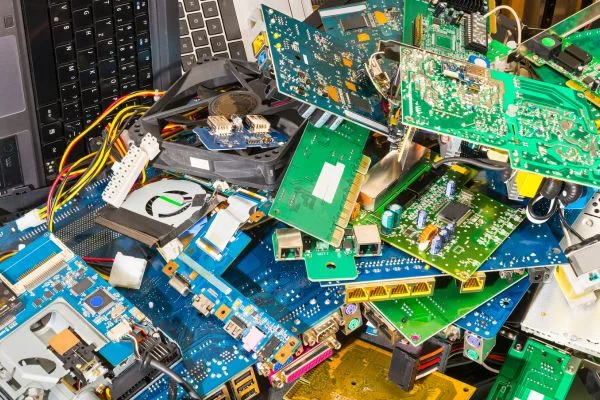

e-waste in California

Understanding California E-Waste Laws

California’s Electronic Waste Recycling Act established the Covered Electronic Waste Recycling Program, which supports the collection and recycling of qualifying electronic devices. Covered products include many televisions, monitors, laptops, tablets, smart displays, and other eligible video-display products.

The program expanded again under SB 1215 to include certain battery-embedded products. Beginning January 1, 2026, covered products with batteries not designed for easy consumer removal became part of the state’s expanded program, subject to specific exclusions and program requirements.
Want the full breakdown? 

Read EACR’s California E-Waste Laws for more information about covered devices, program requirements, landfill restrictions, and other state rules.

sustainability graphic for California

Experience Behind Every Recycling Project

EACR Inc. brings more than 25 years of electronics recycling experience and has processed more than 300 million pounds of electronic waste throughout its history. Our 20,000-square-foot processing facility supports projects ranging from routine equipment replacement to larger commercial cleanouts and multi-location recycling programs.

EACR also provides data destruction services, commercial transportation, project documentation, and certificates of recycling. Combined with our zero-landfill policy and established recycling infrastructure, these capabilities give organizations a clear process for managing electronics from initial collection through final processing. Learn more about our history and results on The Impact page.

Battery recycling worker at conveyor line.

California Electronics Recycling Options

The best collection method depends on how much equipment you have, where it is located, what type of electronics are involved, and whether the project is a one-time cleanout or an ongoing program.

Commercial E-Waste Pickups

Commercial pickups are designed for larger consolidated loads of retired electronics. EACR can coordinate collections for office technology refreshes, school equipment replacements, healthcare facilities, warehouses, corporate locations, municipal projects, and larger facility cleanouts.

Mail-In Electronics Recycling

Mail-in recycling provides a practical option for smaller approved quantities that do not require a dedicated truck collection. EACR can review the equipment beforehand and provide the necessary shipping instructions so accepted electronics are packaged and sent correctly.

Ongoing E-Waste Containers

E-waste container programs work well for organizations that generate retired electronics throughout the year. Approved equipment can be collected in one designated location and serviced as needed instead of arranging separate recycling projects every time devices are replaced.

Electronics We Accept From California Organizations

California recycling projects can include many different types of electronic equipment, including:

  • Desktop computers and laptops
  • Servers and storage hardware
  • Networking equipment
  • Monitors and televisions
  • Printers and office electronics
  • Phones and tablets
  • Circuit boards
  • Batteries and UPS equipment
  • Medical electronics
  • Appliances
  • Cables and wiring
  • Solar panels

Managing equipment that is not listed above? Review EACR’s complete accepted e-waste items list before planning your project.

How a California Recycling Project Moves Forward

Every project begins with identifying the equipment and logistics involved, then moves through collection, data handling, documentation, and final electronics processing.

1. Assess

Share the equipment types, approximate quantities, California location, preferred timeline, photos when useful, and any special handling needs so EACR can accurately review the project.

2. Plan

EACR determines which collection method fits the project based on volume, location, and timing, whether that means commercial pickup, mail-in recycling, or container service.

3. Safeguard

Hard drives, SSDs, servers, phones, and other data-bearing devices are identified so the appropriate data destruction requirements can be addressed before further equipment processing begins.

4. Verify

After the project is completed, documentation can include a Certificate of Recycling showing the material handled and confirming completion of the recycling work performed by EACR.

5. Process

Collected electronics are sorted according to equipment and material type before being directed into appropriate reuse, repurposing, or recycling streams based on their condition and composition.

California

Questions About Electronics Recycling in California

California’s rules cover many electronic devices that contain hazardous components, including qualifying computers, monitors, televisions, and other electronics. The exact requirements depend on the device and how it is being discarded.

The Covered Electronic Waste Recycling Program was created to support the collection and recycling of qualifying electronic devices, including certain video-display products covered under California law.

Certain battery-embedded products were added to California’s Covered Electronic Waste Recycling Program beginning January 1, 2026. Specific exclusions still apply depending on the product.

Yes. Organizations managing electronics across multiple facilities can coordinate equipment from several locations as part of a larger recycling project when the logistics and quantities make sense.

Yes. Depending on the project, EACR can provide a Certificate of Recycling documenting the material processed and confirming completion of the recycling work.

Contact Us Today

Email Us

Call Us

EACR Inc. Website Submission

"*" indicates required fields

Name*