What are circuit boards made of? Circuit boards, also called printed circuit boards or PCBs, are the foundation of most electronic devices. You can find them inside computers, phones, TVs, appliances, routers, medical equipment, industrial electronics, and almost anything else that uses power, signals, or digital controls.
While many people think circuit boards are just green pieces of plastic, they are actually made from a layered mix of metals, fiberglass, resins, plastics, and electronic components. As an electronics recycling company, EACR Inc. helps businesses recycle circuit boards and other e-waste responsibly so reusable materials can be recovered and hazardous materials stay out of landfills.
Quick Answer: What Is a Circuit Board Made Of?
Most circuit boards contain:
- Copper traces and wiring
- Fiberglass substrate, often FR-4
- Epoxy resin
- Solder
- Gold plating on some connections
- Silver and other conductive metals
- Plastic coatings and solder masks
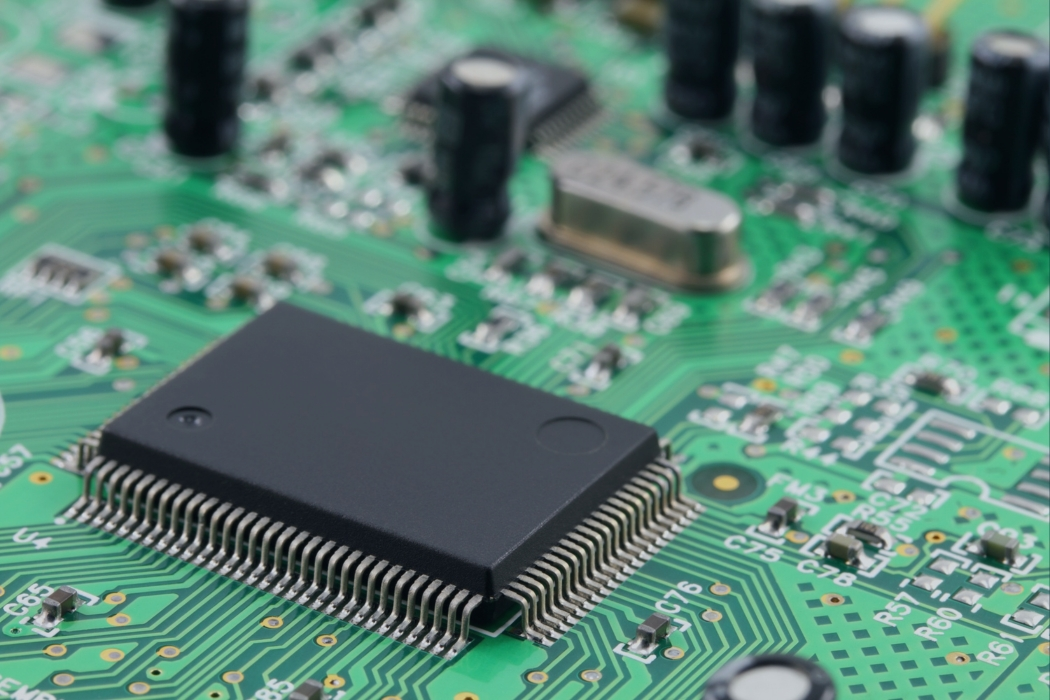
- Electronic components such as resistors, capacitors, chips, and connectors
Depending on the device, circuit boards may also contain:
- Aluminum
- Nickel
- Palladium
- Tantalum
- Lead, especially in older electronics
- Flame retardants
- Rare earth materials
What is a Circuit Board?
The role of a printed circuit board
A circuit board is the physical base that supports and connects electronic components. Instead of loose wires running everywhere, the board gives the device an organized pathway for electricity and signals to move.
Think of it as the control map inside an electronic device. The components do the work, but the circuit board gives them a stable place to sit and a reliable way to communicate with each other.
How circuit boards connect electronic components
Circuit boards use thin copper pathways, often called traces, to move electrical signals between components. These traces connect chips, resistors, capacitors, ports, sensors, power supplies, and other parts of the device.
Components are usually soldered onto the board. That solder creates both a physical connection and an electrical connection, helping the device function as designed.
Why nearly every electronic device contains a PCB
Circuit boards are used because they make electronics smaller, cleaner, faster, and easier to mass produce. Without PCBs, modern electronics would be bulkier, harder to repair, and much more complicated to manufacture.
You can find PCBs in computers, phones, TVs, appliances, networking equipment, medical equipment, industrial controls, security systems, power tools, and countless other devices. If it has a screen, button, charger, sensor, motor, or processor, there is a good chance it contains at least one circuit board.
The Main Materials Found in Circuit Boards
Copper
Copper is one of the most important materials in a circuit board. It forms the conductive traces that carry electrical signals and power across the board.
Those copper pathways act like tiny wires built directly into the board. Because copper is highly conductive, it helps signals move efficiently between components. From a recycling standpoint, copper is also one of the most important reusable materials recovered from circuit boards and other electronics.
Fiberglass
Many circuit boards use a fiberglass-based substrate, commonly known as FR-4. This gives the board strength, structure, and stability.
The fiberglass layer also helps insulate the electrical pathways so signals stay separated and the board does not short out. Without a strong substrate, the board would be too fragile to support components or survive normal use inside electronics.
Epoxy resin
Epoxy resin helps hold the board together. It binds the fiberglass layers, supports the board’s structure, and helps protect it from heat, moisture, and everyday wear.
In many PCBs, the resin and fiberglass work together to create a durable base. This is why circuit boards can handle vibration, temperature changes, and long-term use inside computers, appliances, routers, and industrial equipment.
Solder
Solder is used to attach electronic components to the board. It connects parts like chips, capacitors, resistors, ports, and connectors to the copper pads and traces.
Modern electronics often use lead-free solder, but older electronics may still contain leaded solder. That is one reason circuit boards should not be tossed in the trash. Proper electronics recycling helps route older boards and mixed e-waste through a safer material recovery process.
Precious and Specialty Metals Inside Circuit Boards
Gold
Gold is used in some circuit board connections because it resists corrosion and supports reliable signal transfer. You may find it in connector pins, edge contacts, and certain high-performance electronic components.
Circuit boards usually contain very small amounts of gold, but those small amounts matter at scale. When businesses recycle large volumes of electronics, recovering precious metals helps reduce waste and supports more responsible material reuse.
Silver and palladium
Silver and palladium may also be used in small quantities in circuit boards and electronic components. Silver is highly conductive, while palladium may appear in certain components, contacts, or plating applications.
These materials are not always visible, and they are usually present in tiny amounts. Still, they are part of what makes circuit boards worth recycling instead of throwing away.
Nickel and other metals
Nickel can be used in plating, connectors, component finishes, and specialized applications where durability matters. Other metals may also appear depending on the device, board type, and performance requirements.
A simple household device may contain a basic board, while medical equipment, servers, industrial controls, or networking systems may contain more complex boards with a wider mix of metals and materials. Proper recycling helps sort and recover those materials while keeping e-waste out of landfills.
Electronic Components Mounted on Circuit Boards
Circuit boards are not just the board material itself. A lot of the reusable material value is also found in the components attached to the board, including chips, connectors, capacitors, resistors, ports, and other small parts that help the device function.
Microchips and integrated circuits
Microchips and integrated circuits are the “brains” of many electronic devices. They process information, store data, control functions, and help different parts of the device communicate.
These components may contain tiny amounts of metals and specialty materials. While they are small, they matter when electronics are recycled at scale, especially from computers, servers, phones, networking equipment, and industrial devices.
Capacitors and resistors
Capacitors store and release electrical energy, while resistors help control the flow of electrical current. These components are found on almost every circuit board.
They may not look important, but they help regulate power, protect circuits, and keep devices operating correctly. In recycling, they are part of the mixed material stream that needs proper sorting and downstream processing.
Connectors and ports
Connectors and ports allow devices to attach to cables, chargers, screens, accessories, and other equipment. USB ports, HDMI ports, power connectors, network ports, and edge connectors are all common examples.
These areas may contain metals such as copper, nickel, gold plating, steel, aluminum, or other conductive materials. Because connectors are built for repeated contact, they often use durable materials that are useful in recycling.
Transformers, inductors, and relays
Transformers, inductors, and relays help manage power, signals, and switching inside electronic devices. They may include copper windings, metal cores, plastic housings, and other materials.
These components are especially common in power supplies, appliances, industrial controls, medical equipment, and larger electronics. When boards are recycled properly, these attached components can be routed with the rest of the device for material recovery.
Do Circuit Boards Contain Hazardous Materials?
Circuit boards can contain hazardous materials, especially in older electronics or specialized equipment. That does not mean circuit boards are unsafe to use, but it does mean they should not be thrown in the trash, burned, or handled through informal scrap streams.
Lead in older electronics
Older circuit boards may contain lead, especially in solder used to attach components to the board. Lead can create environmental concerns when electronics are dumped, crushed, burned, or sent to landfills.
If you want to understand why this matters, our guide on the effects of lead on the environment explains how lead contamination can affect soil, water, wildlife, and people.
Flame retardants in plastics and board materials
Some circuit board materials, plastic casings, wires, and electronic components may contain flame retardants. These chemicals are used to slow ignition or reduce flame spread, but some types can persist in the environment when waste is handled improperly.
Our post on flame retardants and the environment covers how these chemicals may move through dust, air, soil, water, sediment, and wildlife when products are dumped, burned, or processed incorrectly.
Other potentially hazardous substances
Depending on the device, age, and components, circuit boards may also be associated with other substances such as mercury in some older equipment, cadmium in certain electronics or batteries, and brominated flame retardants in some plastics and board materials.
For more context, see our guides on mercury environment effects and cadmium and the environment. These topics all connect back to one core point: electronics need proper recycling because they are made from complex materials that should not be treated like ordinary trash.
What Happens to Circuit Boards During Recycling?
Circuit board recycling is about recovering reusable materials while keeping potentially hazardous substances out of landfills and unmanaged waste streams. The exact process depends on the board type, device type, volume, and downstream recycling requirements.
Collection and sorting
The process starts with collection and sorting. Circuit boards may come from computers, phones, servers, routers, medical devices, industrial equipment, appliances, or mixed e-waste loads.
Boards are usually sorted by type, condition, and source. For businesses, this step may also include pickup records, asset counts, site notes, and certificates of recycling.
Shredding and material separation
After sorting, circuit boards may be processed through shredding and separation systems. These systems help break down materials so metals, plastics, and other fractions can be separated.
The goal is not just to destroy the board. The goal is to route materials into the right recovery streams while preventing uncontrolled release of dust, metals, plastics, or hazardous substances.
Recovery of metals and reusable materials
Circuit boards can contain copper, precious metals, steel, aluminum, plastics, and other reusable materials. Copper recovery is especially important because circuit boards use copper traces and wiring to move power and signals.
Some boards may also contain small amounts of gold, silver, palladium, nickel, and other specialty metals. Proper recycling helps recover these materials at scale instead of sending them to landfills.
Why Circuit Board Recycling Matters
Reduces e-waste
Circuit boards are found in nearly every electronic device, which means they make up a major part of the e-waste stream. Recycling them helps reduce the amount of electronics that end up in dumpsters, storage rooms, landfills, or informal scrap piles.
For businesses, recycling is also a cleaner way to handle old equipment during IT refreshes, office cleanouts, warehouse upgrades, and facility closures.
Conserves natural resources
Circuit boards contain reusable materials that require mining, refining, and manufacturing to produce from scratch. Recovering copper, aluminum, steel, precious metals, and other materials helps reduce demand for newly extracted resources.
Recycling does not solve every environmental issue tied to electronics, but it is one practical way to keep materials in circulation longer.
Keeps hazardous materials out of landfills
Circuit board recycling helps keep materials like lead, cadmium, mercury, and certain flame retardants out of landfills and unmanaged waste streams. This matters because landfilled electronics can break down over time and create contamination risks.
A responsible recycling process gives those materials a safer path than trash disposal, open dumping, or incineration.
Supports a circular economy
A circular economy focuses on keeping materials in use instead of constantly extracting, manufacturing, discarding, and replacing them. Circuit board recycling supports that idea by recovering reusable materials from electronics at the end of their life.
The more businesses recycle e-waste properly, the more material can be redirected away from disposal and back into recovery channels.
What Electronics Contain Circuit Boards?
Circuit boards are everywhere. If a device uses electricity, stores data, sends a signal, charges, displays information, or controls a function, it probably contains at least one PCB.
Computers and laptops
Computers and laptops contain multiple circuit boards, including motherboards, memory boards, graphics cards, power supply boards, and storage-related boards.
These devices are some of the most common sources of circuit boards in business e-waste, especially during IT refreshes and office cleanouts.
Cell phones and tablets
Cell phones and tablets use compact, high-density circuit boards that support screens, batteries, cameras, charging ports, speakers, processors, and wireless communication.
Because these devices are small but material-rich, they should be recycled instead of stored in drawers or thrown away. EACR Inc handles complete cell phone recycling services for clients.
TVs and monitors
TVs and monitors contain circuit boards for display control, power management, ports, audio, backlighting, and signal processing.
Older TVs and monitors may also contain materials that require careful handling, which is why proper recycling is important.
Routers, servers, and networking equipment
Routers, servers, switches, modems, access points, firewalls, and other networking equipment all contain circuit boards. Data centers and IT departments often generate large volumes of this equipment during upgrades.
Recycling these items helps recover materials while also supporting secure, organized equipment removal.
Industrial and medical equipment
Industrial and medical equipment can contain complex circuit boards used for controls, sensors, displays, power systems, testing, imaging, and monitoring.
These devices may be larger, heavier, or more specialized than everyday electronics, so businesses should use a recycling provider that can handle mixed equipment and documentation needs.
Frequently Asked Questions About Circuit Board Materials
Are circuit boards made of copper?
Circuit boards are not made entirely of copper, but copper is one of their most important materials. Copper is used for conductive traces and pathways that carry electrical signals across the board.
Do circuit boards contain gold?
Some circuit boards contain small amounts of gold, usually in connectors, contact points, and certain high-performance components. Gold is used because it resists corrosion and supports reliable signal transfer.
Do circuit boards contain hazardous materials?
Yes, some circuit boards may contain hazardous materials, especially older boards. Potential concerns can include lead solder, cadmium in certain electronics, mercury in some older equipment, and flame retardants in plastics or board materials.
Can circuit boards be recycled?
Yes. Circuit boards can be recycled to recover copper, precious metals, steel, aluminum, plastics, and other reusable materials. Proper recycling also helps keep hazardous substances out of landfills.
What electronics contain circuit boards?
Circuit boards are found in computers, laptops, phones, tablets, TVs, monitors, routers, servers, appliances, medical devices, industrial controls, security equipment, and many other electronics.
Why are circuit boards useful for recycling?
Circuit boards are useful for recycling because they contain copper, metals, electronic components, and sometimes precious metals. Recycling helps recover these materials while reducing e-waste and landfill disposal.
Conclusion
Circuit boards are made from copper, fiberglass, epoxy resin, metals, coatings, solder, and electronic components. They are found in nearly every electronic device, from phones and laptops to servers, routers, appliances, medical equipment, and industrial controls.
Proper recycling helps recover reusable materials and keeps hazardous substances out of the environment. If your organization is upgrading equipment or clearing out old electronics, partnering with an e-waste recycling company like EACR Inc. can help simplify collection, support zero-landfill recycling, and provide certificates of recycling for your records.