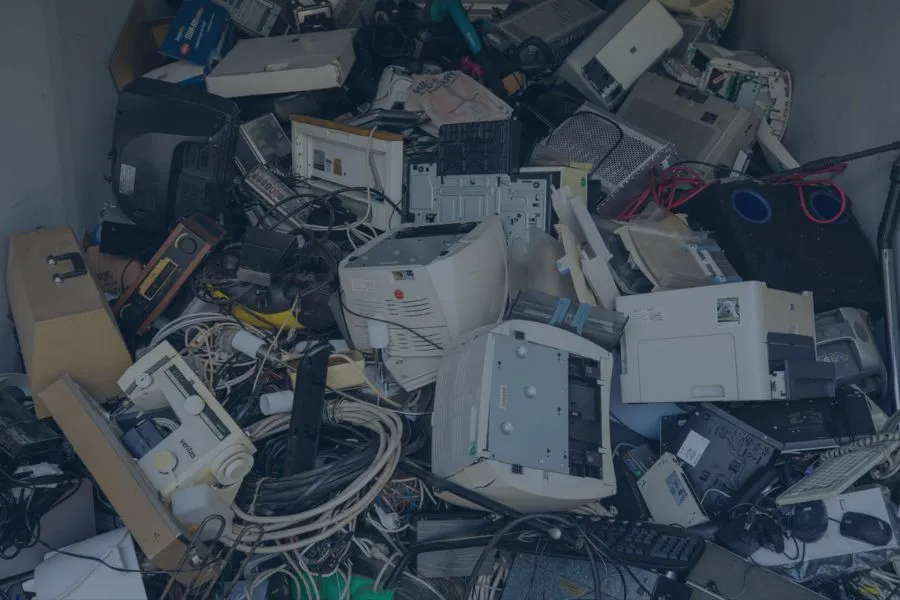
Computer and IT E-Waste Statistics
Computer and IT equipment creates millions of tonnes of e-waste each year, with recycling rates still lagging. This guide breaks down global and U.S. statistics, growth trends, materials, and impacts.

Computer and IT equipment creates millions of tonnes of e-waste each year, with recycling rates still lagging. This guide breaks down global and U.S. statistics, growth trends, materials, and impacts.
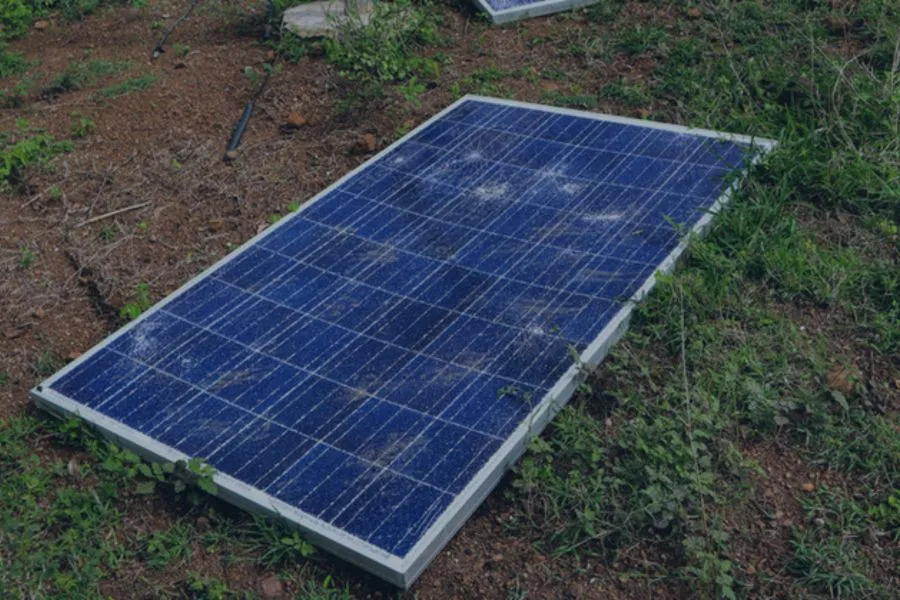
Solar panel waste is expected to rise sharply as global photovoltaic capacity ages. This guide examines waste volumes, future projections, panel lifespans, U.S. forecasts, material recovery, and long-term recycling needs.
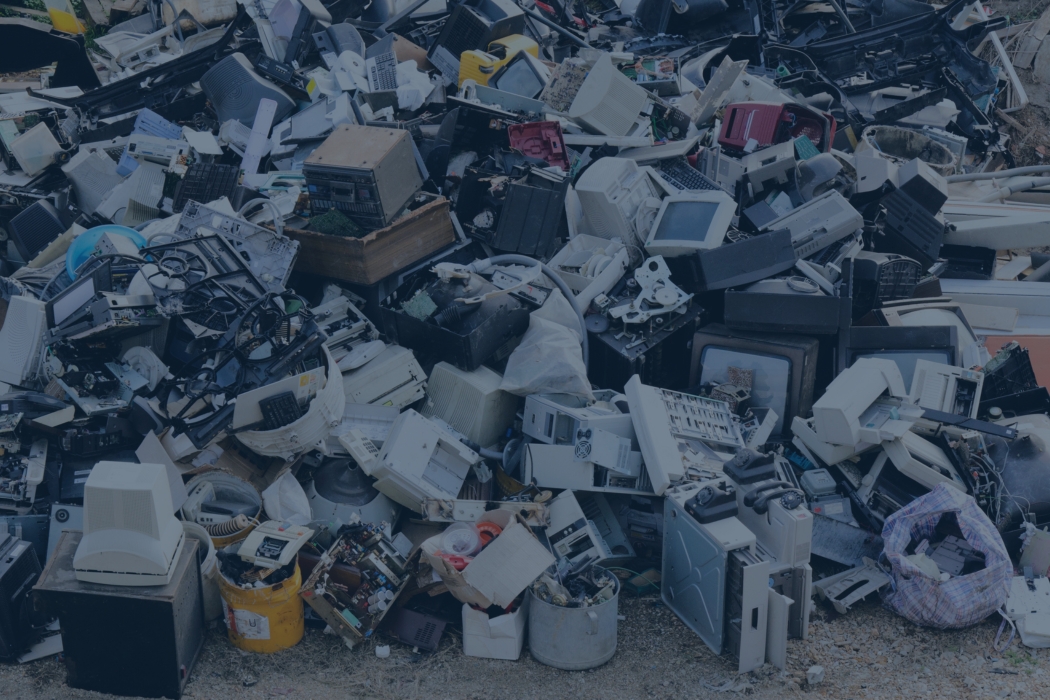
The United States generates millions of tons of e-waste each year while formal recycling remains limited. This guide covers waste volumes, recycling rates, devices, materials, legislation, data security, and solutions.

Billions of batteries reach end-of-life every year, creating waste, safety, and recycling challenges. This guide covers disposal statistics, recycling rates, environmental risks, material recovery, and ways to reduce battery waste.

E-waste affects air, soil, water, public health, and waste infrastructure when electronics are improperly handled. This guide explains toxic materials, battery fires, plastic pollution, lost resources, recycling risks, and strategies
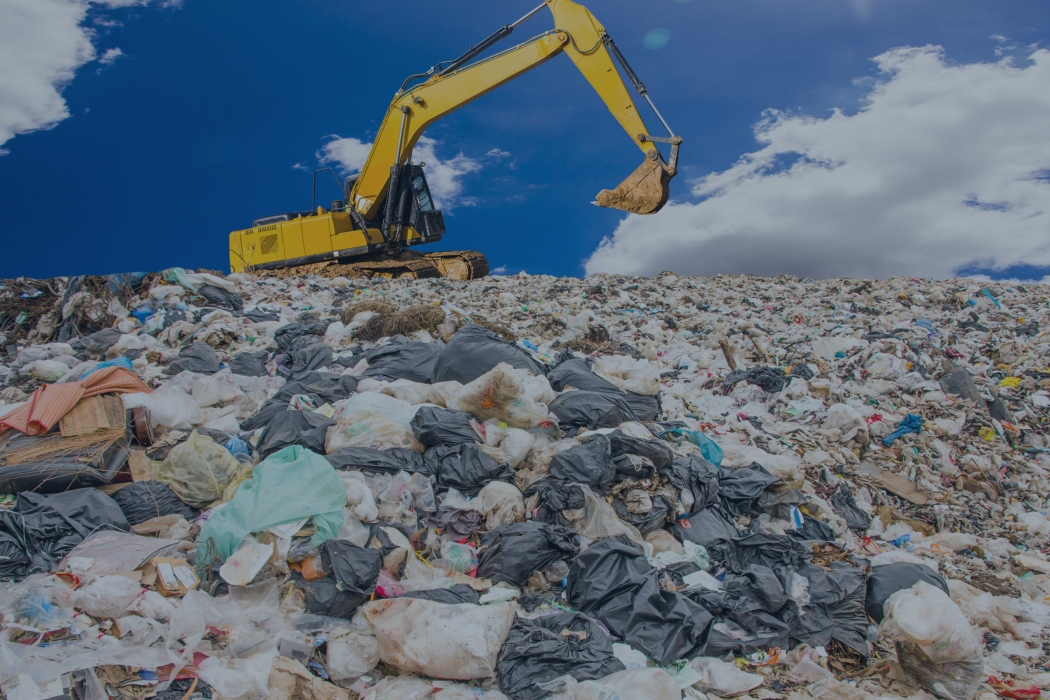
Landfills create long-term environmental problems through methane emissions, contaminated soil and water, habitat loss, fire risks, and waste. This guide explains how landfills work, impacts, and ways to reduce dependence

Cell phones carry environmental costs from mining, manufacturing, energy use, and disposal. This guide explains smartphone emissions, material extraction, e-waste, toxic components, recycling rates, and ways to reduce their footprint.

Computers affect the environment through raw material extraction, manufacturing, electricity use, and end-of-life disposal. This guide explores lifecycle emissions, energy demand, e-waste, device longevity, recycling, and ways to reduce impacts.
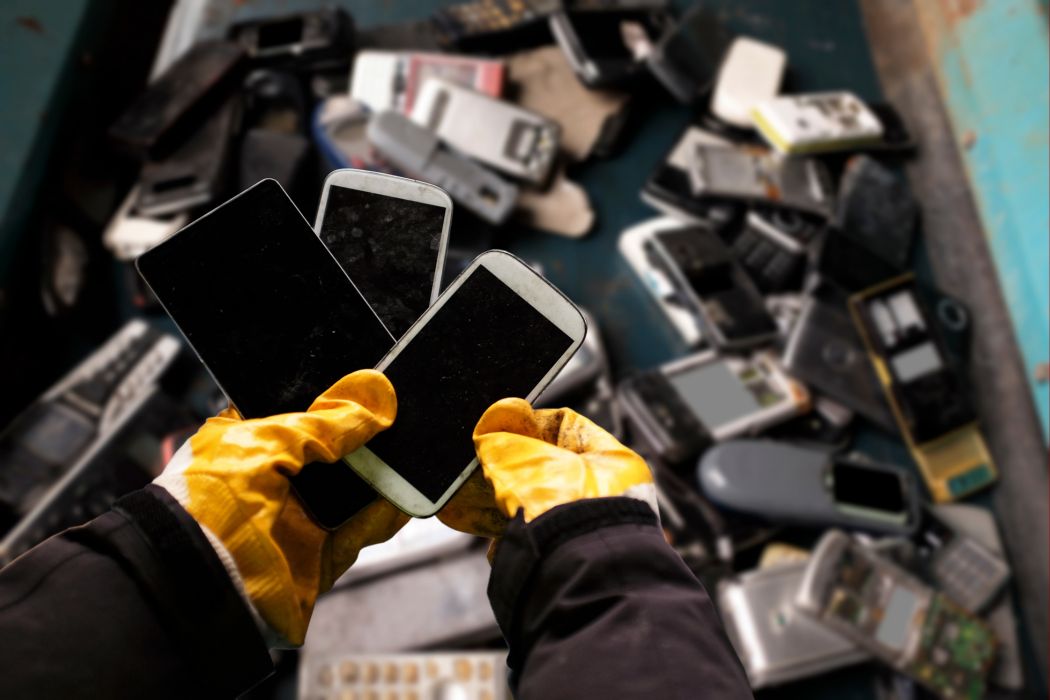
Billions of phones are replaced or discarded while recycling rates remain low. This guide covers consumer behavior, material recovery, recycling gaps, environmental risks, waste trends, and ways to improve recycling.
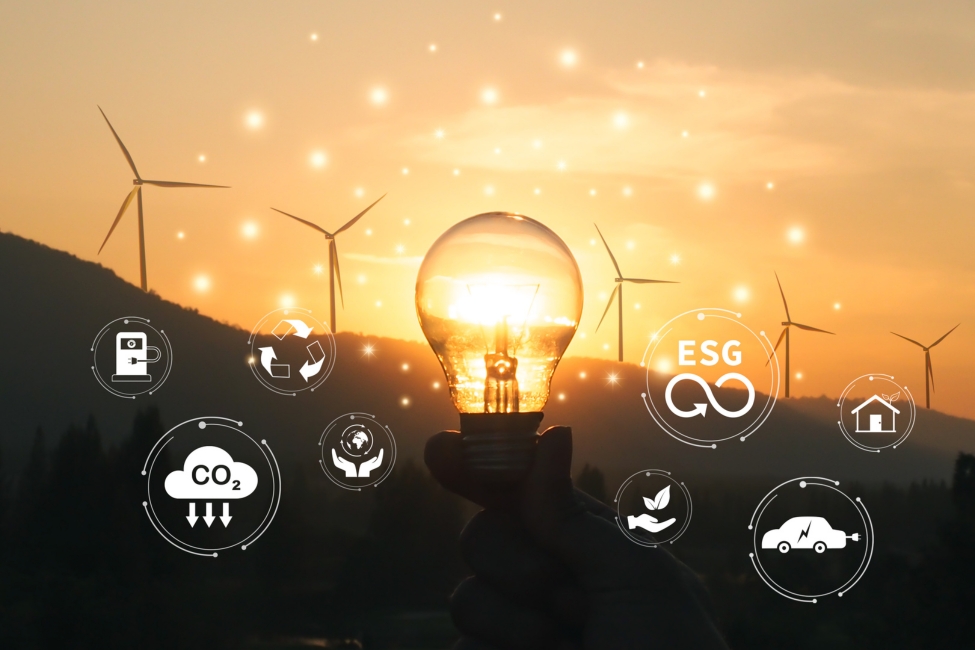
Technology brings environmental benefits and costs through energy use, mining, manufacturing, e-waste, and pollution. This guide explores those impacts alongside renewable energy, recycling innovation, resource efficiency, and sustainable technology practices.