Technology has transformed nearly every aspect of our lives. It’s given us instant global communication, medical breakthroughs, smarter cities, and faster, more efficient ways to work and live. Innovation has unlocked opportunities our grandparents couldn’t have imagined.
But with these benefits comes a serious environmental cost. The energy that powers our devices, the raw materials pulled from the earth, and the mounting piles of discarded electronics all leave their mark on the planet. The very tools designed to make life easier often carry a hidden environmental price tag.
In this article, we’ll take a balanced look at the facts. You’ll see where technology hurts the environment, where it helps, and how we can steer innovation toward a greener future.
The Environmental Costs of Technology
Energy Consumption and Greenhouse Gas Emissions
The digital world runs on an enormous amount of energy. The global IT sector is responsible for an estimated 2–7% of total greenhouse gas (GHG) emissions, and this number is rising as more people rely on cloud computing, AI models, and streaming services.
Data centers alone consume about 70 billion kWh of electricity annually, often powered by fossil fuels. Add in cryptocurrency mining—which can use as much energy as entire countries—and the demand becomes staggering.
Regionally, the numbers vary. In North America, high internet usage and large-scale data infrastructure push energy needs upward. Asia, as a manufacturing hub for electronics, also shoulders a significant energy footprint, while Europe’s stricter regulations have kept growth slower, but still notable.
E-Waste and Toxic Materials
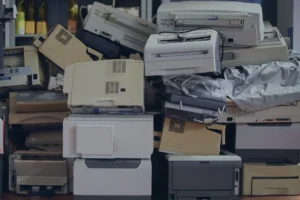
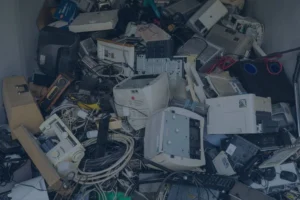
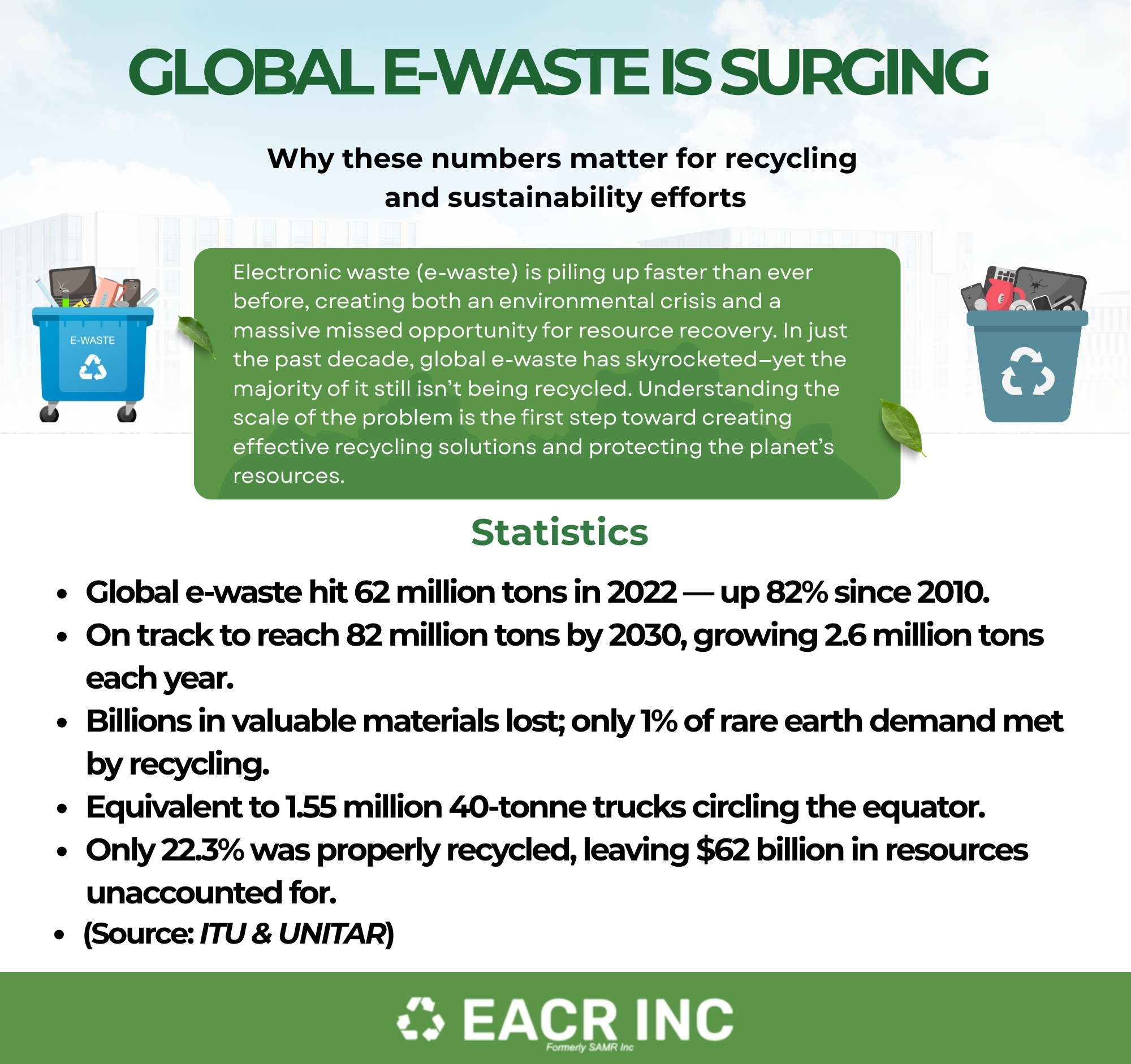
Every year, the world generates over 50 million tonnes of electronic waste—and less than 20% is properly recycled. The rest often ends up in landfills or is handled in unsafe conditions in developing countries.
Many of these discarded devices contain hazardous substances like lead, mercury, and cadmium. When improperly disposed of, these materials can leach into soil and water, poisoning ecosystems and threatening human health.
E-waste isn’t just about old computers and phones; it’s also servers, printers, appliances, and industrial electronics. Without better recycling systems, the environmental and health risks will keep growing.
Resource Extraction and Habitat Loss
Behind every device is a chain of extraction. Rare earth metals, lithium, cobalt, and other key materials are mined in processes that cause deforestation, water contamination, and land degradation.
Consider smartphones: producing a single unit can require over 12,000 liters of water when you account for mining, manufacturing, and assembly. Multiply that by the billions of devices made each year, and the resource demand is immense.
Mining also destroys habitats, threatening biodiversity and displacing wildlife. In many regions, mining operations overlap with ecologically sensitive areas, amplifying the environmental damage.
Air and Water Pollution
From the moment materials are extracted to when devices roll off the assembly line, pollution is a constant byproduct. Manufacturing releases harmful gases and particulate matter into the air, contributing to smog and respiratory illness.
Waterways also take a hit. Industrial runoff from electronics production contains heavy metals and chemicals, contaminating rivers and lakes. In agriculture-heavy regions, nitrogen compounds from industrial emissions contribute to eutrophication—a process that fuels algae blooms, depletes oxygen, and kills aquatic life.
The environmental costs of technology aren’t confined to one place—they ripple through ecosystems worldwide, affecting air quality, water safety, and the stability of the climate.
Positive Contributions of Technology to the Environment
Renewable Energy and Green Innovation
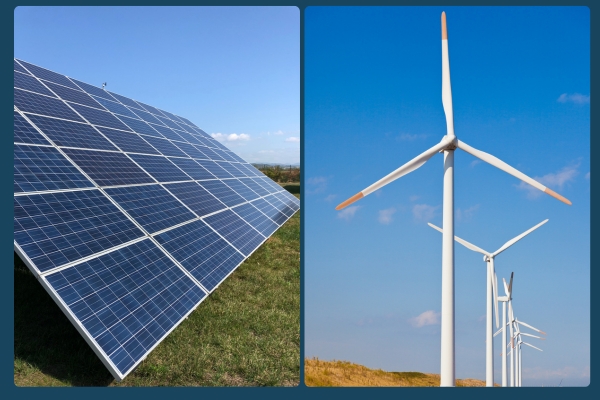
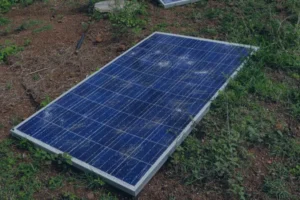
Technology has played a huge role in making clean energy more accessible and efficient. Modern solar panels are cheaper, lighter, and more powerful than those made just a decade ago. Wind turbines now produce more electricity per rotation, and hydropower systems are increasingly designed to limit ecological disruption.
Smart grids are another leap forward—these networks balance energy supply and demand in real time, reducing waste and maximizing the use of renewable sources. Paired with advances in battery storage, renewable energy can now be stored and used when the sun isn’t shining or the wind isn’t blowing.
Waste Reduction and Recycling Technology
The recycling industry has evolved far beyond simple sorting lines. Today, automated systems use cameras, sensors, and robotics to identify and separate different materials at high speeds. Artificial intelligence (AI) can track waste streams, predicting trends and pinpointing areas where recycling can improve.
This innovation is particularly important for e-waste. As the volume of discarded electronics continues to grow, new processes are making it easier to recover metals and components, reducing the need for new mining and cutting down on landfill waste.
Resource Efficiency and Sustainable Practices
In agriculture and forestry, the Internet of Things (IoT) and AI-powered tools are helping to use resources more wisely. Precision farming uses sensors, satellite imagery, and automated equipment to apply only the amount of water, fertilizer, or pesticide needed—no more, no less.
This targeted approach reduces chemical runoff into waterways, conserves water, and often improves yields. In forestry, similar technology helps track tree health, detect early signs of disease, and manage harvesting in a way that preserves biodiversity.
Environmental Monitoring and Data Analysis
Geographic Information Systems (GIS), remote sensing, and AI are transforming how we track and protect the environment. Satellites can detect deforestation, glacier melt, and pollution patterns in near real time, allowing for quicker responses.
Climate modeling has also improved dramatically, helping scientists predict extreme weather events and assess long-term environmental risks. This data is invaluable for governments, NGOs, and communities planning climate adaptation strategies.
Technology’s Role in Climate Solutions vs Climate Problems
Technology can be both a driver of climate change and a tool for fighting it. On one hand, producing and powering our devices contributes to greenhouse gas emissions. On the other, innovations like carbon capture systems, renewable energy infrastructure, and energy-efficient building designs directly reduce emissions.
A clear example is the development of fuel cells and smaller-scale clean energy plants. These systems can run on hydrogen or natural gas, producing fewer emissions than coal or oil. Localized plants also reduce energy lost in transmission, making them more efficient.
However, no solution is without challenges. Some clean energy technologies still release carbon during production or operation. The “rebound effect” is another issue—when efficiency improvements lead to increased overall usage, offsetting gains.
Even environmental monitoring tools raise questions, such as privacy concerns in remote sensing. While technology is essential to climate action, it must be deployed thoughtfully to avoid creating new problems while solving old ones.
Sustainable Technology: Moving Forward
Circular Economy Models
The most effective way to reduce technology’s environmental footprint is to close the loop on production. A circular economy focuses on reusing, refurbishing, and recycling materials so that fewer resources are extracted from the earth in the first place. This model extends product life cycles, minimizes waste, and cuts down on emissions from manufacturing.
Companies like EACR Inc. play a critical role here. By offering licensed electronics recycling services, EACR Inc. helps keep old devices, components, and wiring out of landfills. Their process ensures materials are recovered and reused, while hazardous components are handled responsibly. This approach not only supports sustainability but also aligns with the growing demand for corporate environmental responsibility.
Policy and Economic Incentives
Policy is one of the most powerful tools for steering technology toward sustainability. Carbon pricing forces industries to account for their emissions financially, creating a clear incentive to adopt cleaner practices. Tradable pollution permits let companies that reduce their emissions below set limits sell their excess capacity to others, rewarding efficiency and innovation.
On the global stage, international agreements—like the Paris Agreement—set shared goals for emission reductions. Technology supports these efforts by enabling accurate monitoring and verification, from remote sensing satellites to AI-driven compliance tools. These systems ensure commitments are more than just promises—they’re trackable and enforceable.
Consumer Behavior and Digital Habits
While industry and policy changes are critical, individual habits matter too. Consumers can help by reducing unnecessary device upgrades—using phones, laptops, and other electronics for longer before replacing them.
Digital choices also play a role. Streaming in lower resolution when high definition isn’t necessary, deleting unused files from cloud storage, and reducing unnecessary email attachments all help lower the energy demand from servers and data centers. Small adjustments in daily behavior, multiplied across millions of users, can make a measurable difference in the tech sector’s footprint.
| Impact Area | Statistic | Source Context |
| Global IT sector emissions | 2–7% of total GHG emissions | Driven by data centers, cloud computing, and device use |
| E-waste generated annually | 50+ million tons | Less than 20% is formally recycled |
| Water footprint of a smartphone | 12,000+ liters | Includes mining, manufacturing, and assembly |
| Data center electricity use | 70 billion kWh/year | Often powered by fossil fuels |
| Percentage of smartphone emissions from production | ~80% | Manufacturing dominates lifecycle impact |
| Global recycling rate for plastics in tech | ~9% | Highlights waste management gap |
| Global CO₂ from mobile phone use | 580 million tons/year | Usage emissions add to production impact |
Conclusion: Balancing Innovation and Sustainability
Technology will always be a double-edged sword—capable of driving both incredible progress and substantial environmental harm. The challenge is not whether we use technology, but how we use it.
By adopting circular economy models, supporting strong policy measures, and making mindful consumer choices, we can align technological growth with environmental responsibility. Businesses must lead with sustainable design and responsible end-of-life management. Policymakers must enforce and incentivize change. Consumers must rethink convenience when it comes at the planet’s expense.
The future of technology doesn’t have to be at odds with the health of our planet. If innovation is paired with accountability, we can ensure that progress and preservation move forward together.