The holiday season brings celebrations, gift exchanges, family gatherings, and a surprising amount of waste. Between Halloween and New Year’s Day, Americans throw away enormous quantities of food, gift packaging, decorations, batteries, and unwanted electronics. While much of this waste is easy to overlook, the statistics reveal just how much our consumption increases during the holidays.
Below, we’ll explore holiday waste statistics from the United States, along with a few international comparisons, to understand the scale of seasonal waste. At EACR Inc., we’re an electronics recycling company helping individuals, businesses, and organizations recycle outdated electronics and electrical equipment throughout the year.
How Much Waste Do Americans Generate During the Holidays?
The period between Thanksgiving and New Year’s Day is one of the busiest times of the year for household waste generation in the United States.
Research from government agencies and environmental organizations highlights how dramatically waste levels can increase during the holiday season.
- 25%: Household garbage in the United States can increase by 25% between Thanksgiving and New Year’s Day, according to the EPA’s archived holiday waste guidance. (EPA, 2019)
- 23%: A 2021 analysis estimated that Americans generate 23% more waste by weight in December compared with other months of the year. (Biological Diversity, 2021)
- 5.8 Million Tons: The same analysis estimated that the United States generates approximately 5.8 million additional tons of waste during December.
- 36 Pounds: On a per-person basis, the analysis estimated that Americans generate an additional 36 pounds of waste in December compared with other months.
These figures come from different studies and should not be treated as directly comparable measurements. The EPA’s figure comes from older archived guidance, while the 2021 analysis used waste data from eight local governments to estimate broader national trends.
Together, they illustrate the significant increase in waste associated with holiday shopping, celebrations, and seasonal consumption.
Halloween Waste Statistics
Halloween brings pumpkins, costumes, candy packaging, and decorations into millions of American households.
Although many decorations can be reused, other seasonal items are discarded almost immediately after October 31.
- Over 1 Billion Pounds: Americans discard more than 1 billion pounds of pumpkins in landfills annually, where they decompose and contribute to methane emissions. (Colorado State University, 2026)
- 1.47 Billion Pounds: U.S. farmers produced approximately 1.47 billion pounds of pumpkins in 2025, demonstrating the scale of domestic pumpkin production. This figure represents total production, not Halloween waste. (USDA, 2026)
Pumpkins are a clear example of how products purchased for a single holiday can become waste shortly afterward. Composting pumpkins and reusing decorations can help reduce the amount of material sent to landfills.
Thanksgiving Food Waste Statistics
Thanksgiving is one of America’s biggest food-centered holidays. Unfortunately, large meals and excess food preparation also contribute to substantial waste.
Research from ReFED offers a closer look at how much food Americans were expected to throw away during Thanksgiving in 2025.
- 320 Million Pounds: Americans were estimated to waste approximately 320 million pounds of food on Thanksgiving Day in 2025.
- $550 Million: The estimated value of food discarded on Thanksgiving in 2025 reached approximately $550 million.
- More Than 90%: A 2025 survey found that over 90% of Thanksgiving hosts intentionally prepare more food than their guests need.
- 40%: Turkey accounted for approximately 40% of the food estimated to be discarded during Thanksgiving in 2025 (ReFED, 2026).
These statistics highlight how much food can go uneaten during a single holiday.
Planning portions more carefully, storing leftovers properly, and sending guests home with extra food are practical ways to reduce unnecessary waste.
Christmas Waste Statistics: Gifts, Packaging, and Decorations
Christmas generates several different types of waste, from unwanted gifts and wrapping paper to discarded decorations and packaging materials.
The scale becomes particularly clear when looking at the number of products purchased and materials used during the season.
Christmas Gifts and Trees
- $8.3 Billion: A 2024 estimate suggested that Americans would spend approximately $8.3 billion on unwanted Christmas gifts. (Finder, 2024)
- 25–30 Million Trees: According to the National Christmas Tree Association, approximately 25 to 30 million real Christmas trees are sold annually in the United States. This represents the number sold, not the number discarded.
Unwanted presents can eventually contribute to household waste, while Christmas trees require appropriate collection, reuse, or disposal after the holiday season.
Christmas Packaging Waste
Although the United States is the main focus of this article, statistics from the United Kingdom provide additional perspective on holiday packaging consumption.
- 227,000 Miles: Consumers in the United Kingdom use approximately 227,000 miles of wrapping paper each Christmas. (GWP Group, 2026)
- 114,000 Metric Tonnes: An estimated 114,000 metric tonnes of plastic packaging are sent to landfills in the UK during the Christmas period rather than being recycled.
Gift boxes, plastic packaging, wrapping paper, ribbons, and decorations can accumulate quickly, especially in households exchanging numerous presents.
Not all packaging materials are recyclable, making proper sorting and reuse important during the holidays.
Holiday E-Waste and Battery Statistics
Electronics are popular holiday gifts, including smartphones, tablets, headphones, gaming devices, toys, and small appliances.
While these products can remain useful for years, holiday upgrades also raise questions about what happens to older or unwanted electronics.
The following statistics highlight holiday demand for battery-powered products and the broader challenge of electronic waste in the United States.
- 83%: A 2024 U.S. holiday survey found that 83% of respondents planning to purchase gifts anticipated buying at least one battery-powered item. (Battery Fire Safety.org, 2024)
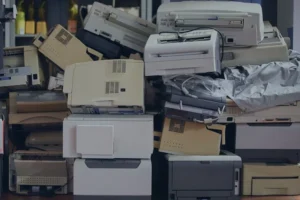
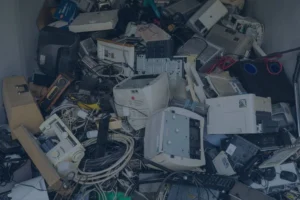
- 2.7 Million Tons: The United States generated approximately 2.7 million tons of selected consumer electronics waste in 2018, according to the EPA’s national waste data.
- 38.5%: Approximately 38.5% of those selected consumer electronics were recycled in 2018. (EPA, 2018).
The EPA’s electronics figures represent annual waste generation and recycling, not waste produced specifically during the holidays.
However, they provide important context for the growing number of electronic products purchased, replaced, and eventually discarded.
Christmas Lights and Battery Waste Statistics
Holiday decorations and battery-powered products add another category of electrical waste.
Statistics from the United Kingdom highlight the amount of material involved:
- 500 Metric Tonnes: Approximately 500 metric tonnes of Christmas lights are discarded annually in the United Kingdom.
- 189 Million Batteries: Consumers in the UK reportedly use approximately 189 million batteries during the Christmas period.
- 7 Million Batteries: Approximately 7 million batteries are reportedly discarded in the UK during the Christmas season. (GWP Group, 2026)
Electrical decorations, battery-powered gifts, and outdated electronics may contain materials requiring specialized recycling.
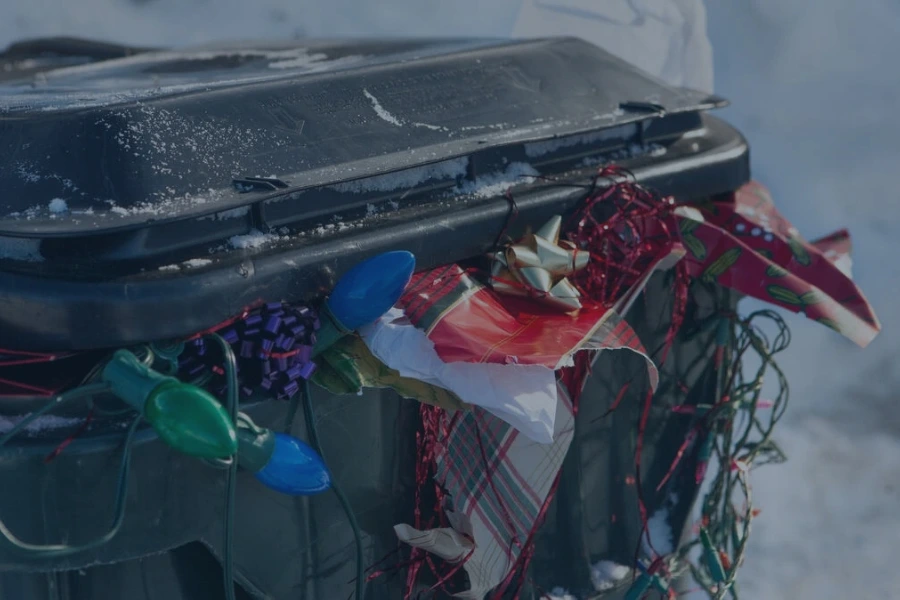
For example, old Christmas lights contain copper wiring, plastic insulation, and other components that should be handled through suitable recycling programs rather than ordinary household recycling.
Learn more about your options in our Christmas lights recycling guide.
What Can We Learn From These Holiday Waste Statistics?
These holiday waste statistics show how quickly seasonal consumption can add up. From Thanksgiving leftovers to Christmas packaging and outdated electronics, many common holiday purchases eventually become waste.
Fortunately, a few simple habits can make a difference:
- Reduce Unnecessary Purchases: Choose gifts, decorations, and other holiday products that are likely to be used beyond a single occasion.
- Reuse What You Can: Save gift bags, decorations, and packaging when they’re suitable for another use. Consider donating functioning electronics instead of replacing them unnecessarily.
- Separate Recyclable Materials: Cardboard, metal, food scraps, batteries, and electronics require different recycling or disposal methods.
- Recycle Outdated Electronics: Old devices, unwanted electrical decorations, and used batteries should be directed to appropriate recycling programs.
Holiday celebrations don’t have to disappear to reduce waste. Being more aware of what we purchase, reuse, and discard can help prevent unnecessary waste throughout the season.
Reduce Holiday E-Waste With EACR Inc.
Holiday waste extends far beyond wrapping paper and leftover food. Unwanted electronics, depleted batteries, broken decorations, and electrical equipment also contribute to the materials that households and businesses need to manage after the holidays. Recycling suitable electronics helps recover materials and keeps these products out of ordinary waste streams.
At EACR Inc., we’re an e-waste recycling company helping individuals, businesses, municipalities, and organizations recycle outdated electronic equipment. We offer facility drop-offs in Lakewood, New Jersey, commercial recycling pickups, and collection solutions for larger projects. Contact our team at (732) 370-4100 to discuss accepted electronics, recycling requirements, and available collection arrangements.