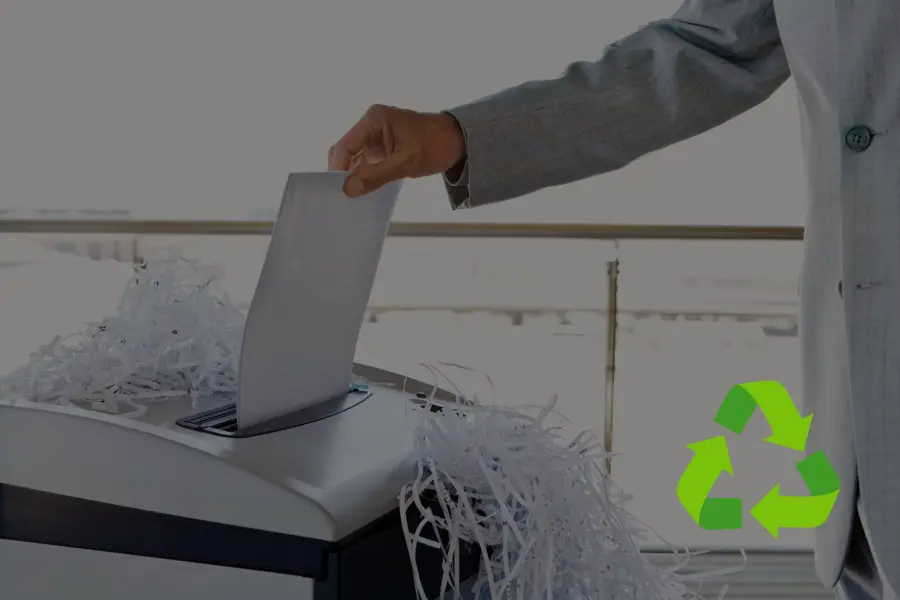
What to Do With an Old Paper Shredder
Paper shredder recycling means recycling the shredder machine itself, not the shredded paper sitting in the bin underneath it.
An electric paper shredder contains much more than plastic. Inside are electric motors, copper wiring, circuit boards, switches, steel cutting assemblies, power components, and other electronic parts. Once the motor burns out, the machine constantly jams, or the unit simply stops turning on, it should generally be treated as electronic equipment rather than ordinary household trash.
Businesses run into the same problem on a larger scale. Offices may replace shredders during equipment upgrades, relocations, renovations, records-management changes, or full facility cleanouts. If you have an old shredder or other outdated equipment to recycle, EACR is an electronics recycling company that can help manage electronics recycling for homes, businesses, schools, and other organizations.
Quick Answer: Can Paper Shredders Be Recycled?
Yes. Most electric paper shredders can be recycled through an electronics recycling program.
A typical shredder may contain:
- Electric motor
- Steel cutting blades
- Copper wiring
- Circuit boards
- Power supply components
- Plastic housing
The important distinction is simple:
The shredded paper and the paper shredder are two completely different recycling streams.
Shredded paper may be accepted through a paper recycling program depending on local rules and the size of the paper pieces. The shredder machine itself should be handled as electronic or electrical equipment so its internal components can be properly separated.
What is Inside a Paper Shredder?
A paper shredder may look like a fairly simple office appliance, but internally it combines mechanical, electrical, and electronic components.
Electric Motor
The motor provides the power that turns the shredder’s cutting assembly.
Depending on the design, the motor may contain:
- Copper windings
- Steel components
- Bearings
- Electrical connections
- Metal housings
When a shredder stops working because the motor has failed or repeatedly overheats, the entire machine can still contain materials that can be separated during the recycling process.
Steel Cutting Blades and Shafts
The cutting assembly is one of the heaviest parts of a shredder.
Strip-cut machines use rotating blades to slice paper into long strips, while cross-cut and micro-cut shredders use more complex cutting assemblies to create smaller pieces.
These systems commonly contain:
- Hardened steel cutters
- Metal shafts
- Gears
- Bearings
- Structural metal components
In larger office and commercial shredders, the cutting mechanism can account for a significant amount of the machine’s overall metal content.
Circuit Boards and Electrical Controls
Many modern shredders use electronic controls instead of basic mechanical switches.
These systems may control:
- Automatic start and stop
- Reverse functions
- Jam detection
- Overheat protection
- Bin-full indicators
- Safety sensors
Circuit boards, sensors, switches, and related electronics should remain with the machine rather than being removed and discarded separately.
Wiring and Power Components
Electric shredders also contain the components needed to deliver and control power throughout the machine.
These may include:
- Copper wiring
- Power cords
- Switches
- Capacitors
- Internal connectors
- Power supply components
These parts are another reason an electric shredder should not be treated like an ordinary plastic household item.
Plastic Housing and Waste Bin
Most shredders use plastic for the outer housing and paper collection bin.
The exact plastic type varies by manufacturer and model. Even if the plastic appears recyclable, the complete shredder should not simply be placed into curbside plastic recycling while the motor, wiring, cutting assembly, and electronics are still attached.
During proper equipment recycling, the shredder can be dismantled so different material types are separated into appropriate streams.
Can You Throw Away an Old Paper Shredder?
Putting an electric paper shredder in ordinary trash is not the best disposal route.
A shredder contains electrical, electronic, plastic, and metal components that should be separated rather than buried together in a landfill.
Local disposal requirements also vary. Some municipalities restrict certain electronic equipment from household trash, while others may require residents or businesses to use designated electronics collection programs.
Instead of assuming your regular trash service will accept it, check the rules in your area or contact an electronics recycler.
A recycler can separate components such as:
- Electric motors
- Steel
- Copper wiring
- Circuit boards
- Power components
- Plastics
That gives the different materials a more appropriate path than sending the entire machine into ordinary waste.
How to Recycle a Paper Shredder
Recycling an old shredder is fairly straightforward. The main goal is to empty the machine, make it safe to move, and keep the internal components intact for processing.
1. Empty the Shredder
Start by removing all shredded paper from the collection bin.
Also check the machine for anything else it may have processed, including:
- Credit cards
- CDs or DVDs
- Paper clips
- Staples
- Plastic fragments
Keep these loose materials separate from the shredder itself.
2. Unplug the Machine
Disconnect the shredder from its power source before moving or preparing it for recycling.
If the machine has been overheating, making unusual noises, or repeatedly shutting down, do not keep powering it on just to see whether it still works.
Once you have decided to recycle it, leave it unplugged.
3. Keep the Shredder Intact
There is usually no reason to dismantle a shredder yourself.
Avoid taking apart the:
- Motor
- Cutting mechanism
- Capacitors
- Circuit boards
- Electrical controls
Cutting assemblies can be sharp, and electrical components may not be obvious once the housing is opened.
An electronics recycler can handle dismantling and material separation as part of the recycling process.
4. Choose a Recycling Option
The best recycling option depends on how much equipment you have and where you are located.
Common options include:
- Electronics recycling drop-off
- Scheduled electronics pickup
- E-waste containers for businesses or facilities
- Office equipment cleanouts
Someone replacing one household shredder may only need a drop-off option. A business replacing shredders across multiple offices may be better suited for scheduled pickup or a larger equipment collection.
5. Request Documentation if Needed
Businesses, schools, government agencies, and other organizations may want records showing when equipment was collected and processed.
Depending on the recycling program, documentation may include pickup records, equipment counts, or a certificate of recycling.
For organizations managing larger cleanouts or equipment replacement projects, keeping those records can make internal asset tracking much easier.
Paper Shredder Recycling for Businesses and Offices
Paper shredders are common in offices, medical facilities, schools, financial organizations, government buildings, and businesses that regularly handle sensitive documents.
Eventually, those machines need to be replaced.
Organizations often retire shredders during:
- Office relocations
- Renovations
- Equipment refreshes
- Records-management upgrades
- Facility cleanouts
- Multi-location consolidations
In many cases, the shredder is only one piece of a much larger electronics cleanup.
A typical office equipment recycling project may also include:
- Computers
- Monitors
- Printers
- Scanners
- Copiers
- Fax machines
- Paper shredders
- UPS systems
- Other office electronics
Handling the equipment together can simplify the removal process instead of arranging separate disposal for every device.
Organizations replacing printers at the same time can also review our printer recycling guide for more information on properly handling old printers alongside shredders and other office electronics.
For larger businesses, schools, and facilities, scheduled electronics recycling can also reduce the amount of outdated equipment sitting in storage rooms while teams wait for an appropriate disposal option.
What Happens to a Paper Shredder After Recycling?
Once a paper shredder reaches a recycling facility, it is usually processed alongside other electronic and electrical equipment.
Intake and Sorting
The shredder is received, identified, and sorted based on its equipment type and condition.
Dismantling
The machine is opened so major material groups can be separated.
That may include metals, wiring, electronic components, plastics, and the cutting assembly.
Metal Recovery
Paper shredders contain several metal components that can be directed into appropriate recycling streams.
These may include:
- Steel from cutting blades and shafts
- Copper from motors and wiring
- Metal gears
- Structural components
- Motor housings
Separating these materials allows them to be processed independently instead of sending the complete machine to disposal.
Electronic Component Processing
Circuit boards, switches, sensors, connectors, and other electronic components are separated from the mechanical parts of the shredder.
These components can then be routed through appropriate electronics recycling channels.
Plastic Separation
Plastic housings and collection bins are also separated.
Whether those plastics can be recycled depends on the material type, condition, and available downstream processing options.
Frequently Asked Questions About Paper Shredder Recycling
Can Paper Shredders Be Recycled?
Yes. Electric paper shredders contain motors, wiring, metals, electronics, plastics, and mechanical components that can be separated through an appropriate recycling process.
Is a Paper Shredder Considered Electronic Waste?
Electric paper shredders contain electrical and electronic components, so they are commonly handled through electronics or equipment recycling programs.
Can I Put a Paper Shredder in the Trash?
Local rules vary, but electronics recycling is generally the better disposal route for an electric shredder.
Check your local requirements before placing one in ordinary household or commercial trash.
Do I Need to Remove the Shredder Blades Before Recycling?
No.
Keep the cutting assembly intact unless your recycler specifically tells you otherwise. The blades and shafts can be handled during the dismantling process.
Should I Remove the Shredded Paper First?
Yes.
Empty the collection bin and remove loose shredded paper before recycling the machine itself.
The paper and the shredder belong in separate recycling streams.
Can Businesses Recycle Multiple Paper Shredders at Once?
Yes.
Offices, schools, government facilities, healthcare organizations, and other businesses can arrange bulk electronics recycling for multiple shredders along with other retired office equipment.
Conclusion — Recycle Your Old Paper Shredder Properly
A paper shredder is more than a plastic bin with cutting blades. Electric models contain motors, steel, copper wiring, circuit boards, switches, and other mechanical and electronic components that should be handled through an appropriate recycling process.
Before recycling one, empty the paper bin, unplug the machine, keep the internal components intact, and choose an electronics recycling option that fits your quantity and location. If your home, office, school, or facility has outdated shredders or other electronics ready for removal, EACR is an electronics recycling company that can help coordinate recycling, pickup, and appropriate documentation.