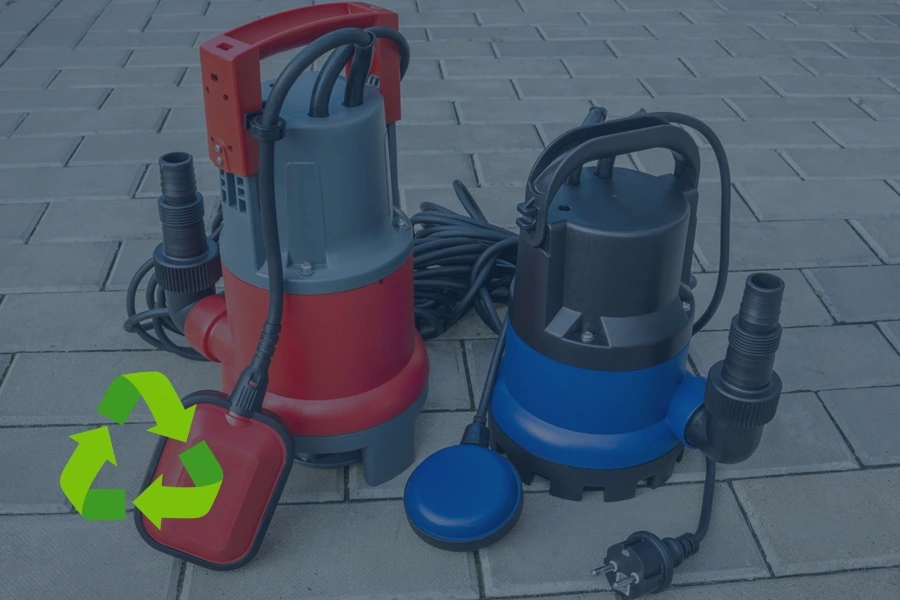
Sump pumps play an important role in protecting homes, basements, and commercial properties from flooding. However, like any mechanical equipment, they eventually wear out or need replacement. Motor failures, corrosion, electrical problems, and frequent breakdowns are common reasons property owners replace their sump pumps.
Most contain electric motors, copper wiring, metal housings, and other materials that can be recovered through recycling. However, sump pumps should not be placed in ordinary household recycling bins because they contain a mixture of electrical and mechanical components, and some models contain oil.
At EACR Inc., we’re an electronics recycling company helping homeowners, businesses, contractors, municipalities, and organizations manage unwanted electrical equipment. We offer facility drop-offs, scheduled bulk pickups, and e-waste container programs. Below, we’ll explain your sump pump recycling options and how to prepare an old pump for proper disposal.
Your Sump Pump Recycling Options
There are several ways to recycle an old or broken sump pump. The best option depends on the pump’s size, construction, condition, and how much equipment you need to recycle.
Drop Off Your Sump Pump at EACR Inc.
EACR Inc. operates an electronics recycling facility in Lakewood, New Jersey, where individuals and organizations can bring accepted electrical and electronic equipment for recycling.
If you have an old or broken electric sump pump, you can contact our team to inquire about dropping it off. Depending on the equipment and acceptance requirements, sump pumps may be included alongside other electrical equipment, motors, and appliances.
Our Lakewood Recycling Facility:
- Address: 1950 Rutgers University Blvd, Lakewood, NJ 08701
- Phone: (732) 370-4100
- Hours: Monday–Friday, 8:00 AM–5:00 PM
- Saturday & Sunday: Closed
Before visiting, we recommend calling to confirm sump pump acceptance, drop-off availability, and any preparation requirements. Be sure to mention whether your pump contains oil or other fluids.
Schedule a Bulk Sump Pump Recycling Pickup With EACR Inc.
Businesses and organizations sometimes accumulate large quantities of outdated pumping equipment during renovations, building maintenance, or equipment replacements.
Plumbing contractors, property management companies, commercial building owners, municipal public works departments, and industrial facilities may need to recycle multiple sump pumps or other electrical equipment at once.
EACR Inc. provides scheduled bulk electronics recycling pickups for organizations managing larger quantities of unwanted equipment.
Depending on the project, electric sump pumps may be eligible for collection alongside other accepted motors, appliances, and electrical components.
Pickup availability depends on your location, the quantity of material, the types of pumps, and any special handling requirements. Contact our team to discuss your equipment and available pickup options.
Find an E-Waste Recycling Container Location
E-waste recycling containers provide designated collection points where businesses, municipalities, and organizations can gather unwanted electrical and electronic equipment.
EACR Inc. offers e-waste container programs to help organizations manage electronics recycling on an ongoing basis.
Depending on the program’s guidelines, smaller electric sump pumps may be eligible for collection. However, heavier equipment and pumps containing oil or other fluids may require separate arrangements.
Contact EACR Inc. to ask about participating collection locations and whether your specific sump pump can be accepted.
Attend an Electronics Recycling Event
EACR Inc. works with municipalities and community organizations to coordinate electronics recycling events where residents can bring unwanted electrical and electronic equipment for collection.
These events provide a convenient way to recycle accepted items without arranging an individual pickup.
Some events may accept small electric motors, pumps, or other powered equipment, depending on their collection guidelines.
If you’re interested in recycling a sump pump at an upcoming event, contact EACR Inc. to confirm accepted materials, event dates, and locations before attending.
Why Should You Recycle Old Sump Pumps?
Recycling old sump pumps helps recover reusable materials while reducing the amount of mechanical and electrical equipment sent to landfills.
Here are a few reasons why recycling matters:
- Metal recovery: Sump pumps contain iron, steel, copper, and other metals that can be recovered through recycling.
- Reduced landfill waste: Recycling helps keep heavy metal housings, motors, and electrical components out of landfills.
- Responsible material handling: Some sump pumps contain sealed motor oil, electrical components, or backup batteries that require appropriate handling.
- Resource conservation: Recovered metals can be used to manufacture new products, reducing the need to extract additional raw materials.
Even if a sump pump has a burned-out motor or no longer operates, many of its metal and electrical components may still be recyclable.
What is a Sump Pump Made Of?
Sump pumps contain a combination of metals, plastics, electrical components, and other materials that allow them to operate in wet environments. Their exact construction depends on whether the pump is a submersible, pedestal, or battery-backup model.
Common materials found in sump pumps include:
- Cast iron: Used in many pump and motor housings because of its strength and durability.
- Stainless steel: Found in certain housings, motor shafts, screws, fasteners, and internal components.
- Copper: Used in electric motor windings, power cords, and other electrical connections.
- Plastic: Found in some pump housings, impellers, float switches, and protective covers.
- Rubber: Used in seals, gaskets, and other components that help prevent leaks and protect moving parts.
- Electric motor components: Include copper or other metal windings, steel laminations, and additional parts that generate the power needed to operate the pump.
- Electrical components: Include power cords, float switches, terminals, and electronic controls that manage the pump’s operation.
- Oil: Some submersible sump pumps contain sealed oil-filled motor chambers for cooling and lubrication.
These materials help sump pumps withstand demanding operating conditions, but they also make proper material separation important during recycling.
What Parts of a Sump Pump Can Be Recycled?
Many sump pump components contain metals and other recoverable materials. However, the recycling process depends on the pump’s design, the materials used, and the recycling facility’s capabilities.
Electric Motor and Copper Windings
The electric motor is one of the main components of a sump pump. It powers the impeller, which moves collected water out of the sump pit and through the discharge pipe.
Electric motors commonly contain copper windings, steel components, and other metals that can be recovered through recycling.
During processing, these materials may be separated and directed toward metal recovery.
Cast Iron and Steel Housing
Many sump pumps have cast iron or steel housings designed to protect internal components and withstand regular exposure to moisture.
These metals can often be separated and recycled as scrap metal.
Recovered iron and steel may be processed for use in manufacturing new machinery, construction materials, and other metal products.
Stainless Steel and Other Metal Components
Sump pumps may contain stainless steel shafts, screws, fasteners, and other internal parts. Certain models also use metal impellers.
These components can contain metals that are recoverable through sorting and recycling.
Separating different metals helps direct them toward the appropriate material recovery processes.
Electrical Wiring and Float Switches
Sump pumps use electrical wiring to deliver power to their motors. Most also rely on float switches or other sensors to detect rising water levels and automatically activate the pump.
Power cords and internal wiring contain copper conductors surrounded by protective insulation.
These metals may be recovered during recycling, although float switches and other mixed-material electrical components may require additional processing.
Plastic Housings and Impellers
Some sump pumps use plastic housings, impellers, float components, and protective covers.
These plastics are often designed to resist corrosion and withstand exposure to water. However, recycling them can be more challenging when they’re combined with metals, adhesives, or other materials.
Not all plastics can be recovered through every recycling process, so actual recovery depends on their composition and the facility’s capabilities.
Backup Batteries and Control Systems
Some sump pump systems include a separate battery backup that keeps the pump operating during a power outage.
These backup systems may use lead-acid or lithium-based batteries, depending on the model.
Batteries require specialized handling and should not be mixed into ordinary scrap-metal collections. If your sump pump has a backup battery, check with your recycling provider about the appropriate way to handle it.
How to Prepare a Sump Pump for Recycling
Before recycling an old sump pump, take a few steps to make the equipment easier and safer to handle.
Because sump pumps operate in wet environments, they may contain residual water, sediment, electrical components, and, in some cases, sealed motor oil.
Step 1: Disconnect the Sump Pump From Power
Before removing your sump pump, make sure it’s completely disconnected from its electrical supply.
Unplug the pump and disconnect any applicable backup power sources to prevent it from starting unexpectedly.
If the pump is hardwired or you’re unfamiliar with its electrical connections, have a qualified professional disconnect it safely.
Never handle energized electrical equipment in a wet sump pit.
Step 2: Remove the Pump From the Sump Pit
Once the pump is safely disconnected from power, it can be removed from the sump pit.
Depending on the installation, you may need to disconnect the discharge pipe, check valve, or other plumbing connections.
Take care to avoid damaging surrounding pipes or equipment during removal.
If the pump is difficult to access or connected to unfamiliar plumbing, consider having a plumber handle the removal.
Step 3: Drain Remaining Water and Remove Debris
After removing the pump, allow any remaining water to drain into an appropriate location.
Remove loose dirt, sediment, and exterior debris that may have accumulated during use.
You can wipe down the exterior if necessary, but there’s generally no reason to open or dismantle the motor housing.
Keep the pump upright when appropriate to minimize spills during handling and transportation.
Step 4: Check for Oil and Other Fluids
Some submersible sump pumps contain sealed oil-filled motor chambers.
Before recycling your pump, check the manufacturer’s instructions to determine whether it contains oil or requires special disposal procedures.
Do not puncture the motor housing or attempt to drain sealed oil chambers without proper guidance.
If the pump is leaking oil or another unknown fluid, notify your recycling provider before transporting it. Additional handling requirements may apply.
Step 5: Separate External Accessories When Required
Gather any removable power cords, control boxes, backup batteries, or other accessories that were part of the sump pump system.
You generally don’t need to dismantle the motor or separate individual internal components before recycling.
If your system includes a removable backup battery, follow the manufacturer’s instructions and your recycler’s requirements for safe battery handling.
Keep batteries separate from ordinary scrap metal and avoid unnecessary disassembly.
Step 6: Confirm Recycling Requirements
Before bringing your sump pump to a recycling facility, contact EACR Inc. to discuss your equipment.
Let our team know what type of pump you have, whether it contains oil or other fluids, and how many units you need to recycle.
We’ll help determine whether your equipment qualifies for an available recycling option and explain any preparation requirements.
Frequently Asked Questions About Sump Pump Recycling
Can You Recycle an Old Sump Pump?
Yes. Old electric sump pumps contain metals, motors, and electrical components that can be recovered through suitable recycling processes.
Can You Throw a Sump Pump in the Trash?
Recycling is generally a better option because sump pumps contain recoverable metals and electrical components. Local disposal requirements and the presence of oil or backup batteries may also affect how the pump must be handled.
Can You Recycle a Broken Sump Pump?
Yes. A sump pump with a failed motor or damaged components may still contain recyclable metals and other recoverable materials.
Can Submersible Sump Pumps Be Recycled?
Yes. Many submersible sump pumps contain recoverable metals and electrical components, although models with sealed oil-filled motors may require special handling.
Can You Recycle a Sump Pump With a Battery Backup?
Yes, but the backup battery may require a separate recycling process. Always confirm handling requirements for the specific battery and pump system.
Can You Recycle Sump Pump Motors?
Yes. Electric motors commonly contain copper windings, steel, and other metals that can be recovered through appropriate recycling processes.
Recycle Your Old Sump Pump With EACR Inc.
Old and broken sump pumps contain electric motors, copper wiring, cast iron housings, and other materials that can be recovered through appropriate recycling processes. Before recycling your pump, make sure it’s safely disconnected from power, remove remaining water, and check for sealed fluids or backup batteries that may require special handling.
At EACR Inc., we’re an e-waste recycling company helping homeowners, businesses, contractors, municipalities, and organizations manage unwanted electrical equipment. We offer facility drop-offs in Lakewood, New Jersey, scheduled bulk pickups, e-waste container programs, and electronics recycling events. Contact our team at (732) 370-4100 to discuss sump pump recycling eligibility or arrange a larger electrical equipment recycling project.