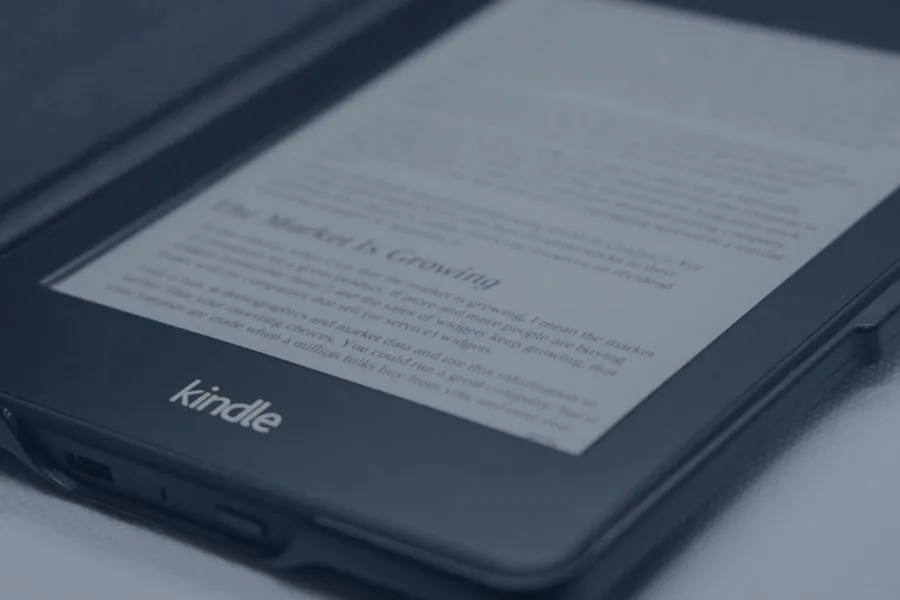
Kindles have a reputation for lasting a long time. Their relatively simple hardware, E-ink displays, and efficient batteries have allowed some models to remain usable for well over a decade.
But physical longevity only goes so far when the services a device depends on disappear. In May 2026, Amazon ended cloud support for a long list of older Kindle and Kindle Fire models. Many of those devices can still turn on and display books already stored locally, but they can no longer buy, borrow, or download new books through Amazon. If an affected Kindle is deregistered or factory-reset, it may also lose the ability to reconnect to an Amazon account for Kindle content.
That raises a bigger question: What happens when perfectly functioning hardware becomes obsolete because its software and cloud support ends? For Kindles that are broken, unsupported, or no longer practical to use, EACR’s kindle recycling services provide a responsible way to retire the device rather than letting it become forgotten electronic waste.
What Changed for Older Kindles in May 2026?
In May 2026, Amazon discontinued cloud functionality for several generations of older Kindle and Kindle Fire devices.
The affected models were not all physically dead. In fact, some had remained functional for more than 15 years. The problem was that access to the Amazon ecosystem changed.
Users could continue reading books already downloaded to registered devices, but core connected functions such as purchasing, borrowing, and downloading new Kindle books were no longer available.
That means the end of support did not instantly destroy the hardware. It reduced what that hardware could realistically do.
| Kindle Model | Released | Support Ended | Age at Support Cutoff | E-Waste Impact |
| Kindle 1st Gen | 2007 | May 2026 | 18.5 years | Working hardware lost cloud functionality, increasing the likelihood of retirement or disposal |
| Kindle 2 | 2009 | May 2026 | 17.3 years | Still usable offline, but loss of downloads and account re-registration can push the device toward e-waste |
| Kindle DX | 2009 | May 2026 | 16.9 years | Functional hardware became much less practical once Amazon cloud support ended |
| Kindle DX Graphite | 2010 | May 2026 | 15.8 years | Support loss reduced practical usefulness despite potentially working hardware |
| Kindle Keyboard | 2010 | May 2026 | 15.8 years | Loss of cloud access can turn an otherwise usable reader into obsolete electronics |
| Kindle 4 | 2011 | May 2026 | 14.6 years | Software and service limitations may cause early retirement of still-working hardware |
| Kindle Touch | 2011 | May 2026 | 14.5 years | Continued offline use is possible, but ecosystem loss increases e-waste risk |
| Kindle Fire | 2011 | May 2026 | 14.5 years | Cloud support loss reduces usefulness and can accelerate device replacement |
| Kindle 5 | 2012 | May 2026 | 13.7 years | Working electronics may be retired because core Amazon services are no longer available |
| Kindle Paperwhite 1st Gen | 2012 | May 2026 | 13.6 years | Hardware may still function while software limitations push the device toward obsolescence |
| Kindle Fire 2 | 2012 | May 2026 | 13.7 years | Loss of cloud support creates a practical end-of-life problem before hardware failure |
| Kindle Fire HD 7 | 2012 | May 2026 | 13.7 years | Service shutdown can shorten the usable life of otherwise functioning electronics |
| Kindle Fire HD 8.9 | 2012 | May 2026 | 13.5 years | Reduced functionality can make replacement more likely, contributing to e-waste |
The age of these devices is worth noting. Some remained in service for nearly two decades, which is impressive for consumer electronics.
The e-waste concern comes from what happens next. Once important cloud functions disappear, owners have fewer reasons to keep using hardware that may otherwise still work.
The Kindles Still Work — Sort Of
Calling these older Kindles completely dead would not be accurate.
Many affected devices still have some useful life left, particularly if they remained registered before cloud support ended and already have books stored locally.
What Older Kindles Can Still Do
Depending on the device and its current state, an older Kindle may still:
- Power on
- Display previously downloaded books
- Function as a basic offline e-reader
- Retain locally stored content
For someone who already has a library downloaded and only wants to read those books, the device may still serve its original purpose.
That is important from a sustainability perspective. A working device does not need to be recycled simply because it is old.
What They Can No Longer Do
The problem appears when owners want to continue using the Kindle as part of Amazon’s connected ecosystem.
Affected devices may no longer be able to:
- Buy new Kindle books directly
- Borrow new books
- Download new Amazon content
- Reconnect normally after deregistration
- Register again after certain factory resets
That last point can be especially important.
A factory reset can turn a limited but usable Kindle into a device that can no longer reconnect to the Amazon ecosystem at all.
The screen may still work. The processor may still work. The battery may still charge. But if the services required to make the device useful are gone, its practical lifespan can end before its physical lifespan does.
A Working Device Can Still Become E-Waste
We usually think electronics become waste because something breaks.
A battery stops charging. A screen cracks. Water damages the circuit board. A processor fails. Years of physical wear finally make the device unusable.
Connected electronics introduce another possibility: the hardware keeps working while the ecosystem around it disappears.
That can happen when:
- Cloud servers are shut down
- Operating systems stop receiving updates
- Apps are discontinued
- Accounts can no longer authenticate
- Online services are removed
- New software stops supporting older hardware
The Kindle situation shows why software support is increasingly part of a product’s real lifespan.
An e-reader can be perfectly capable of displaying text while becoming far less useful because it can no longer connect to the service where its books come from.
That does not mean every affected Kindle immediately becomes electronic waste. Many owners will continue using them offline for years.
But when software or cloud support removes important functionality from working electronics, replacement becomes more likely. In that way, a software decision can help determine when physical hardware eventually enters the e-waste stream.
Kindles Are Part of a Much Bigger Software Obsolescence Problem
Kindles are not the only devices facing this problem.
More and more electronics depend on software, cloud services, app ecosystems, and manufacturer support to stay useful. When that support disappears, hardware that still works can suddenly feel outdated or impractical.
Windows 10 and Hundreds of Millions of PCs
Microsoft’s Windows 10 transition created a similar problem for computers that still physically work but cannot officially upgrade to Windows 11.
The hardware may still be capable of handling everyday tasks, but software requirements have changed. Once regular security support disappears, owners have to decide whether to keep using older systems, find another operating system, or replace the computer entirely.
Our article on Windows 10 support and e-waste looks at how that transition could push otherwise functional PCs toward replacement earlier than their hardware alone would require.
Samsung Tizen Smartwatches Faced the Same Problem
Older Samsung Tizen smartwatches offer another example.
Many of the watches can still power on and perform basic functions, but the ecosystem around them has changed. Apps, downloads, updates, and ongoing platform support have disappeared or become heavily limited.
We explored that issue in our article on smartwatch e-waste and software support, where older wearable hardware remains physically functional while losing much of the software support that made it useful.
Kindles, PCs, and smartwatches are very different products, but all three show how software support can determine when hardware becomes obsolete.
Why the Kindle Example Is Especially Interesting
The Kindle situation stands out because these devices can physically last for a very long time.
Some of the models affected by the May 2026 support cutoff had been in use for more than 15 years. That is a long lifespan for consumer electronics.
E-readers also do not require cutting-edge hardware to perform their main job. Reading an e-book does not demand the latest processor, high-end graphics, or massive amounts of memory. The basic purpose of the device has barely changed: download books, store them, and display text.
That makes the loss of cloud support especially noticeable.
The hardware may still be perfectly capable of displaying books, but the device depends on Amazon’s ecosystem for purchasing, borrowing, downloading, registration, and account access.
A Kindle can have plenty of hardware life left while reaching the end of its ecosystem life.
That is the real contradiction. Device longevity and service longevity are not the same thing.
A product can be physically durable while still becoming obsolete because the services around it no longer exist.
Can Older Kindles Still Be Used?
Yes, in many cases.
The end of cloud support does not mean every affected Kindle should immediately be recycled.
Keep Using It If It Still Works for You
If an older Kindle remains registered, already has books stored on it, and still works properly, continued use may be the best option.
That is especially true when:
- Your books are already downloaded
- The battery still holds a useful charge
- The screen works properly
- Buttons or touch controls still function
- You mainly use the device for offline reading
If the Kindle continues doing what you need, there is little reason to replace it simply because it is old.
Keeping electronics in use longer is one of the simplest ways to delay their entry into the e-waste stream.
Avoid Unnecessary Factory Resets
Owners of affected Kindles should be careful before deregistering or factory-resetting the device.
Once cloud support has ended, an older Kindle may no longer be able to reconnect to the Amazon ecosystem or register again for Kindle content.
That means a reset that would normally be harmless could remove access to functionality the device cannot get back.
Before wiping an older Kindle, understand what services are still available for that specific model.
Recycling Makes Sense When the Device Is Truly Finished
Eventually, an older Kindle may reach a point where continued use is no longer realistic.
Recycling may make sense when:
- The battery no longer holds a charge
- The screen is damaged
- Buttons or touch controls have failed
- The device no longer powers on
- Cloud limitations make it impractical to use
- The Kindle has been replaced and has no realistic reuse path
- Repair is no longer practical
The goal should not be to recycle a working Kindle prematurely. But once the device is truly finished, leaving it unused in a drawer does not extend its useful life either.
What is Inside an Old Kindle?
Kindles are relatively small devices, but they still contain the same kinds of electronic components found in many other portable electronics.
Depending on the model, components may include:
- Rechargeable lithium-ion battery
- Circuit boards
- E-ink or LCD display
- Processor and memory
- Wiring and connectors
- Plastic or metal housing
Those components are why an unwanted Kindle belongs in an electronics recycling stream rather than ordinary trash.
What Software Obsolescence Means for E-Waste
The bigger issue goes well beyond Kindles.
Modern electronics can physically last longer than the software and services supporting them.
A computer may still work when its operating system loses support. A smartwatch may still turn on when its app ecosystem disappears. An e-reader may still display text when the cloud service it depends on is removed.
When that happens across large groups of identical products, many devices can become less useful at roughly the same time.
That can accelerate replacement even when the hardware itself has not failed.
The most sustainable outcome is usually to keep electronics in service for as long as they remain practical and safe to use. Continued use, reuse, resale, or repurposing can all extend a device’s lifespan.
But once those options are no longer realistic, responsible electronics recycling becomes important.
Software decisions can accelerate when electronics enter the waste stream.
That does not mean every unsupported device immediately becomes e-waste. It means software support has become one of the factors that determines how long modern hardware remains useful.
Conclusion: When the Cloud Dies Before the Kindle
Some of the Kindles affected by Amazon’s May 2026 support cutoff survived for 13, 15, or even more than 18 years. That kind of hardware longevity is impressive.
But the Kindle example also shows that modern electronics depend on more than physical durability. When cloud services, software updates, account support, and online functionality disappear, the practical life of a device can end before the hardware itself fails. The same pattern can be seen with older Windows PCs and Samsung smartwatches.
When an older Kindle is broken, unsupported, or no longer practical to use, EACR’s kindle recycling services provide a responsible way to retire the device and handle its battery, electronics, and other components through the appropriate recycling process.