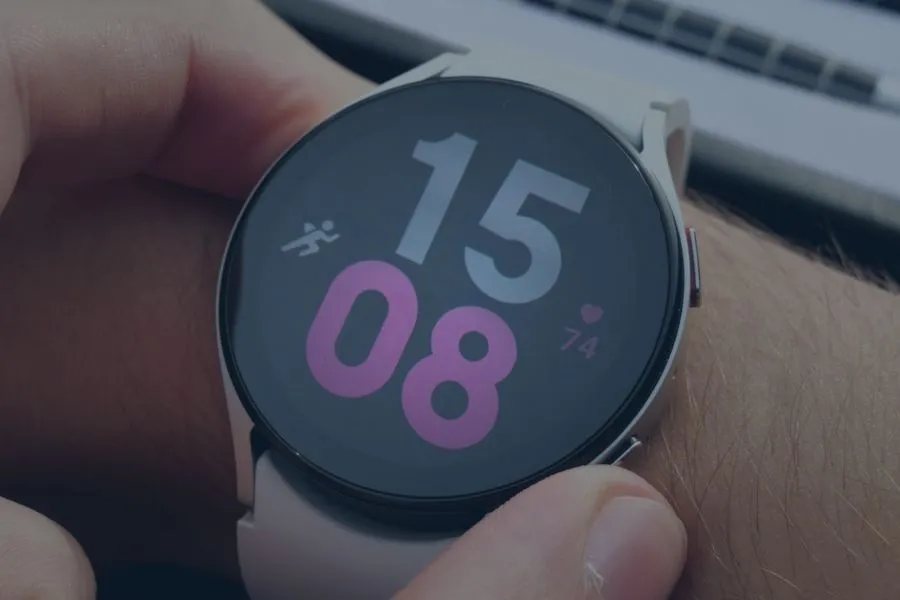
A smartwatch can become obsolete long before the hardware actually stops working.
The screen may still turn on. The battery may still hold a charge. The sensors, processor, and other electronics may still function. But once software support ends, apps disappear, compatibility changes, and updates stop, an otherwise usable device can quickly become difficult to use. Samsung’s older Tizen-powered smartwatches are a good example of how that happens.
Keeping electronics in use for as long as they remain practical is usually the more sustainable option. But when a smartwatch is damaged, unsupported, or no longer useful, responsible recycling gives the device a better end-of-life path. EACR provides smartwatch recycling services for individuals, businesses, and organizations looking to responsibly retire unwanted wearable electronics.
What Happened to Samsung’s Tizen Smartwatches?
Samsung built its smartwatch ecosystem around the Tizen operating system for years.
Devices such as the Samsung Gear series, original Galaxy Watch, Galaxy Watch 3, Galaxy Watch Active, and Galaxy Watch Active 2 all relied on Tizen. Samsung eventually moved its newer smartwatch lineup to Google’s Wear OS, beginning with the Galaxy Watch 4 generation.
That left the older Tizen ecosystem with an expiration date.
Samsung gradually restricted access to Tizen content before ending support for the platform. The result is unusual because many of the affected watches are not physically dead. Their hardware may still work, but the software ecosystem around them has effectively stopped moving forward.
The Hardware Still Works, but the Platform Does Not
An older Tizen watch may still be able to:
- Power on
- Display the time
- Run previously installed features
- Perform some basic functions
What it no longer has is a meaningful upgrade path.
Affected devices may lose access to:
- New apps
- New watch faces
- Software updates
- New downloadable content
- Ongoing platform support
According to How-To Geek, many older Samsung Tizen watches can still boot and tell time, but the loss of new apps, updates, and downloadable content leaves otherwise functional hardware increasingly stranded.
That is an important distinction. The watch did not necessarily become e-waste because the electronics failed. It became much less useful because the software ecosystem surrounding it disappeared.
How Software Obsolescence Creates E-Waste
We usually think of electronics becoming obsolete because something physically breaks.
Common examples include:
- Dead batteries
- Cracked screens
- Water damage
- Failed processors
- Broken charging ports
- Worn internal components
But modern electronics can also become obsolete because their software support ends.
Modern Devices Depend on Ongoing Support
A smartwatch is not just a tiny computer strapped to your wrist. Its usefulness depends on an entire ecosystem continuing to work around it.
That may include:
- Operating-system updates
- Smartphone companion apps
- App stores
- Cloud services
- Bluetooth compatibility
- Security updates
- Manufacturer support
When one or more of those systems disappears, the hardware may still technically work while becoming less practical to use.
The same issue can affect smartphones, tablets, smart-home equipment, fitness trackers, and other connected electronics. Hardware longevity is only part of the device’s actual lifespan. Software support matters too.
Unsupported Devices Often End Up Sitting Unused
The path from useful gadget to electronic waste is often pretty ordinary.
A watch stops receiving updates. Certain apps stop working. The owner buys a newer model. The old device gets placed in a drawer.
A year later, the charger is missing. The battery has degraded from sitting unused. Compatibility has moved even further ahead. Eventually, the device gets tossed during a cleanout or remains forgotten for years.
That is how a software decision can eventually create a physical waste problem.
This problem is not limited to smartwatches. Software requirements can shorten the useful life of much larger devices too. Our guide on Windows 10 support and e-waste looks at how Microsoft’s operating-system transition could affect hundreds of millions of otherwise functional PCs.
Can Older Smartwatches Be Given a Second Life?
An unsupported smartwatch does not automatically need to be recycled.
If the device still does what its owner needs, continuing to use it is often the simplest option.
Continued Use and Reuse
An older smartwatch may still work for:
- Basic timekeeping
- Offline fitness features
- Previously installed applications
- Alarms and timers
- Limited secondary use
If those features are enough, there is no reason to retire the device simply because something newer exists.
Keeping functional electronics in service longer reduces the need to replace devices unnecessarily and delays the point when those electronics enter the waste stream.
Open-Source Developers Are Trying to Extend Their Lifespan
The open-source community is also working to give some abandoned smartwatches a longer life.
Projects such as AsteroidOS are developing alternative software that can run on certain older smartwatch models. The basic idea is straightforward: if the manufacturer no longer supports the software, community developers may be able to build another operating system that keeps the hardware useful.
Samsung’s Tizen-powered watches are particularly difficult to support because their hardware and software architecture is different from many Android-based watches that open-source developers have previously worked with.
Progress is being made, but this is not a simple solution for the average smartwatch owner.
Installing alternative operating systems can require technical knowledge, and not every abandoned model will ever receive reliable community support.
The bigger sustainability lesson is more important than the technical details:
Keeping usable electronics in service longer is one way to reduce e-waste.
But when continued use is no longer realistic, those devices still need a responsible way out of service.
When an Old Smartwatch Should Be Recycled
There is no reason to recycle a working watch simply because it is old.
Recycling becomes more practical when:
- Software support has ended.
- The watch no longer connects reliably to current phones.
- Important apps or features no longer work.
- The battery barely holds a charge.
- The display is damaged.
- Sensors have failed.
- Repair costs are impractical.
- The watch has been sitting unused for years.
- There is no realistic reuse or resale option.
At that point, leaving the watch in a drawer does not solve much. It simply delays the disposal decision.
What Is Inside an Old Smartwatch?
Smartwatches are small, but they pack a surprising amount of electronic hardware into a compact device.
Components may include:
- Rechargeable lithium-ion battery
- Circuit boards
- Display
- Processor and memory
- Fitness and motion sensors
- Small vibration motors
- Metal casing
- Wiring and connectors
- Plastic components
- Charging hardware
That combination makes an old smartwatch electronic waste rather than ordinary household trash.
The rechargeable battery is particularly important. Batteries should be handled through appropriate recycling channels rather than discarded with general waste.
Prepare the Watch Before Recycling
Before recycling a smartwatch, take a few basic steps to protect your information.
When possible:
- Unpair the watch from your phone.
- Remove connected accounts.
- Perform a factory reset.
- Remove any removable storage.
- Remove personal accessories you want to keep.
- Include the charger separately if you also want it recycled.
Reset instructions vary between manufacturers, so follow the process recommended for your specific device.
Why Smartwatch Recycling Supports Sustainability
One abandoned smartwatch does not look like a major waste problem.
Millions of small electronics are different.
Wearable technology has become common, and every device eventually reaches the end of its useful life. Frequent upgrades, software shutdowns, aging batteries, changing smartphone compatibility, and hardware failures all contribute to a growing stream of unwanted wearable electronics.
Responsible recycling helps provide a better path for those devices.
Smartwatch recycling can help:
- Keep unwanted electronics out of ordinary trash.
- Separate rechargeable batteries from other components.
- Route circuit boards and electronics into appropriate processing streams.
- Separate metals and other material fractions.
- Recover usable materials where appropriate.
That is especially important for EACR because sustainability is not only about what happens when a product is purchased. It also includes what happens when that product is no longer usable.
EACR’s smartwatch recycling services are part of a broader commitment to responsible electronics management and sustainability. Instead of allowing unwanted wearable devices to remain forgotten or enter ordinary waste streams, electronics can be directed through an organized recycling process.
Individuals and organizations can also recycle smartwatches alongside related electronics such as:
- Fitness trackers
- Smartphones
- Tablets
- Wireless earbuds
- Chargers
- Small consumer electronics
Whether you have one outdated watch or a larger collection of retired devices, EACR’s smartwatch recycling services provide a responsible option for keeping unwanted wearable technology out of the regular waste stream.
Conclusion — When the Software Dies Before the Hardware
Samsung’s older Tizen smartwatches show that electronics do not always become obsolete because the hardware fails. A device can still power on, hold a charge, and perform basic functions while losing much of its practical usefulness because the software ecosystem around it has disappeared.
Continued use and reuse should come first when they remain realistic. But when a smartwatch is genuinely obsolete, damaged, unsupported, or no longer useful, recycling gives that device a responsible path out of service. Through its commitment to sustainability, EACR helps individuals and organizations recycle unwanted smartwatches and other electronics while keeping them out of ordinary waste streams and directing their components toward appropriate recycling and material recovery processes.