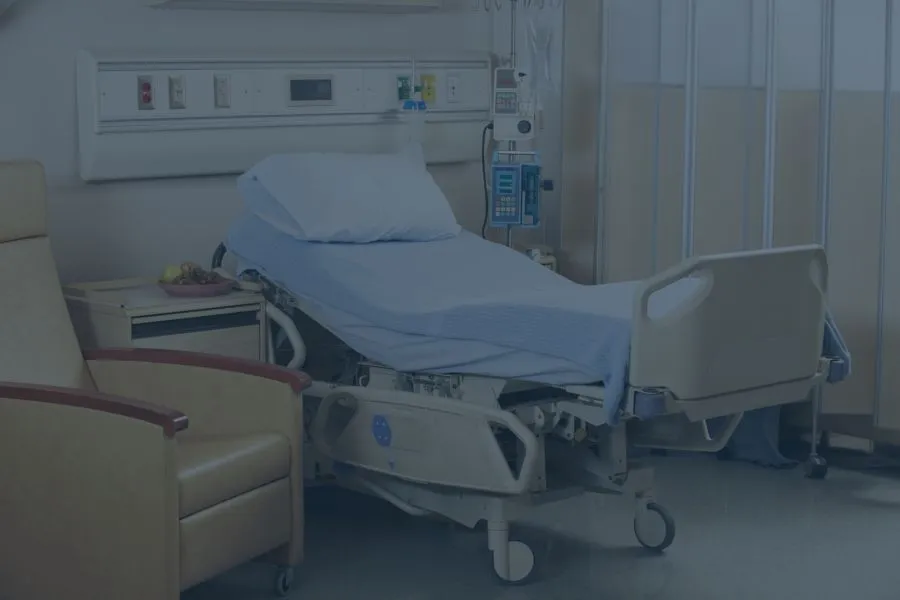
Hospital bed recycling involves retiring the physical bed itself, including manual, adjustable, and powered medical beds used in hospitals, nursing homes, rehabilitation centers, and other healthcare facilities.
Modern hospital beds can contain much more than a steel frame. Depending on the model, they may include electric motors, linear actuators, hand controls, circuit boards, batteries, power supplies, sensors, wiring, plastics, and large amounts of metal. Beds may be retired because of age, mechanical failure, electrical problems, facility renovations, equipment upgrades, or larger system-wide replacement projects.
A hospital bed that is no longer suitable for patient use should not automatically be treated as ordinary bulk waste. Organizations replacing powered medical equipment can work with an electronics recycling company like EACR to responsibly manage retired hospital beds and their electronic components.
Can Hospital Beds Be Recycled?
Yes, many hospital beds can be recycled.
The recycling process depends largely on how the bed is built. Manual hospital beds are usually made up of steel, aluminum, mechanical adjustment systems, wheels, plastics, and other structural components. Powered hospital beds add another layer of electronics that may need to be separated and processed differently.
Electric models can contain motors, wiring, batteries, switches, circuit boards, control systems, sensors, and power supplies in addition to the bed’s structural metal.
Manual Hospital Beds
Manual hospital beds rely primarily on mechanical systems instead of electric motors.
Common components may include:
- Steel bed frames
- Aluminum parts
- Mechanical adjustment systems
- Wheels and casters
- Side rails
- Plastic panels
- Mattress platforms
- Fasteners and support hardware
Because these beds are largely mechanical, much of the recycling process centers on separating metal, plastics, and other material types.
Electric Hospital Beds
Electric hospital beds are more complex because they combine structural materials with powered components.
Depending on the model, an electric hospital bed may contain:
- Electric motors
- Linear actuators
- Control boards
- Patient hand controls
- Nurse control panels
- Power supplies
- Wiring harnesses
- Backup batteries
- Position sensors
- Electronic displays
- Power cords and connectors
These electronics are one reason powered hospital beds should be handled differently from ordinary furniture or general scrap.
What’s Inside an Electric Hospital Bed?
Electric hospital beds are designed to move, adjust, and support patients with minimal manual effort. That functionality requires a combination of electrical, electronic, and mechanical systems.
Electric Motors and Actuators
Powered hospital beds commonly use electric motors or linear actuators to control movement.
These systems may raise or lower the entire bed, adjust the head or foot sections, tilt the bed, or change the patient’s position.
Motor and actuator assemblies can contain:
- Copper wiring
- Steel and aluminum
- Electric motors
- Internal gearing
- Connectors
- Electrical components
When a bed is retired, these assemblies can be separated from the frame and routed into appropriate recycling streams.
Control Panels and Hand Controls
Many powered beds include electronic controls that allow patients or staff to change the bed’s position.
Depending on the model, these may include:
- Patient hand controls
- Nurse control panels
- Bed-position buttons
- Electronic switches
- Lockout controls
- Status displays
More advanced hospital beds may include larger electronic control panels or integrated systems that monitor certain bed functions.
These components contain wiring, switches, circuit boards, and other electronics that should be treated separately from the steel frame.
Circuit Boards and Internal Electronics
The movement and control systems in an electric hospital bed are often managed by internal electronic components.
These may include:
- Printed circuit boards
- Relays
- Controllers
- Sensors
- Connectors
- Wiring harnesses
- Internal switches
Circuit boards and related electronics are typically separated during processing rather than being treated as ordinary metal scrap.
Power Supply and Battery Backup
Electric hospital beds require a source of power.
Most are connected to standard AC power, while some models may also use rechargeable backup batteries that allow certain functions to operate when the bed is unplugged or during a power interruption.
Components may include:
- AC power supplies
- Internal battery packs
- Battery chargers
- Transformers
- Power cords
- Connectors
If a bed contains a backup battery, that battery should be identified and routed through the appropriate battery recycling process rather than remaining mixed with the structural materials.
Steel Frame and Structural Components
Even after the electronics are removed, a hospital bed can contain a substantial amount of recyclable metal.
Structural components may include:
- Steel frame sections
- Side rails
- Lift mechanisms
- Mattress supports
- Metal brackets
- Fasteners
- Casters
- Aluminum components
Because hospital beds are large pieces of equipment, the amount of recoverable metal can be significant compared with smaller electronic devices.
How to Recycle an Old Hospital Bed
Recycling a hospital bed usually starts with basic preparation and coordination.
Healthcare facilities should avoid unnecessary dismantling unless they already have procedures in place for handling powered medical equipment.
1. Remove Patient Materials
Before the bed is prepared for recycling, remove any items that are not part of the equipment itself.
This may include:
- Linens
- Pillows
- Disposable medical supplies
- Personal items
- Detachable accessories
- Removable patient-care materials
The mattress should also be separated from the bed frame.
A hospital mattress is a different material stream from the powered frame, motors, electronics, and structural components and may require separate handling.
2. Disconnect the Bed From Power
Electric beds should be powered down and unplugged before they are moved.
Basic preparation may include:
- Disconnecting the power cord
- Securing the cord to prevent dragging
- Making sure controls cannot be accidentally activated
- Following the facility’s normal equipment-removal procedures
There is usually no reason for staff to dismantle motors, controls, or internal electronics before recycling unless the facility already has a specific process for doing so.
3. Identify Batteries and Electronic Components
Facilities should identify whether the bed contains powered or electronic systems.
Look for components such as
- Backup batteries
- Control panels
- Electric motors
- Linear actuators
- Power supplies
- Displays
- Electronic accessories
- Integrated sensors
For larger replacement projects, it can help to record the number and type of beds being removed so the recycling process can be planned appropriately.
4. Keep the Bed Intact When Possible
In many cases, keeping the bed largely intact makes recycling easier.
Randomly dismantling powered hospital beds can create unnecessary handling issues and make it harder to identify components later.
Keeping the equipment intact can simplify:
- Equipment identification
- Loading
- Transportation
- Inventory
- Electronic component separation
- Downstream processing
The recycling provider can then separate the structural, electrical, and electronic components as part of the processing workflow.
5. Arrange the Appropriate Recycling Method
The right recycling method depends on the number of beds being retired and the size of the overall project.
Options may include:
- Scheduled equipment pickup
- Hospital or facility cleanout
- Equipment replacement project
- Multi-location recycling program
- Healthcare system equipment refresh
- Larger medical equipment removal project
A single retired bed may require only a straightforward pickup, while dozens or hundreds of beds from a hospital renovation or system-wide upgrade may require more planning around staging, loading access, timing, and transportation.
What Happens After a Hospital Bed Is Recycled?
Once a hospital bed enters the recycling process, the goal is to separate its different material and electronic components so they can be handled appropriately.
Powered beds generally require more processing than manual models because the structural frame is combined with motors, controls, batteries, wiring, and other electronics.
Intake and Equipment Sorting
The process starts with identifying the equipment being received.
Hospital beds may be sorted based on factors such as
- Manual or powered operation
- Size and construction
- Electronic components
- Battery systems
- Attached accessories
- Overall condition
This initial sorting helps determine how the bed should be dismantled and which components need separate handling.
Electronic Component Separation
Powered hospital beds can contain several electronic assemblies that should be separated from the structural frame.
These may include:
- Electric motors
- Linear actuators
- Control panels
- Wiring
- Backup batteries
- Circuit boards
- Power supplies
- Sensors and switches
Separating these components allows them to enter the appropriate electronics or battery recycling streams instead of remaining mixed with bulk metal.
Metal Recovery
The frame of a hospital bed can contain significant amounts of steel, along with aluminum and other metals depending on the design.
Metal components may include:
- Bed frames
- Side rails
- Supports
- Lift mechanisms
- Brackets
- Fasteners
- Casters
Once separated from electronics and other materials, these metals can be routed into appropriate metal recycling processes.
Electronics Processing
Circuit boards, motors, wiring, control systems, and power components are processed separately from the structural frame.
These assemblies contain combinations of metals, plastics, wiring, and electronic components that require a different recycling process than ordinary steel or aluminum.
Powered hospital beds are therefore better viewed as a combination of medical equipment, electronics, and structural material rather than simply bulky furniture.
Plastic and Other Materials
Hospital beds can also contain plastic panels, control housings, covers, wheels, and other nonmetal components.
Where practical, these materials can be separated from the electronics and metal portions of the bed during processing.
Not every component will follow the same recycling path, which is why separating the equipment into material categories is an important part of the process.
Conclusion
Hospital beds are more than large pieces of furniture. Powered medical beds can contain motors, linear actuators, batteries, wiring, circuit boards, control systems, power supplies, sensors, and significant amounts of steel and other metals.
Healthcare facilities should continue using or reusing beds when they remain safe, functional, and practical. When equipment becomes damaged, obsolete, unsupported, or no longer suitable for patient care, recycling provides a responsible way to retire it. Hospitals, healthcare systems, nursing facilities, and other organizations replacing powered medical equipment can work with an electronics recycling company like EACR to coordinate hospital bed recycling, equipment pickups, and larger healthcare equipment removal projects.