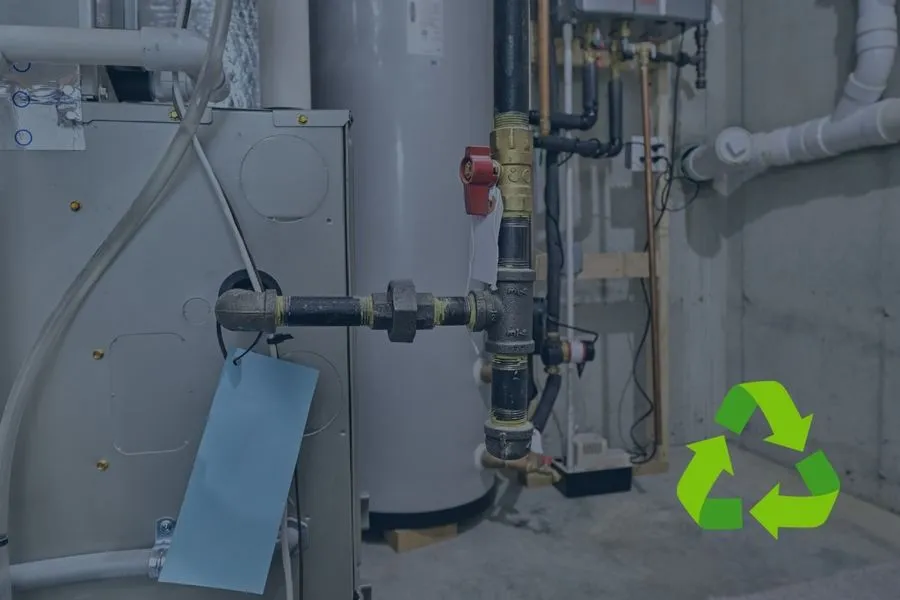
Furnace recycling gives homeowners, contractors, property managers, and businesses a responsible way to manage an old heating system once it has been removed or replaced. With millions of HVAC systems being replaced every year, that adds up to a significant amount of equipment that needs somewhere to go.
According to Market Data Forecast, citing U.S. Energy Information Administration estimates, more than 5 million residential furnaces reach the end of their useful life each year across North America.
Old furnaces contain large amounts of steel and other metals, along with motors, copper wiring, electrical controls, circuit boards, and other components that can enter appropriate recycling streams. Recycling these systems keeps usable materials in circulation and provides a better option than treating an entire furnace as ordinary waste.
If you are replacing furnaces at a home, commercial property, apartment complex, or facility, an electronics recycling company such as EACR Inc. can help determine the right recycling option for the equipment. EACR handles commercial HVAC equipment including furnaces and boilers, along with motors, controls, wiring, and other components commonly removed during HVAC projects.
Can You Recycle an Old Furnace?
Quick answer: Yes, furnaces can be recycled.
Most furnaces contain substantial amounts of recyclable metal as well as motors, wiring, electrical components, and controls. The best way to recycle one depends on how many units you have, the size of the equipment, and whether you are managing a single replacement or a larger project.
There are three common options:
- Drop off: Bring the furnace to an appropriate recycling location that accepts HVAC equipment.
- Scheduled pickup: Arrange for the equipment to be collected when recycling multiple furnaces, commercial units, or equipment from a larger renovation or replacement project.
- E waste container: For larger cleanouts and ongoing projects, an e waste container may provide a central place for approved furnaces, appliances, electronics, motors, wiring, and other equipment.
Always confirm what a recycling facility or container program accepts before transporting or loading a furnace. Equipment requirements can differ depending on the size, type, condition, and other materials included with the project.
What is a Furnace Made Of?
A furnace may look like one large metal box, but inside it are several different mechanical and electrical components. The exact materials depend on the furnace type, manufacturer, age, and design, but most systems contain a combination of metals, motors, wiring, controls, and electronics.
Steel and Metal Housing
A large portion of a furnace is metal. The outer cabinet, frame, access panels, brackets, supports, and many internal structural components are commonly made from steel.
This is one reason an old furnace should not automatically be treated as trash. Once the system reaches a recycling facility, metal components can be separated from other parts and directed into the appropriate recycling streams.
Heat Exchanger and Heating Components
The heat exchanger is one of the largest internal components of many gas furnaces. Depending on the furnace, it may be made from steel, stainless steel, or other metal alloys designed to withstand repeated heating and cooling.
Gas furnaces may also contain metal burners, combustion chamber components, brackets, fittings, and related hardware. Exact materials vary between furnace designs and manufacturers, so not every furnace will contain the same combination of metals.
Blower Motor and Fan Assembly
The blower assembly moves heated air from the furnace through the building’s ductwork. It typically includes a motor, fan or blower wheel, metal housing, wiring, electrical connections, and other components.
Motors can contain copper wiring along with steel and other metals, making the blower assembly another important part of the furnace recycling process.
Control Boards, Wiring, and Electronics
Modern furnaces rely on electronics to control ignition, airflow, temperature, safety functions, and communication with other parts of the HVAC system.
Common components can include:
- Circuit boards
- Sensors
- Relays
- Copper wiring
- Transformers
- Ignition controls
- Thermostat related electronics
These components are another reason furnace recycling can involve more than simply recovering the steel cabinet. An old furnace may contain a combination of traditional scrap metal and electronic equipment that needs to be separated and processed appropriately.
Can You Throw an Old Furnace Away?
No, you generally should not simply throw an old furnace in the trash.
Furnaces are large pieces of equipment that contain substantial amounts of metal, electrical components, motors, wiring, and other materials that can often be recycled. Depending on where you live or operate, local waste rules may also restrict how large HVAC equipment can be discarded.
Furnaces Contain Recyclable Materials
Throwing away an entire furnace means discarding materials that can potentially be recovered.
Steel makes up a significant portion of many furnace systems, while motors and electrical components may contain copper and other metals. Wiring, circuit boards, transformers, controls, and additional components can also be separated during the recycling process.
Instead of sending the complete unit into the general waste stream, furnace recycling allows those different materials to be sorted and directed appropriately.
Furnaces Are Large Equipment
A furnace is not a typical household trash item.
Even smaller residential systems can be bulky and difficult to transport, while commercial furnaces may be substantially larger. Normal residential garbage services may not accept them, and commercial properties may have additional requirements for disposing of large mechanical equipment.
Before moving an old furnace, check the requirements of the recycling company, facility, municipality, or waste program you plan to use.
Some HVAC Systems Need Additional Consideration
It is important to distinguish a furnace from the rest of an HVAC system.
A conventional furnace generally does not use refrigerant to produce heat. However, furnaces are frequently removed during complete HVAC replacements that also involve air conditioners, heat pumps, evaporator coils, condensers, or other refrigerant containing equipment.
Those components require additional attention. The U.S. Environmental Protection Agency requires refrigerant to be properly recovered from covered refrigeration and air conditioning equipment before disposal.
If a furnace is being removed as part of a larger HVAC replacement, identify all of the equipment involved before deciding how the project should be recycled. Replacing more than just the furnace? Read our complete air conditioner recycling guide to learn how old AC units should be prepared, handled, and recycled.
Furnace Recycling Options
There is no single recycling method that makes sense for every furnace. Someone replacing one residential unit has very different logistics from an HVAC contractor replacing dozens of systems or a property manager upgrading equipment across several buildings.
The three most practical options are drop off recycling, scheduled pickup, and recycling containers for larger projects.
Drop Off Furnace Recycling
Dropping off an old furnace can make sense when you are dealing with a single unit or a relatively small project.
This option may work well for individual property owners, HVAC contractors who are already transporting removed equipment, or smaller replacement projects where the furnace can be safely moved to an appropriate recycling location.
Before making the trip, contact the facility and confirm that it accepts furnaces. Not every electronics recycling facility or metal recycling location accepts complete HVAC systems, and requirements can vary depending on the equipment.
You should be prepared to provide basic information such as the type of furnace, approximate size, quantity, and whether any additional HVAC equipment is being recycled at the same time.
Scheduled Furnace Recycling Pickup
Scheduled pickup is often the more practical option when several furnaces or larger commercial HVAC systems need to be recycled.
Pickup can make sense for:
- HVAC contractors
- Apartment complexes
- Property management companies
- Schools
- Commercial buildings
- Warehouses
- Facility renovations
- Large equipment replacement projects
Instead of transporting each furnace individually, the equipment can be collected as part of a coordinated recycling project. This can be especially useful when several units are being replaced at once or when old equipment is accumulating at a commercial property.
EACR Inc. provides pickup solutions for commercial recycling projects and accepts commercial HVAC equipment including furnaces and boilers. If you are planning a larger HVAC replacement, providing the number of units, equipment type, project location, and expected removal schedule can help determine the appropriate collection option.
E Waste Containers for Larger Projects
An e waste container can make sense when furnace recycling is part of a larger renovation, property upgrade, facility cleanout, or recurring equipment replacement program.
For example, a property management company updating several buildings may accumulate furnaces, motors, wiring, thermostats, control boards, appliances, and miscellaneous electronics throughout the project. Instead of arranging a separate recycling trip every time equipment is removed, a container can provide one centralized collection point for approved materials.
This can also work well for contractors and facilities that regularly generate recyclable electronics and equipment rather than dealing with one isolated furnace replacement.
Always confirm which items can be placed in the container before loading it. Acceptance can depend on the type of equipment and the recycling program being used, particularly when a project includes a mixture of HVAC systems, appliances, electronics, and other materials.
How to Recycle a Furnace Step by Step
Recycling a furnace does not need to be complicated. The main goal is to remove the equipment safely, identify what is being replaced, and choose a recycling option that fits the size of the project.
Step 1: Disconnect and Remove the Furnace
Before a furnace can be recycled, it needs to be properly disconnected from the building and the rest of the HVAC system.
That may include electricity, gas or another fuel source, ductwork, venting, and connected equipment. Furnace removal should be handled by someone familiar with HVAC systems rather than treated as a basic do it yourself project.
Once the furnace has been removed, keep it in a stable location where it can be safely prepared for transportation or pickup.
Step 2: Identify the Equipment Being Removed
Determine exactly what is being replaced.
Some projects involve only the furnace, while complete HVAC replacements may also include:
- Air conditioning units
- Evaporator coils
- Heat pumps
- Condensers
- Thermostats
- Motors
- Control equipment
This matters because different pieces of HVAC equipment can have different recycling and handling requirements.
For example, a furnace and an air conditioning unit should not automatically be treated as the same type of equipment. Knowing what is included in the project makes it easier to choose the correct recycling route from the beginning.
Step 3: Keep the Furnace Intact
In most situations, there is no reason to completely dismantle a furnace before recycling it.
Removing random parts can create extra work, make transportation more difficult, and leave you with several separate material streams that still need somewhere to go.
Keeping the furnace reasonably intact also makes it easier for the recycling company to identify the equipment and separate the metal, motors, wiring, electronics, and other components during processing.
If you have already removed certain controls, motors, thermostats, or electrical components as part of the replacement, keep those materials organized with the rest of the equipment.
Step 4: Choose Your Recycling Method
Next, decide how the furnace will get to the recycling company.
For a single furnace, a drop off location may be the simplest option if you have appropriate transportation and the facility accepts HVAC equipment.
For several furnaces or larger commercial units, scheduled pickup may be easier than transporting each piece individually.
For ongoing renovations, facility cleanouts, or replacement projects generating furnaces alongside electronics, motors, wiring, appliances, and other equipment, an e waste container may provide a more practical collection option.
The right method depends mainly on the quantity of equipment and the scale of the project.
Step 5: Confirm Acceptance
Always confirm acceptance before moving or loading the equipment.
Contact the recycling company and provide basic information about the project, including:
- Number of furnaces
- Residential or commercial equipment
- Approximate size of the units
- Other HVAC equipment being removed
- Project location
- Whether pickup, loading assistance, or a container is needed
This prevents surprises and gives the recycling company enough information to recommend the appropriate option.
It is especially important when a project includes several different types of HVAC equipment rather than furnaces alone.
Step 6: Schedule Recycling
Once you know what equipment you have and how it will be collected, schedule the drop off, pickup, or container service.
Smaller projects may only require one trip. Larger commercial replacements may require coordinated pickup or an ongoing container program while equipment is being removed.
EACR Inc. works with businesses and organizations that need recycling solutions for furnaces and other commercial HVAC equipment. Providing the project location, quantity, equipment type, and expected timeline can help determine the most practical way to move the material into the recycling process.
Frequently Asked Questions About Furnace Recycling
Can furnaces be recycled?
Yes. Furnaces contain large amounts of metal along with motors, wiring, electrical controls, and other components that can be separated for recycling.
Steel makes up a large portion of many furnaces, while additional components may contain copper and other recyclable materials.
What parts of a furnace can be recycled?
Several furnace components may be recyclable, including:
- Steel cabinets and panels
- Blower motors
- Copper wiring
- Electrical components
- Control boards
- Transformers
- Metal brackets and internal components
The exact materials depend on the type, age, and design of the furnace.
Can you put a furnace in a dumpster?
A normal garbage dumpster is generally not the best place for an old furnace.
Furnaces contain a large amount of recyclable metal and electrical equipment, and local waste rules may also affect how large HVAC systems can be discarded.
Recycling should be considered first, and acceptance requirements should be confirmed before placing a furnace into any dumpster or container.
Do old furnaces contain refrigerant?
A conventional furnace generally does not contain refrigerant itself.
However, furnaces are often replaced at the same time as air conditioners, heat pumps, evaporator coils, condensers, and other equipment that may contain refrigerant.
If a complete HVAC system is being removed, identify each piece of equipment rather than assuming everything can be handled the same way.
Can HVAC contractors recycle multiple furnaces at once?
Yes. Contractors replacing several furnaces can often arrange scheduled recycling pickups or use a container program for larger projects.
This can be much more practical than transporting individual units after every replacement, particularly when work is being completed across multiple properties or buildings.
Can businesses schedule furnace recycling pickup?
Yes. Scheduled pickup can be a good option for commercial properties, HVAC contractors, facility managers, property management companies, schools, warehouses, and other organizations replacing several HVAC systems.
Pickup can also help simplify larger renovation and equipment replacement projects where multiple types of recyclable equipment are being removed at the same time.
Does EACR Inc. recycle furnaces?
Yes. EACR Inc. accepts commercial furnaces and boilers through its commercial HVAC recycling services.
Businesses can also contact EACR Inc. about other equipment being removed as part of the same project, including appliances, motors, wiring, electronics, and related HVAC components.
Conclusion
Furnaces contain significant amounts of metal, electrical equipment, motors, wiring, and other materials that can be recycled instead of simply being discarded. Once the equipment has been properly removed, the main decision is whether drop off, scheduled pickup, or a recycling container makes the most sense for the project.
If you have old furnaces or other HVAC equipment ready for recycling, contact EACR Inc. As an electronics recycling company, EACR works with businesses and organizations that need practical recycling solutions for commercial HVAC systems, appliances, electronics, motors, wiring, and related equipment.