Computers, monitors, printers, and other electronic devices often come with several cables for power, charging, displays, and networking. Over time, it’s easy to accumulate drawers full of outdated USB cables, HDMI cords, Ethernet cables, and connectors you no longer use.
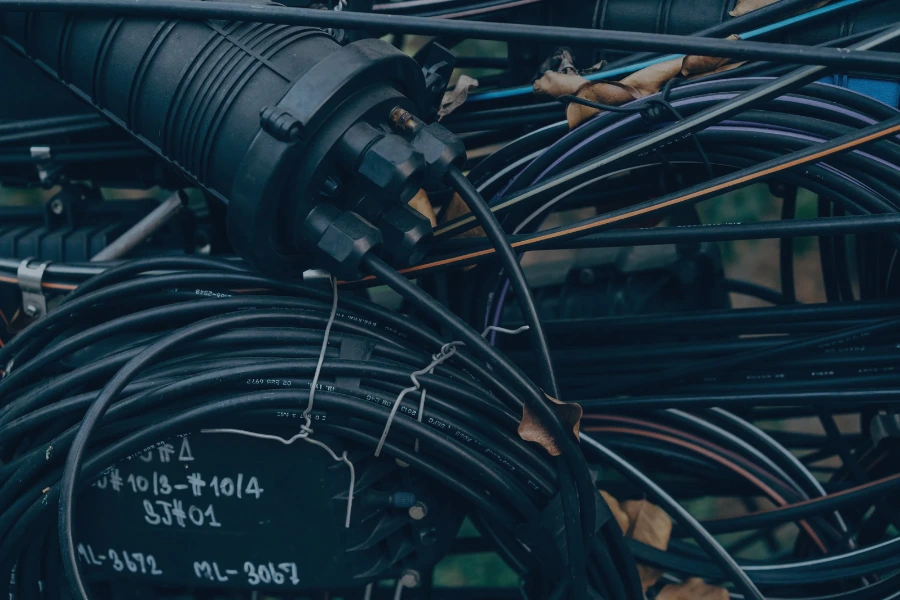
Fortunately, many computer cables contain recyclable materials, including copper wiring, metal connectors, and plastic insulation. Even damaged or outdated cables may contain materials that can be recovered through proper recycling.
EACR Inc. is an electronics recycling company helping businesses, organizations, and individuals recycle qualifying electronics and accessories. This guide covers which computer cables can be recycled, what they’re made of, and how to prepare them for recycling.
Can Computer Cables Be Recycled?
Yes. Most computer cables can be recycled through appropriate electronics recycling programs because they contain metals and other materials that can be separated and recovered.
Common recyclable materials include:
- Copper: Found in internal wiring and electrical connections.
- Aluminum: Used in certain conductors and shielding components.
- Metal Connectors: Found in USB, HDMI, Ethernet, and other cable ends.
- Plastic Insulation: Protects internal wiring and may be processed separately, depending on the facility.
Even broken or outdated cables may still contain recoverable metals.
However, computer cables generally shouldn’t go in regular curbside recycling bins. Loose cords and wires can become tangled in sorting equipment, creating problems for recycling facilities.
Instead, look for an electronics recycling facility or specialized collection program that accepts cables and wiring.
What Types of Computer Cables Can Be Recycled?
Computer cables come in many shapes and sizes, from modern USB-C connections to older VGA and serial cables. Most contain some combination of metal wiring, insulation, shielding, and connectors.
USB and USB-C Cables
USB cables are among the most common computer accessories. They’re used to connect keyboards, mice, printers, external storage devices, smartphones, and other electronics.
Common types include:
- USB-A
- USB-B
- USB-C
- Micro-USB
- Mini-USB
These cables typically contain copper conductors, plastic insulation, and metal connectors.
Whether you’re replacing older charging cables or upgrading to USB-C devices, outdated USB cables can often be recycled through electronics collection programs.
HDMI, DisplayPort, VGA, and DVI Cables
Display cables connect computers to monitors, projectors, televisions, and other screens.
Common types include HDMI, DisplayPort, VGA, and DVI.
Although HDMI and DisplayPort are widely used today, older VGA and DVI cables frequently accumulate during office equipment upgrades.
These cables contain internal wiring, metal connectors, shielding, and protective plastic coverings that may be separated during recycling.
Ethernet and Network Cables
Ethernet cables connect computers, routers, switches, and other networking devices.
Common types include Cat5e, Cat6, and Cat6a cables, many of which contain twisted pairs of copper wiring surrounded by insulation.
Businesses often accumulate large quantities of unused Ethernet cables when replacing servers, updating office networks, or recycling outdated network equipment.
Internal Computer Cables
Desktop computers contain several cables connecting their internal components.
Examples include SATA data cables, power supply cables, and connections for storage drives, cooling fans, and other hardware.
These cables can often be collected alongside computers and related equipment during electronics recycling projects.
Older and Specialty Computer Cables
Older computers may use connections that are no longer common, including serial, parallel, PS/2, and FireWire cables.
Modern specialty cables, including Thunderbolt connections, may also become outdated as equipment changes.
Even if these cables are no longer compatible with current devices, they can still contain recyclable wiring and connectors.
Computer Power Cables and Adapters
Computer power cords and charging adapters are slightly different from standard data and display cables.
Power cords primarily deliver electricity, while charging adapters contain additional electronic components that regulate power.
Both may be recyclable, although their processing requirements differ. This applies to computer power cords and laptop chargers that are no longer needed.
What Are Computer Cables Made Of?
Computer cables contain several materials that help transmit electricity or data while protecting their internal components.
The exact composition depends on the cable’s design and purpose.
Copper and Other Conductive Metals
Copper is commonly used inside computer cables because it conducts electricity efficiently.
It can be found in USB cables, Ethernet wiring, display connections, and other electronic accessories. Some cables also contain aluminum or alternative conductive materials.
Plastic and Rubber Insulation
Most cables have an outer protective covering made from materials such as PVC, polyethylene, or other insulating plastics.
These materials protect the internal wiring and help prevent electrical contact. Plastic insulation may require separate processing and isn’t always recovered.
Metal Connectors and Contacts
Cable connectors may contain copper alloys, steel, nickel plating, and small amounts of other metals.
Some connectors also use thin precious-metal coatings to improve electrical contact, although the quantities are generally small.
Shielding and Protective Layers
Certain computer cables contain metallic foil or braided shielding to reduce electromagnetic interference.
Where Can You Recycle Old Computer Cables?
There are several ways to recycle unwanted computer cables, depending on the quantity, cable types, and available collection programs.
- Commercial Electronics Recycling Pickups: EACR Inc. coordinates pickups for businesses, schools, offices, and organizations managing qualifying electronics and larger collections of computer cables.
- Facility Drop-Off: Businesses and individuals can inquire about approved cable drop-offs at EACR Inc., located at 1950 Rutgers University Blvd, Lakewood, NJ 08701. Call (732) 370-4100 to confirm acceptance before visiting.
- Local Electronics Recycling Programs: Some municipal collection centers and electronics recycling events accept cables, wires, and computer accessories. Check your local program’s requirements.
- E-Waste Recycling Containers: Organizations managing ongoing electronics collection or large equipment cleanouts can inquire about e-waste recycling containers, with cable acceptance determined by the collection agreement.
Computer cables can often be included in larger electronics recycling projects involving computers, monitors, servers, and networking equipment.
How to Prepare Computer Cables for Recycling
Preparing old cables for recycling is straightforward. A little organization can make collection, transportation, and sorting easier.
Step 1: Disconnect All Cables
Unplug cables from computers, monitors, printers, routers, and other devices.
Make sure power cords are disconnected from electrical outlets before handling or organizing them.
Step 2: Identify Cables You Still Need
Before recycling, check whether any cables are still compatible with your current equipment.
Working USB-C, HDMI, and Ethernet cables may be useful for future devices or replacement connections.
Keeping functional cables for reuse can help reduce unnecessary purchases and waste.
Step 3: Separate Reusable and Damaged Cables
Organize working cables separately from damaged, outdated, or unusable ones.
Inspect cords for frayed insulation, exposed wiring, bent connectors, and other damage.
Damaged electrical cables should not be reused, even if they still appear to work.
Step 4: Bundle Cables for Collection
Loosely coil cables and place them in boxes or suitable collection containers.
This helps prevent tangling and makes larger quantities easier to transport.
Avoid tightly bending cables or placing heavy equipment directly on top of exposed connectors.
Step 5: Leave Connectors and Insulation Intact
You generally don’t need to strip insulation, cut off connectors, or separate copper wiring before recycling.
Specialized recycling operations have equipment designed to process cables and separate suitable materials.
Leaving cables intact also helps avoid unnecessary handling.
Step 6: Confirm Recycling Requirements
Before scheduling a pickup or visiting a recycling facility, confirm which cable types are accepted.
For larger office cleanouts, provide an estimated quantity, number of boxes, or approximate weight.
EACR Inc. can discuss available collection arrangements for qualifying computer cables and related electronics.
What Happens to Computer Cables During Recycling?
Once computer cables reach an appropriate recycling operation, they may undergo several processing stages to separate and recover their materials.
The process generally includes:
- Collection and Sorting: Cables are collected and may be sorted based on construction, material type, or processing requirements.
- Mechanical Processing: Specialized equipment may cut, shred, or granulate cables into smaller pieces.
- Material Separation: Processing equipment separates copper, aluminum, and other conductive materials from plastic insulation and additional components.
- Material Recovery: Recovered metals can be directed toward further refining or manufacturing, while suitable remaining materials may undergo additional processing.
Not every cable follows the same recycling process. Methods and recovered materials depend on the cable’s construction and the receiving facility’s capabilities.
Why Should You Recycle Old Computer Cables?
Computer cables may seem insignificant compared with larger electronics, but collections of outdated cords can contain substantial amounts of recoverable material.
Recycling provides several practical benefits:
- Metal Recovery: Copper, aluminum, and other suitable metals can be recovered for further use.
- Reduced Electronic Waste: Recycling helps keep unnecessary cables and electronic accessories out of general disposal streams.
- Easier Equipment Cleanouts: Businesses can manage excess wiring alongside computers, monitors, networking equipment, and other retired electronics.
For organizations regularly upgrading their technology, recycling unused cables is a practical part of managing electronic equipment.
Frequently Asked Questions About Computer Cable Recycling
Can You Recycle Old Computer Cables?
Yes. Many computer cables contain recoverable copper, aluminum, and other metals that can be processed through appropriate electronics recycling programs.
Can USB Cables Be Recycled?
Yes. USB cables typically contain conductive wiring, plastic insulation, and metal connectors that may be separated during specialized recycling.
Can HDMI Cables Be Recycled?
Yes. HDMI cables contain metal wiring, connectors, and other components that make them suitable for many electronics recycling programs.
Can Ethernet Cables Be Recycled?
Yes. Many Ethernet cables contain copper wiring and plastic insulation that can be separated through suitable cable recycling processes.
Can You Recycle VGA and DVI Cables?
Yes. Older VGA and DVI cables may still contain recoverable metals, even if they’re no longer compatible with modern equipment.
Can Computer Cables Go in the Regular Recycling Bin?
Generally, no. Loose cables can become tangled in curbside recycling equipment, so they should be directed to electronics recycling programs unless local rules specifically allow otherwise.
Do Computer Cables Contain Copper?
Yes. Many computer cables use copper conductors to transmit electrical signals or power, although the amount varies by cable type.
Can You Recycle Broken or Damaged Cables?
Yes. Broken cables may still contain recyclable metals and can often be accepted by electronics recycling facilities.
Recycle Your Old Computer Cables With EACR Inc.
USB, HDMI, Ethernet, display, and other computer cables contain metals and additional materials that may be recovered through recycling. Instead of leaving outdated cords in storage or throwing them away, appropriate recycling can help return these materials to productive use.
EACR Inc. is an e-waste recycling company helping businesses, schools, organizations, and individuals recycle qualifying computer accessories and electronic equipment.
Contact our team at (732) 370-4100 to confirm cable acceptance and discuss available recycling options.