Laptop charger recycling is often overlooked, even though chargers are one of the most commonly replaced electronic accessories. When laptops are upgraded, chargers are usually left behind—tossed into drawers, storage bins, or forgotten altogether.
These power adapters often outlive the devices they were made for, which is why so many homes and offices end up with piles of unused chargers. Despite their simple appearance, laptop chargers contain electronic components that qualify as electronic waste. They don’t belong in the trash.
Improper disposal creates real risks: fires in waste systems, environmental contamination, and the permanent loss of reusable materials.
This guide explains:
- What’s inside a laptop charger
- Why chargers should never go in the trash or curbside recycling
- Environmental and safety risks tied to improper disposal
- How proper laptop charger recycling works
- How EACR Inc. handles charger recycling responsibly
What’s Inside a Laptop Charger? (Understanding E-Waste Components)
Core Materials in Laptop Chargers
Laptop chargers are compact but complex. Inside a typical charger, you’ll find:
- Copper wiring and coils
- Circuit boards and internal electronics
- Transformers and power regulation components
- Plastic housings and insulation
- Metal prongs and connectors
These components allow chargers to convert high-voltage wall power into safe, usable energy for laptops—but they also make chargers regulated electronic waste at end of life.
Why These Materials Require Controlled Recycling
The materials inside chargers aren’t disposable:
- Copper and metals are highly reusable when recovered properly
- Circuit boards contain regulated electronic components
- Insulation and plastics are not accepted in curbside recycling programs
- Improper handling leads to contamination, waste, and environmental harm
Controlled recycling ensures these materials are separated safely instead of buried or burned.
Why Laptop Chargers Should Never Be Thrown in the Trash
Fire and Safety Risks
Laptop chargers contain capacitors that can retain electrical charge even after being unplugged. When chargers are crushed, compacted, or damaged:
- Exposed wiring and internal components can spark
- Frayed cords increase ignition risk
- Fires in garbage trucks and transfer stations are increasingly linked to discarded electronics
Small devices like chargers are a major contributor to these preventable fires.
Environmental Impact
When chargers are landfilled:
- Metals and electronic materials can leach into soil and groundwater
- Plastics and insulation persist for decades without breaking down
- Reusable materials are permanently lost instead of reused
What looks harmless on the surface creates long-term environmental damage once discarded.
Compliance and Disposal Concerns
Laptop chargers are not general waste:
- Chargers qualify as electronic waste
- Curbside recycling programs are not designed for power adapters
- Improper disposal creates liability for businesses, schools, and institutions
Recycling isn’t just responsible—it’s the correct disposal method.
Common Types of Laptop Chargers That Can Be Recycled
Laptop charger recycling programs accept a wide range of chargers, including:
- OEM laptop chargers (Dell, HP, Lenovo, Apple, and others)
- USB-C laptop chargers
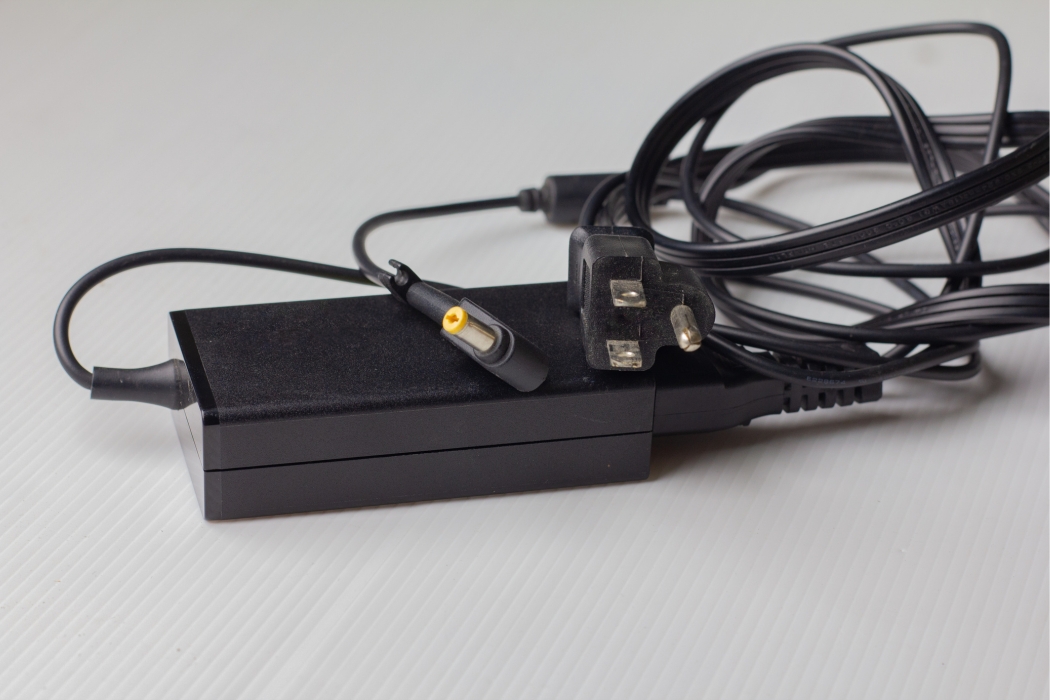
- Power bricks and AC adapters
- Docking station power supplies
- Universal and third-party laptop chargers
Condition does not matter. Working, broken, damaged, or frayed chargers all qualify for proper recycling.
Laptop Charger Recycling vs. Throwing Them Away
What Happens When Chargers Are Trashed
When chargers are tossed instead of recycled:
- Copper and metals are wasted
- Fire risk increases throughout waste infrastructure
- Environmental pollution occurs downstream
The damage doesn’t stop at the trash bin—it spreads through landfills, facilities, and ecosystems.
Benefits of Recycling Instead
Recycling chargers delivers real benefits:
- Materials are recovered and reused
- Demand for new mining and manufacturing is reduced
- Waste handling becomes safer and more controlled
Laptop charger recycling turns overlooked accessories into recoverable resources instead of preventable hazards.
The Laptop Charger Recycling Process
Step 1: Collection & Intake
Laptop chargers are collected through simple, secure channels. Individuals can use drop-off options, while offices, schools, and IT departments can schedule bulk collection. Mixed electronic accessories are handled carefully to prevent damage or safety issues during transport.
Step 2: Inspection & Sorting
Once received, chargers are inspected and sorted. Chargers are separated from batteries and devices, and damaged cords or exposed wiring are identified so they can be handled safely during processing.
Step 3: Disassembly & Material Separation
Chargers are dismantled using controlled methods. Copper wiring is separated from insulation, circuit boards are isolated, and plastics are sorted when they can be recovered responsibly.
Step 4: Responsible Material Recovery
Recovered copper and metals are routed for reuse. Electronic components are processed, and nothing is sent to a landfill. The goal is full material recovery without environmental shortcuts.
What Materials Are Recovered From Laptop Chargers
Laptop chargers contain several reusable materials, including:
- Copper wiring and coils
- Aluminum and steel components
- Circuit board metals
- Select plastics
Why Material Recovery Matters
Recovering these materials reduces the need for new mining, lowers the environmental footprint of new electronics, and keeps finite resources in circulation instead of buried or burned.
How to Prepare Laptop Chargers for Recycling
Preparing chargers is simple:
- Coil cords neatly
- Do not cut or strip wires
- Keep chargers dry and untangled
- Bundle multiple chargers together
Once ready, contact EACR Inc. for drop-off or pickup options.
Recycling Options Available Through EACR Inc.
For Individuals
Individuals can recycle laptop chargers through convenient drop-off programs. Chargers are accepted in any condition, and no sorting or dismantling is required.
For Businesses, Schools & Institutions
Organizations can use secure electronics collection containers, bulk charger and accessory recycling, and support for office cleanouts or IT refreshes. Recycling documentation is provided for compliance and reporting needs.
Common Myths About Laptop Charger Recycling
“It’s just a cord”
Laptop chargers contain copper and electronic components that qualify as e-waste.
“It still works, so it’s not waste”
If it’s no longer needed, it’s still electronic waste and should be recycled properly.
“I can recycle it curbside”
Curbside programs are not equipped to process chargers or electronic accessories.
Why Work With a Licensed Electronics Recycling Company
Licensed recyclers provide proper handling of electronic components, environmental protection, regulatory compliance, reduced fire and liability risk, and responsible downstream processing.
Conclusion: Recycle Laptop Chargers the Right Way
Laptop chargers may be small, but they are still electronic waste. Improper disposal creates environmental and safety risks that add up quickly at scale. Responsible laptop charger recycling keeps materials out of landfills and fires out of waste systems. Contact EACR Inc. to schedule laptop charger recycling pickup or drop-off and ensure chargers are handled safely and responsibly.