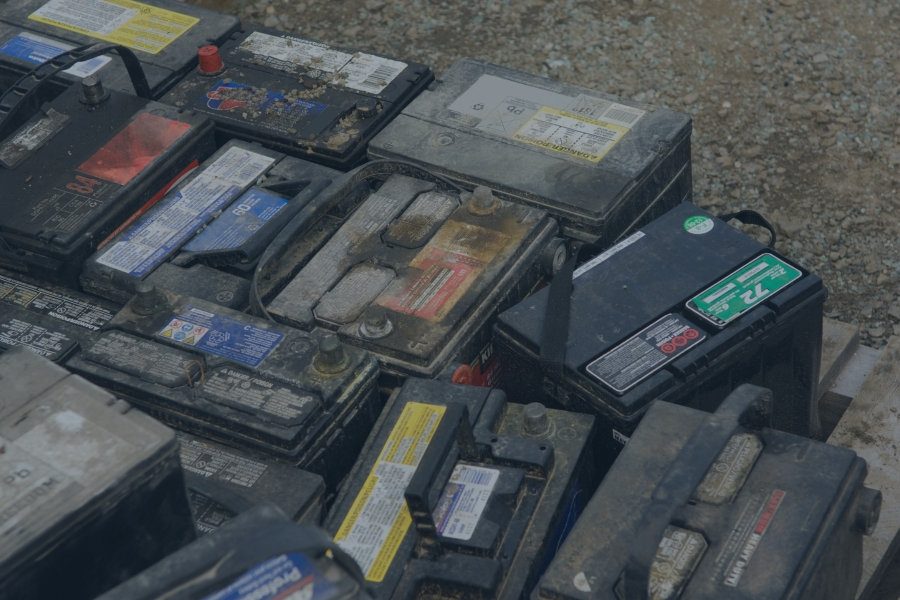
Used car batteries may no longer hold a charge, but that does not mean they are worthless. Most standard vehicle batteries use lead-acid chemistry and contain recoverable materials, including lead and plastic, that can be processed through established recycling channels.
Car battery scrap prices are not fixed. They can change based on lead market conditions, battery weight and type, overall condition, load size, location, and transportation requirements. A price listed online may provide a useful benchmark, but it may not reflect the actual value of a specific battery load.
This 2026 market update is intended to help auto repair shops, dealerships, fleet operators, municipalities, maintenance departments, and other organizations better understand current pricing and the factors that may affect a recycling quote.
Businesses managing used or bulk automotive batteries can explore EACR Inc.’s car battery recycling services for collection, transportation, and responsible recycling.
Quick Answer: What Are Car Batteries Worth in 2026?
As of July 22, 2026, the general market reference price for car batteries is approximately $0.21 per pound.
The estimated total value of a battery depends partly on its weight. For example, a heavier commercial truck battery may have a higher total scrap value than a smaller passenger vehicle or motorcycle battery.
Actual pricing can still vary by recycler. Each company may use different grading standards, purchasing requirements, transportation costs, and minimum-volume policies.
The prices below are general market reference prices and are not EACR Inc. buying rates, guaranteed prices, or offers to purchase material.
| Lead-Based Batteries | Typical Market Reference Prices |
| Car Batteries | $0.15/lb – $0.26/lb |
| Forklift Batteries | $0.12/lb – $0.20/lb |
| Steel Cased Batteries | $0.12/lb – $0.20/lb |
| Cell Site Lead Batteries | $0.06/lb – $0.11/lb |
| Absolyte Batteries | $0.02/lb – $0.06/lb |
| UPS Batteries | $0.06/lb – $0.11/lb |
Disclaimer: These are general market reference prices only and are not EACR Inc. buying rates, guaranteed prices, or offers to purchase material. Actual pricing varies based on battery type, condition, quantity, location, transportation requirements, and current market conditions.
Why Do Used Car Batteries Have Scrap Value?
Most traditional car and truck batteries are lead-acid batteries. They contain several materials that can be separated and managed through specialized recycling processes.
Common components include:
- Lead plates and internal lead components
- Durable plastic battery casing
- Metal battery terminals
- Electrolyte and other internal materials requiring controlled handling
Lead is generally the main material influencing a car battery’s scrap value. Because lead is a traded commodity, its market price can affect what recyclers are willing to pay for used batteries.
Plastic casings may also be processed through appropriate recycling streams. The electrolyte and other internal materials must be handled properly to reduce the risk of leaks, exposure, and environmental contamination.
What Affects Car Battery Scrap Prices?
Several factors can affect how a recycler evaluates a used automotive battery load. The posted price per pound is only one part of the calculation.
Lead Market Conditions
Lead is traded on commodity markets, and its value can change over time.
When lead prices rise, car battery scrap prices may also increase. When demand weakens or lead prices decline, recyclers may reduce what they pay for used batteries.
Market changes do not always appear immediately in local recycling prices. Processing capacity, regional demand, inventory levels, and transportation expenses can also affect how quickly prices move.
Battery Weight and Type
Battery size and weight can influence total scrap value because larger batteries generally contain more material.
A commercial truck, heavy-equipment, or industrial vehicle battery may weigh considerably more than a standard passenger car battery. Smaller motorcycle and powersport batteries may have a lower total value even when the price per pound is similar.
Battery construction also matters. Different lead-acid designs may contain different proportions of lead, plastic, steel, and other materials.
Quantity and Load Size
A single battery may be handled differently from a pallet, truckload, or recurring commercial battery stream.
Larger quantities can sometimes make collection and processing more efficient. Auto shops, fleet yards, dealerships, and maintenance facilities may be able to consolidate batteries into organized loads before scheduling recycling.
However, volume alone does not guarantee a higher price. The batteries still need to meet the recycler’s condition, packaging, access, and transportation requirements.
Battery Condition
Clean, intact batteries are generally easier to package, move, and process.
Cracked, leaking, swollen, burned, crushed, or heavily corroded batteries may require additional precautions. They may need to be separated from intact batteries, packaged differently, or handled through a more controlled process.
Damaged batteries should always be disclosed before pickup. A recycler may need photographs or additional information to determine the proper transportation and handling method.
Location and Transportation
The location of the batteries can affect the final price or recycling cost.
Important logistics may include:
- Distance from the recycling or processing facility
- Number of batteries being collected
- Availability of a loading dock or forklift
- Labor needed to move the batteries
- Packaging or palletizing requirements
- Special handling for damaged units
- Access restrictions at the pickup site
A high market price does not automatically mean every load will receive the same rate. Transportation and handling expenses can significantly affect the final quote.
Car Battery Scrap Price vs. Core Charge
A car battery scrap price and a battery core charge are related to used batteries, but they are not the same thing.
A core charge is a refundable retail fee commonly added when someone purchases a replacement battery. The customer pays the fee when buying the new battery and may receive it back after returning the old one to the retailer.
A scrap price reflects the recycling value of the used battery. It may be calculated based on weight, battery chemistry, condition, quantity, lead market values, and the recycler’s purchasing policies.
For an individual replacing one battery, a core return may be the simplest option. Businesses managing pallets or recurring loads of used batteries are generally more concerned with commercial recycling pricing, pickup requirements, and documentation.
Other Lead-Acid Batteries That May Have Scrap Value
Car batteries are among the most common lead-acid batteries, but they are not the only type that may have scrap value.
Other examples include:
- Truck batteries
- Marine batteries
- Motorcycle batteries
- AGM batteries
- Gel batteries
- Sealed lead-acid batteries
- UPS batteries
- Forklift batteries
- Equipment and machinery batteries
These batteries may differ in size, weight, construction, and lead content. A recycler may separate or grade them by battery type rather than pricing every unit as a standard car battery.
Lithium-ion, alkaline, nickel-cadmium, and button-cell batteries use different chemistries and recycling processes. They should not be mixed into a lead-acid battery load unless the recycler has specifically approved that collection method.
How to Prepare Car Batteries for Recycling
Preparing batteries properly helps reduce safety risks and makes collection more efficient. Before scheduling pickup, inspect the batteries, separate damaged units, and organize the load so the recycler can evaluate it accurately.
Inspect Batteries for Damage
Check each battery for visible damage, including:
- Cracks
- Leaks
- Swelling
- Heavy corrosion
- Broken terminals
- Burn or impact damage
Do not assume a damaged battery can be handled the same way as an intact one. Leaking, swollen, burned, or crushed batteries may require different packaging and transportation procedures.
Store Batteries Safely
Keep car batteries upright in a dry, controlled location. Protect them from rain, extreme heat, falling objects, vehicle traffic, and other sources of physical damage.
Do not place used batteries in dumpsters or mix them with general trash, loose metal, or unrelated scrap. Batteries can leak, shift, short-circuit, or become damaged when handled with other materials.
A designated storage area can make it easier to track inventory and prepare batteries for collection.
Separate Damaged Batteries
Keep cracked, leaking, swollen, burned, or heavily corroded batteries separate from intact units.
Notify the recycler about damaged batteries before pickup. Photos and a clear description can help determine whether special containers, absorbent materials, labeling, or other handling measures are needed.
Do not attempt to clean up leaking electrolyte or repair a damaged battery unless your staff is trained and equipped to do so safely.
Organize Commercial Quantities
Businesses managing multiple batteries should organize the load before requesting pricing or pickup.
Helpful steps include:
- Count or estimate the number of batteries
- Identify the battery types
- Record approximate individual or total weight
- Separate intact and damaged batteries
- Keep the load accessible for collection
- Take clear photographs of the batteries and storage area
Organized information makes it easier for the recycler to understand the scope of the project and determine the appropriate equipment, labor, and transportation requirements.
Why Online Scrap Prices May Differ From Your Quote
Published scrap prices are general market references. They do not automatically represent what every recycler will pay for every battery load.
Market prices may change throughout the year as lead values, regional demand, processing capacity, fuel costs, and other conditions shift. A reference price may also exclude transportation, packaging, labor, minimum-volume requirements, and special handling costs.
Your actual quote may depend on:
- Battery chemistry
- Total weight
- Battery condition
- Quantity
- Pickup location
- Loading and access requirements
- Current lead market prices
For example, an organized pallet of intact batteries located near a recycler may be evaluated differently from a smaller load of leaking batteries that requires special packaging and a long-distance pickup.
That does not necessarily mean the online price is inaccurate. It means the reference price does not account for every detail of the actual recycling project.
How to Request Car Battery Recycling Pricing
Provide as much information as possible when contacting a recycler. A complete request can reduce back-and-forth communication and help the recycler prepare a more accurate quote.
Gather the following details:
- Battery type
- Estimated quantity
- Approximate total weight
- Condition of the batteries
- Pickup address
- Loading-dock, forklift, or access information
- Photographs of the batteries
- Photographs of the storage and loading area
Also mention whether any batteries are leaking, swollen, burned, cracked, or otherwise damaged.
For recurring battery streams, explain how frequently batteries are generated and how many are typically collected at one time. This can help the recycler determine whether scheduled pickups, pallet exchanges, containers, or another collection approach may be appropriate.
The more accurate the information, the easier it is to evaluate transportation needs, handling requirements, and potential pricing.
Recycle Your Car Batteries
As of July 22, 2026, the general market reference price for car batteries is approximately $0.21 per pound. Actual pricing may be higher or lower depending on current lead markets, battery weight, quantity, condition, location, and transportation requirements.
Businesses should keep used batteries upright, store them in a dry and controlled area, and separate damaged units from intact batteries. Published prices are useful for understanding the market, but current pricing should always be confirmed based on the specific load.
Contact EACR Inc. to discuss car battery recycling services, bulk battery pickup, transportation requirements, and responsible processing for used automotive batteries.