How to recycle a car battery in 2026 starts with knowing what you have, how to handle it safely, and where it should go next. Car batteries are one of the most commonly recycled battery types, but they still contain lead, sulfuric acid, stored energy, and heavy casing materials that should never be treated like normal trash.
Most drivers have a few realistic options: return the battery when buying a new one, drop it off at an auto parts retailer, use a municipal hazardous waste program, or work with a battery recycling company for larger quantities.
If you have one battery, a retailer return may be the easiest option. If you manage multiple car batteries for a shop, fleet, business, school, municipality, or facility, EACR Inc. can help with battery recycling pickups, drop-offs, and documentation.
Quick Answer: How to Recycle a Car Battery
Most people fall into one of four routes.
Option 1: Return It When Buying a New Battery
This is usually the easiest path for individual drivers replacing one battery. Many retailers charge a core deposit when you buy a new car battery, then refund it when you bring the old battery back.
This works best when the battery is intact, not leaking, and easy to transport safely.
Option 2: Drop It Off at an Auto Parts Retailer
If you already have an old battery sitting in your garage, an auto parts store may accept it for recycling. Some retailers, including AutoZone-style programs, may offer store credit for qualifying lead-acid batteries.
Policies vary by location, so call ahead if the battery is cracked, leaking, swollen, or if you have more than a few.
Option 3: Use a Municipal Hazardous Waste Program
County recycling centers and household hazardous waste events may accept old automotive batteries. This is a good option if you do not have a retailer nearby or prefer a public drop-off program.
Always check accepted battery types, quantity limits, event dates, and packaging instructions before going.
Option 4: Schedule Pickup With a Battery Recycling Company
Pickup is usually best for businesses, fleets, repair shops, dealerships, schools, municipalities, warehouses, and facilities with multiple batteries.
A battery recycling company can help with bulk pickup, palletized batteries, mixed-condition batteries, repeat collection programs, and certificates of recycling.
What Counts as a Car Battery?
Standard Lead-Acid Car Batteries
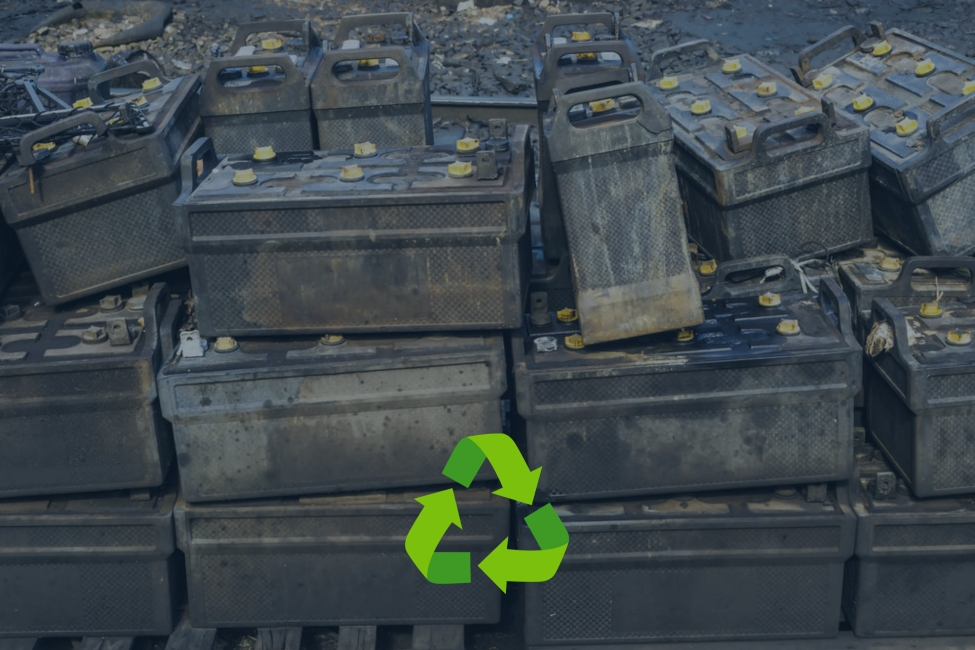
Most traditional car batteries are 12-volt lead-acid batteries. They contain lead plates, sulfuric acid electrolyte, metal terminals, and a heavy plastic casing.
These batteries should not go in household trash because the materials can create environmental and safety risks if handled improperly.
AGM and Enhanced Flooded Batteries
Some modern vehicles use AGM batteries or enhanced flooded batteries, especially vehicles with start-stop systems. Not sure what type of battery you actually have? Before recycling it, learn how to read a car battery label so you can identify battery type, group size, reserve capacity, and other important markings correctly.
These are still automotive batteries, but battery type matters because it affects handling, routing, storage, and recycling requirements.
Hybrid and EV Batteries Are Different
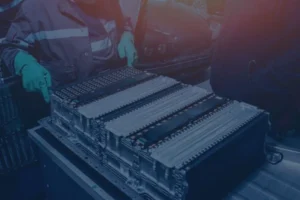
Hybrid vehicle batteries and EV battery packs are not the same as standard 12-volt car batteries. They are often high-voltage lithium-ion or nickel-metal hydride systems and require specialized handling.
Do not treat EV or hybrid battery packs like a regular car battery. These should be routed through a qualified battery recycling provider.
Why Car Battery Recycling Matters
Lead and Sulfuric Acid Create Real Disposal Risks
Car batteries contain materials that can be dangerous when mismanaged. Lead can contaminate soil and water, while sulfuric acid is corrosive and can burn skin, clothing, vehicle surfaces, and storage areas.
Cracked or leaking batteries require extra caution and should not be casually transported or left sitting in a garage.
Car Batteries Contain Reusable Materials
Proper recycling helps recover lead, plastic casing, metal terminals, and other battery materials. The acid may also be neutralized or processed through proper recycling channels.
This keeps reusable materials in circulation and reduces the need for new raw material extraction.
Battery Recycling Helps Prevent Unsafe Storage
Old car batteries often end up sitting in garages, repair shop corners, sheds, or storage rooms. That creates risks over time, especially if the battery leaks, tips over, shorts, or gets damaged.
Recycling the battery quickly is safer than letting it sit indefinitely.
Option 1: Return Your Old Battery When Buying a New One
When This Option Makes Sense
This route makes the most sense when you are replacing one battery, buying the new battery from an auto parts store, and the old battery is intact.
It is simple, common, and usually the most convenient option for individual drivers.
How Core Charges Work
Many retailers charge a core deposit when you buy a new battery. When you return your old battery, the store may refund that deposit.
Keep your receipt when possible. Core charge rules and return windows can vary by retailer.
What to Bring
Bring the old battery, your receipt if available, and basic handling supplies like gloves. Keep the battery upright during transport and avoid placing it directly on carpet or fabric.
Option 2: Drop Off at an Auto Parts Store
Retailers That May Accept Car Batteries
Common drop-off options may include AutoZone, Advance Auto Parts, O’Reilly Auto Parts, NAPA, local auto parts stores, and local battery retailers.
Acceptance rules vary, so do not assume every location accepts every battery type or condition.
AutoZone Return Note
AutoZone is one common option for individual car battery recycling. Their current program says qualifying lead-acid batteries may receive a $10 merchandise credit at participating stores, with exclusions and limits.
When to Call Ahead
Call before going if the battery is leaking, cracked, swollen, heavily corroded, not a standard automotive lead-acid battery, or if you have more than a few batteries.
Option 3: Municipal Recycling and Household Hazardous Waste Programs
When This Option Works
Municipal recycling programs work well for residents who need a one-off disposal option and do not want to use a retailer.
Some counties accept automotive batteries at recycling centers, while others collect them during household hazardous waste events.
What to Check Before Going
Before loading the battery, confirm accepted battery types, event dates, residency rules, quantity limits, packaging instructions, and whether leaking batteries are accepted.
Why Rules Vary
Battery disposal rules are local. One county may accept car batteries year-round, while another may only accept them during scheduled collection days.
Checking first prevents wasted trips and unsafe handling.
Option 4: Battery Recycling Pickup for Businesses
When Pickup Is the Better Option
Pickup is usually the better choice for auto repair shops, dealerships, fleet operators, towing yards, schools, universities, municipal garages, warehouses, and facilities with multiple batteries.
It is also helpful when batteries are heavy, damaged, mixed by condition, or spread across multiple locations.
Why Pickup Reduces Headaches
Pickup helps with safer lifting, cleaner tracking, less storage clutter, better handling for heavy batteries, and documentation for internal records.
For businesses, the goal is not just getting batteries out of the building. It is making sure they are handled responsibly from storage to collection.
EACR Inc. Battery Recycling Services
EACR Inc. can help businesses and organizations recycle car batteries through scheduled pickups, drop-off coordination, bulk battery recycling, and documentation.
This is especially useful for facilities managing palletized batteries, ongoing replacements, or larger cleanouts.
How to Safely Remove a Car Battery
Use Basic Protection First
Wear gloves and eye protection before handling an old car battery. Long sleeves can also help reduce contact with corrosion or battery acid.
Avoid touching corrosion, leaking fluid, or damaged casing. Do not smoke or create sparks near the battery.
Disconnect the Negative Terminal First
The negative cable is usually black or marked with a minus sign. Loosen it carefully and move it away from the terminal.
Avoid touching both terminals with a tool at the same time.
Disconnect the Positive Terminal Second
The positive cable is usually red or marked with a plus sign. Remove it after the negative cable is disconnected.
Then remove any hold-down bracket, strap, or block keeping the battery in place.
Lift and Inspect the Battery
Car batteries are heavy, so lift carefully and keep the battery upright. Check for cracks, leaks, swelling, corrosion, or a strong sulfur smell.
If the battery appears damaged, do not transport it casually. Call ahead for guidance.
How to Prepare a Car Battery for Recycling
Keep the Battery Upright
Keeping the battery upright helps prevent leaks and reduces acid spill risk, especially with vented batteries.
Protect the Terminals
Prevent short circuits by keeping metal tools and loose metal away from the terminals. Use terminal covers or tape when appropriate.
Separate Damaged Batteries
Separate batteries with cracked cases, leaking acid, corrosion, swelling, or other damage. Label them clearly so they receive proper handling.
Transport Carefully
Use a plastic tray, sturdy box, or heavy-duty bag if needed. Place the battery on a stable surface, keep it from tipping, and do not leave it sitting in a hot trunk for long periods.
Safety Basics for Car Battery Recycling
Do Not Throw Car Batteries in the Trash
Lead-acid car batteries should never go in household garbage. They contain lead, sulfuric acid, and stored electrical energy that can create environmental and safety problems when handled improperly.
A battery tossed into regular trash can leak, short out, or contaminate waste streams during transportation and disposal.
Do Not Stack Loose Batteries Carelessly
Car batteries are heavy, awkward to move, and easy to damage if handled carelessly.
Loose stacking creates risks such as:
- Crushed battery cases
- Terminal contact
- Acid leaks
- Dropped batteries
- Short circuits
If you are storing multiple batteries temporarily, keep them upright, stable, and separated by condition whenever possible.
Do Not Ignore Leaking Batteries
Leaking batteries require extra caution. Battery acid is corrosive and can damage skin, clothing, vehicle interiors, concrete, and nearby materials.
Avoid direct contact and do not casually move a leaking battery around in a trunk or back seat. If possible, place it in a plastic tray or protected container and contact a recycler, retailer, or hazardous waste program for guidance.
Rules and Documentation
For Individual Drivers
Most people recycling one car battery do not need complicated paperwork.
Basic records may include:
- Retailer receipt
- Core refund receipt
- Drop-off confirmation if available
For a single battery, the goal is simply making sure it was routed responsibly.
For Businesses
Businesses should keep cleaner records, especially when managing larger quantities or recurring pickups.
Minimum records may include:
- Pickup date
- Site location
- Quantity
- Battery type
- Condition notes
- Certificates of recycling
Why Documentation Matters
Documentation helps businesses support:
- Internal compliance
- Vendor tracking
- Facility audits
- Sustainability reporting
- Proof of responsible recycling
For organizations managing batteries across multiple vehicles or locations, cleaner records reduce confusion later.
What Happens After Car Battery Collection?
Batteries Are Sorted by Type and Condition
Once collected, batteries are separated based on chemistry and condition.
This may include:
- Intact lead-acid batteries
- Damaged batteries
- AGM or specialty batteries
- Non-automotive batteries removed from the load
Proper sorting helps route each battery through the correct recycling process.
Reusable Materials Are Recovered
Several reusable materials can be recovered from automotive batteries.
This may include:
- Lead recovery
- Plastic casing processing
- Acid neutralization or treatment
- Metal terminal recovery
Lead-acid batteries are one of the most recycled battery types largely because these materials can be processed and reused.
Materials Move Into Proper Recovery Channels
Not all batteries move through the exact same downstream process. Routing depends on battery chemistry, condition, packaging, and volume.
Responsible recycling helps keep lead, acid, plastics, and other battery materials out of landfills while supporting controlled recovery systems.
Car Battery Recycling for Businesses and Facilities
Auto Repair Shops and Dealerships
Repair shops and dealerships often generate batteries consistently through replacements and service work.
That usually means:
- Frequent core returns
- Bulk storage
- Pickup scheduling
- Organized battery handling
As volume increases, structured pickup becomes easier than making repeated individual drop-offs.
Fleet Operators
Fleet operators may replace batteries across multiple vehicles, service yards, or locations throughout the year.
Preventive maintenance schedules, recurring replacements, and documentation needs often make scheduled battery recycling programs more practical.
Municipal Garages and Public Works Departments
Municipal vehicle maintenance facilities often manage batteries from:
- Trucks
- Service vehicles
- Utility vehicles
- Emergency fleets
- Public works equipment
Safe storage areas, pickup coordination, and records are usually important for internal tracking and compliance.
Schools, Warehouses, and Facilities
Schools, warehouses, and industrial facilities may also accumulate batteries from maintenance vehicles, equipment, carts, or specialty systems.
Forklift batteries and other specialty batteries should be separated from standard automotive batteries whenever possible to support correct routing and safer handling.
Step-by-Step: How to Recycle Your Car Battery in 2026
- Identify the battery type.
- Check whether the battery is intact, leaking, swollen, or damaged.
- Keep the battery upright and protect the terminals.
- Choose the right recycling route: retailer return, auto parts drop-off, municipal program, scrap/recycling facility, or battery recycling pickup.
- Call ahead if the battery is damaged or if you have multiple batteries.
- Transport the battery safely in a tray, box, or protected area.
- Request a receipt, core refund, store credit, or recycling documentation when applicable.
- For business quantities, schedule pickup with a battery recycling company.
Frequently Asked Questions About Car Battery Recycling
Can car batteries go in the trash?
No. Car batteries should not be thrown in household trash because they contain lead, sulfuric acid, and stored electrical energy.
Where can I recycle a car battery?
You can often recycle a car battery at auto parts stores, battery retailers, municipal recycling programs, hazardous waste events, scrap facilities, or through a battery recycling company.
Does AutoZone take old car batteries?
Yes. AutoZone is one common option for qualifying lead-acid battery returns at participating stores. Their current program mentions a $10 merchandise credit for qualifying batteries, with exclusions and limits.
Can I get money back for an old car battery?
Sometimes. You may receive a core charge refund when returning your old battery after purchasing a new one. Some retailers or scrap facilities may also offer store credit or payment depending on their policy.
How should I transport an old car battery?
Keep it upright, stable, and protected from tipping. Avoid placing it directly on fabric or carpet. If there is any sign of leaking, use extra caution and call ahead before transporting it.
What should I do with a leaking car battery?
Do not casually transport or store it. Keep it upright, avoid contact with acid, place it in a plastic tray if safe to do so, and contact a battery recycling company, retailer, or hazardous waste program for instructions.
Can businesses recycle car batteries in bulk?
Yes. Businesses can schedule car battery recycling pickups for bulk quantities, damaged batteries, multi-site collections, or ongoing battery disposal needs.
Are EV batteries recycled the same way as car batteries?
No. Standard 12-volt car batteries are usually lead-acid batteries. EV battery packs are high-voltage lithium-ion systems and require specialized recycling and handling.
Conclusion
Knowing how to recycle a car battery in 2026 comes down to a few simple steps: identify the battery type, keep it upright, protect the terminals, choose the right recycling route, and avoid throwing it in the trash.
Whether you use a retailer return, municipal recycling program, auto parts store, or scheduled pickup, the goal is the same: safer handling and responsible recycling of lead-acid batteries.
If you are recycling one old car battery, a retailer or municipal drop-off may be the simplest option. If your business, shop, fleet, school, or facility has multiple car batteries to recycle, EACR Inc. can help with battery recycling pickups, drop-offs, safe handling guidance, and certificates of recycling.