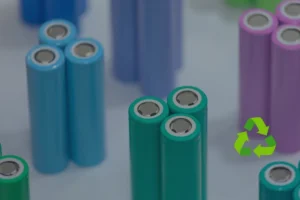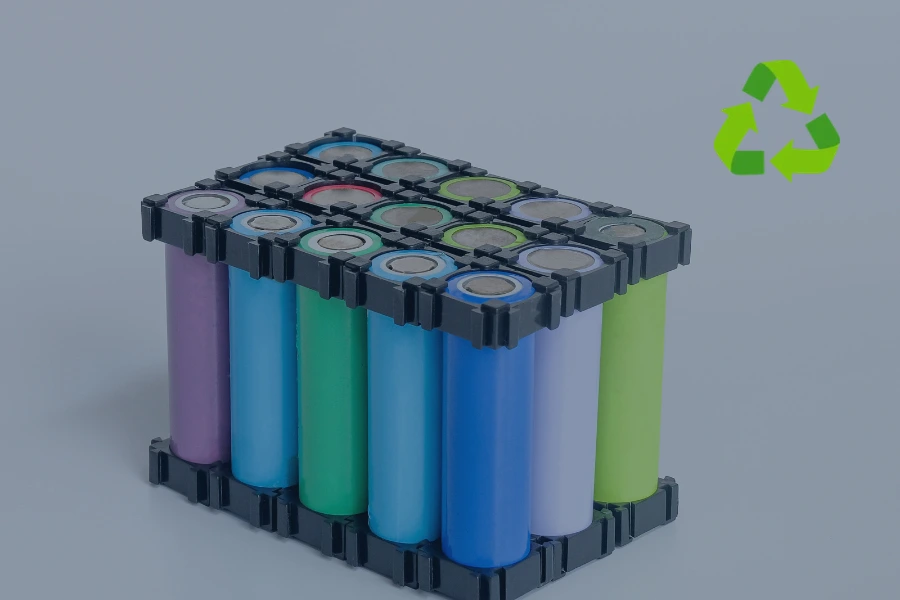
18650 batteries are cylindrical rechargeable batteries commonly found in flashlights, laptop battery packs, cordless power tools, and other portable electronics. Although they resemble ordinary household batteries, they typically use lithium-ion chemistry and have different electrical characteristics and handling requirements.
These batteries contain recoverable metals and other materials, but loose or damaged 18650 cells can create short-circuit and fire hazards when handled improperly. At EACR Inc., we provide battery recycling services for individuals, businesses, manufacturers, and organizations managing used lithium-ion batteries, including qualifying individual cells and larger battery packs.
Where Can You Recycle 18650 Batteries?
There are several options for recycling used 18650 batteries, depending on their condition, quantity, and whether they’re individual cells or part of a larger battery pack.
- Battery Recycling Pickups: EACR Inc. coordinates commercial pickups for businesses and organizations managing qualifying 18650 batteries, assembled battery packs, and larger lithium-ion battery collections.
- Facility Drop-Off: Approved batteries can be brought to EACR Inc. at 1950 Rutgers University Blvd, Lakewood, NJ 08701. Call (732) 370-4100 before visiting to confirm acceptance and preparation requirements.
- E-Waste Recycling Containers: EACR Inc. offers e-waste recycling containers for approved battery and electronics collections, subject to appropriate battery packaging and collection requirements.
- Mail-In Battery Recycling: Approved mail-in programs may be available for eligible 18650 batteries, depending on their condition, quantity, packaging, and applicable transportation requirements.
What is an 18650 Battery?
An 18650 battery is a cylindrical cell format most commonly associated with rechargeable lithium-ion batteries. These cells are widely used because they can store substantial energy in a relatively compact design.
The name 18650 refers to the battery’s approximate dimensions and shape:
- 18: Approximately 18 millimeters in diameter.
- 65: Approximately 65 millimeters in length.
- 0: Indicates a cylindrical cell design.
Actual dimensions may vary slightly, particularly when additional protective components are included.
Although 18650 batteries resemble oversized AA batteries, they’re not interchangeable. Most rechargeable lithium-ion 18650 cells have a nominal voltage around 3.6–3.7 volts, compared with 1.5 volts for a typical alkaline AA battery.
It’s also important to understand that 18650 describes the battery’s size, not its chemistry. Different 18650 cells may use NMC, NCA, LCO, or other lithium-ion cathode materials.
Where Are 18650 Batteries Commonly Used?
18650 batteries are found in many consumer and commercial products, either as individual cells or connected together inside larger battery packs.
Laptop Battery Packs
Many laptops, particularly older models, use battery packs containing multiple 18650 lithium-ion cells.
These cells are connected and enclosed within a protective battery assembly that supplies power to the computer.
When recycling an old laptop battery, it’s generally best to leave the battery pack intact rather than attempting to remove its individual cells.
Flashlights and Portable Electronics
Rechargeable flashlights, headlamps, and certain portable electronic devices use 18650 batteries because of their relatively high energy capacity and compact size.
Some devices use a single removable cell, while others contain integrated rechargeable battery assemblies.
Consumers should check the manufacturer’s specifications before replacing or recycling these batteries.
Cordless Power Tools
Certain cordless drills, saws, and other battery-powered tools contain multiple 18650 cells inside removable battery packs.
These cells work together to supply the voltage and capacity needed to operate the equipment.
When a power tool battery no longer holds a charge, the complete battery pack may qualify for recycling through an appropriate lithium-ion battery recycling program.
E-Bikes and Larger Battery Packs
Some electric bicycles, scooters, and portable power systems use battery packs containing numerous 18650 cells.
These cells are connected together and managed by electronic systems designed to control charging, discharging, and battery performance.
However, not every electric bicycle or portable power system uses 18650 cells. Other cylindrical and pouch-cell formats are also common.
Larger battery packs should remain intact and be handled according to their manufacturer’s instructions and recycling requirements.
What Are 18650 Batteries Made Of?
Although 18650 batteries share a similar cylindrical shape, their internal materials can vary depending on the manufacturer and battery chemistry.
Most rechargeable lithium-ion 18650 cells contain electrodes, an electrolyte, a separator, metal current collectors, and a protective casing.
Lithium-Ion Electrode Materials
The positive electrode, or cathode, contains materials that vary according to the battery’s chemistry.
Depending on the cell, these materials may include lithium, nickel, cobalt, manganese, iron, or other elements.
For example, NMC batteries use nickel, manganese, and cobalt in their cathodes, while NCA batteries use nickel, cobalt, and aluminum.
These differences affect battery performance and which materials can be recovered through recycling.
Graphite Anode and Electrolyte
Many 18650 lithium-ion cells use graphite as the primary material in their negative electrode, or anode.
During charging and discharging, lithium ions move between the electrodes through an electrolyte.
A separator keeps the electrodes physically apart while allowing lithium ions to move through the battery.
Because lithium-ion electrolytes are typically flammable, these internal components require controlled handling during recycling rather than ordinary scrap-metal processing.
Steel Casing, Copper, and Aluminum
18650 batteries typically have a cylindrical metal casing that protects their internal components.
Inside the cell, copper and aluminum current collectors help conduct electricity between the electrodes and external connections.
These metals, along with certain electrode materials, may be recovered through specialized battery recycling processes.
The exact materials recovered depend on the battery’s chemistry and the recycling technology used.
Why Are Loose 18650 Batteries Potentially Dangerous?
One of the biggest concerns with 18650 batteries is the risk associated with loose cells, particularly those removed from battery packs.
Many 18650 cells are designed to operate inside battery assemblies that include protective circuitry and other safety features.
The U.S. Consumer Product Safety Commission (CPSC) has specifically warned against using loose 18650 lithium-ion cells removed from battery packs as standalone consumer batteries because they may lack appropriate protective features.
Exposed Terminals and Short Circuits
A loose 18650 battery can short-circuit when its exposed terminals come into contact with conductive materials.
Common examples include keys, coins, metal tools, or other batteries stored together in a drawer, pocket, or container.
A short circuit can cause rapid overheating and potentially lead to thermal runaway, fire, or other dangerous failures.
This is why loose 18650 cells should be individually protected and handled according to appropriate battery recycling instructions.
Damaged Battery Wraps
Many 18650 batteries have a thin insulating wrap around their cylindrical metal casing.
If this wrap becomes torn, punctured, or worn away, conductive portions of the cell may become exposed.
This increases the possibility of an accidental short circuit, particularly when the battery comes into contact with metal objects.
Batteries with damaged insulation should not be used or placed into ordinary battery collections without confirming appropriate handling requirements.
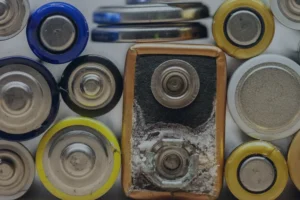
Swelling, Overheating, and Physical Damage
Physical damage can affect the safety of lithium-ion batteries, including 18650 cells.
Warning signs may include:
- Unusual heat or overheating
- Dents, punctures, or deformation
- Leaking materials
- Corrosion or discoloration
- Smoke, unusual odors, or other signs of battery failure
Damaged, defective, or recalled batteries require specialized handling and should be kept separate from intact batteries.
If a battery is actively overheating, smoking, or showing signs of imminent failure, avoid handling it and contact emergency services when appropriate.
Why You Shouldn’t Open Battery Packs Yourself
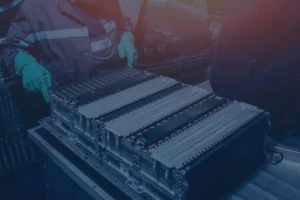
Laptop batteries, power tool batteries, and larger lithium-ion packs may contain multiple 18650 cells connected through electrical contacts and protective circuits.
Attempting to open these assemblies can expose electrical connections, damage cells, or create accidental short circuits.
Even when a battery pack no longer powers its device, individual cells may retain enough energy to create a safety hazard.
Rather than dismantling battery packs yourself, contact a qualified recycling provider about recycling the complete assembly.
How to Prepare 18650 Batteries for Recycling
Before recycling 18650 batteries, it’s important to identify the cells, check their condition, and protect them from accidental short circuits. These steps can help reduce safety risks during storage, transportation, and collection.
Step 1: Identify the Battery
Check the battery’s label for its size, manufacturer, model number, and chemistry.
Although many cylindrical batteries look similar, they may have different chemical compositions, voltages, and handling requirements. Confirm that the battery is an 18650 cell rather than assuming based on appearance.
Step 2: Check for Damage
Inspect the battery without opening or dismantling it.
Look for torn insulation, dents, corrosion, leaks, or signs of overheating. Damaged, defective, or recalled batteries require additional precautions and should not be mixed with ordinary battery recycling collections.
Contact your recycling provider for appropriate handling instructions.
Step 3: Protect the Battery Terminals
Exposed battery terminals can cause short circuits when they contact metal objects or other batteries.
For intact cells, use appropriate nonconductive tape over exposed terminals or place batteries in separate protective packaging, following your recycling provider’s instructions.
Keep the battery’s identifying information readable whenever possible.
Step 4: Keep Batteries Separate and Secure
Store intact 18650 batteries in a cool, dry location away from excessive heat, physical damage, and flammable materials.
Avoid storing loose batteries alongside keys, coins, tools, or other conductive objects.
Never place 18650 batteries in ordinary trash, curbside recycling, or loose scrap-metal collections.
Step 5: Leave Assembled Battery Packs Intact
If 18650 cells are installed inside a laptop battery, power tool battery, or another sealed assembly, leave the pack intact.
Attempting to remove individual cells can damage the battery, expose electrical connections, and create fire hazards.
Step 6: Confirm Recycling Requirements
Before arranging recycling, contact EACR Inc. with the quantity, condition, and known chemistry of your batteries.
Let us know whether you’re recycling individual 18650 cells or assembled battery packs so we can discuss suitable collection arrangements.
For more information, read our guide on preparing batteries for recycling.
What Happens to 18650 Batteries After Recycling?
Once 18650 batteries reach an appropriate recycling operation, they undergo several stages designed to separate components and recover materials.
The process generally includes:
- Collection and Sorting: Batteries are identified and sorted according to their chemistry, condition, and whether they’re individual cells or assembled battery packs.
- Controlled Processing: Specialized facilities use appropriate handling and processing methods to manage lithium-ion cells and reduce safety risks.
- Material Separation: Processing separates metal fractions, electrode materials, plastics, and other battery components.
- Material Recovery: Depending on the chemistry and recycling technology, facilities may recover lithium, nickel, cobalt, copper, aluminum, and other materials for further use.
Some recycling operations use mechanical separation, while others rely on additional chemical or thermal processing methods.
The exact materials recovered and recovery rates vary depending on the battery chemistry and recycling facility.
Frequently Asked Questions About 18650 Battery Recycling
What Does 18650 Mean on a Battery?
The designation refers to a cylindrical battery measuring approximately 18 millimeters in diameter and 65 millimeters in length.
Are All 18650 Batteries Lithium-Ion?
The 18650 designation describes a battery’s physical format rather than its chemistry. However, rechargeable lithium-ion cells are the most common batteries associated with this size.
Are 18650 Batteries the Same as AA Batteries?
No. 18650 batteries are larger than AA batteries and typically have higher nominal voltages, making them unsuitable as direct replacements for ordinary AA cells.
Can You Throw Away 18650 Batteries?
No. Lithium-ion 18650 batteries should not be placed in household trash or curbside recycling because they can create fire hazards when damaged or improperly handled.
Can Damaged 18650 Batteries Be Recycled?
Damaged or defective 18650 batteries may qualify for specialized recycling, but they require additional safety precautions and collection arrangements. Contact your recycling provider before transporting them.
Can You Recycle 18650 Batteries From Laptops?
Yes. Laptop battery packs containing 18650 cells can be recycled through appropriate lithium-ion battery recycling programs. You should generally leave the battery pack intact rather than removing the individual cells.
Can You Recycle Loose 18650 Batteries?
Yes. Qualifying loose 18650 batteries can be recycled through specialized battery collection programs when their terminals are properly protected and their condition meets acceptance requirements.
Can 18650 Batteries Be Mailed for Recycling?
Certain 18650 batteries may qualify for approved mail-in recycling programs. Eligibility depends on battery condition, quantity, packaging, and applicable transportation and carrier requirements.
Recycle Your 18650 Batteries With EACR Inc.
18650 batteries are commonly found inside flashlights, laptops, cordless power tools, and larger rechargeable battery packs. Although these cells contain recoverable metals and other materials, proper handling is essential to prevent short circuits, overheating, and other lithium-ion battery hazards.
At EACR Inc., we provide battery recycling services for individuals, businesses, manufacturers, and organizations managing used rechargeable batteries. Our recycling options include qualifying facility drop-offs, commercial battery pickups, e-waste recycling containers, and approved mail-in arrangements.