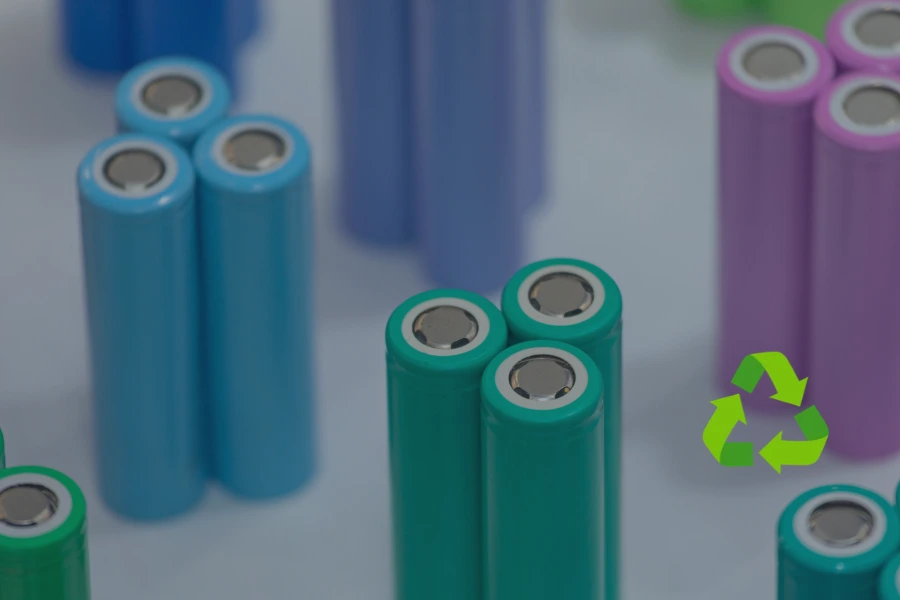
Not all lithium-ion batteries are made from the same materials. Different battery chemistries are designed for different applications, and one commonly associated with high-energy applications is NCA, short for lithium nickel cobalt aluminum oxide.
NCA batteries are used in certain electric vehicles and other applications where storing substantial energy in a relatively compact battery is important. They contain recoverable metals, including nickel, cobalt, and lithium, but require proper handling because of their chemical composition and stored electrical energy.
At EACR Inc., we provide battery recycling services to help businesses, manufacturers, organizations, and individuals manage qualifying batteries. Our recycling solutions include facility drop-offs, commercial pickups, and collection programs for larger battery recycling projects.
NCA Battery Recycling Options
EACR Inc. offers several collection options for qualifying NCA batteries, depending on their size, condition, quantity, and transportation requirements.
Commercial Battery Recycling Pickups
EACR Inc. coordinates one-time and recurring commercial pickups for businesses, manufacturers, and organizations managing qualifying NCA batteries and larger battery collections.
Facility Drop-Off
Approved NCA batteries may be dropped off at EACR Inc.’s facility at 1950 Rutgers University Blvd, Lakewood, NJ 08701, after calling (732) 370-4100 to confirm acceptance and preparation requirements.
E-Waste Recycling Containers
EACR Inc. offers e-waste recycling containers for qualifying battery and electronics collection projects, subject to battery chemistry, condition, packaging, and acceptance requirements.
Mail-In Battery Recycling
Approved mail-in battery recycling options may be available for eligible NCA batteries, depending on their size, condition, packaging, and applicable shipping requirements.
What is an NCA Battery?
An NCA battery is a rechargeable lithium-ion battery that uses lithium nickel cobalt aluminum oxide in its positive electrode, also known as the cathode.
NCA batteries are known for several characteristics:
- High Energy Density: NCA batteries can store substantial amounts of energy relative to their weight, making them suitable for applications where battery size and weight matter.
- Rechargeable Design: These batteries are designed to undergo repeated charging and discharging cycles.
- Specialized Handling: Like other lithium-ion batteries, NCA batteries require appropriate storage, transportation, and recycling procedures to reduce safety risks.
NCA is one of several lithium-ion battery chemistries. Unlike NMC batteries, which contain manganese in their cathodes, NCA batteries use aluminum. They also differ from LFP batteries, which use lithium iron phosphate cathodes.
What Are NCA Batteries Made Of?
NCA batteries contain several metals and other materials that work together to store and release electrical energy.
While their name refers to the cathode chemistry, the complete battery also contains an anode, electrolyte, separator, current collectors, and protective casing.
Lithium, Nickel, Cobalt, and Aluminum
The cathode is the defining component of an NCA battery. It’s made from a lithium nickel cobalt aluminum oxide compound containing several important elements.
Each material serves a different purpose:
- Lithium: Lithium ions move between the battery’s electrodes during charging and discharging, allowing the battery to store and release energy.
- Nickel: Nickel contributes significantly to the battery’s energy storage capacity and helps NCA cells achieve high energy density.
- Cobalt: Cobalt helps support the cathode’s structural stability and overall performance during repeated charging cycles.
- Aluminum: Aluminum contributes to the stability of the cathode material and helps support battery performance.
The exact proportions of these materials depend on the battery’s formulation and manufacturer.
Nickel, cobalt, and lithium are among the materials that specialized battery recycling processes may recover from spent NCA batteries.
Graphite Anode
NCA batteries commonly use graphite as the primary material in their negative electrode, or anode.
During charging, lithium ions move through the electrolyte and are stored within the graphite structure. During discharge, the ions move back toward the cathode.
Graphite is a carbon-based material, and its presence is one reason the recycling process involves more than simply separating metals.
Electrolyte and Separator
The electrolyte allows lithium ions to travel between the battery’s electrodes during operation.
A separator sits between the anode and cathode, preventing direct electrical contact while allowing lithium ions to move through the battery.
These components are important for normal battery operation but introduce additional handling considerations during recycling. Lithium-ion electrolytes are typically flammable, so batteries must be processed using appropriate equipment and safety procedures.
Copper, Aluminum, and Battery Casing
NCA batteries also contain copper and aluminum current collectors, which help conduct electricity between the electrodes and the battery’s external connections.
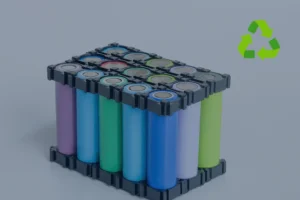
Individual cells may be enclosed in cylindrical metal casings or other protective designs, depending on the manufacturer and application.
Larger battery packs can also contain wiring, connectors, monitoring electronics, and structural components.
These additional materials may be separated and recovered during specialized battery recycling.
Where Are NCA Batteries Commonly Used?
NCA batteries are primarily associated with applications that require high energy density, particularly certain electric vehicles and specialized rechargeable battery systems.
Electric Vehicles
NCA batteries have been used in certain electric vehicle battery packs, including some Tesla vehicles.
Their high energy density makes them useful in automotive applications where battery weight, available space, and driving range are important considerations.
However, not all electric vehicles or Tesla models use NCA batteries. Battery chemistry varies depending on the manufacturer, vehicle model, production year, and battery supplier. Learn more about EV battery recycling here.
Energy Storage and High-Energy Applications
NCA cells may also be used in specialized battery systems where compact size and energy storage capacity are priorities.
These can include certain industrial or high-performance rechargeable battery applications.
However, NCA is not the standard chemistry for every energy storage system. Other lithium-ion chemistries, particularly LFP, are also widely used in stationary energy storage.
Battery Modules and Packs
NCA batteries can exist as individual cells or as parts of larger battery modules and packs.
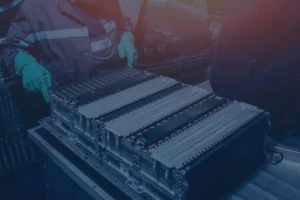
A battery module contains multiple connected cells, while a larger pack may combine several modules with protective structures, cooling systems, and battery management electronics.
The size and configuration of these batteries affect how they’re transported, handled, and recycled, especially in high-voltage applications.
How to Prepare NCA Batteries for Recycling
Proper preparation is important when recycling NCA batteries, especially larger battery packs used in electric vehicles and industrial equipment. Follow these steps to help reduce safety risks and ensure the batteries are handled appropriately.
Step 1: Identify the Battery Chemistry
Check the battery label, manufacturer’s documentation, or technical specifications to determine whether it uses NCA chemistry.
A battery labeled simply “Li-ion” isn’t necessarily an NCA battery, since lithium-ion batteries can contain several different cathode chemistries.
Step 2: Inspect the Battery’s Condition
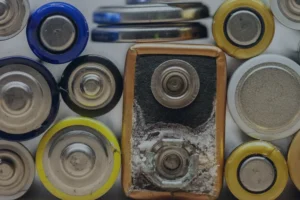
Check for visible damage, including swelling, punctures, leaks, corrosion, or signs of overheating.
Damaged, defective, or recalled batteries require specialized handling and should not be mixed with ordinary battery recycling collections. If a battery appears unsafe, avoid unnecessary handling and contact a qualified recycling provider for instructions.
Step 3: Protect Exposed Battery Terminals
Exposed terminals can create short circuits if they contact metal objects or other batteries.
For intact batteries, use appropriate nonconductive terminal protection or individual packaging according to your recycling provider’s instructions. Keep battery identification labels visible whenever possible.
Step 4: Store Batteries Safely Before Collection
Store intact NCA batteries in a cool, dry, appropriately managed location away from excessive heat, physical damage, and flammable materials.
Avoid stacking loose batteries, placing them in ordinary scrap-metal containers, or storing them where terminals could accidentally contact conductive materials.
Step 5: Do Not Dismantle Battery Packs Yourself
Large NCA battery packs can retain dangerous amounts of electrical energy even when they appear depleted.
Never attempt to open, discharge, disconnect, or dismantle high-voltage battery packs without the necessary training and equipment. These procedures should be performed by qualified personnel.
Step 6: Confirm Recycling and Transportation Requirements
Before arranging collection, contact EACR Inc. with the battery’s chemistry, manufacturer, size, condition, and quantity.
Transportation and packaging requirements may differ for intact, damaged, or equipment-installed batteries. For additional preparation instructions, read our guide on preparing batteries for recycling.
What Happens During NCA Battery Recycling?
Once NCA batteries reach an appropriate recycling operation, they undergo several stages designed to separate components and recover usable materials.
The exact process depends on the battery’s condition, design, and the recycling facility’s equipment.
- Collection and Identification: Batteries are evaluated and sorted according to their chemistry, size, design, and condition.
- Safe Processing: Depending on the facility, batteries may undergo controlled discharge, dismantling, shredding, or other specialized processing procedures.
- Material Separation: Processing separates different material fractions, including metals, electrode materials, plastics, and other components.
- Material Recovery: Specialized refining methods may recover nickel, cobalt, lithium, copper, and other materials for further processing and manufacturing.
Some facilities use mechanical processing, while others employ hydrometallurgical or pyrometallurgical recovery methods.
Not every recycling facility recovers the same materials or achieves the same recovery rates. However, specialized recycling helps return materials from spent NCA batteries to the manufacturing supply chain.
Frequently Asked Questions About NCA Battery Recycling
What Does NCA Stand for in Batteries?
NCA stands for lithium nickel cobalt aluminum oxide, the material used in the battery’s positive electrode, or cathode.
Are NCA Batteries Lithium-Ion Batteries?
Yes. NCA is a specific type of rechargeable lithium-ion battery chemistry distinguished by the composition of its cathode.
What Is the Difference Between NCA and NMC Batteries?
NCA batteries use lithium nickel cobalt aluminum oxide cathodes, while NMC batteries use lithium nickel manganese cobalt oxide cathodes. Both are lithium-ion chemistries, but their material compositions and performance characteristics differ.
Do NCA Batteries Contain Cobalt?
Yes. Cobalt is one of the elements found in the NCA cathode, although the amount varies depending on the battery formulation.
Are NCA Batteries Used in Electric Vehicles?
Yes. NCA batteries have been used in certain electric vehicles, including some Tesla models. However, battery chemistry varies by manufacturer, vehicle model, and production year.
Can You Throw Away NCA Batteries?
No. NCA batteries should not be placed in ordinary household trash or curbside recycling bins because lithium-ion batteries can create fire and safety hazards when improperly handled.
Can Damaged NCA Batteries Be Recycled?
Damaged NCA batteries may still qualify for specialized recycling, but they require additional safety precautions, packaging, and transportation arrangements. Contact a qualified recycling provider before handling or shipping them.
Can NCA Batteries Be Shipped for Recycling?
Certain NCA batteries may be eligible for shipment through approved battery recycling programs. Eligibility depends on battery size, condition, packaging, and applicable hazardous materials transportation requirements.
Where Can You Recycle NCA Batteries?
Contact EACR Inc. about recycling qualifying NCA batteries at our facility at 1950 Rutgers University Blvd, Lakewood, NJ 08701. Call (732) 370-4100 to confirm acceptance, facility drop-off requirements, or available commercial pickup arrangements.
Recycle Your NCA Batteries With EACR Inc.
NCA batteries contain lithium, nickel, cobalt, aluminum, and other materials that can be recovered through specialized recycling processes. Whether you’re managing individual cells or larger battery packs, proper preparation is essential, particularly when dealing with damaged batteries, exposed terminals, or high-voltage equipment.
At EACR Inc., we’re a battery recycling company providing battery recycling services for individuals, businesses, manufacturers, and organizations. Our options include qualifying facility drop-offs, commercial battery recycling pickups, e-waste collection containers, and approved mail-in arrangements.