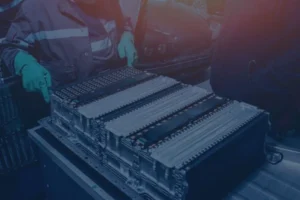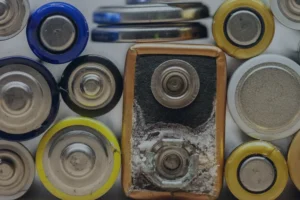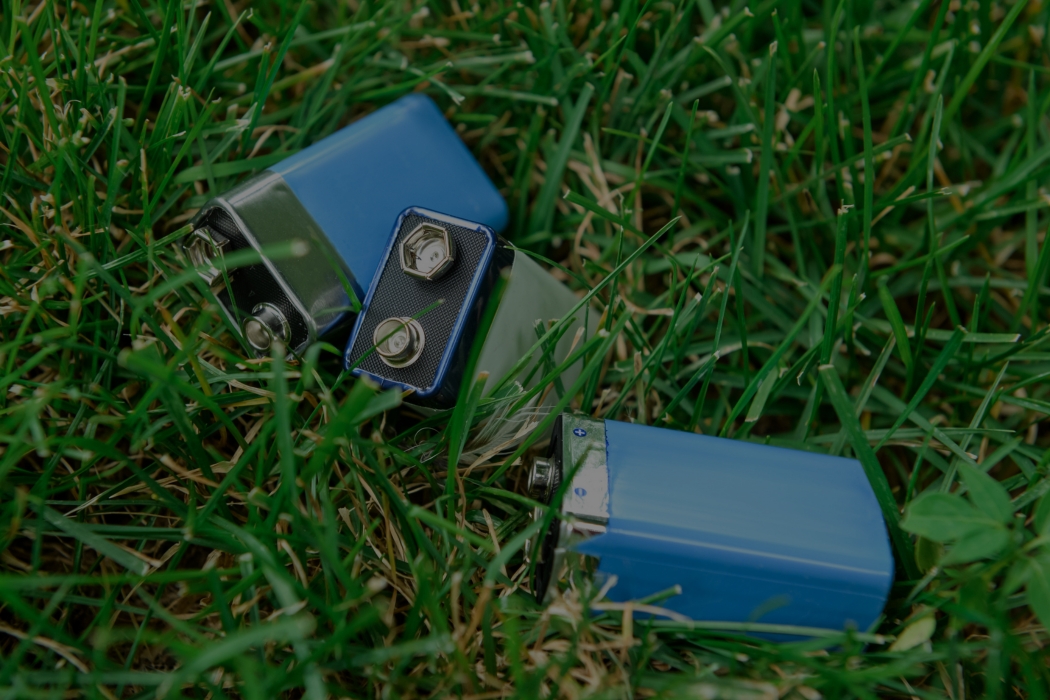
Batteries should not end up in landfills because they can create fire hazards, leak toxic materials, contaminate soil and water, and waste reusable materials. A battery may look small and harmless, but once it is crushed, punctured, overheated, or left to corrode, it can become a serious environmental and safety problem.
Many batteries contain metals and chemicals that require proper handling. Lithium-ion, lead-acid, nickel-cadmium, and rechargeable batteries are especially concerning because they can contain hazardous materials or create fire risks when damaged.
Even small household batteries can cause problems when disposed of incorrectly. Improperly discarded batteries can be crushed in garbage trucks, damaged inside recycling facilities, or left to break down in landfills over time.
If your home, business, school, or facility has used batteries to dispose of, EACR Inc. provides licensed battery recycling services to help keep batteries out of landfills and in the proper recycling stream.
Why Batteries Do Not Belong in Landfills
Batteries are not ordinary trash. They are made with metals, chemicals, casings, electrolytes, separators, and internal components that can create problems when they are not handled properly.
When buried in landfills, batteries may corrode, crack, swell, leak, or break down over time. Moisture, pressure, heat, and contact with other waste can speed up that process.
Once the battery casing is damaged, chemicals inside the battery may escape into the surrounding environment. That can create risks for soil, groundwater, landfill workers, waste facilities, and nearby ecosystems.
Rechargeable batteries are especially concerning. Lithium-ion, lead-acid, and nickel-cadmium batteries can pose environmental and health risks because they may contain toxic metals or reactive materials that should not be left unmanaged in a landfill.
What Happens When Batteries Break Down?
When batteries break down, the issue is not just that they take up space. The real concern is what can escape from the battery once the casing fails.
Corrosion and leaking
Battery casings can weaken over time, especially when exposed to moisture, pressure, heat, or harsh landfill conditions. As the casing breaks down, the battery may corrode, crack, or leak.
Leaking batteries may release corrosive or toxic materials. Depending on the battery type, that could include acidic electrolyte, alkaline substances, heavy metals, or other chemical compounds.
This is why old, swollen, damaged, or leaking batteries should be separated and recycled properly instead of being tossed into regular trash.
Soil and groundwater contamination
When battery chemicals leak, they can move into surrounding soil. Over time, some materials may also reach groundwater, especially if batteries are buried, crushed, or left to decay in large quantities.
Common concerning materials can include:
- Lead
- Cadmium
- Lithium
- Cobalt
- Nickel
Contamination can affect soil quality, water quality, plants, wildlife, and nearby communities. Even when the effect is not immediate, battery waste can create long-term environmental concerns.
Wasted reusable materials
Batteries also contain reusable materials that can often be recovered through recycling. When batteries go to landfills, those materials are buried instead of being put back into productive use.
Depending on the battery type, recoverable materials may include:
- Copper
- Aluminum
- Lead
- Nickel
- Cobalt
- Lithium
Recycling helps conserve resources, reduce the need for newly mined materials, and keep reusable battery components in the proper recovery stream.
Battery Fire Risks in Trash and Landfills
Battery fires are one of the biggest reasons batteries should never be tossed into regular trash or curbside recycling bins.
Lithium-ion and nickel-cadmium batteries can overheat when damaged. If a battery is punctured, crushed, compacted, or short-circuited, it can spark, smoke, release toxic fumes, catch fire, or even explode.
This can happen at several points in the waste process, including:
- Garbage trucks
- Transfer stations
- Recycling facilities
- Sorting lines
- Landfills
Garbage trucks are especially risky because waste is often compacted during collection. If a hidden battery is crushed against metal or other materials, it may short-circuit and ignite nearby trash.
Recycling facilities also face serious risks. Batteries placed in curbside bins can be crushed or damaged by sorting equipment, creating fires that may injure workers, damage machinery, shut down operations, and create costly cleanup issues.
Landfills are not immune either. Batteries buried with other waste can be damaged by pressure, heat, or chemical reactions. Once a battery fire starts around combustible landfill material, it can be difficult and dangerous to control.
Which Batteries Are Most Concerning?
Different batteries create different risks, but several types deserve extra attention because of their chemistry, size, or common use.
Lithium-ion batteries
Lithium-ion batteries are found in phones, laptops, tablets, power tools, e-bikes, scooters, cameras, toys, portable chargers, and many other electronics.
They are powerful and rechargeable, but they can become dangerous if punctured, crushed, overheated, swollen, or short-circuited. Damaged lithium-ion batteries may spark, vent, smoke, or catch fire.
Lithium-ion batteries can also contain materials such as lithium, cobalt, nickel, copper, aluminum, and other components that may be recoverable through proper recycling.
Lead-acid batteries
Lead-acid batteries are commonly found in cars, trucks, forklifts, UPS systems, backup power systems, telecom equipment, and industrial applications.
They contain lead and acid-based components, which makes proper handling extremely important. These batteries should never be dumped, thrown away, or mixed into general waste.
Lead-acid batteries are highly recyclable when handled through the correct recycling process, but improper disposal can create serious contamination risks.
Nickel-cadmium batteries
Nickel-cadmium batteries are found in some older power tools, emergency lighting systems, medical devices, backup systems, and industrial equipment.
Cadmium is toxic, which makes these batteries an environmental concern when they are not recycled properly. They should be collected separately and sent through an appropriate battery recycling program.
Even if the battery is old or no longer common, it still needs careful handling.
Button cell and small household batteries
Small batteries can still cause big problems. Button cell batteries are commonly found in watches, hearing aids, key fobs, calculators, toys, thermometers, remotes, and medical devices.
Their small size does not mean they are harmless. Some button cells and small household batteries may contain metals or chemicals that require proper disposal.
Because they are easy to overlook, small batteries often end up in trash by mistake. Collecting them in a safe container and recycling them through the right program is the better option.
Environmental and Health Impacts
The issue is not just that batteries take up space in landfills. The bigger problem is what can happen after they are crushed, damaged, burned, corroded, or left unmanaged.
Battery chemicals can harm soil, water, plants, wildlife, and people. When batteries break down, they may release metals, acids, electrolytes, and other materials into the surrounding environment.
Heavy metals can persist in the environment for a long time. Once they enter soil or water, they do not simply disappear. Contaminated soil can affect plant growth, while contaminated water can affect aquatic ecosystems, wildlife, and drinking water sources.
Improper or informal battery handling can also create serious health risks. Exposure to lead, cadmium, and other toxic metals can be dangerous, especially when batteries are broken open, burned, dumped, or handled without the right controls.
What Should You Do With Used Batteries Instead?
Batteries should be collected and recycled through the proper channels. The right option depends on the battery type, quantity, condition, and whether you are recycling as a household, business, school, municipality, or facility.
Recycle through the right program
Used batteries can often be recycled through battery recycling programs, electronics recyclers, retailers, municipal collection events, or household hazardous waste drop-offs.
Small household quantities may be handled through local drop-off options. Businesses and facilities with larger quantities should schedule proper pickup, especially if the batteries are damaged, mixed, heavy, or stored in bulk.
Store batteries safely before recycling
Before recycling, store batteries in a cool, dry place away from heat, moisture, and direct sunlight. Keep them separated when possible, especially if they are loose or mixed with other battery types.
Tape terminals when needed to reduce the risk of contact between batteries or metal objects. Another option is to place similar batteries individually or side by side in clear plastic bags so the ends do not touch.
Damaged or leaking batteries should be kept separate from intact batteries. If possible, place them in a plastic bag and clearly identify them before pickup or drop-off.
Do not put batteries in curbside bins
Curbside trash and recycling bins are not the right place for batteries. Even if a battery looks dead, it can still create problems during collection and sorting.
Batteries can be crushed in garbage trucks, damaged by sorting equipment, or mixed with flammable materials. That increases the risk of sparks, fires, toxic fumes, and facility damage.
Use designated battery recycling options instead of placing batteries in household trash or curbside recycling.
Battery Recycling Helps Recover Reusable Materials
Recycling keeps batteries out of landfills and helps recover reusable metals and components. Instead of burying those materials, recycling gives them a chance to be processed and reused in new products, batteries, or industrial applications.
Depending on the battery type, recycling may recover materials such as lead, lithium, nickel, cobalt, copper, aluminum, steel, and plastics. Recovering these materials can reduce demand for newly mined raw materials and support a more circular approach to battery use.
Battery recycling can also reduce carbon emissions compared with producing materials from virgin sources. When materials are recovered and reused, fewer resources need to be extracted, transported, and processed from scratch.
For businesses, schools, warehouses, municipalities, and healthcare facilities, battery recycling also supports safer operations, cleaner storage areas, and better disposal documentation. It turns battery disposal from a risk into a managed process.
Recycle Batteries Before They Become a Problem
Batteries do not belong in landfills. When they are thrown away, they can leak chemicals, contaminate soil and water, create fire risks, release toxic fumes, and waste reusable materials.
The safer option is to collect, store, and recycle batteries through the proper channels. That helps protect workers, facilities, communities, and the environment.
EACR Inc. provides licensed battery recycling services for businesses, schools, municipalities, healthcare facilities, and organizations. Contact EACR Inc. to schedule battery recycling pickup or discuss a responsible disposal plan.