Marine battery recycling starts with one simple rule: boat batteries are heavy, exposed to moisture, and should never be thrown in regular trash. Boat owners, marinas, and marine service facilities often build up old batteries during seasonal maintenance, upgrades, storage prep, or battery replacements, including starting batteries, trolling motor batteries, deep-cycle marine batteries, and onboard battery banks.
This guide explains where to recycle marine batteries, what types of marine batteries need different handling, when drop-off works, when pickup makes more sense, how to safely prepare batteries, and what documentation marinas and marine businesses should keep. For larger loads, EACR Inc.’s battery recycling services and commercial battery pickup options can help marinas, boatyards, marine service facilities, and fleet operators manage old batteries safely.
Quick Answer: How to Recycle Marine Batteries
Most marine batteries are recycled through one of three routes: marine battery drop-off locations, retail battery take-back programs, or scheduled battery recycling pickup.
If you have one or two personal boat batteries, a drop-off location or retail take-back option may work. If you manage commercial volume, damaged marine batteries, or batteries from a marina, boat dealership, or marine repair facility, scheduled pickup is usually the cleaner and safer option.
Damaged marine batteries need controlled handling, especially if they are leaking, cracked, corroded, swollen, wet, or showing signs of overheating.
What Counts as a Marine Battery?
Different marine battery types require different handling
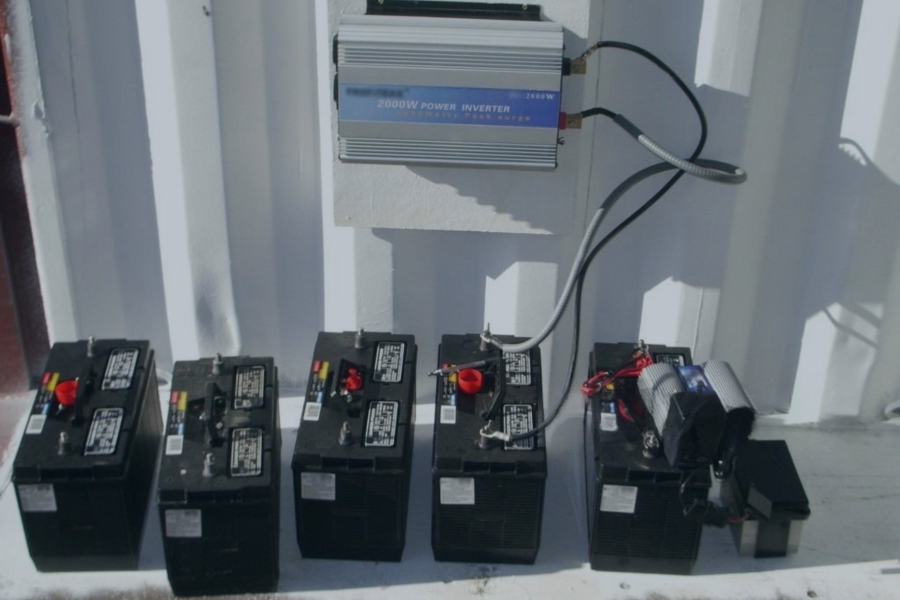
Marine batteries are not all the same. Common types include lead-acid marine batteries, AGM batteries, gel batteries, and lithium batteries.
They can also serve different roles. Starting batteries help start the boat’s engine. Deep-cycle batteries provide steady power for electronics, trolling motors, lights, and onboard systems. Dual-purpose marine batteries are designed to handle both starting power and cycling needs. Trolling motor batteries are often deep-cycle batteries built for repeated discharge and recharge.
Why battery type matters for recycling
Battery type affects how the battery should be stored, transported, and recycled. Lead-acid, AGM, gel, and lithium batteries may move through different recycling streams.
Marine environments can also create extra concerns. Moisture, saltwater exposure, and corrosion can make terminals, casings, and connections more unstable. Lithium marine batteries often require separate handling, especially if they are damaged, swollen, or exposed to water.
Sorting batteries correctly helps reduce safety risks and keeps the recycling process more organized from the start.
Option 1: Marine Battery Drop-Off Locations
Best for individual boat owners
Drop-off locations usually make the most sense for individual boat owners with one or two batteries. This can be a simple option after seasonal battery replacements, boat storage prep, or a small upgrade.
The main thing is to make sure the battery is intact, stable, and accepted by the location before you transport it.
Common marine battery drop-off locations
Marine batteries may be accepted at electronics recycling companies like EACR Inc., battery recycling containers, marine supply retailers, auto parts stores, or municipal e-waste programs.
Availability depends on the site. Some locations may accept standard lead-acid marine batteries but not lithium marine batteries. Others may have limits on size, condition, or quantity.
Confirm accepted battery types before transport
Before loading batteries into a vehicle, call ahead or check the program rules. Confirm whether the location accepts your battery type, battery size, and battery condition.
Ask about lithium restrictions, damaged battery exclusions, size limitations, quantity limits, and whether wet or leaking batteries are accepted. A location that works for one intact boat battery may not work for a commercial load from a marina or service facility.
Option 2: Retail Take-Back Programs
Some marine battery retailers offer take-back options
Some marine supply stores, battery retailers, and auto parts stores offer take-back options when you buy a replacement battery.
This may happen through a core exchange, trade-in system, or return program tied to a new battery purchase. For individual boat owners replacing one battery, this can be convenient.
Retail programs may not accept every battery
Retail programs often have limits. They may not accept oversized batteries, damaged batteries, lithium batteries, or large quantities.
Commercial loads can also be a problem. If a marina, boatyard, or repair facility has multiple batteries from customer boats, service jobs, or seasonal replacements, scheduled pickup is usually more practical than trying to use a retail counter.
Option 3: Scheduled Marine Battery Recycling Pickup
Best for larger battery quantities
Scheduled pickup is usually the best option for marinas, boat dealerships, marine repair facilities, fleet operators, boatyards, yacht clubs, and seasonal storage facilities.
It also makes sense during seasonal cleanouts, fleet maintenance, repower projects, dockside service work, or battery bank upgrades where old batteries start piling up quickly.
Why pickup simplifies marine battery recycling
Pickup makes the process easier because heavy batteries do not need to be moved one at a time by staff or customers. It can help with safer handling, loading assistance, organized logistics, cleaner documentation, and multi-site coordination.
For businesses, pickup also creates a more controlled process. You can track where the batteries came from, how many were removed, what condition they were in, and when they were picked up.
Pickup is often safer for damaged marine batteries
Damaged marine batteries should not be treated like normal scrap. Leaking batteries, saltwater-corroded terminals, cracked casings, swollen lithium batteries, and unstable terminals all need extra care.
Scheduled pickup gives you a safer way to separate damaged units, label them clearly, and route them through controlled transportation instead of forcing them into a drop-off program that may not accept them.
How to Prepare Marine Batteries for Recycling
Marine battery recycling goes much smoother when the batteries are sorted, staged, and labeled before pickup or drop-off. This matters even more in marine environments because moisture, corrosion, and heavy battery weight can create safety issues fast.
Step 1: Identify and separate battery chemistries
Start by checking the battery labels. Look for the battery chemistry, voltage, size, brand, and any markings that show whether the battery is lead-acid, AGM, gel, or lithium.
Separate lithium batteries from lead-acid batteries right away. They should not be mixed together casually because they may require different handling, transportation, and recycling routes.
Also look for damage or corrosion. Marine batteries are often exposed to moisture, salt air, and rough storage conditions, so check for cracked cases, leaks, swollen lithium batteries, corroded terminals, loose connections, unusual odors, or heat. Any battery that looks damaged should be separated from intact units.
Step 2: Store marine batteries safely before transport
Keep marine batteries upright, stable, and in a dry staging area. Avoid leaving them outside where rain, saltwater, or standing moisture can make corrosion worse.
Protect the terminals and keep batteries away from metal objects. Tools, wires, scrap metal, and loose hardware can create a shorting risk if they contact the battery posts.
Try to stage batteries in a controlled area away from foot traffic, fuel, heat sources, and anything flammable. The goal is simple: keep them dry, stable, separated, and easy to access when it is time for pickup or transport.
Step 3: Package and label batteries
Use sturdy containers, bins, or pallets that can handle the weight. Marine batteries are heavy, so weak boxes or unstable stacks can create lifting and transport problems.
Label batteries or loads with basic details, including battery type, quantity, condition, and source location. If a battery is damaged, leaking, swollen, or heavily corroded, mark it clearly.
During transport, batteries should stay secure. They should not tip, slide, crush each other, or make terminal-to-terminal contact.
Marine Battery Recycling Safety Basics
Marine batteries are not just heavy objects. They contain stored energy and materials that need proper handling.
Marine batteries contain stored energy and hazardous materials
Depending on the battery type, marine batteries can create risks related to acid exposure, fire, electrical shorting, corrosion, and heavy lifting injuries.
Lead-acid batteries can leak acid if cracked or mishandled. Lithium batteries can become a fire concern if they are damaged, overheated, punctured, or exposed to unsafe conditions. Corroded terminals can also make handling unpredictable, especially when batteries have been stored in wet or salty environments.
Damaged marine batteries require extra caution
Damaged marine batteries should never be tossed into a mixed pile. If a battery is leaking acid, saltwater-damaged, swollen, hot, cracked, or giving off an unusual smell, isolate it immediately.
Keep damaged batteries away from intact batteries, fuel, flammable materials, and high-traffic areas. Label them clearly so anyone handling the load knows they require extra care.
If a lithium battery is swelling, overheating, smoking, or unstable, stop handling it and contact a qualified battery recycling provider for guidance.
Common mistakes to avoid
Avoid stacking loose batteries without support. A battery can tip, crack, crush another unit, or create terminal contact if the load shifts.
Do not mix damaged and intact units. This makes the load harder to manage and increases handling risk.
Do not store batteries near fuel, flammable materials, heat sources, or loose metal. Do not leave marine batteries exposed to weather. And most importantly, do not throw marine batteries into dumpsters or regular trash.
Marine Battery Recycling Rules and Documentation
Battery recycling requirements depend on the battery type, quantity, condition, and how the batteries are being transported.
Recycling requirements vary by battery type and quantity
One intact battery from a personal boat is different from a marina cleanout or commercial battery replacement project.
Larger loads may involve transportation expectations, local or state regulations, marina policies, vendor requirements, and damaged battery handling rules. Lithium batteries, leaking batteries, and corroded batteries may also need more controlled routing than standard intact lead-acid batteries.
When in doubt, sort by chemistry, separate damaged units, and work with a recycling provider that can explain the right path for the load.
Businesses should maintain recycling records
Marinas, boatyards, marine service facilities, dealerships, and fleet operators should keep clear recycling records.
Useful records include pickup records, battery quantities, battery chemistry notes, condition notes, and certificates of recycling. These records can support internal reporting, vendor management, and sustainability goals.
Documentation also helps answer a basic but important question: where did the batteries go after they left the facility?
What Happens After Marine Batteries Are Recycled?
After collection, marine batteries are sorted and routed based on chemistry, condition, and downstream recycling requirements.
Batteries are sorted by chemistry and condition
Lead-acid batteries are typically routed into a process designed for lead, plastic casing, and electrolyte handling. Lithium batteries are separated and sent through appropriate lithium battery recycling channels.
Damaged batteries may require controlled handling before downstream processing. Marine corrosion also matters because wet, saltwater-exposed, or heavily corroded units may be less stable to move and sort.
Reusable materials are recovered through downstream recycling
Marine batteries contain reusable materials that can be recovered when routed properly. Depending on the battery type, this may include lead, plastics, metals, and lithium-related materials.
The goal is to move batteries into approved downstream recycling channels instead of dumpsters, landfills, or informal scrap handling. Proper recycling helps recover materials while reducing safety and environmental risks.
Frequently Asked Questions About Marine Battery Recycling
Can marine batteries go in the trash?
No. Marine batteries should not go in regular trash or dumpsters. They contain stored energy and materials that need to be handled through proper battery recycling channels.
Where can I recycle marine batteries near me?
You may be able to use electronics recycling companies like EACR Inc., battery drop-off sites, marine supply retailers, auto parts stores, or municipal e-waste programs. Always confirm the location accepts your specific battery type, size, quantity, and condition before transport.
Are lithium marine batteries recyclable?
Yes, lithium marine batteries can be recycled, but they often need separate handling from lead-acid, AGM, and gel batteries. Damaged lithium batteries require extra caution.
Can damaged marine batteries be recycled?
Yes, but damaged marine batteries should be isolated, labeled, and handled carefully. Leaking, swollen, cracked, corroded, overheated, or saltwater-damaged batteries may require controlled pickup instead of standard drop-off.
How long do marine batteries last?
Most marine batteries last about 3 to 5 years, but lifespan depends on battery type, charging habits, maintenance, storage conditions, and exposure to saltwater or moisture.
A battery may need replacement sooner if it struggles to hold a charge, takes longer to recharge, shows corrosion, swells, leaks, overheats, or loses power faster than normal.
Do marinas recycle marine batteries?
Some marinas recycle batteries directly or work with recycling providers to remove them. Larger marinas, boatyards, dealerships, and service facilities often use scheduled battery pickup because it is easier to manage volume, documentation, and damaged units.
What records should marine businesses keep?
Marine businesses should keep pickup records, battery quantities, battery chemistry notes, condition notes, and certificates of recycling when available.
Can multiple marine batteries be picked up at once?
Yes. Scheduled pickup is often the best option for multiple marine batteries, especially for marinas, boatyards, yacht clubs, service centers, dealerships, and fleet operators.
Conclusion
Marine battery recycling starts with a few simple steps: identify the battery type, separate damaged batteries, choose the proper recycling route, and keep batteries secure and stable before transport.
If you are a boat owner, marina, marine service facility, dealership, or fleet operator, EACR Inc. can help with marine battery recycling, battery pickup services, and recycling documentation support. EACR Inc.’s battery recycling services are also a practical option for commercial battery loads, marina cleanouts, and marine facility battery pickups.