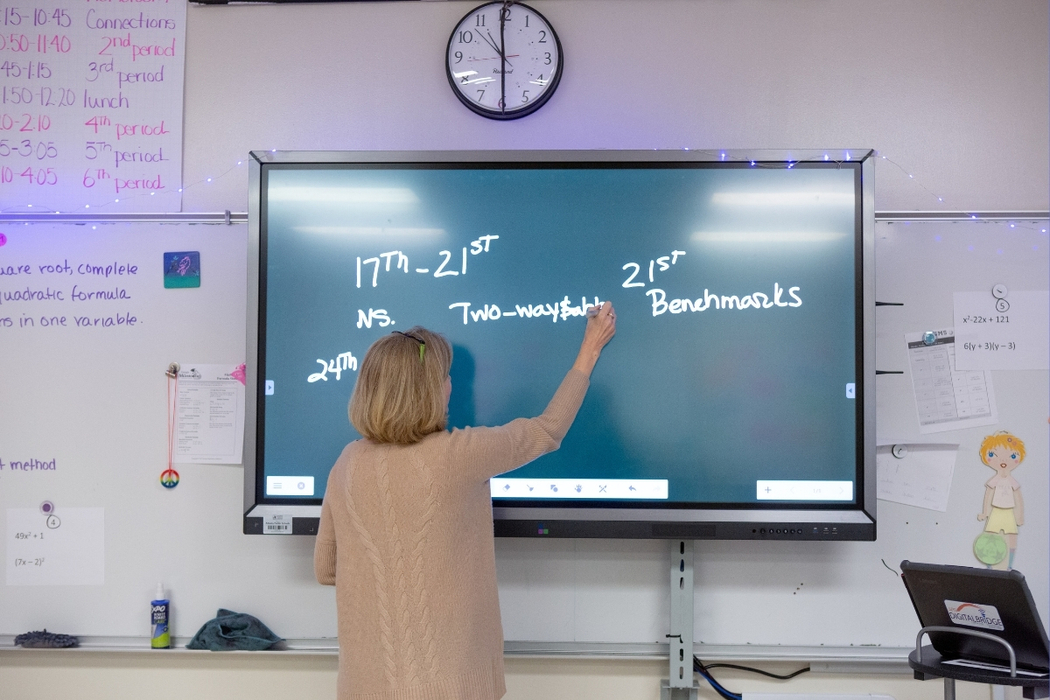
Smartboard recycling has become increasingly important as classrooms and offices upgrade to newer, more advanced models. Smartboards—also known as interactive whiteboards—revolutionized how teachers present lessons and how businesses collaborate during meetings. But like all technology, these devices eventually reach the end of their life cycle. When that happens, they can’t just be thrown away. They contain metals, plastics, glass, and electronic components that need proper handling.
EACR Inc. makes this process simple by offering licensed electronics recycling services for schools, offices, and government facilities throughout the Northeast—helping organizations recycle smartboards safely, responsibly, and sustainably.
Why Smartboard Recycling Matters
Environmental Impact of Improper Disposal
When smartboards end up in landfills, they don’t just take up space—they create long-term environmental problems. The LCD screens can release heavy metals and chemicals as they break down. Plastics and glass don’t decompose, meaning these materials sit in the environment for decades. Circuit boards and wiring also contain trace metals that can leach into soil and water, posing health risks to nearby communities. Recycling smartboards ensures these materials are recovered, reused, and kept out of landfills entirely.
Recoverable Materials in Smartboards
Despite their complexity, smartboards are full of materials that can be recycled and reused. Inside each device, you’ll find:
- Aluminum frames that can be melted down and repurposed.
- Circuit boards containing copper, and other recoverable metals.
- Copper wiring used throughout the system.
- LED or LCD panels with glass and backlighting components.
- Plastic housing that can be recycled into new products.
Through proper smartboard recycling, these materials are separated, recovered, and given a second life—reducing the need for new raw materials and minimizing waste.
What’s Inside a Smartboard (and Why It’s Recyclable)
Common Components
Modern smartboards combine several layers of technology into one device. Common components include:
- LCD/LED display panel that provides the visual interface.
- Touch sensor grid that detects interaction from fingers or pens.
- Plastic and aluminum housing for structure and durability.
- Circuit boards that process input and connect the display to computers.
- Control modules and ports for HDMI, USB, and power connections.
- Wiring, mounts, and accessories that keep the system powered and stable.
Each of these components can be broken down and processed during recycling, ensuring nothing usable goes to waste.
Hazardous Materials That Require Special Handling
While many parts of a smartboard are recyclable, some materials require expert care. Older models may contain mercury in backlights, while circuit boards often use lead solder and other regulated substances. These materials must never be handled or discarded casually—they need to be managed by professionals who follow strict environmental and safety procedures.
EACR Inc. specializes in this type of recycling, ensuring all materials are safely removed and disposed of while recyclable components are recovered responsibly.
The Smartboard Recycling Process
Step 1: Collection and Transportation
The smartboard recycling process begins with collection. EACR Inc. coordinates pickups, drop-offs, and e-waste container programs designed to fit the needs of schools, offices, and municipalities. For smaller loads, clients can schedule a direct pickup or bring their devices to EACR’s Lakewood, NJ facility. Larger organizations benefit from bulk collection programs, where container units are delivered on-site, filled with e-waste, and transported for recycling once full. Every collection is managed with care to ensure safety, compliance, and convenience.
Step 2: Data & Device Security
Many modern smartboards store digital information—lesson plans, meeting notes, network credentials, and user data. Before any recycling begins, EACR Inc. performs secure data destruction on each device. Memory components are wiped or physically destroyed to ensure no retrievable data remains. This step provides complete peace of mind for schools, businesses, and government agencies that handle sensitive information daily.
Step 3: Dismantling and Material Separation
Once devices arrive at EACR’s facility, trained technicians process each smartboard. Components such as glass screens, aluminum frames, plastics, and electronic boards are separated. Our process ensures maximum recovery of recyclable materials and minimizes environmental risk.
Step 4: Responsible Material Recovery
After dismantling, materials are processed for reuse. Metals like copper and aluminum are melted down for manufacturing; plastics are repurposed; and electronic components are safely broken down. Nothing goes to waste—EACR Inc. operates under a zero-landfill policy, ensuring that all recyclable elements are diverted from landfills and reintroduced into the production cycle responsibly.
Who Needs Smartboard Recycling Services?
Schools and Universities
Schools are constantly upgrading their classroom technology to meet new educational standards. Old smartboards are often replaced with newer, more efficient systems. Through smartboard recycling, educational institutions can responsibly dispose of outdated devices, reclaim space, and demonstrate environmental stewardship—all while staying compliant with disposal regulations.
Corporate Offices and Conference Centers
Businesses and conference centers rely on interactive displays for meetings, training sessions, and presentations. As these systems age, smartboard recycling ensures they are removed and processed responsibly. EACR Inc. provides bulk recycling programs for companies upgrading multiple displays at once, making the transition to new technology easy and environmentally sound.
Government and Municipal Facilities
Public facilities such as libraries, training centers, and municipal buildings frequently update their technology to support digital initiatives. EACR Inc. works directly with government agencies to recycle smartboards safely.
How to Prepare a Smartboard for Recycling
Before scheduling pickup or drop-off:
- Disconnect power and all cables.
- Remove wall mounts, stands, or brackets.
- Check for internal storage or connected devices that may contain data.
- Label each unit if part of a larger collection.
- Contact a licensed recycler like EACR Inc. to arrange a container, pickup, or drop-off.
These simple steps help ensure the recycling process is smooth, efficient, and secure.
Smartboard Disposal vs. Recycling: What’s the Difference?
Disposal often means tossing devices into landfills or sending them to facilities that only scrap partial materials. Smartboard recycling, on the other hand, ensures every recoverable component is reused and all hazardous substances are managed responsibly. It’s the difference between creating waste and closing the loop on sustainability.
Why Choose EACR Inc. for Smartboard Recycling
- Licensed electronics recycling company serving the Northeast.
- Over 25 years of experience handling school and corporate technology
- Zero-landfill policy that guarantees environmentally safe recycling
- Multiple options: drop-off, mail-in, and bulk pickup programs for convenience
EACR Inc. makes smartboard recycling simple, scalable, and compliant for organizations of any size.
FAQs About Smartboard Recycling
Can smartboards be recycled like regular TVs or monitors?
Do smartboards store any data that must be wiped?
Can accessories like pens, cables, or mounts be recycled too?
Does EACR Inc. offer bulk recycling for schools or districts?
What if the smartboard is damaged or cracked?
Conclusion: Responsible Smartboard Recycling Protects the Future
Smartboard recycling isn’t just about clearing storage rooms or upgrading to new tech—it’s about protecting the environment, meeting compliance standards, and recovering reusable materials that reduce waste.
EACR Inc. helps schools, offices, and government facilities recycle smartboards safely, securely, and sustainably. Contact EACR Inc. today to schedule a pickup or organize a recycling event for your facility.