Recycling conveyor systems is not always as simple as scrapping a few metal frames and calling it done. Many conveyor lines include belts, rollers, motors, wiring, sensors, electrical cabinets, control panels, and other parts that need to be handled the right way.
For businesses, this usually comes up during warehouse upgrades, production line changes, facility cleanouts, equipment replacements, or full site closures. A conveyor system that once kept material moving can quickly become a bulky removal project if there is no plan for dismantling, staging, loading, and recycling.
The important thing to understand is that conveyor systems are often mixed-material equipment. Some parts may belong in a scrap metal stream, while others may need electronics recycling, motor recovery, wire processing, or separate handling based on condition and material type.
If your business is removing conveyor equipment with motors, wiring, controls, or electronic components, EACR Inc., an e-waste recycling business can help coordinate responsible recycling, pickup routing, and documentation.
Quick Answer: How to Recycle Conveyor Systems
Most businesses have three realistic options for recycling conveyor systems: reuse or parts recovery, drop-off for smaller components, or scheduled pickup for full systems.
Reuse or Parts Recovery
If the conveyor system still works, or certain parts are in usable condition, reuse may be the first route to consider. Motors, rollers, frames, belts, controls, and support structures may be able to serve another purpose before the remaining material is recycled.
This is most practical when the equipment is still intact, not heavily damaged, and easy to remove without creating a safety issue. Even if the full system is outdated, some components may still be reusable.
Drop-Off for Smaller Components
Drop-off can work when the conveyor system has already been taken apart and the remaining parts are small enough to move safely. This may include small motors, wiring, sensors, control boards, rollers, brackets, or short belt sections.
This is usually not the best option for full conveyor lines. Long frames, large motors, bulky belts, electrical cabinets, and mixed equipment piles can be difficult to transport and may require more controlled handling.
Scheduled Pickup for Full Systems
Scheduled pickup is usually the best option for warehouses, manufacturing plants, recycling facilities, packaging lines, distribution centers, and other businesses removing full conveyor systems.
Full conveyor lines are bulky, heavy, and often mixed with electrical parts. Pickup helps simplify the process by giving the business a cleaner way to remove equipment, route materials properly, and keep records of what was collected.
For large equipment removals, scheduled pickup is usually the cleanest option because it reduces internal handling, limits confusion, and keeps the recycling process more organized from the start.
What Counts as a Conveyor System?
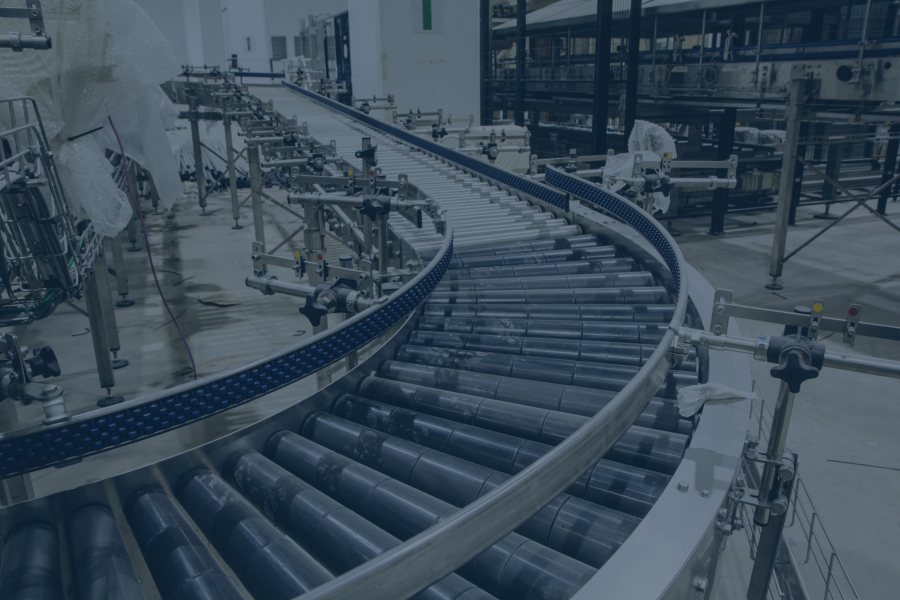
A conveyor system can be simple or complex depending on where it was used and how it was built. Some systems are basic non-powered roller lines, while others are powered, automated, and connected to sorting equipment, balers, packaging machines, or production lines.
Common Conveyor Equipment
Common conveyor equipment includes:
- Belt conveyors
- Roller conveyors
- Chain conveyors
- Incline conveyors
- Sorting conveyors
- Slider-bed conveyors
- Baler feed conveyors
- Packaging line conveyors
These systems are used in warehouses, distribution centers, manufacturing plants, recycling facilities, food and beverage operations, print shops, packaging facilities, and industrial production environments.
Components That May Need Recycling
Conveyor systems may contain a wide mix of recyclable and reusable materials, including:
- Steel frames
- Rubber or plastic belts
- Rollers and bearings
- Motors and gearboxes
- Wiring and cables
- Sensors and switches
- Control panels
- PLCs and circuit boards
- Electrical cabinets
The equipment may look like one large system, but it is usually made from several different material groups. That matters because each group may need a different recycling path.
Why Conveyor Type Matters
A simple non-powered roller conveyor is handled differently than a powered sorting line with motors, sensors, controls, and wiring. The more electrical components attached to the system, the more important it is to separate scrap metal from e-waste.
For example, a basic metal roller conveyor may be mostly frame, rollers, bearings, and support legs. A powered conveyor line may include motors, drives, wiring, control panels, sensors, safety switches, and circuit boards. Learn what circuit boards are made of here.
Why Conveyor System Recycling Matters
Conveyor systems are large, heavy, and often made from materials that should not be wasted. Recycling helps businesses clear space, recover reusable materials, and manage electronic components more responsibly.
Conveyor Systems Contain Reusable Materials
Conveyors often contain steel, aluminum, copper wiring, motors, rubber, plastics, and electronic components. Recycling helps recover these materials instead of leaving bulky equipment in storage or sending it to a landfill.
The metal frame may be the most obvious recyclable part, but it is not the only one. Motors, wiring, control panels, rollers, and electrical components can also contain materials that should be separated and processed correctly.
Old Conveyor Systems Take Up Facility Space
Outdated conveyors can block floor space, loading areas, storage rooms, and production zones. In some facilities, unused conveyor sections sit for months because no one has a clear removal plan.
That creates clutter, slows down other projects, and can get in the way of new equipment installations. A recycling plan helps businesses clear equipment faster during upgrades, cleanouts, moves, or facility changes.
Electrical Components Need Proper Handling
Powered conveyor systems may include control panels, sensors, switches, wiring, circuit boards, PLCs, and electrical cabinets. These components should not always be treated like basic scrap metal.
When conveyor systems include electronics, those parts may need to be routed through electronics recycling instead of being mixed into a general scrap stream. Proper handling helps keep the removal process cleaner, safer, and easier to document.
How to Prepare Conveyor Systems for Recycling
Conveyor system recycling goes smoother when the equipment is inventoried, separated where practical, staged safely, and labeled clearly before pickup or drop-off.
Step 1: Inventory the Equipment
Start by getting a basic picture of what needs to be removed. You do not need a perfect engineering report, but you should gather enough details to help with planning.
Track:
- Conveyor type
- Approximate length and width
- Number of sections
- Powered or non-powered equipment
- Motors, controls, wiring, and sensors
- Whether the system is dismantled or still installed
- Access limits, loading dock availability, and forklift needs
Photos are also helpful. A few clear images of the conveyor line, electrical components, access points, and staging area can make quoting and pickup planning much easier.
Step 2: Separate Materials When Practical
If the conveyor has already been dismantled, separate materials where it is safe and reasonable to do so.
Common groups include:
- Metal frames
- Belts
- Motors
- Wiring
- Rollers
- Electrical cabinets
- Sensors and control components
Do not create safety risks just to separate every part. If the equipment is large, unstable, still connected, or difficult to move, wait for proper removal support. It is better to keep the load controlled than to rush the breakdown and create a hazard.
Step 3: Stage and Label the Load
Once the equipment is ready, stage it in a way that keeps the facility safe and the pickup process simple.
Keep walkways clear, secure loose parts, avoid unstable stacking, and keep heavy items where they can be accessed safely. Belts, wiring, rollers, and smaller components should not be scattered across active work areas.
Label the equipment by site, quantity, condition, and contact person. If there are multiple loads or multiple locations, separate them clearly so nothing gets mixed up during removal.
Safety and Compliance Basics
Conveyor system recycling is not just a cleanup task. It can involve heavy equipment, electrical components, moving parts, and mixed materials that need to be handled carefully.
Why Conveyor Removal Can Be Risky
Old conveyor systems can be awkward and risky to move, especially when they are still installed, partially dismantled, or stacked in storage.
Heavy frames can shift during removal. Sharp metal edges can create cut hazards. Belts, rollers, and loose hardware can become trip hazards. Powered systems may also have exposed wiring, control cabinets, sensors, and motors that should not be handled casually.
Motors and gearboxes can be especially difficult because they are dense, heavy, and often attached to larger sections of the conveyor. If the equipment is unstable, damaged, or still connected to power, removal should be handled with extra care.
Basic Safety Rules
Before any conveyor system is removed, power should be disconnected. If the equipment is part of an active production line, follow lockout/tagout procedures when required so no one accidentally energizes the system during removal.
Do not pull wiring from live equipment, and do not assume old controls are safe just because the system is no longer being used. Belts, rollers, loose wiring, brackets, and small parts should be secured before moving sections through the facility.
Use trained personnel for dismantling, lifting, loading, and moving heavy equipment. Damaged, unstable, or partially dismantled conveyor sections should be separated from the rest of the load and clearly marked so they can be handled properly.
Records Businesses Should Keep
Documentation matters, especially for businesses managing equipment removal, facility cleanouts, audits, or sustainability reporting.
At minimum, keep records such as:
- Pickup or service record
- Site location
- Equipment description
- Estimated quantity or weight
- Condition notes
- Photos before removal
- Certificates of recycling
- Vendor information
- Date of removal
These records help show what was removed, where it came from, who handled it, and how it was routed after leaving the facility.
What Happens After Conveyor Systems Are Collected?
Once conveyor systems are collected, the equipment is usually sorted by material and component type. This is important because a conveyor system is not always one recycling stream.
Materials Are Sorted by Type
The first step is usually separating major material groups. Steel frames, aluminum sections, rollers, motors, wiring, belts, plastics, and electronic controls may all need different handling.
The goal is to recover reusable materials where possible while keeping electrical and non-metal components out of the wrong stream.
Metals, Motors, and Wiring Are Routed for Recovery
Steel, aluminum, and other metals are typically routed into metal recovery streams. Motors and gearboxes may be separated because they contain metal, copper, and other reusable materials.
Copper wiring and cables are also separated when possible. These materials should not be left mixed into a bulky equipment pile if they can be properly recovered.
Electronics Are Handled Separately
Control panels, sensors, circuit boards, PLCs, switches, and other electronic parts may need electronics recycling. These parts are different from basic scrap metal and should be routed through the right channel.
This is especially important for powered conveyor systems, automated sort lines, packaging lines, and older industrial systems that include electrical cabinets or control equipment.
Belts and Non-Metal Materials Are Reviewed
Conveyor belts, plastic guards, rubber parts, and other non-metal materials are handled based on material type, condition, and contamination. Some belts may require separate handling from the metal and electronic components.
The key point is simple: the frame, belt, motor, wiring, and controls may each need different handling. A good recycling plan accounts for that before the equipment leaves the site.
FAQs About Recycling Conveyor Systems
Can Conveyor Systems Be Recycled?
Yes. Conveyor systems can often be recycled because they contain metal frames, motors, wiring, rollers, belts, and electronic controls. The best recycling route depends on the size, condition, and type of conveyor system.
What Parts of a Conveyor System Are Recyclable?
Common recyclable parts include steel frames, aluminum sections, motors, copper wiring, rollers, bearings, control panels, sensors, and electrical components. Powered systems usually have more parts that need to be separated before processing.
Can Conveyor Belts Be Recycled?
Sometimes. Conveyor belt recycling depends on the belt material, condition, contamination, and local recycling options. Rubber, plastic, and fabric-reinforced belts may need different handling than metal parts.
Are Conveyor Motors Recyclable?
Yes. Conveyor motors are commonly recyclable because they contain metal, copper, and other reusable materials. Motors should be separated from the larger system when practical and safe.
Are Conveyor Control Panels Considered E-Waste?
Often, yes. Control panels may contain circuit boards, wiring, PLCs, switches, sensors, and other electronic components. These parts should usually be routed through electronics recycling instead of basic scrap metal.
What Is the Best Way to Recycle a Full Conveyor Line?
Scheduled pickup is usually best for full conveyor lines because the equipment is large, heavy, and often includes mixed materials. Pickup also helps businesses manage loading, routing, and documentation more cleanly.
Can EACR Inc. Help Recycle Conveyor Systems With Electronics?
Yes. EACR Inc. can help businesses manage conveyor-related electronics, wiring, controls, motors, and equipment recycling needs with pickup coordination and documentation.
Conclusion
Recycling conveyor systems starts with identifying what you have. A basic roller conveyor, a powered belt line, and an automated sorting conveyor may all require different recycling steps.
Businesses should separate what they can, stage equipment safely, and keep clear records before removal. The right recycling route depends on the size of the system, its condition, site access, and whether electronics are attached.
For smaller separated parts, drop-off may work. For full conveyor systems, scheduled pickup is usually the better option because the equipment is bulky, heavy, and often mixed with electrical parts.
If your facility is removing conveyor systems, production equipment, or industrial electronics, EACR Inc. can help coordinate electronics recycling services, pickup routing, staging guidance, and documentation for a cleaner equipment removal process.