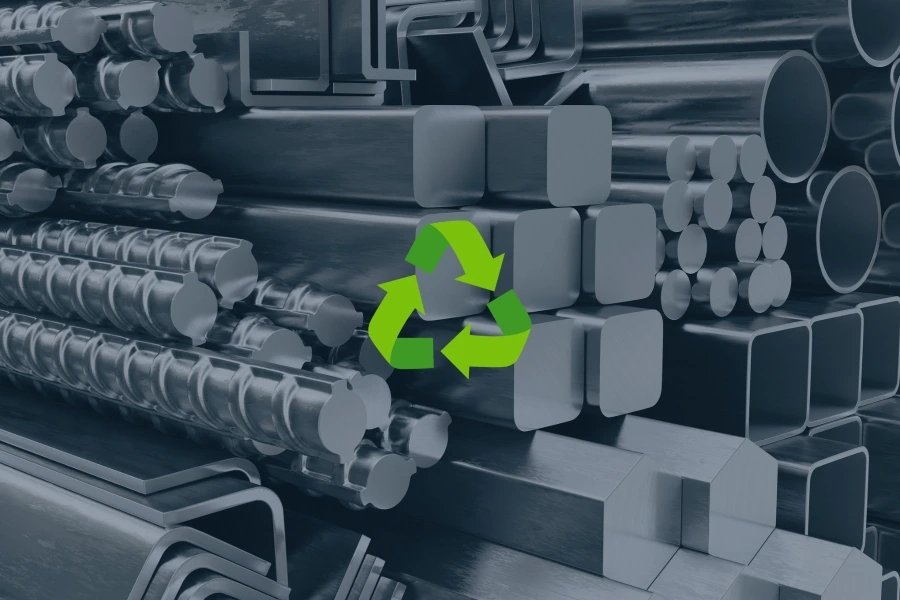
Stainless steel is one of the most widely used industrial metals in the world. Its strength, corrosion resistance, clean appearance, and long service life make it useful across manufacturing, construction, food processing, healthcare, transportation, and many other industries.
Eventually, stainless steel equipment, structural materials, and manufacturing scrap reach the end of their useful life. That does not mean the metal has to go to waste. Stainless steel can often be collected, processed, and returned to manufacturing as reusable material.
Recycling stainless steel helps businesses reduce waste, recover usable metal, and manage industrial scrap more responsibly.
If your business also needs to recycle computers, electronics, batteries, or industrial equipment, learn more about EACR Inc.’s electronics recycling services.
Quick Answer: How to Recycle Stainless Steel
Stainless steel recycling starts with separating the material from other metals whenever possible.
Scrap may come from manufacturing operations, demolition projects, commercial facilities, machine shops, construction sites, or industrial equipment replacements. The best recycling option depends on the amount and type of material you have.
Small quantities may be suitable for drop off recycling. Larger commercial loads are usually better handled through a scheduled pickup. Businesses that generate stainless steel regularly may also benefit from dedicated recycling containers placed at their facility.
A licensed recycler can identify the material, sort it by grade or condition, process the scrap, and route reusable stainless steel back into manufacturing.
What is Stainless Steel?
Stainless steel is an iron based alloy designed to resist corrosion, staining, and rust.
Unlike ordinary carbon steel, stainless steel contains chromium. Chromium reacts with oxygen and creates a thin protective layer on the surface of the metal. This layer helps prevent moisture and other substances from damaging the steel underneath.
Many stainless steel grades also contain nickel, which can improve strength, formability, and corrosion resistance. Some grades contain molybdenum, which provides additional resistance in marine, chemical, and high moisture environments.
The exact composition depends on the grade and intended use.
How Stainless Steel Differs From Carbon Steel
Carbon steel is primarily made from iron and carbon. It is strong and widely used, but it can rust when exposed to moisture unless it is coated or protected.
Stainless steel contains chromium and sometimes nickel, molybdenum, or other alloying elements. These additions make it more resistant to corrosion and better suited for environments where sanitation, moisture resistance, or long service life matters.
Common Stainless Steel Grades
There are many stainless steel grades, but a few are especially common.
304 Stainless Steel
Grade 304 is one of the most widely used stainless steels. It is commonly found in commercial kitchens, food processing equipment, tanks, sinks, appliances, and general manufacturing.
316 Stainless Steel
Grade 316 contains molybdenum, which gives it stronger resistance to salt, chemicals, and moisture. It is often used in marine equipment, pharmaceutical facilities, laboratories, medical equipment, and chemical processing systems.
430 Stainless Steel
Grade 430 contains chromium but typically less nickel than 304. It is often used in appliances, decorative panels, kitchen equipment, automotive trim, and indoor applications.
Duplex Stainless Steel
Duplex stainless steel combines characteristics of multiple stainless steel structures. It offers high strength and corrosion resistance and is commonly used in chemical processing, water treatment, oil and gas, and marine environments.
Where is Stainless Steel Found?
Businesses generate stainless steel scrap in many different forms. Some scrap comes from ongoing manufacturing. Other material comes from equipment replacements, facility renovations, demolition, maintenance projects, or machinery upgrades.
Industries that commonly use stainless steel include:
- Manufacturing
- Food and beverage processing
- Commercial kitchens
- Pharmaceutical facilities
- Hospitals and healthcare systems
- Laboratories
- Chemical processing
- Water treatment
- Construction
- Marine operations
- Transportation
- Aerospace
- Oil and gas
Common Stainless Steel Items That Can Be Recycled
Recyclable stainless steel may include:
- Tanks
- Pipe
- Valves
- Pumps
- Mixing equipment
- Restaurant equipment
- Medical equipment
- Shelving
- Fasteners
- Structural components
- Machinery
- Fabrication offcuts
- Sheet
- Plate
- Tubing
- Turnings
- Machine shop scrap
The material may be clean, mixed, attached to other components, or contaminated with oil, coolant, insulation, plastic, or debris. Keeping stainless steel separated and organized usually makes recycling easier.
Benefits of Stainless Steel Recycling
Stainless steel recycling offers more than a way to clear scrap from a facility. It helps businesses manage materials more efficiently, reduce waste, and support broader environmental goals.
Conserves Natural Resources
Producing new stainless steel requires iron, chromium, nickel, molybdenum, and other raw materials.
Recovering existing stainless steel reduces the need to rely entirely on newly mined material. This helps conserve natural resources and keeps usable metal within the supply chain.
Keeps Reusable Metal in Circulation
Stainless steel can often be recycled repeatedly without losing the qualities that make it useful.
Once scrap is collected and processed, the recovered metal can be used in new equipment, structural materials, industrial components, appliances, and other products.
Reduces Manufacturing Waste
Manufacturing and fabrication operations often generate offcuts, sheet remnants, tubing, turnings, rejected parts, and other stainless steel scrap.
A recycling program gives businesses a consistent way to manage this material instead of allowing it to accumulate or enter the general waste stream.
Supports Sustainability Goals
Many businesses track waste reduction, landfill diversion, recycling activity, and material recovery as part of internal sustainability programs.
Stainless steel recycling can support these goals by helping facilities document how scrap was collected, removed, and routed for processing.
Helps Businesses Manage Industrial Scrap
Industrial scrap can quickly take up floor space, interfere with workflow, and create handling problems when it is not managed properly.
Scheduled pickups, dedicated containers, and organized collection areas can make stainless steel recycling easier to manage. Businesses that generate scrap regularly may benefit from a recurring program rather than arranging one time service every time material builds up.
Stainless Steel Recycling Options
The best stainless steel recycling option depends on how much material you have, how often you generate it, and whether the scrap is easy to transport.
Small amounts may be suitable for drop off. Larger loads usually make more sense for scheduled pickup. Businesses that generate stainless steel regularly may benefit from dedicated containers and recurring service.
Scheduled Pickup
Scheduled pickup is often the best choice for:
- Manufacturers
- Warehouses
- Machine shops
- Contractors
- Industrial facilities
- Large cleanouts
One time pickups work well for equipment replacements, renovation projects, facility cleanouts, and large batches of accumulated scrap.
Businesses that generate stainless steel regularly may prefer an ongoing recycling program. Recurring service can help prevent scrap from piling up and make collection part of the normal workflow.
Commercial pickup also simplifies logistics. Instead of asking employees to transport heavy or oversized material, the recycler can coordinate loading, transportation, and removal based on the type and quantity of scrap.
Drop Off Recycling
Drop off recycling is usually a practical option for:
- Smaller quantities
- Local businesses
- Individual equipment replacements
- Small fabrication projects
Before loading the material, confirm that the facility accepts stainless steel and ask whether there are any preparation requirements.
Drop off may be convenient for a few pieces of pipe, a small amount of sheet metal, shelving, restaurant equipment, or limited fabrication scrap.
Recycling Containers
Dedicated recycling containers can help businesses that generate stainless steel on a regular basis.
Common uses include:
- Manufacturing scrap
- Machine shop turnings
- Fabrication offcuts
- Warehouse cleanouts
- Industrial maintenance programs
Containers give employees a clear place to put recyclable material and help keep stainless steel separate from general waste and other metals.
Pickup schedules can be arranged based on how quickly the container fills. Some businesses need service only when requested, while others benefit from weekly, monthly, or project based pickups.
How to Prepare Stainless Steel for Recycling
A little preparation can make stainless steel recycling faster, safer, and easier to manage.
Separate Stainless Steel
Keep stainless steel separate from:
- Aluminum
- Brass
- Copper
- Carbon steel
- Electronics
Mixing materials can make sorting more difficult and may affect how the scrap is processed.
If you are unsure whether an item is stainless steel, keep it separate and ask the recycler to help identify it.
Remove Non Metal Attachments
Remove unnecessary materials when practical, including:
- Plastic
- Rubber
- Wood
- Packaging
- Excess debris
You do not always need to completely dismantle equipment before recycling it, but removing obvious non metal attachments can simplify processing.
For larger machinery or mixed equipment, ask the recycler what should stay attached and what should be removed.
Keep Scrap Organized
Group material by:
- Material type
- Size
- Condition
- Quantity
For example, keep turnings separate from solid pieces and clean offcuts separate from heavily contaminated scrap.
Organized material is easier to count, load, inspect, and document.
Estimate the Quantity
Before requesting pickup, gather basic information about the load.
Helpful details include:
- Approximate weight
- Number of pallets
- Number of boxes
- Number and size of containers
- Largest item dimensions
- Whether loading equipment is available
Photos can also help the recycling company understand the material and plan the right vehicle, crew, or container.
Coordinate Pickup or Drop Off
Choose the recycling method based on volume and logistics.
Drop off may work for a small amount that can be transported safely. Scheduled pickup is usually better for heavy, bulky, recurring, or commercial quantities.
Provide the recycler with the material type, estimated quantity, location, access details, and preferred timeline.
Frequently Asked Questions About Stainless Steel Recycling
Can stainless steel be recycled?
Yes. Stainless steel can be collected, processed, and returned to manufacturing as reusable metal.
It can often be recycled repeatedly without losing the properties that make it useful.
Is stainless steel different from regular steel?
Yes. Stainless steel contains chromium, which helps protect it from corrosion and rust.
Many grades also contain nickel, molybdenum, or other alloying elements. Regular carbon steel usually does not have the same level of corrosion resistance.
What stainless steel items can be recycled?
Common items include tanks, pipe, valves, pumps, shelving, restaurant equipment, medical equipment, machinery, sheet, plate, tubing, fasteners, offcuts, and structural components.
The exact recycling process depends on the item’s size, condition, and attached materials.
Can stainless steel turnings be recycled?
Yes. Stainless steel turnings, chips, and shavings can often be recycled.
They should be kept separate from other metals and excess oil, coolant, or debris whenever possible.
Should stainless steel be separated from other metals?
Yes. Keeping stainless steel separate from aluminum, brass, copper, carbon steel, and mixed electronics makes sorting and processing easier.
Different metals have different compositions and recycling pathways.
Can businesses schedule stainless steel pickup?
Yes. Businesses can schedule one time or recurring pickups for stainless steel scrap.
Pickup is often the most practical option for manufacturers, machine shops, contractors, warehouses, and industrial facilities.
Does EACR Inc. provide recycling containers?
Yes. EACR Inc. can help businesses coordinate collection containers for ongoing stainless steel and metal recycling programs.
The best container size and pickup schedule depend on the type and amount of material being generated.
How do I request stainless steel recycling services?
Contact EACR Inc. with the type of stainless steel, estimated quantity, location, condition, and whether you need pickup, drop off, or a collection container.
Photos, pallet counts, approximate weights, and access details can help simplify the process.
Conclusion
Stainless steel is widely recyclable, but the process works best when scrap is kept separate, organized, and free from unnecessary debris.
Small quantities may be suitable for drop off, while larger commercial loads are usually easier to manage through scheduled pickup. Businesses that generate stainless steel regularly may also benefit from dedicated containers and recurring collection.
Working with a licensed recycler helps simplify transportation, processing, and documentation.
If your business has stainless steel scrap, fabrication offcuts, machine shop turnings, industrial equipment, or commercial metal waste, EACR Inc. can help coordinate pickup, recycling, and documentation through our metal recycling services.