AGM batteries usually last around 3 to 7 years, but high-quality batteries can last longer with proper charging, storage, and use.
You will find AGM batteries in UPS systems, motorcycles, boats, mobility equipment, backup power systems, telecom equipment, security systems, and other commercial applications. They are built to be durable and low maintenance, but they still wear out over time.
When an AGM battery no longer holds a charge, EACR Inc. can help as AGM battery recyclers for businesses, schools, facilities, and multi-site operations that need safe pickup, proper handling, and documentation.
Quick Answer: How Long Do AGM Batteries Last?
Most AGM batteries last 3 to 7 years.
Some high-quality AGM batteries can last 6 to 10 years in ideal conditions, especially when they are charged correctly, stored properly, and not pushed through constant deep discharges.
The real answer depends on how the battery is used. Temperature, charging habits, depth of discharge, vibration, and overall equipment demand all play a role.
Good care extends battery life. Poor charging habits kill AGM batteries faster.
What is an AGM Battery?
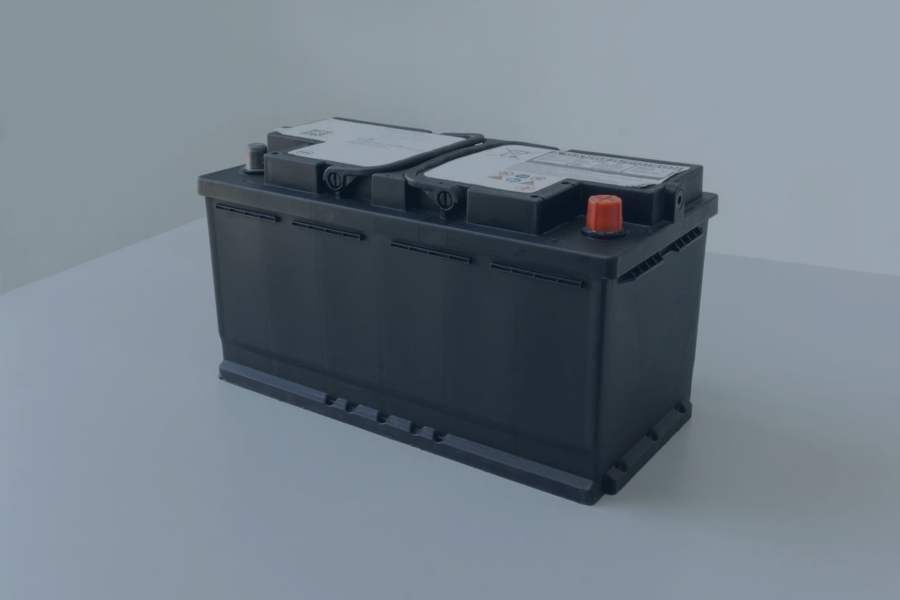
AGM stands for Absorbed Glass Mat. It is a type of sealed lead acid battery designed to be more stable, spill-resistant, and maintenance-friendly than traditional flooded lead acid batteries.
Absorbed Glass Mat Design
Inside an AGM battery, the electrolyte is held in fiberglass mats instead of freely moving around inside the case.
That design helps make the battery sealed and spill-resistant. It also means AGM batteries do not need the same water maintenance as flooded lead-acid batteries.
They are still lead acid batteries, though, which means they need proper recycling when they reach the end of their life.
Where AGM Batteries Are Commonly Used
AGM batteries are used in many places where reliable power matters.
Common applications include:
- UPS systems
- Motorcycles
- ATVs and UTVs
- Boats and marine equipment
- Mobility scooters
- Backup power systems
- Telecom equipment
- Security equipment
Because they are sealed and durable, AGM batteries are often used in equipment that needs steady power without constant maintenance. Not sure whether you have a standard flooded battery, an AGM battery, or another type? Before replacing or recycling it, check out our guide on how to read a car battery label to understand group size, date codes, CCA ratings, and other important markings.
Why AGM Batteries Are Popular
AGM batteries are popular because they solve a lot of problems that come with older battery types.
They offer better vibration resistance, charge faster than many traditional flooded batteries, and require less maintenance. They are also a strong fit for equipment with higher electrical demands.
That combination makes them useful for vehicles, backup systems, commercial equipment, and facilities that need dependable stored power.
Main Factors That Affect AGM Battery Lifespan
AGM battery lifespan is not based on age alone. How the battery is charged, stored, installed, and used can make a big difference.
Charging Habits
Charging habits are one of the biggest factors in AGM battery life.
If an AGM battery stays undercharged for too long, sulfation can build up on the internal plates. That reduces capacity and makes the battery weaker over time.
Overcharging is also a problem. Too much voltage can damage the internal cells and shorten the battery’s lifespan.
The safest move is to use an AGM-compatible smart charger that can charge the battery properly without overdoing it.
Temperature and Climate
Heat is rough on batteries.
High temperatures can speed up internal wear and shorten battery life. Cold weather can also reduce performance, especially when the battery is already weak or not fully charged.
AGM batteries stored in stable, dry conditions usually last longer than batteries exposed to constant heat, freezing temperatures, or harsh outdoor conditions.
Depth of Discharge
Depth of discharge refers to how much of the battery’s energy is used before it gets recharged.
Deep discharges reduce lifespan. Regularly draining an AGM battery close to zero puts more stress on the battery and can wear it out faster.
Keeping discharge levels moderate and recharging before the battery is fully drained helps extend its useful life.
Vibration and Physical Stress
AGM batteries are built to handle vibration better than flooded lead-acid batteries.
That is one reason they are common in motorcycles, ATVs, boats, and other equipment that moves, shakes, or operates in rough conditions.
Still, they are not indestructible. Drops, poor mounting, repeated impact, or rough handling can damage internal components and shorten battery life.
Battery Sizing
A battery that is too small for the job will work too hard.
Undersized batteries may discharge too deeply, recharge too often, or fail sooner because they are constantly being pushed beyond what they were meant to handle.
Oversized batteries may cost more than necessary, but an undersized battery is usually the bigger lifespan problem. Proper sizing helps prevent early failure and keeps the system running more reliably. If you’re replacing a car battery, there’s a good chance other charging system parts may eventually need attention too. Learn what happens to old alternators and how they can be recycled responsibly in our guide on alternator recycling.
Signs Your AGM Battery Needs Replacing
AGM batteries usually give warning signs before they completely fail. If you notice these issues, it may be time to replace and recycle the battery.
It Will Not Hold a Charge
One of the clearest signs is a battery that charges but dies quickly.
If the voltage drops soon after charging, or the battery cannot support the equipment for as long as it used to, the internal plates may be worn out.
At that point, the battery is likely nearing the end of its life.
Slow Starts or Weak Performance
For vehicles and powersport equipment, slow cranking can be a warning sign.
For backup power systems, the signs may look different. Electronics may seem sluggish, UPS units may run for less time than expected, or backup systems may fail sooner during an outage.
Weak performance usually means the battery is no longer delivering power the way it should.
Swelling, Cracks, or Leaks
Physical damage is a serious warning sign.
If an AGM battery is swollen, cracked, leaking, or giving off unusual odors, remove it from service and keep it separate from other batteries.
Damaged batteries should not sit around or be thrown away. They should be handled carefully and recycled through the right battery recycling channel.
It Has Been Sitting Dead Too Long
A dead AGM battery that sits for months can become permanently damaged.
Long-term discharge can lead to sulfation, swelling, and poor recovery even if you try to recharge it later.
If the battery has been dead for a long time and will not recover, it is time to recycle it.
How to Make AGM Batteries Last Longer
You cannot make an AGM battery last forever, but you can avoid the habits that cause early failure.
Use the Right Charger
Use a charger with an AGM setting or one designed for sealed lead acid batteries.
Old chargers may apply the wrong voltage or overcharge the battery, which can damage the internal cells.
A smart charger helps protect the battery by adjusting the charge properly.
Keep Batteries Fully Charged
Do not store AGM batteries partially discharged.
If a battery will sit unused for a while, charge it first and check it periodically. Letting it sit low for too long increases the chance of sulfation and permanent capacity loss.
Keeping the battery charged is one of the simplest ways to extend its life.
Avoid Extreme Heat
Store AGM batteries in cool, dry conditions whenever possible.
Avoid leaving batteries near high-heat areas, direct sun, hot equipment rooms, or poorly ventilated spaces.
Heat speeds up wear, and once internal damage starts, the battery may never perform the same again.
Limit Deep Discharges
Try to recharge the battery before it is fully drained.
Pushing an AGM battery to 0% repeatedly will shorten its lifespan. Moderate discharge and consistent recharging are much better for long-term performance.
Inspect Batteries Regularly
AGM batteries are low maintenance, but that does not mean they should be ignored.
Check for swelling, cracks, corrosion, weak performance, loose connections, or signs that the battery is struggling.
Catching problems early helps prevent equipment issues and makes AGM battery recycling safer when the battery reaches the end of its life.
What Happens When an AGM Battery Dies?
When an AGM battery dies, it should be removed from service and handled carefully. A dead battery may seem harmless, but it can still contain regulated materials and should not be treated like regular trash.
Do Not Throw It Away
AGM batteries are sealed lead acid batteries. That means they contain lead, acid, plastic, and other materials that need proper recycling.
Throwing one in the trash can create environmental and safety problems. Lead should not end up in landfills, and damaged batteries can create handling risks if they are crushed, cracked, or exposed to heat.
The right move is to send dead AGM batteries through proper battery recycling channels.
Can Dead AGM Batteries Be Recycled?
Yes, dead AGM batteries can be recycled.
During recycling, materials like lead, plastic, and other components can be recovered and routed into approved reuse or recovery processes. This keeps useful materials in circulation and reduces the need to mine or manufacture new raw materials.
If the battery is swollen, cracked, leaking, or otherwise damaged, it may need separate handling. Do not mix damaged batteries with intact ones when staging them for recycling.
When Businesses Should Schedule Pickup
Businesses should consider scheduled pickup when battery recycling becomes more than a simple drop-off.
Pickup is usually the better option for:
- Multiple batteries
- UPS replacements
- Telecom rooms
- Battery backup upgrades
- Multi-site cleanouts
- Damaged or mixed-condition loads
For schools, facilities, data centers, healthcare sites, and commercial buildings, scheduled pickup helps keep the process organized, safer, and easier to document.
Frequently Asked Questions About AGM Battery Lifespan
How long do AGM batteries usually last?
Most AGM batteries last around 3 to 7 years. Some can last longer with proper charging, moderate temperatures, limited deep discharges, and the right equipment setup.
Can AGM batteries last 10 years?
Yes, some AGM batteries can last close to 10 years in ideal conditions. That usually requires proper charging, stable storage, good sizing, limited vibration, and avoiding repeated deep discharges.
What kills an AGM battery?
The most common things that shorten AGM battery life are undercharging, overcharging, extreme heat, deep discharges, poor sizing, vibration, and long periods of sitting dead or partially charged.
Is it bad to fully drain an AGM battery?
Yes. Regularly draining an AGM battery to 0% can shorten its lifespan. AGM batteries usually last longer when they are recharged before they are deeply discharged.
Do AGM batteries need maintenance?
AGM batteries are low maintenance, but they should still be inspected. Check for weak performance, swelling, cracks, corrosion, loose connections, and signs that the battery is not holding a charge.
How do I know if my AGM battery is bad?
Common signs include slow starts, weak electronics, short backup runtime, voltage dropping quickly after charging, swelling, cracking, leaking, or failure to hold a charge.
Can a dead AGM battery be recharged?
Sometimes, but not always. If the battery has only been discharged briefly, it may recover with the right AGM-compatible charger. If it has been dead for months, internal damage may be permanent.
Conclusion
Most AGM batteries last around 3 to 7 years, with longer lifespans possible when they are properly charged, stored, sized, and used.
Charging habits, heat, depth of discharge, vibration, and battery sizing all play a role. A well-maintained AGM battery can provide reliable service for years, while poor charging or harsh conditions can shorten its life quickly.
If your AGM batteries are dead, damaged, or ready to be replaced, EACR Inc. can help with AGM battery recycling with business pickup, proper handling, and documentation.