SLA battery recycling starts with one simple fact: these batteries contain lead and acid, so they should never go in the trash. As a battery recycling company, EACR Inc. works with businesses and organizations that regularly manage these batteries and understand the importance of handling them the right way.
You will find sealed lead acid batteries in everything from UPS systems and emergency lighting to alarm panels, mobility equipment, motorcycles, and backup power systems. They are extremely common, but many people do not realize they require special handling once they reach the end of their life.
This guide covers the easiest ways to recycle SLA batteries, how to identify the type you have, and what businesses should know before scheduling a pickup or managing larger battery recycling projects.
Quick Answer: How to Recycle an SLA Battery
Most people have three options when it comes to SLA battery recycling:
- Retailer or manufacturer take-back programs
- Battery drop-off containers and e-waste collection sites
- Scheduled pickup for businesses and large quantities
If you only have one or two batteries, a local drop-off or retailer program is often the easiest solution. For larger cleanouts, battery room upgrades, or multiple business locations, a scheduled pickup usually provides the safest and most organized approach.
What Counts as an SLA Battery?
SLA stands for sealed lead acid. These rechargeable batteries use lead plates and sulfuric acid inside a sealed housing, making them more maintenance-friendly than older flooded lead acid batteries.
Standard Sealed Lead Acid Batteries
Standard SLA batteries are commonly used for standby power applications where reliable backup energy is important.
You will often find them in:
- Alarm systems
- Emergency lighting
- UPS units
- Security systems
- Access control panels
Although many of these batteries are relatively small, they still contain recoverable materials that should be recycled properly.
AGM Batteries
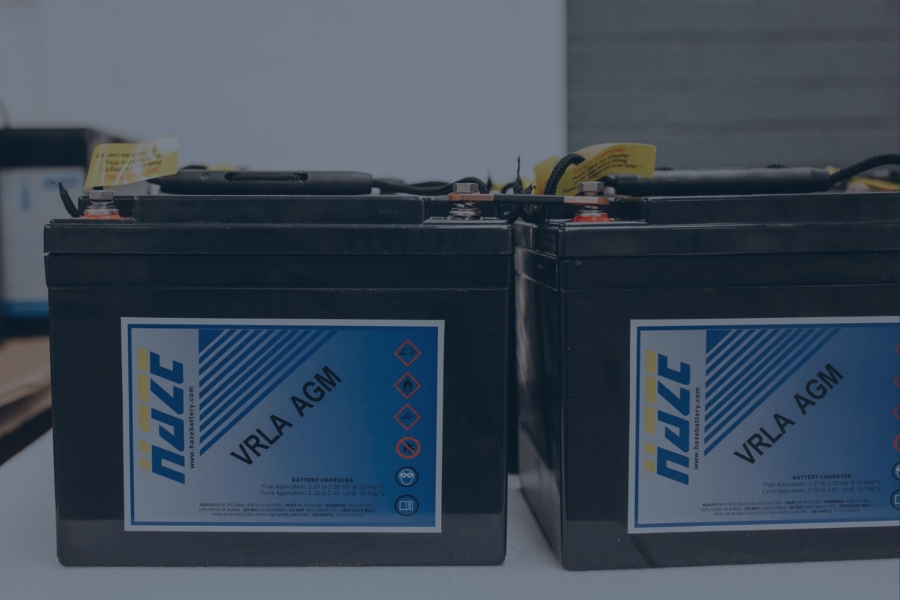
AGM stands for Absorbed Glass Mat. Instead of free-flowing liquid, the electrolyte is held inside fiberglass mats, making the battery more resistant to vibration and movement.
AGM batteries are commonly used in:
- Motorcycles
- ATVs and UTVs
- Powersport vehicles
- Backup power systems
- Certain UPS applications
They may look different from a standard SLA battery, but they follow the same basic recycling process.
Gel Cell Batteries
Gel cell batteries use an electrolyte that has been mixed into a gel, making them well suited for repeated charging and discharging.
They are often found in:
- Marine equipment
- Mobility scooters
- Power wheelchairs
- Deep-cycle backup systems
- Specialized industrial equipment
Like other sealed lead acid batteries, gel cells contain recyclable lead and should never be thrown away.
Why Battery Type Matters
Knowing what type of SLA battery you have helps determine the best recycling route.
Battery type can affect:
- Transportation requirements
- Packaging methods
- Documentation and recordkeeping
- Business pickup logistics
A single battery from an alarm panel is handled much differently than dozens of UPS batteries being removed from a server room. Identifying what you have before recycling makes the process much smoother.
Option 1: Retailer or Manufacturer Take-Back
When This Option Fits
Retailer or manufacturer take-back programs work best when you have one or two batteries and are simply replacing an old unit.
This option is usually ideal for:
- Residential users
- Small battery quantities
- Battery replacement purchases
- Intact, undamaged batteries
Many stores that sell lead acid batteries also participate in return programs, especially when purchasing a replacement.
High-Level Steps
Start by removing the battery safely from the equipment. Keep it upright and avoid damaging the case during removal.
Transport the battery carefully and return it through a participating retailer or manufacturer program. It is always worth calling ahead to confirm that the location accepts your battery type.
Common Issues
Not every take-back program works the same way.
Some common issues include:
- Core charges tied to replacement purchases
- Different acceptance policies between store locations
- Quantity limits
- Restrictions on leaking or damaged batteries
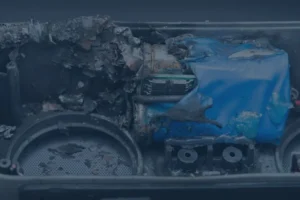
If your battery is cracked, swollen, or leaking, contact a licensed recycler before transporting it.
Option 2: Battery Drop-Off Locations
Best for Small Quantities
Battery drop-off locations are a simple solution when you have a few batteries and can transport them safely.
This option works well for:
- Household batteries
- Small office cleanouts
- Individual UPS battery replacements
- Garage or workshop cleanups
Common Drop-Off Locations
Many communities offer convenient places to recycle SLA batteries, including:
- Licensed electronics recyclers like EACR Inc.
- Community e-waste collection events
- Battery recycling containers
- Local electronics collection programs
Before making the trip, confirm the location accepts sealed lead acid batteries, especially if you have multiple units or damaged batteries.
Option 3: Scheduled Pickup
Best-Fit Scenarios
Scheduled pickup is often the best option for larger battery projects or commercial operations.
It is commonly used by:
- Schools
- Hospitals
- Data centers
- Telecom rooms
- Multi-site businesses
- Battery room replacement projects
Instead of moving heavy batteries yourself, pickup services help streamline the entire process.
Why Pickup Helps
Managing larger quantities of SLA batteries comes with logistical challenges. Scheduled pickup helps reduce those headaches by providing:
- Safer handling of heavy batteries
- Better documentation and recordkeeping
- Compliance tracking for businesses
- Less labor and disruption for staff
For organizations replacing multiple UPS systems or cleaning out storage rooms, scheduled pickup often becomes the safest and most efficient recycling solution.
How to Prepare SLA Batteries for Recycling
A little preparation goes a long way. Whether you have one battery from a UPS unit or an entire room of backup batteries, taking a few minutes to organize everything makes recycling safer and easier.
Step 1: Inventory
Start by figuring out exactly what you have.
Count the number of batteries and, if possible, identify whether they are standard SLA, AGM, or gel cell batteries. You do not need to be an expert, but having a general idea helps with routing and pickup planning.
As you sort through your batteries, separate any units that are cracked, swollen, or leaking from those that are still intact. Damaged batteries should always be handled as a separate group.
Step 2: Stage Safely
Once you’ve inventoried everything, set the batteries aside in a safe location until they can be recycled.
Keep them upright and store them in a dry area away from excessive heat or standing water. Try to avoid stacking them in unstable piles where they could tip over or become damaged.
If you have leaking or swollen batteries, isolate them from the rest of the load. This helps reduce the chance of contamination or accidental contact during transport.
Preventing the terminals from touching metal objects or each other is also a good idea, especially if you’re moving multiple batteries at once.
Step 3: Package and Label
Use sturdy boxes, bins, or containers that can safely support the weight of the batteries. Lead acid batteries are heavier than many people expect, so secure packaging matters.
If you’re managing a business pickup, label each container with basic information like:
- Site or location
- Approximate quantity
- Battery type, if known
- Notes about damaged units
Clearly marking damaged batteries helps ensure they receive the proper handling from the moment they are collected.
Safety Basics (Non-Negotiables)
Why SLA Batteries Aren’t Ordinary Scrap
SLA batteries may not look dangerous, but they contain materials that require careful handling.
Lead is a regulated heavy metal that should never end up in a landfill. Sulfuric acid can create environmental and safety issues if a battery is damaged or opened.
There is also the risk of short circuits. If battery terminals come into contact with metal objects, they can generate heat very quickly.
Finally, don’t underestimate the weight. Larger SLA batteries used in UPS systems and backup power equipment can be surprisingly heavy, increasing the risk of strains or dropped batteries during handling.
The Safest Default Rules
You do not need special equipment to prepare SLA batteries, but following a few basic rules helps prevent problems.
- Never open the battery casing.
- Never attempt to drain the acid yourself.
- Keep damaged and intact batteries separated.
- Tape or otherwise protect exposed terminals whenever possible.
- If a battery is leaking or swollen, handle it carefully and recycle it promptly.
Rules and Compliance (Practical, Not Legalese)
The rules surrounding SLA battery recycling can sound complicated, but the basics are pretty simple.
Many states prohibit throwing lead acid batteries into regular trash because they contain regulated materials. Lead and sulfuric acid need to be handled through approved recycling channels where they can be recovered safely.
For businesses, proper documentation is just as important as proper disposal. Keeping organized records helps with internal tracking, environmental reporting, and proving that batteries were managed responsibly.
Records to Keep
A simple recordkeeping system is usually enough.
Try to maintain:
- Pickup or service records
- Quantity counts
- Battery type notes
- Condition notes for damaged units
- Certificates of Recycling
Having these documents available makes future audits, vendor reviews, and equipment replacement projects much easier.
What Happens After Collection?
Once your SLA batteries leave your site, they enter a controlled recycling process designed to recover as much material as possible.
Consolidation and Sorting
Collected batteries are grouped and sorted based on their type and condition.
This typically includes:
- AGM batteries
- Gel cell batteries
- Standard SLA batteries
Damaged batteries may receive additional handling before moving further into the recycling process.
Material Recovery
SLA batteries contain several materials that can be reused.
The lead inside the battery is recovered, refined, and used to manufacture new batteries and other products.
The plastic battery casing is processed and recycled into new plastic materials, including future battery cases.
The sulfuric acid is either neutralized or processed for beneficial reuse through approved downstream methods.
Why Closed-Loop Recycling Matters
One of the biggest advantages of SLA batteries is that their materials can stay in circulation.
Recovered lead can become new batteries.
Recovered plastic can become new battery cases.
Instead of ending up in a landfill, these materials continue moving through the manufacturing cycle, reducing waste and the need for new raw materials.
Conclusion
SLA battery recycling really comes down to a few simple steps: identify what you have, keep batteries stable and separated by condition, choose the right recycling option, and maintain clean documentation.
Whether you’re recycling a few backup batteries or managing a large battery replacement project, handling them properly protects both people and the environment.
If you’re managing SLA battery recycling for a business, school, hospital, or multi-site operation, EACR Inc. can help coordinate battery recycling pickup, staging guidance, and documentation to make the process simple.