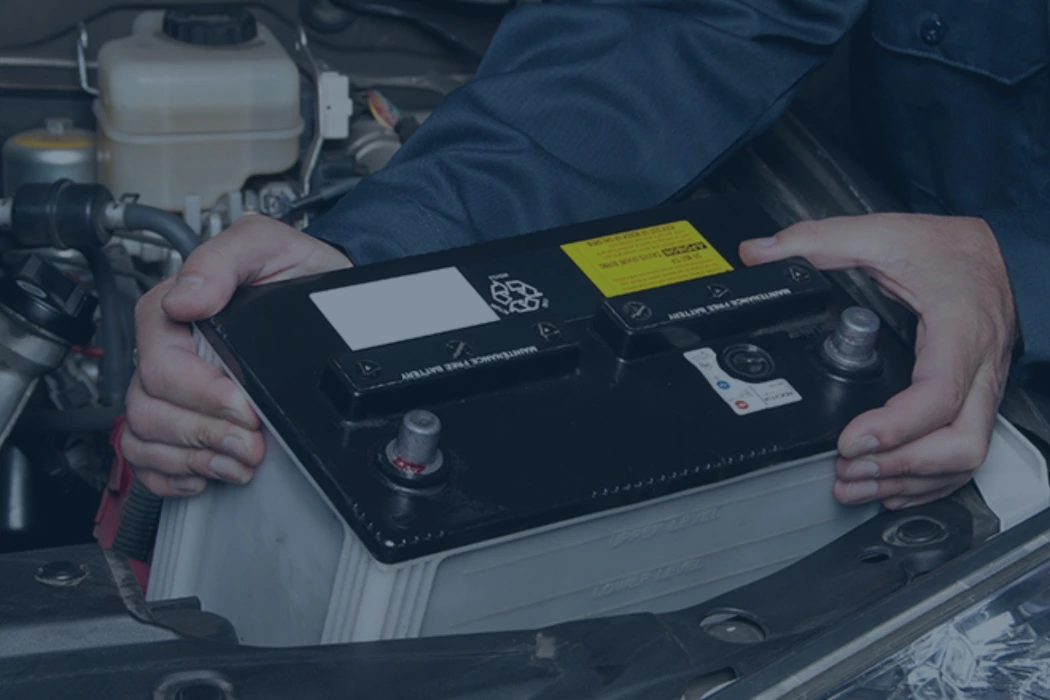
How to read a car battery label starts with understanding what the numbers, letters, and codes on the battery are actually telling you. You are not alone if it looks confusing at first.
Car battery labels can be tricky, especially when you are comparing replacement options or trying to figure out whether your current battery is still reliable. From CCA and group size to date codes and reserve capacity, every part of the label gives you useful information.
If your old battery is ready to be replaced, our car battery recycling services make it easy to handle it the right way. We offer safe battery recycling options for individuals, businesses, auto shops, fleets, and facilities that need pickup or drop-off support.
So, let’s break it down.
What Do The Numbers On A Car Battery Mean?
A car battery label is basically a quick information sheet for the battery. It tells you how much starting power the battery has, how old it is, how long it can support electrical needs, and whether it is the right physical fit for your vehicle.
Here is a simple breakdown of the main numbers and terms you may see:
- Cranking Amps (CA): Starting power in normal temperatures.
- Cold Cranking Amps (CCA): Starting power in cold temperatures.
- Date Code: Shows the battery’s age or purchase timing.
- Reserve Capacity (RC): How long the battery can support power if the charging system fails.
- Amp Hours (Ah): How much energy the battery can deliver over time.
- Voltage: Electrical output, usually 12 volts for standard car batteries.
- Group Size: The physical size, shape, and terminal layout of the battery.
Once you understand these terms, it becomes much easier to compare batteries and avoid buying the wrong one.
Cranking Amps vs. Cold Cranking Amps
Cranking amps and cold cranking amps both measure starting power, but they are not exactly the same thing. The main difference is temperature.
What Are Cranking Amps?
Cranking Amps, often shown as CA, measure how much power the battery can deliver to start your vehicle in moderate temperatures.
In simple terms, CA tells you how strong the battery is when the weather is not extremely cold. A higher CA rating usually means the battery can send more power to the starter motor.
What Are Cold Cranking Amps?
Cold Cranking Amps, or CCA, measure how much power the battery can deliver in cold weather.
This number matters because engines are harder to start when temperatures drop. Cold weather slows battery performance, thickens engine oil, and makes the starter work harder.
If you live somewhere with cold winters, CCA is one of the most important numbers to check on the battery label.
Which Number Matters More?
For most drivers, CCA matters more than CA, especially if the vehicle is used in a colder climate.
CA can still be useful, but CCA gives you a better idea of how the battery will perform when starting conditions are harder. If your owner’s manual recommends a certain CCA rating, do not go below it.
The safest move is simple: match the battery specs your vehicle requires, especially CCA and group size.
How to read a car battery label gets easier once you understand the date codes, size ratings, power numbers, and battery type listed on the case.
How To Read Car Battery Date Codes
Car battery date codes tell you how old the battery is. This matters because even a battery that looks clean and normal can lose strength over time.
Some batteries show the date clearly. Others use stickers, punched labels, or stamped codes that take a little more work to understand.
Purchase Date
The purchase date shows when the battery was sold or installed.
This is usually used for warranty purposes. On some batteries, you may see a label with months and years listed. The correct month and year may be punched out, circled, or marked by the seller.
For example, if “MAR” and “26” are marked, the battery was likely purchased in March 2026.
Manufacture Date
The manufacture date tells you when the battery was made.
This can be different from the purchase date. A battery may sit on a shelf before it is sold, so checking the manufacture date gives you a better idea of its true age.
When comparing batteries, a newer manufacture date is usually better.
Sticker Date Codes
Many car batteries use a small round or rectangular sticker to show the manufacturing date.
This sticker may use numbers, letters, or a simple month/year format. For example:
- 3/26 usually means March 2026
- A6 may mean January 2026, depending on the battery brand’s code system
- J5 may mean September 2025 on some labels
Because date code formats can vary by manufacturer, always check the battery brand’s guide when possible.
Stamped Date Codes
Some batteries have a code stamped directly into the plastic case.
This code may be harder to see because it can blend into the battery casing. Look along the top edge, side, or near the terminals.
Stamped codes often use a letter for the month and a number for the year. In many systems:
- A = January
- B = February
- C = March
- D = April
- E = May
- F = June
- G = July
- H = August
- J = September
- K = October
- L = November
- M = December
The number often represents the year. For example, G5 could mean July 2025.
Why Car Battery Age Matters
Battery age is one of the biggest clues for when a car battery may need to be replaced.
A battery can still start your car one day and fail the next, especially once it gets older or faces extreme temperatures.
Most Batteries Last About 3 To 5 Years
Most car batteries last around 3 to 5 years, depending on driving habits, climate, battery quality, and maintenance.
Hot weather, short trips, long periods of sitting, and heavy electrical use can shorten battery life. Cold weather can expose a weak battery quickly because the engine needs more power to start.
Older Batteries Are More Likely To Fail Suddenly
As a battery ages, its internal parts slowly break down.
That means it may hold less charge, deliver less starting power, and become less reliable. The frustrating part is that failure can happen suddenly.
You might not notice a problem until the car clicks, struggles to start, or does not start at all.
Check The Date Before Winter Or Long Trips
Before winter, summer heat waves, or a long road trip, check your battery date.
If your battery is more than 3 years old, it is smart to have it tested. If it is near 4 or 5 years old, replacement may be the safer move, especially if you already notice slow starts, dim lights, or electrical issues.
Reserve Capacity: What It Means
Reserve Capacity, often shown as RC, tells you how long the battery can provide power if the vehicle’s charging system stops working.
In simple terms, it measures backup power.
Why Higher Reserve Capacity Helps
A higher reserve capacity means the battery can support essential electrical systems for a longer period.
This can matter if your alternator fails, your vehicle has extra electronics, or you need temporary backup power before the battery voltage drops too low.
A higher RC rating does not mean you should rely on the battery alone for long periods, but it does give you more cushion.
When Reserve Capacity Matters Most
Reserve capacity matters most when your vehicle has higher electrical demands.
That may include:
- Trucks
- Work vehicles
- Vehicles with added electronics
- Emergency or fleet vehicles
- Cars used in stop-and-go driving
- Vehicles that may sit with accessories running
For a standard daily driver, RC is still useful, but CCA and group size are usually checked first.
Deep Cycle vs. Standard Car Batteries
Not all batteries are built for the same job. A standard car battery is designed for short bursts of power. A deep cycle battery is designed for longer, steadier discharge.
What Is A Deep Cycle Battery?
A deep cycle battery is built to deliver power over a longer period and handle repeated discharge and recharge cycles.
These batteries are commonly used in:
- RVs
- Boats
- Golf carts
- Solar systems
- Marine applications
- Auxiliary power setups
They are not mainly designed for quick engine starts like a standard car battery.
How To Tell If Your Battery Is Deep Cycle
The easiest way is to check the label.
A deep cycle battery will usually say “deep cycle,” “marine deep cycle,” or “dual purpose.”
You may also see higher reserve capacity or amp hour ratings listed. These numbers show how long the battery can provide steady power.
Should You Use One In A Regular Car?
Usually, no.
Most regular cars need a starting battery that can deliver a strong burst of power to crank the engine. A deep cycle battery may not be the best fit unless the vehicle or setup specifically calls for it.
Always check your owner’s manual before switching battery types.
Amp Hours Explained
Amp Hours, often shown as Ah, measure how much energy the battery can deliver over time.
This number is more common on deep cycle, marine, RV, and power storage batteries than standard car batteries.
What Ah Means
Amp hours tell you how long a battery can provide a certain amount of current.
For example, a 60Ah battery can theoretically deliver 3 amps for 20 hours, depending on the battery design and conditions.
In simple terms, a higher Ah rating usually means more stored energy.
Why Bigger Is Not Always Better
A bigger Ah rating does not automatically mean the battery is right for your car.
The battery still needs to match your vehicle’s required:
- Group size
- Terminal placement
- Voltage
- CCA rating
- Fitment requirements
If the battery is too large, has the wrong terminals, or does not meet your car’s starting requirements, it can cause problems.
Voltage Rating: What Does 12V Mean?
Most standard car batteries are called 12-volt batteries.
This tells you the battery’s electrical system rating, not necessarily its exact charge at every moment.
Standard Car Battery Voltage
A healthy fully charged car battery usually reads around 12.6 volts when the vehicle is off.
When the engine is running, the charging system usually brings voltage higher, often around 13.7 to 14.7 volts.
If the label says 12V, it means the battery is designed for a standard 12-volt vehicle electrical system.
What Low Voltage Can Tell You
Low voltage can be a warning sign.
If your battery reads around 12.2 volts or lower when the car is off, it may be partially discharged. If it drops much lower, the battery may struggle to start the vehicle.
Low voltage can point to:
- An aging battery
- A weak charge
- A failing alternator
- Parasitic battery drain
- Long periods without driving
A voltage reading is helpful, but it is not the only test. A battery can show decent voltage and still fail under load.
Battery Group Size: Why It Matters
Battery group size tells you the physical size and layout of the battery.
This is one of the most important specs to match when replacing a car battery.
What Group Size Means
Group size refers to the battery’s:
- Length
- Width
- Height
- Terminal location
- Fitment style
You may see group sizes like 24F, 35, 48, 65, H5, H6, or H7.
These codes help make sure the battery fits properly in the battery tray and connects correctly to the vehicle.
Where To Find The Right Group Size
You can usually find the correct group size in:
- Your owner’s manual
- The label on your current battery
- The battery lookup tool at an auto parts store
- The vehicle manufacturer’s recommendations
Do not guess based only on what “looks close.” Even a small size difference can cause fitment or connection issues.
Why Terminal Placement Matters
Terminal placement matters because your battery cables are designed to reach specific positive and negative posts.
If the terminals are reversed or in the wrong location, the cables may not reach or may be stretched too tightly.
That can lead to poor connections, electrical issues, or unsafe installation.
What Happens If You Use The Wrong Battery Size?
Using the wrong battery size can cause more problems than people expect.
A battery might seem close enough, but if it does not fit or connect properly, it can affect reliability and safety.
Common problems include:
- Poor fit: The battery may not sit correctly in the tray.
- Loose battery movement: A loose battery can shift while driving.
- Starting problems: The battery may not provide the right power for your vehicle.
- Electrical issues: Poor connections can affect lights, sensors, and electronics.
- Possible vehicle damage: Movement, wrong terminals, or incorrect specs can damage cables, mounts, or electrical components.
The safest choice is to match the battery specs recommended for your exact vehicle.
Final Thoughts
Reading a car battery label is easier once you know what each number and code means. CCA tells you about cold-weather starting power, the date code tells you battery age, reserve capacity shows backup power, and group size helps make sure the battery actually fits your vehicle.
When it is time to replace your battery, do not leave the old one sitting around or toss it in the trash. Contact us to learn more about our car battery recycling services and get the right recycling option for your needs.