AGM batteries are everywhere, but most people are not fully sure how to recycle them correctly. They look sealed, sturdy, and simple to store, which is why they often get treated like regular scrap or basic lead-acid batteries.
That is where problems start. AGM batteries are sealed, but they still need proper recycling. They are common in vehicles, backup systems, mobility equipment, marine applications, solar storage, and commercial equipment. Businesses can accumulate them quickly, especially during upgrades, replacements, cleanouts, or decommissioning projects.
Improper storage and disposal can create safety issues, compliance concerns, and unnecessary risk for your team. If your business is dealing with used AGM batteries, EACR Inc. offers battery recycling pickup services, collection containers, and recycling support for commercial quantities.
Quick Answer: How to Recycle AGM Batteries
Most AGM battery recycling falls into one of three routes:
- Local battery drop-off
- Retail or automotive recycling programs
- Scheduled battery recycling pickup for commercial quantities
If you only have one or two AGM batteries, a drop-off program may be enough. If you have bulk quantities, palletized loads, damaged batteries, or multiple locations, scheduled pickup is usually the cleaner and safer option.
Damaged AGM batteries should never be mixed casually into standard loads. If a battery is swollen, cracked, leaking, or showing signs of heat damage, it should be separated, labeled, and handled with more control from the start.
What Counts as an AGM Battery?
What AGM stands for
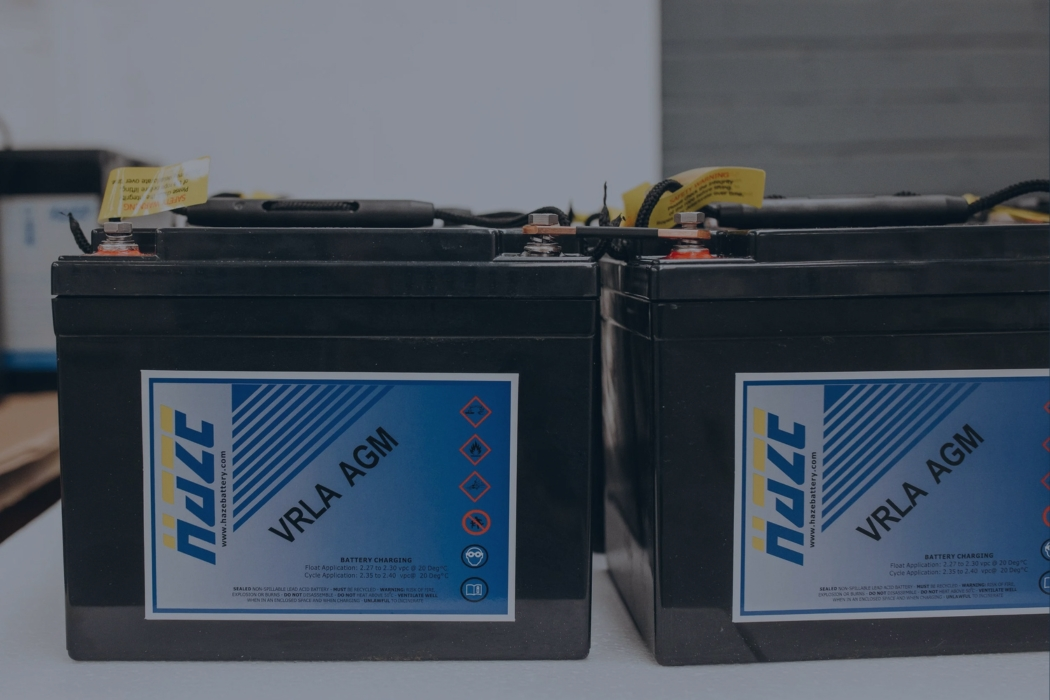
AGM stands for Absorbent Glass Mat. It is a type of sealed lead-acid battery where the electrolyte is absorbed into fiberglass mat separators inside the battery.
That design makes AGM batteries spill-resistant compared to traditional flooded lead-acid batteries. But spill-resistant does not mean disposable, harmless, or safe to throw away. AGM batteries still contain lead, stored energy, and materials that need to be recovered through the right recycling process.
Common AGM battery applications
AGM batteries show up in more places than most people realize. They are commonly used in:
- UPS systems
- Marine batteries
- RV batteries
- Mobility scooters
- Emergency backup systems
- Solar energy storage
- Commercial floor equipment
- Start-stop vehicle systems
For businesses, these batteries often collect in maintenance rooms, warehouses, IT areas, fleet shops, storage closets, and equipment rooms. One replacement project can quickly turn into a large recycling load.
Why battery identification matters
Battery identification matters because recycling is not one-size-fits-all. The right process depends on the battery chemistry, size, quantity, and condition.
An intact AGM battery may be handled differently than a damaged one. A few small units may be fine for drop-off, while large commercial quantities usually need organized pickup, safer staging, and better documentation.
Correct identification helps avoid mixing battery types, using the wrong container, or creating a transportation issue before the batteries even leave the site.
Option 1: AGM Battery Drop-Off Programs
When drop-off makes sense
Drop-off can work well when you only have a small quantity of AGM batteries. This is usually best for:
- 1 to 3 batteries
- Residential users
- Small shop quantities
- Easy-to-transport batteries in good condition
The key is making sure the batteries are stable, intact, and accepted by the location before you bring them in.
Common AGM battery drop-off locations
AGM battery drop-off options may include:
- Automotive stores
- Battery retailers
- Electronics recycling companies like EACR Inc.
- Municipal recycling programs
Availability can vary by location, battery size, and condition. It is always smart to confirm before loading batteries into a vehicle.
Common mistakes during drop-off
The biggest mistake is treating every battery the same. AGM batteries should not be tossed loose in a trunk, stacked carelessly, or mixed with random battery chemistries.
Common drop-off mistakes include:
- Bringing leaking batteries without warning
- Transporting loose batteries unsecured
- Mixing AGM batteries with lithium-ion or other battery types
- Waiting until batteries are damaged before figuring out where they should go
If the battery looks swollen, cracked, leaking, or unstable, do not treat it like a normal drop-off item.
Option 2: Scheduled AGM Battery Pickup
Best-fit situations for pickup
Scheduled pickup is usually the better choice when AGM batteries are being handled at a business or facility level.
This often applies to:
- Warehouses
- Fleet operations
- Telecom facilities
- Data centers
- Schools
- Hospitals
- Solar contractors
- Multi-site businesses
If your team is dealing with bulk batteries, repeated replacements, or a larger cleanout, pickup keeps the process more controlled.
Why pickup simplifies operations
Pickup reduces the guesswork. Instead of having staff move heavy batteries to different locations, batteries can be staged, counted, and removed through one organized process.
This helps with:
- Centralized handling
- Reduced lifting and transport risks
- Better documentation
- Easier compliance tracking
- Faster project cleanup
For businesses, the benefit is not just recycling. It is avoiding a messy, unsafe, or poorly documented removal process.
When pickup becomes necessary
Pickup becomes the better option when batteries are no longer simple to move or manage.
Common scenarios include:
- Large pallet quantities
- Damaged or swollen batteries
- Ongoing battery replacement cycles
- Facility decommissioning
- Multiple buildings or locations
- Tight project timelines
At that point, drop-off is usually inefficient. A scheduled pickup gives the project a cleaner path from storage to removal.
How to Prepare AGM Batteries for Recycling
Step 1: Separate by condition
Start by separating intact batteries from damaged batteries. Do not mix swollen, leaking, cracked, or overheated units into the same load as normal batteries.
Condition matters because damaged batteries may require different handling, packaging, labeling, or transportation steps.
Step 2: Store safely
Keep AGM batteries upright, stable, and away from areas where they can be knocked over or crushed.
Use stable pallets, bins, or containers when possible. Keep batteries away from loose metal, tools, scrap, or anything that could bridge terminals and create a short-circuit risk.
Step 3: Label and inventory
A simple inventory makes pickup and documentation much easier.
Track:
- Quantity
- Battery size or type
- Site location
- Condition notes
- Any damaged or unusual units
This does not need to be complicated. Even a basic count and condition note can prevent confusion later.
Step 4: Prepare for transport
Before batteries are moved, make sure the load is secure. Batteries should not shift, tip, slide, or crush each other during handling.
Avoid stacking damage, loose piles, and unstable pallets. A clean load is easier to remove, safer for workers, and better for documentation.
AGM Battery Safety Basics
AGM batteries are still lead-acid batteries
AGM batteries are sealed, but that does not make them harmless. They are still lead-acid batteries, which means they contain lead, stored energy, and internal materials that need to be handled carefully.
The weight alone can create issues if batteries are lifted, stacked, or moved the wrong way. Add stored electrical energy into the mix, and careless handling can create short-circuit risks, damage, or injury.
Damaged AGM batteries can become hazardous
A damaged AGM battery should be treated differently from an intact one. If the case is cracked, swollen, leaking, hot, or showing corrosion, separate it right away.
Damaged batteries can create several problems, including:
- Heat buildup
- Leaking acid
- Short-circuit risks
- Unstable storage conditions
- Safer handling requirements
Even though AGM batteries are spill-resistant, they are not damage-proof. Once the battery casing is compromised, it needs more controlled handling.
Safe handling rules
A few basic rules can prevent most problems during storage and recycling prep:
- Never stack AGM batteries loosely.
- Never crush, puncture, or drop batteries.
- Keep terminals protected from metal contact.
- Keep damaged batteries away from intact batteries.
- Store batteries upright and stable.
- Do not leave batteries in high-traffic areas.
- Separate damaged batteries immediately.
The goal is simple: keep the batteries stable, prevent contact between terminals, and avoid creating damage before they are collected.
AGM Battery Recycling Rules and Compliance
Why documentation matters
For businesses, AGM battery recycling is not just about getting batteries off-site. Documentation matters because it helps prove what was removed, when it was removed, and where it went.
Good records support:
- Audits
- Vendor management
- ESG reporting
- Internal tracking
- Facility cleanup records
- Environmental compliance efforts
That paper trail can be especially important for schools, hospitals, municipalities, warehouses, data centers, and companies managing multiple locations.
Common records businesses keep
The exact documentation may vary by project, but most businesses should keep a basic record set.
That can include:
- Pickup records
- Battery counts
- Site logs
- Battery type or size notes
- Condition notes
- Certificates of recycling
These records help your team answer simple but important questions later: how many batteries were removed, from which location, and how were they handled?
Why businesses should avoid landfill disposal
AGM batteries should not be treated like regular trash. They contain recoverable materials, including lead and plastic, and they need to be routed through proper recycling channels.
Landfill disposal can create environmental concerns and may conflict with state disposal rules. It also wastes materials that can be recovered and reused through the battery recycling process.
For businesses, the safer move is to keep AGM batteries separated, document the removal, and use a recycling provider that can support the right handling process.
What Happens After AGM Battery Collection?
Sorting and consolidation
After AGM batteries are collected, they are typically sorted and consolidated based on key factors like:
- Battery chemistry
- Battery size
- Battery condition
- Intact vs damaged units
- Quantity and load type
This step helps route batteries into the right downstream recycling process instead of treating every battery as the same material stream.
Material recovery process
AGM battery recycling focuses on recovering usable materials and managing remaining components properly.
The process generally includes:
- Lead recovery
- Plastic recovery
- Electrolyte handling or neutralization
- Separation of battery components
- Routing materials into approved recovery channels
The exact process can vary based on the recycler and battery condition, but the goal is to recover materials while keeping hazardous components out of improper disposal streams.
Why recycling matters
Recycling AGM batteries helps reduce the need for new raw material extraction and keeps lead out of landfills. It also supports material reuse, which is one of the biggest reasons lead-acid battery recycling is so important.
For businesses, recycling also helps keep facilities clean, reduce risk, and support environmental reporting goals without letting old batteries pile up in storage areas.
Frequently Asked Questions About AGM Battery Recycling
We understand that battery recycling can feel unclear at first. Here are some of the most common questions to help you handle AGM batteries the right way.
Can AGM batteries be thrown away?
No. AGM batteries should not be thrown in the trash. They are lead-acid batteries and should be recycled through a proper battery recycling program.
Are AGM batteries recyclable?
Yes. AGM batteries are recyclable. Their lead, plastic, and other components can be recovered through the proper recycling process.
Are AGM batteries considered hazardous?
AGM batteries can be regulated because they contain lead and acid-based components. Even though they are sealed, they still need proper storage, transport, and recycling.
Where can I recycle AGM batteries?
Small quantities may be accepted through battery retailers, automotive stores, municipal programs, or electronics recycling companies like EACR Inc. Business quantities are usually better handled through scheduled pickup.
Can damaged AGM batteries still be recycled?
Yes, damaged AGM batteries can often still be recycled, but they should be separated from intact batteries and clearly identified. Cracked, leaking, swollen, or overheated batteries may require more controlled handling.
Do businesses need documentation for AGM battery recycling?
Yes, businesses should keep documentation whenever possible. Pickup records, battery counts, site logs, condition notes, and certificates of recycling can support audits, vendor tracking, and internal reporting.
Are AGM batteries the same as lithium-ion batteries?
No. AGM batteries are sealed lead-acid batteries. Lithium-ion batteries use a different chemistry and require different handling, storage, and recycling processes.
Can EACR Inc. provide AGM battery pickup?
Yes. EACR Inc. can help businesses manage AGM battery recycling through scheduled pickups, battery collection programs, transportation support, and recycling documentation for commercial quantities.
Recycle Your Batteries With a Trusted Company
AGM battery recycling starts with knowing what you have. Identify the batteries, separate damaged units, choose the right recycling path, and keep documentation organized from the beginning.
For small quantities, drop-off may be enough. For business volume, damaged batteries, facility cleanouts, or recurring replacement cycles, scheduled pickup is usually the better option.
If your organization needs a solid battery recycling company, EACR Inc. can help coordinate pickups, battery collection programs, transportation logistics, and recycling documentation for commercial quantities.