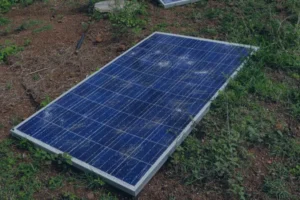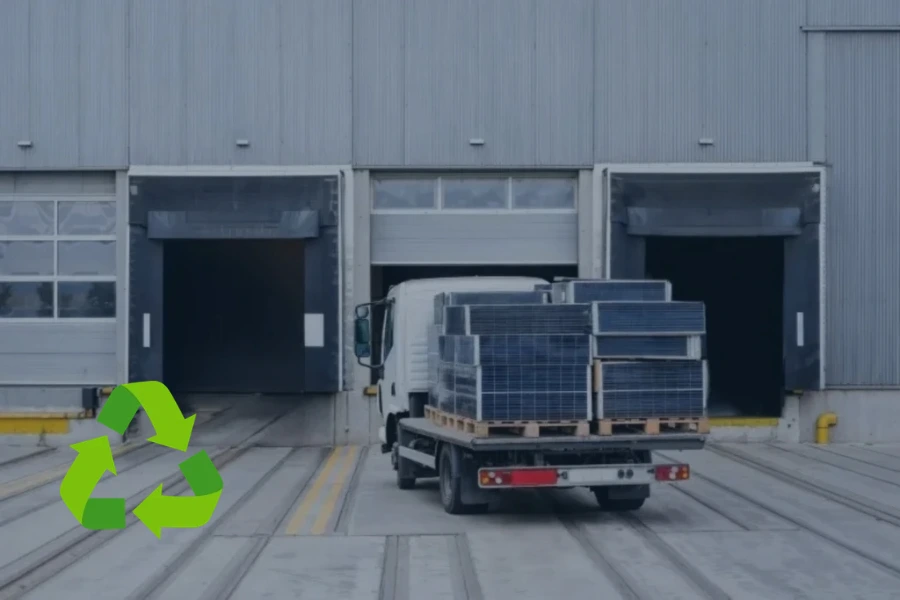
Replacing the solar panels on your home? Dealing with dozens of damaged panels after a storm? Maybe you’re responsible for removing hundreds of panels from a commercial solar installation.
Whatever the situation, finding a company that accepts old solar panels is only part of the process. You’ll also want to understand what the service includes, how much it costs, and what actually happens to your panels after collection.
Not every recycling provider offers the same services, transportation arrangements, or documentation.
EACR Inc. is a solar recycling company helping homeowners, contractors, businesses, and organizations manage end-of-life solar equipment. Here are 15 practical questions worth asking before choosing a recycling provider.
Why Should You Ask Questions Before Choosing a Solar Panel Recycler?
Choosing a solar panel recycler involves more than finding someone willing to take your old equipment.
Some companies specialize in large commercial collections, while others accommodate smaller quantities. Pickup fees, loading requirements, accepted materials, and processing methods can also differ.
Asking the right questions beforehand can help you:
- Understand exactly what you’re paying for.
- Avoid unexpected transportation charges.
- Confirm whether damaged panels are accepted.
- Prepare your panels correctly for collection.
- Know what recycling documentation you’ll receive.
A few minutes of preparation can prevent unnecessary delays and confusion later.
15 Questions to Ask a Solar Panel Recycling Company
1. What Types of Solar Panels Do You Accept?
Not all solar panels have the same construction or material composition, and not every recycling facility accepts every type.
Common solar panel types include:
- Monocrystalline solar panels
- Polycrystalline solar panels
- Thin-film solar panels
- Older photovoltaic modules
Different technologies may require different recycling methods, so it’s important to confirm acceptance before scheduling collection.
If possible, provide the recycler with the manufacturer, model number, and approximate quantity of panels. This helps them determine whether your equipment fits their recycling program.
2. Can You Recycle Broken or Damaged Solar Panels?
Solar panels don’t always reach the end of their useful life in perfect condition. Storms, falling debris, accidents, and equipment failures can leave panels damaged or unusable.
Ask whether the recycling company accepts panels with:
- Cracked or shattered glass
- Bent or damaged aluminum frames
- Water damage
- Fire or severe weather damage
Damaged panels may still contain recoverable materials, but their condition can affect packaging, transportation, and recycling costs.
Sending photographs of the damage beforehand can help the recycler identify potential handling requirements and avoid surprises during pickup.
3. Do You Have a Minimum Number of Panels for Pickup?
A homeowner replacing six solar panels has very different recycling needs than a contractor removing several hundred.
Some recycling companies have minimum pickup quantities based on the number of panels, total weight, location, or transportation expenses.
Before requesting service, ask whether there’s a minimum collection size or a standard pickup charge.
If you only have a few panels, find out whether you can bring them directly to an approved recycling facility instead. Drop-off may be a more practical option for smaller quantities.
4. Will You Remove the Solar Panels, or Do They Need to Be Taken Down First?
This is one of the most important questions to ask because solar panel removal and solar panel recycling are two different services.
- Solar Panel Removal: Disconnecting and physically removing panels from a roof, ground-mounted system, or other installation.
- Solar Panel Recycling: Collecting and processing panels after they’ve been removed from service.
Don’t assume a recycling company will climb onto your roof and remove the panels.
Solar panels connected to an electrical system should be disconnected and removed by qualified personnel following appropriate safety procedures.
Confirm who is responsible for removal before scheduling recycling services.
5. How Should Solar Panels Be Prepared for Pickup?
Once your panels have been removed, you’ll need to know how the recycling company wants them organized for collection.
Ask about the following:
- Do panels need to be stacked on pallets?
- Should they be strapped or secured for transportation?
- Are there different requirements for broken panels?
- Will the company provide packaging instructions?
- Are collection containers available for larger projects?
Proper preparation can help prevent additional damage, transportation problems, and pickup delays.
Requirements vary based on panel condition and collection arrangements. Following the recycler’s instructions for preparing solar panels for recycling can make the entire process easier.
6. How Much Does Solar Panel Recycling Cost, and What’s Included?
Solar panel recycling isn’t always priced the same way. Costs can depend on the number of panels, their condition, total weight, transportation distance, and the services required.
Before accepting a quote, ask:
- Is recycling priced per panel, per pound, or per project?
- Does the quoted price include pickup?
- Are loading or transportation fees charged separately?
- Will damaged panels cost more to recycle?
- Is recycling documentation included?
A low recycling rate might not be the best deal if transportation and other services are billed separately.
Request a written quote that clearly explains what’s included so you can compare providers without unexpected charges.
7. Can You Recycle Inverters, Wiring, and Mounting Equipment Too?
Replacing an entire solar system often means getting rid of more than just the panels.
Depending on the installation, you may also have:
- Solar inverters and power optimizers
- Copper wiring and electrical cables
- Aluminum mounting rails
- Junction boxes and electrical connectors
- Solar energy storage batteries
Ask whether the recycling company accepts these materials or can coordinate additional recycling arrangements.
Different components may require separate handling. Batteries, for example, shouldn’t automatically be mixed with ordinary solar panel collections.
Confirming which materials are accepted can make it easier to coordinate the disposal of equipment from an entire installation.
8. What Actually Happens to My Solar Panels After You Pick Them Up?
It’s reasonable to want to know where your solar panels go after leaving your property.
Solar panel recycling can involve dismantling, separating, and processing components to recover materials such as:
- Aluminum from panel frames
- Glass from protective layers
- Copper from wiring and electrical connections
- Silicon-based materials from solar cells
- Other recoverable metals and components
However, different recycling facilities use different technologies, and not every process recovers the same materials.
Ask whether the company processes panels at its own facility or sends them to a specialized recycling operation.
A reputable provider should be able to explain its general recycling process and downstream handling arrangements. How solar panels are handled at the end of their useful life also plays a role in their overall environmental impact, including the carbon footprint of solar panels from manufacturing through disposal and recycling.
9. Will My Panels Be Recycled, Reused, or Resold?
Not every solar panel removed from service is completely unusable.
Some panels may still generate electricity but have been replaced because of system upgrades, changing energy needs, or installation renovations.
Depending on their condition, age, and performance, these panels might qualify for testing, refurbishment, or reuse.
Ask whether the recycling company evaluates working panels for potential reuse or sends all collected equipment directly into material recycling.
If you specifically want your panels recycled rather than refurbished or resold, communicate that expectation before arranging collection.
10. Who is Responsible for Loading the Solar Panels Onto the Truck?
Not every solar panel recycling company provides the same loading and transportation services. Some arrange transportation only, while others may offer loading assistance.
Before pickup, ask:
- Do panels need to be palletized beforehand?
- Will the driver load the panels onto the truck?
- Is a forklift or loading dock required?
- Can you accommodate locations without loading equipment?
- Are additional loading services available?
Clarifying these responsibilities ahead of time helps prevent pickup delays, rescheduling, and unexpected charges.
11. Will I Receive a Certificate of Recycling?
Recycling documentation can be especially important for businesses, contractors, municipalities, and commercial solar operators that need records of equipment disposal.
Before scheduling collection, ask whether the company provides:
- Certificates of recycling: Documentation confirming that equipment was directed through an appropriate recycling program.
- Collection Records: Details about when and where the panels were collected.
- Quantity or Weight Records: Documentation showing the number of panels or total material weight.
- Additional Documentation: Other records required for your project.
Documentation availability and delivery times vary, so confirm what you’ll receive before arranging pickup.
12. How Soon Can You Schedule Pickup?
Solar panel recycling pickup times depend on the collection location, number of panels, transportation requirements, and the company’s availability.
A homeowner with a few panels may have different scheduling options than a commercial facility removing hundreds of modules.
Ask about the earliest available pickup date, how far in advance you should schedule, and whether the company can accommodate your project deadline.
This is particularly important during roof replacements, property renovations, and large solar system upgrades where equipment needs to be removed on schedule.
13. Do You Offer Solar Panel Recycling Pickup in My Area?
Not every solar panel recycling company operates in the same geographic areas. Some provide local collection services, while others coordinate transportation across multiple states.
Before requesting a quote, ask:
- Do you offer pickup in my ZIP code?
- Is residential solar panel collection available?
- Does transportation distance affect the price?
- Can you coordinate commercial pickups outside your immediate service area?
Your location and the number of panels requiring recycling can influence which collection options are available and how much transportation will cost.
14. Can You Arrange Multiple Pickups for a Large Solar Recycling Project?
Large solar recycling projects don’t always happen in a single day. Contractors, solar installers, and commercial property managers may remove hundreds or thousands of panels over several weeks.
Ask whether the recycling company can accommodate:
- Multiple scheduled pickups
- Ongoing collections during panel removal
- Transportation from several project locations
- Pickup schedules coordinated with installation or demolition crews
For larger projects, a recycler that can work around your removal schedule may help prevent equipment from accumulating on-site and interfering with ongoing work.
15. What Happens If I Have More or Fewer Solar Panels Than Originally Estimated?
The number of panels requiring recycling can change during roof replacements, equipment upgrades, and commercial removal projects.
Before scheduling, ask:
- Can additional panels be included in the pickup?
- Will fewer panels change the original quote?
- How much advance notice is required?
- Could additional panels require another truck or collection date?
For example, a contractor might discover more damaged panels than expected once removal begins.
Communicating quantity changes early gives the recycling company time to adjust transportation arrangements and explain any pricing differences.
What Information Should You Have Ready Before Contacting a Solar Panel Recycling Company?
Providing a few basic details can help a recycling company determine equipment acceptance, estimate costs, and arrange transportation.
Before reaching out, gather the following information:
- Number of Panels: The approximate quantity requiring recycling.
- Panel Type: Manufacturer and model number, if available.
- Condition: Whether the panels are working, cracked, broken, or otherwise damaged.
- Location: The address where the panels are currently stored.
- Removal Status: Whether the panels have already been disconnected and removed.
- Additional Equipment: Any inverters, batteries, wiring, or mounting hardware requiring recycling.
- Pickup Timeline: Your preferred collection date or project deadline.
Photographs of the panels and their storage location can also help the recycling company understand your project and provide a more accurate quote.
Choose EACR Inc. for Solar Panel Recycling
Choosing a solar panel recycling company is easier when you understand the costs, accepted materials, pickup requirements, and recycling process. Asking the right questions beforehand helps prevent unexpected fees, scheduling complications, and confusion during equipment removal.
EACR Inc. is a solar panel recycling company helping homeowners, solar installers, contractors, commercial facilities, and organizations manage qualifying end-of-life solar equipment.
Whether you’re recycling a small collection or coordinating a larger project, contact EACR Inc. at (732) 370-4100 to discuss accepted materials, pricing, transportation, and available collection arrangements.