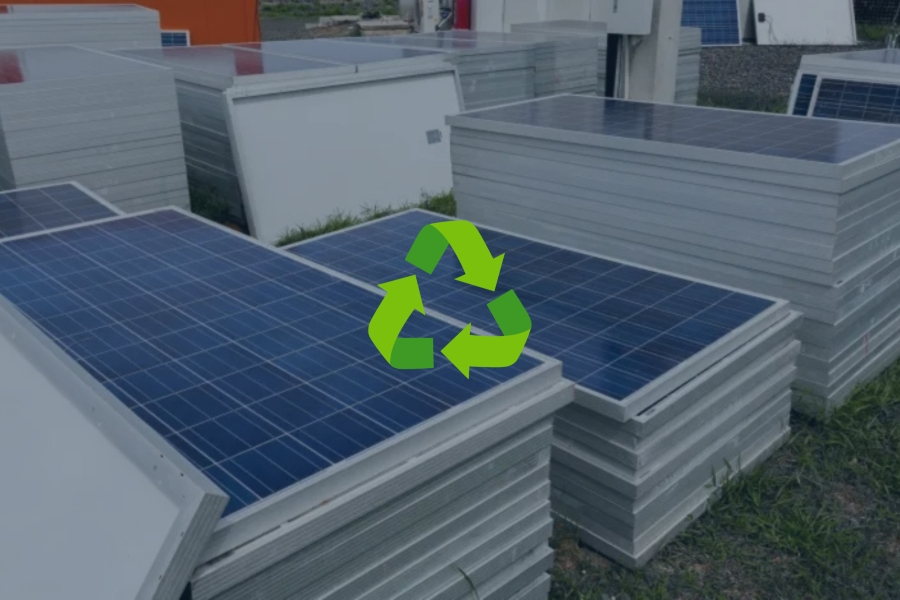
Preparing solar panels for recycling does not need to be complicated, but a little planning can make the process safer and more efficient.
Proper preparation helps protect workers, reduce unnecessary breakage, and preserve recyclable materials such as glass, aluminum, copper, and silicon. It can also make collection, loading, and transportation much easier.
Whether you are handling a few rooftop panels or a large commercial solar system, taking a few practical steps before pickup or drop-off can prevent avoidable problems.
EACR Inc. provides licensed solar panel recycling services throughout the Northeast and helps businesses, contractors, institutions, and organizations manage end-of-life solar panels responsibly.
When Should Solar Panels Be Prepared for Recycling?
Solar panels should be prepared for recycling once it is clear they will not be returned to service, repaired, or reused.
Common situations include:
- Panels reaching the end of their service life
- Storm, hail, or fire damage
- Solar system upgrades
- Commercial roof replacement
- Solar farm repowering
- Large equipment replacement projects
- Building renovation or demolition
Preparation should begin before the panels are removed whenever possible. Knowing how many panels are involved, what condition they are in, and where they will be stored can make the entire project easier to manage.
This is especially important for commercial systems and solar farms, where hundreds or thousands of panels may need to be removed, sorted, and transported at the same time.
Confirm the Panels Are Ready for Removal
Preparing solar panels for recycling starts before anyone takes them off the roof, rack, or mounting system.
The first step is confirming whether each panel should be reused, repaired, or recycled. Once that decision is made, the removal process can be planned around safety, storage, and transportation.
Determine Whether the Panels Will Be Reused or Recycled
Not every removed solar panel automatically needs to be recycled.
Some panels may still operate properly and could potentially be reused, resold, or relocated. Others may have minor issues that can be repaired.
Panels are more likely to be ready for recycling when they are:
- No longer producing usable power
- Physically damaged beyond repair
- Burned or affected by severe water intrusion
- Too old or inefficient for continued use
- Incompatible with an upgraded system
- Not suitable for resale or reuse
Separating working, repairable, and end-of-life panels early can prevent usable equipment from being mixed with material intended for recycling.
Schedule Safe Panel Removal
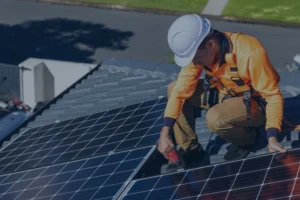
Solar panels are part of an active electrical system, so they should be removed by qualified personnel who understand how to safely disconnect and handle the equipment.
Before removal begins, the electrical system should be properly shut down and isolated. Wiring, inverters, batteries, and other connected components may require separate handling.
Careful removal helps prevent:
- Broken glass
- Bent aluminum frames
- Damaged junction boxes
- Exposed wiring
- Unnecessary material loss
- Worker injuries
Panels should not be dropped, dragged, or thrown into containers. Avoidable breakage makes handling more difficult and may reduce the quality of recoverable materials.
Inspect the Panels After Removal
Once the panels are on the ground, inspect them before stacking or storing them.
A quick visual check can help identify panels that require extra care and make it easier to organize the project for collection.
Check for Physical Damage
Look for obvious signs of damage, including:
- Cracked or shattered glass
- Bent or separated frames
- Burn marks
- Melted components
- Water intrusion
- Corrosion
- Loose junction boxes
- Exposed wiring
- Detached connectors
Damage should be noted before the panels are moved again. This gives workers a chance to use safer handling methods and prevents damaged modules from being buried within a larger stack.
Panels affected by fire, flooding, or severe impact may require additional evaluation because they can contain broken glass, sharp edges, loose electrical parts, or contaminated materials.
Separate Damaged Panels
Damaged panels should be kept separate from intact panels whenever practical.
This makes them easier to identify, handle, and load. It also helps prevent broken glass or exposed hardware from damaging other panels in the stack.
Separating damaged panels can improve:
- Worker safety
- Inventory accuracy
- Storage organization
- Loading efficiency
- Communication with the recycler
Use clear labels or a designated storage area so workers and transport personnel know which panels need extra care.
Organize Panels for Collection or Transport
Once the panels have been inspected, they should be organized in a way that limits movement and protects them from additional damage.
The exact storage method may depend on the number of panels, their condition, available space, and the recycler’s collection requirements.
Stack Panels Carefully
Panels should be stacked in a stable, controlled manner.
When practical, keep them upright or positioned in the orientation recommended by the recycler or transportation provider. Avoid placing excessive weight on the lower panels, especially when glass is already cracked.
Pallets can make larger quantities easier to organize, move, and load. When using pallets:
- Keep panels aligned
- Avoid overhanging edges
- Do not exceed the pallet’s safe capacity
- Keep damaged panels in a separate stack
- Use protective material between panels when appropriate
The goal is to create a stable load without adding unnecessary packaging or making the panels harder to unload.
Secure Panels During Storage
Store panels on a flat, stable surface where they are protected from vehicle traffic, falling objects, and unnecessary handling.
Whenever possible, use a dry and covered location. Exposure to rain, snow, or standing water can make damaged panels more difficult to handle and may worsen corrosion or water intrusion.
Panels should be secured to prevent:
- Sliding
- Tipping
- Shifting
- Falling
- Wind exposure
- Contact with moving equipment
Stacks should also remain accessible so they can be inspected and loaded without being moved repeatedly.
Keep Different Equipment Separate
Solar energy systems contain more than panels. Inverters, wiring, batteries, mounting hardware, and electrical components may follow different recycling and handling processes.
Keep the following materials separated:
- Solar panels
- Solar inverters
- Copper wiring and cables
- Batteries
- Mounting rails
- Steel or aluminum hardware
- Junction boxes and connectors
- Other electrical equipment
This makes sorting easier and helps prevent incompatible materials from being mixed together.
Batteries should always be handled separately because they may have specific safety, storage, and transportation requirements. Inverters and wiring can also be directed into their own recycling streams instead of being stacked with the panels.
Record Basic Project Information
Before scheduling a pickup or delivery, gather a few basic details about the project.
Useful information includes:
- Approximate number of panels
- Manufacturer, if known
- Panel type
- Project location
- Whether the system is residential, commercial, or utility-scale
- Known damage
- Whether the panels are already removed
- Whether inverters, wiring, batteries, or mounting hardware are included
You do not need a perfect inventory to get started. Even rough estimates can help the recycler plan for labor, transportation, storage, and processing.
For larger commercial projects, photos can also be helpful. They give the recycler a better idea of panel condition, stacking method, site access, and whether special handling may be needed.
The more clearly the project is described, the easier it is to avoid delays and prepare the right equipment.
Work With a Licensed Solar Panel Recycler
Solar panel recycling involves more than hauling old panels away.
A licensed recycler can help organize the materials, evaluate damaged panels, coordinate transportation, and direct components into the appropriate recycling streams.
This is especially important for:
- Commercial roof replacements
- Solar farm repowering
- Storm-damaged systems
- Large panel inventories
- Multi-site projects
- Building renovations and demolitions
Proper handling helps protect recyclable glass, aluminum, copper, silicon, and other materials from unnecessary damage. It also reduces the risk of panels being mixed with construction debris or sent to the wrong facility.
For large projects, transportation logistics matter just as much as material recovery. Panel quantity, pallet condition, loading access, trailer requirements, and project timing can all affect how collection is planned.
Environmental and waste-handling requirements may also vary depending on the panel type, condition, project location, and materials involved. Working with an experienced recycler helps businesses manage those details more effectively.
EACR Inc. provides licensed solar panel recycling services throughout the Northeast for businesses, contractors, institutions, municipalities, and organizations managing end-of-life solar equipment.
Prepare Solar Panels Before Recycling
A little preparation can protect recyclable materials and make the entire recycling process easier to manage.
Inspecting the panels, separating damaged modules, organizing related equipment, and recording basic project details can improve safety and reduce delays. These steps are especially useful for commercial projects involving large quantities of panels.
Working with a licensed recycler also helps ensure the panels are handled, transported, and processed through appropriate material recovery channels.
If you are preparing to retire or replace solar panels, EACR Inc. provides licensed solar panel recycling services throughout the Northeast to help manage collection, transportation, and responsible material recovery.
Frequently Asked Questions About Preparing Solar Panels
How do I prepare solar panels for recycling?
Confirm that the panels are ready for recycling, schedule qualified removal, inspect them for damage, separate damaged modules, organize them securely, and provide the recycler with basic project information.
Should solar panels be cleaned before recycling?
Basic dirt or dust usually does not require extensive cleaning. Remove loose debris when it can be done safely, but do not use aggressive cleaning methods or take damaged panels apart.
Can broken solar panels be recycled?
Yes. Broken or cracked panels may still contain recyclable glass, aluminum, copper, silicon, and other materials. They should be separated from intact panels and handled carefully.
How should solar panels be stored before pickup?
Store panels on a flat, stable surface in a dry and protected location whenever possible. Secure them so they cannot slide, tip, or shift.
Should I remove the aluminum frame before recycling?
No, unless the recycler specifically asks you to do so. Removing parts without proper equipment can create sharp edges, break glass, and make the panels harder to handle.
Can solar inverters be recycled separately?
Yes. Inverters contain metals, wiring, circuit boards, and electronic components that may require a separate recycling process from solar panels.
Should wiring and mounting hardware be recycled with the panels?
Keep wiring, mounting rails, fasteners, and other hardware separated from the panels. Tell the recycler what additional materials are included so each item can be directed into the correct recycling stream.
How should businesses prepare large quantities of solar panels?
Businesses should estimate the quantity, separate damaged panels, organize modules on stable pallets or in secure stacks, document the project, and coordinate transportation with the recycler before removal is complete.
What information should I provide before scheduling pickup?
Provide the approximate quantity, project location, panel type, manufacturer if known, condition, known damage, removal status, and any other equipment included in the collection.
Who should remove solar panels before recycling?
Solar panels should be disconnected and removed by qualified personnel who understand the electrical system, mounting equipment, and safe handling requirements.