Solar panels are often associated with glass, but several metals are also built into their frames, wiring, electrical connections, and solar cells. These metals help the panel generate electricity, remain structurally stable, and connect to the larger solar energy system.
When panels are retired, many of those metals can be separated and returned to manufacturing instead of being discarded. Recovering them helps reduce waste, conserve natural resources, and limit the need for newly mined materials.
The exact metals found in a solar panel depend on its manufacturer, age, design, and photovoltaic technology. Conventional silicon panels, thin-film panels, and older modules may each contain a different mix of materials.
EACR Inc. is a solar panel recycling business operating throughout the Northeast, helping businesses and organizations recover reusable materials from end-of-life solar panels.
Why Solar Panels Contain Metals
Solar panels need metals for both electrical performance and physical support. Without conductive metals, the electricity generated by the solar cells could not move through the panel and into the rest of the system.
Metals inside a solar panel are used to:
- Conduct electrical current
- Support and protect the panel
- Connect individual solar cells
- Improve structural durability
- Secure electrical components
- Transfer power into external cables and equipment
Some metals are easy to see, such as the aluminum frame. Others appear in small amounts inside wiring, cell contacts, connectors, solder, and conductive coatings.
The type and amount of each metal vary, but several materials are commonly recovered when solar panels are properly dismantled and processed.
What Metals Are Recovered from Solar Panels?
Solar panels may contain aluminum, copper, silver, tin, steel, and other metals. Silicon is also commonly recovered, although it is technically classified as a metalloid rather than a true metal.
Recovery depends on the panel’s design, condition, and the recycling methods available.
Aluminum
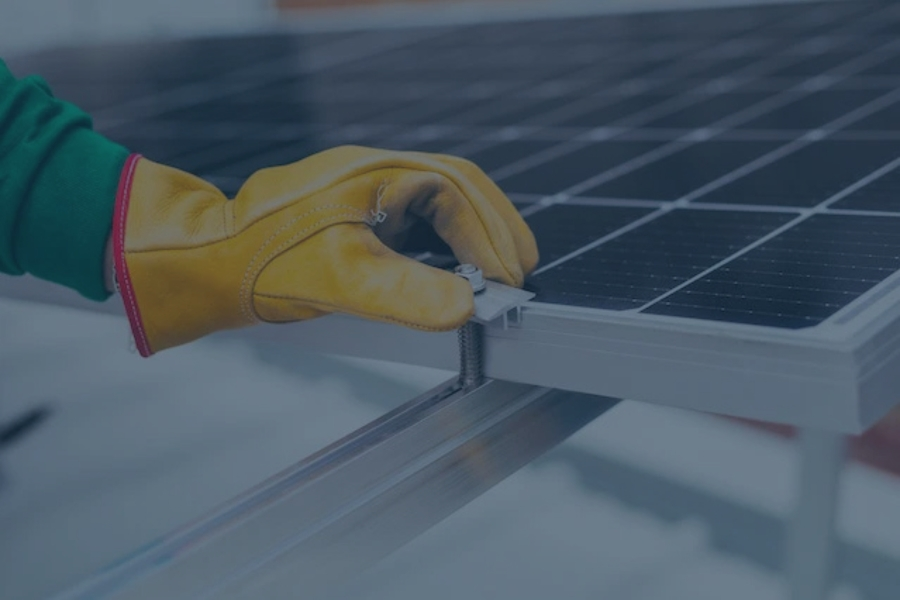
Aluminum is most commonly found in the outer frame of a solar panel. The frame protects the panel’s edges, provides structural support, and creates secure mounting points for installation.
Because the frame is attached around the outside of the module, it is usually one of the first and easiest components to remove during dismantling.
Recovered aluminum can be melted down and used to manufacture new products, including:
- Construction materials
- Vehicle components
- Equipment parts
- New frames
- Consumer products
- Industrial components
Aluminum can be recycled repeatedly without losing many of the properties that make it useful.
Copper
Copper is used throughout the electrical system of a solar panel because it conducts electricity efficiently.
It may be found in:
- Internal wiring
- External cables
- Conductive strips
- Junction boxes
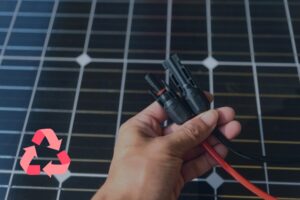
- Connectors
- Electrical terminals
Copper carries the electricity generated by the solar cells toward the junction box and into the rest of the solar energy system.
Recovering copper helps conserve a widely used industrial metal and reduces the need for additional mining and refining. The amount in a single panel may be modest, but it becomes more significant when large commercial systems or solar farms are dismantled.
Silver
Silver is commonly used in conductive paste applied to the surface of silicon solar cells. This paste forms thin electrical contacts that collect and transfer the current generated by the cell.
Each panel generally contains only a small amount of silver, but the metal is important because of its strong electrical conductivity.
Recovering silver requires more specialized processing than removing an aluminum frame or copper wire. The solar cells must first be separated from the surrounding glass, encapsulants, and other materials.
Across large quantities of retired panels, recovering even small amounts of silver can help return a useful industrial material to the manufacturing supply chain.
Silicon
Silicon is technically a metalloid, which means it has characteristics of both metals and nonmetals. It is included in discussions about recovered solar panel materials because it forms the active cells in most conventional photovoltaic panels.
Silicon solar cells absorb sunlight and help convert it into electrical energy. They are sealed beneath the glass and bonded between encapsulant layers.
Recovering silicon is more complicated than removing external metal components. Recycling facilities may use mechanical, thermal, or chemical processes to separate the cells from the materials around them.
Once recovered, silicon may require cleaning and further refinement before it can be reused. Its final application depends on the purity and condition of the recovered material.
Tin and Solder Materials
Tin and solder materials are used to connect solar cells, conductive strips, busbars, and other electrical components.
These materials help create secure electrical pathways across the panel, allowing current to move from one cell to another.
The amount and composition of solder can vary depending on when and how the panel was manufactured. Older panels may contain different solder formulations than newer models.
Whether these metals are recovered depends on the recycling process. Specialized separation and refining methods may be needed because solder is usually present in small amounts and bonded to other materials.
Small Amounts of Other Metals
Depending on the manufacturer and panel technology, solar panels may also contain small amounts of:
- Lead
- Nickel
- Zinc
- Steel
- Chromium
- Molybdenum
- Cadmium
- Tellurium
- Indium
- Gallium
Older panels may contain lead in solder or electrical connections. Steel may appear in fasteners, mounting hardware, and junction box components. Nickel and zinc may be used in coatings, connectors, or other electrical parts.
Thin-film panels can contain specialty materials that are not typically found in standard crystalline silicon panels. Their composition depends heavily on the specific thin-film technology.
Because panel designs vary, the presence of a particular metal should not be assumed without identifying the manufacturer, model, and type of panel. Proper recycling allows these mixed materials to be evaluated, separated, and directed into the appropriate recovery streams.
Do All Solar Panels Contain the Same Metals?
No. The metal content of a solar panel depends on how, when, and by whom it was manufactured.
Monocrystalline and polycrystalline panels generally use many of the same core materials, including aluminum frames, copper wiring, silver contacts, silicon cells, and small amounts of solder. However, the quantity and placement of those materials can vary between panel models.
Thin-film solar panels have a different composition. Depending on the technology, they may contain materials such as:
- Cadmium and tellurium
- Copper, indium, gallium, and selenium
- Molybdenum
- Zinc
- Other specialty metals and coatings
Production year also matters. Older panels may use lead-based solder or electrical designs that are less common in newer models. Manufacturers may also change frame thickness, wiring layouts, conductive pastes, junction boxes, and cell connections over time.
Because solar panels are not all built the same way, the metals that can be recovered and the methods used to separate them vary from one panel type to another.
Why Recovering These Metals Matters
The metals inside a solar panel required raw materials, energy, and manufacturing resources to produce. Recovering them helps keep those resources in use after the panel stops generating electricity.
Recycling aluminum, copper, silver, tin, and other metals can reduce demand for newly mined materials. It can also reduce the energy, transportation, and processing associated with extracting metals from natural deposits.
Metal recovery helps:
- Conserve natural resources
- Reduce demand for additional mining
- Supply manufacturers with reusable material
- Keep large solar components out of landfills
- Reduce waste from commercial and utility-scale projects
- Support a more circular solar industry
The impact becomes more significant when large numbers of panels are retired at the same time. A commercial rooftop replacement or solar farm repowering project may involve hundreds or thousands of panels, creating a substantial amount of recoverable metal.
What Happens to Recovered Metals?
After metals are separated from the panel, they are sorted and directed into appropriate processing and manufacturing streams.
- Aluminum can be melted and used to manufacture new frames, construction materials, equipment, and other aluminum products.
- Copper can be refined and reused in electrical wiring, electronics, machinery, and industrial equipment.
- Silver may be recovered through specialized processing and returned to electronics or other industrial manufacturing.
- Tin and solder metals can be refined and used in new metal products or electrical applications.
- Silicon may be cleaned and refined before being reused in manufacturing.
The final use depends on the material’s purity, condition, and the capabilities of the processor receiving it.
Why Licensed Solar Panel Recycling Is Important
Recovering metals from solar panels requires more than removing the aluminum frame and cutting away visible wires.
Panels contain bonded glass, electrical components, plastics, adhesives, silicon cells, and small quantities of different metals. Proper dismantling and material separation help direct each component into the correct recycling or waste stream.
A licensed recycler can help businesses and organizations manage:
- Panel identification and sorting
- Proper dismantling
- Material separation
- Damaged or broken modules
- Environmental and waste-handling requirements
- Commercial collections
- Large-volume solar projects
- Solar farm and rooftop system removals
This is especially important for commercial replacements and utility-scale projects, where poor planning can result in broken panels, unsafe storage, mixed materials, and avoidable disposal.
Recovering Metals Keeps Solar Materials in Use
Solar panels contain much more than glass. Aluminum, copper, silver, tin, steel, silicon, and other materials all contribute to a panel’s structure and electrical performance.
Although the type and amount of each metal vary, many of these materials can be separated and returned to productive use. Proper recycling helps conserve natural resources, reduce unnecessary disposal, and support manufacturing supply chains.
If your business or organization is retiring solar panels, EACR Inc. provides licensed solar panel recycling services to recover reusable metals and responsibly manage end-of-life solar equipment throughout the Northeast.
Frequently Asked Questions About Metals Recovered From Solar Panels
What metals are found in solar panels?
Solar panels commonly contain aluminum, copper, silver, tin, steel, and solder materials. Some panel technologies may also contain lead, nickel, zinc, molybdenum, cadmium, tellurium, indium, gallium, or other specialty metals.
Do solar panels contain copper?
Yes. Copper is commonly found in solar panel wiring, cables, connectors, terminals, and junction boxes. It carries electrical current from the panel into the rest of the solar energy system.
Do solar panels contain aluminum?
Most conventional solar panels have an aluminum outer frame. The frame protects the module, provides structural support, and creates mounting points for installation.
Is there silver inside solar panels?
Many silicon solar panels use a small amount of silver in the conductive paste applied to their cells. The silver helps collect and transfer the electrical current produced by the panel.
Do all solar panels contain the same metals?
No. Metal content varies by manufacturer, production year, panel design, and photovoltaic technology. Thin-film panels may contain different specialty metals than conventional silicon panels.
Can metals from solar panels be reused?
Yes. Recovered metals can be refined and returned to manufacturing supply chains. Their final use depends on their condition, purity, and the available processing methods.
Why is copper recovered from solar panels?
Copper is widely used in electrical and industrial products and retains useful properties after recycling. Recovering it helps conserve natural resources and reduces demand for newly mined copper.
Are rare earth metals used in solar panels?
Most conventional silicon solar panels do not rely heavily on rare earth elements. However, certain solar technologies and related system components may contain specialty or critical materials.
Do solar panels contain lead?
Some solar panels, particularly older models, may contain small amounts of lead in solder or electrical connections. Lead content varies by manufacturer, production year, and panel design.
Is silicon considered a metal?
No. Silicon is classified as a metalloid, meaning it has properties of both metals and nonmetals. It is still commonly discussed alongside recoverable solar panel materials because it forms the active cells in most conventional panels.