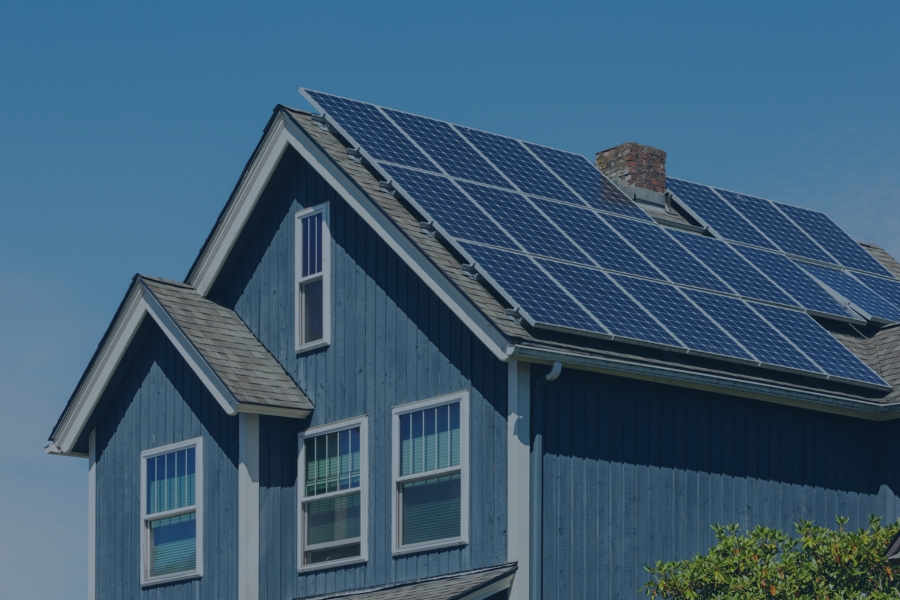
No, solar panels are not considered toxic during normal use.
Modern solar panels are built as sealed systems. Their internal cells, wiring, conductors, and other materials are enclosed between glass, protective polymers, and a durable backing. This design protects the components from rain, wind, and routine outdoor exposure.
Concerns about solar panel toxicity usually involve trace heavy metals, damaged equipment, and what happens when panels reach the end of their service life. Some panels contain small amounts of lead, while certain thin-film models use cadmium-based materials. These substances are not normally exposed while the panel remains intact and in use.
This guide explains what materials are inside solar panels, whether they pose a risk during normal operation, when discarded panels may become a concern, and why proper recycling matters.
Businesses replacing or decommissioning solar equipment can work with EACR Inc., a licensed electronics recycling company, to arrange responsible solar panel recycling and collection services.
Are Solar Panels Toxic?
Solar panels are generally safe during normal use and are not considered toxic simply because they are installed on a home, business, school, or solar farm.
Most panels are designed to keep their internal materials sealed between layers of glass and protective polymers. This prevents people from coming into direct contact with the cells, wiring, solder, and other internal components during normal operation.
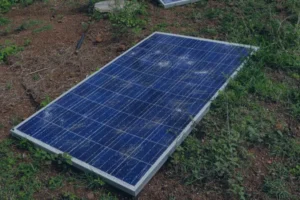
A solar panel does not release toxic substances just because it is exposed to sunlight, rain, or changing temperatures. Even a cracked outer surface does not automatically mean hazardous materials are leaking from the panel. Extensive testing by the U.S. Environmental Protection Agency (EPA) shows that intact or cracked panels do not release harmful amounts of toxic substances into surrounding soil or groundwater
The primary concern arises after panels are removed from service. Improper dismantling, crushing, landfilling, or disposal in large quantities may create environmental and regulatory concerns. The difference is not whether solar panels are inherently toxic, but whether their internal materials are managed properly at the end of the equipment’s life.
What Materials Are Inside Solar Panels?
Solar panels contain several layers and materials that work together to generate electricity and withstand decades of outdoor use. Most of the panel consists of common materials such as glass, aluminum, silicon, and plastic polymers.
Glass and Aluminum
Glass and aluminum make up much of a standard solar panel.
The front surface is typically made from strong tempered glass that protects the solar cells from weather, impact, moisture, and debris. An aluminum frame surrounds the panel and gives it structural support during installation and use.
Protective polymer layers are also placed around or behind the solar cells. These layers help seal the panel and reduce exposure to air and moisture.
Together, the glass, aluminum, and polymers act as a protective enclosure. They help keep the internal electrical and semiconductor materials contained during normal operation.
Silicon Solar Cells
Most solar panels installed on homes and commercial buildings use silicon-based solar cells.
These cells convert sunlight into electricity. They are connected by copper wiring and may use small amounts of silver as a conductive material. The wiring carries the generated electricity through the panel and into the rest of the solar energy system.
Silicon itself is not considered toxic in a completed solar panel. The cells remain sealed inside the module and are not normally accessible during installation or everyday use.
Copper and silver are also commonly recovered during solar panel recycling, although the amounts vary depending on the panel type and manufacturing process.
Trace Heavy Metals
Some solar panels contain small amounts of heavy metals.
Standard silicon panels may use lead-based solder to connect electrical components. Newer panel designs may reduce or eliminate lead, but its use varies by manufacturer and model.
Certain thin-film panels contain cadmium telluride, commonly called CdTe. Cadmium can be hazardous in some forms, but in a CdTe solar panel it is part of a stable semiconductor compound sealed inside the module.
The presence of these materials does not make an installed panel toxic. During normal use, they remain enclosed by glass, polymers, and other protective layers. Concerns are more likely to arise when panels are improperly broken apart, crushed, burned, or discarded at the end of their service life.
When Can Solar Panels Become a Concern?
Solar panels are not normally a health or environmental concern while they are operating as intended. Questions become more relevant when the panels are removed, damaged, stored improperly, or discarded without determining the correct waste and recycling requirements.
At the End of Their Service Life
Solar panels are built to remain in service for decades, but they eventually lose efficiency, become outdated, or are removed during system upgrades.
Once panels are decommissioned, they become part of a waste stream rather than an operating energy system. At that point, businesses and solar operators need to determine how the panels should be classified, transported, and processed.
Some discarded panels may be regulated differently depending on their materials and whether they meet applicable toxicity thresholds. Because panel designs vary, businesses should not assume that every module can be handled through ordinary trash or construction waste.
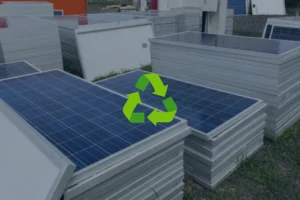
Proper recycling helps separate reusable glass, aluminum, copper, wiring, and other components while directing regulated materials through an appropriate process.
Improper Disposal
Improper disposal is one of the main situations in which solar panel materials can become a concern.
Potential problems include:
- Sending panels to a landfill without evaluating disposal requirements
- Crushing panels with mixed construction debris
- Breaking modules apart without proper equipment
- Stockpiling damaged panels outdoors
- Failing to identify thin-film or specialty panel types
- Disposing of large solar arrays without a recycling plan
The risk is not that every discarded panel will immediately release harmful substances. The concern is that repeated breakage, poor storage, uncontrolled processing, or long-term disposal may expose internal materials unnecessarily.
Businesses may also face regulatory concerns if discarded panels meet the definition of hazardous waste under applicable federal or state rules.
Damaged or Broken Panels
A cracked or broken solar panel is not automatically hazardous.
The internal materials may remain held in place by the panel’s polymer layers even when the front glass is damaged. However, broken panels should still be handled carefully because sharp glass, exposed wiring, and unstable frames can create physical safety risks.
Avoid drilling, cutting, crushing, or dismantling damaged panels. They should be kept in a secure area where they will not be exposed to repeated handling, vehicle traffic, or additional breakage.
Large quantities of storm-damaged, fire-damaged, or decommissioned panels should be evaluated before transportation or disposal. The recycler may need information about the panel type, manufacturer, quantity, condition, and project location to determine the appropriate collection process.
Why Solar Panel Recycling Matters
Solar panel recycling helps keep reusable materials in circulation while reducing the amount of old equipment sent to landfills. It also gives businesses a more responsible way to manage panels that are damaged, outdated, or no longer producing enough energy.
Recovering Reusable Materials
Solar panels contain several materials that can be separated during recycling, including:
- Glass
- Aluminum
- Copper
- Silver
- Wiring and other recoverable components
Glass makes up much of a standard solar panel, while aluminum is commonly used for the frame. Copper is found in wiring and electrical connections, and small amounts of silver may be used in the solar cells.
The exact recovery process depends on the type and condition of the panel. Proper processing allows these materials to be separated instead of discarding the entire module as mixed waste.
Proper Management of Regulated Materials
Some solar panels contain trace amounts of lead, cadmium, or other materials that may require additional attention at the end of the panel’s life.
Not every discarded panel is automatically classified as hazardous waste. Its regulatory status can depend on the panel type, material composition, condition, and applicable waste rules.
Working with a licensed recycler helps ensure that panels are evaluated, transported, and processed appropriately rather than being placed into a general waste stream without review.
Supporting Environmental Sustainability
Solar panel recycling supports environmental sustainability by:
- Reducing landfill waste
- Conserving reusable materials
- Limiting unnecessary demand for newly extracted resources
- Supporting responsible end-of-life management
Solar energy equipment should be managed responsibly throughout its entire lifecycle. That includes what happens after panels are removed from rooftops, commercial properties, and large solar installations.
Frequently Asked Questions About Solar Panel Toxicity
Are Solar Panels Safe on a Home?
Yes. Solar panels are generally considered safe when installed and used as intended.
Their internal cells, wiring, solder, and other components are sealed between glass, polymer layers, and protective backing. Homeowners are not normally exposed to these materials during everyday operation.
Proper installation and maintenance are still important, particularly when panels become damaged or need to be removed.
Do Solar Panels Contain Lead?
Some silicon solar panels contain small amounts of lead in the solder used to connect internal electrical components.
The amount varies by panel design and manufacturer. Some newer panels use reduced-lead or lead-free alternatives.
In an intact panel, the solder remains enclosed within the module. Lead becomes more relevant when panels are dismantled, crushed, or discarded improperly.
Do All Solar Panels Contain Cadmium?
No. Most common silicon-based solar panels do not use cadmium as their primary semiconductor material.
Cadmium telluride is used in certain thin-film solar panels. It is a stable compound enclosed within the panel during normal use.
Because panel technologies differ, businesses managing large quantities should identify the manufacturer and model before arranging recycling or disposal.
Can Broken Solar Panels Leak Toxic Chemicals?
A broken solar panel does not automatically release dangerous levels of toxic chemicals.
Protective polymer layers may continue to hold the internal materials in place even when the glass is cracked. However, damaged panels should still be handled carefully and kept away from unnecessary traffic, crushing, drilling, or dismantling.
Storm-damaged, fire-damaged, or heavily broken panels should be evaluated before transportation or disposal.
Are Solar Panels Toxic During Normal Use?
Solar panels are generally not toxic during normal operation. Their internal materials are sealed within durable layers designed to withstand years of outdoor exposure.
Concerns are more likely to arise after panels reach the end of their service life, particularly when they are crushed, dismantled, stockpiled, or discarded without proper evaluation. Some panels contain trace metals that may require regulated handling depending on their composition and waste classification.
Responsible recycling helps recover reusable glass, aluminum, copper, silver, and other components while ensuring materials that require additional care are handled appropriately.
If your business is replacing or retiring solar equipment, contact EACR Inc., a licensed solar panel recycling company, to discuss pickups, and responsible end-of-life management.