Not every battery creates the same hazard when something goes wrong. The chemistry inside the battery affects whether a failure is more likely to involve fire, thermal runaway, toxic gases, corrosive electrolyte, pressure buildup, or chemical exposure.
Condition matters too. Even a battery that no longer powers a device can retain energy, and damaged or shorted batteries can create risks long after they are considered spent. More than 3 billion batteries are thrown away every year in the United States, totaling about 180,000 tons of hazardous waste. For a closer look at the scale of battery disposal and recycling, read our guide on how many batteries are thrown away each year.
EACR provides battery recycling services for businesses and organizations managing used, damaged, or end-of-life batteries.
Battery Hazards by Chemistry
The table below provides a quick comparison of the main hazards associated with common battery chemistries.
| Battery Chemistry | Main Hazard | What Can Happen |
| Lithium-Ion | Thermal runaway | Fire, extreme heat, toxic or flammable gases, explosion, reignition |
| Lithium Iron Phosphate | Stored energy and overheating | Venting, overheating, fire if severely damaged or abused |
| Lithium Metal | Fire and short circuit | Heating, venting, ignition |
| Lead-Acid | Acid and gas generation | Sulfuric acid exposure, hydrogen buildup, explosion |
| Nickel-Cadmium | Toxic metal and caustic electrolyte | Cadmium exposure, electrolyte leakage, heat, rupture |
| Nickel-Metal Hydride | Caustic electrolyte and pressure | Leakage, heat buildup, gas generation, rupture |
| Alkaline | Leakage and short circuit | Corrosive leakage, heating, rupture |
| Zinc-Carbon | Leakage | Electrolyte leakage, corrosion, rupture |
Battery chemistry is only part of the picture. A swollen, leaking, crushed, overheated, punctured, or otherwise damaged battery can present much greater risks than an intact battery of the same chemistry.
Lithium-Ion Battery Hazards
Lithium-ion batteries power everything from phones and laptops to power tools, electric vehicles, e-bikes, medical equipment, and energy storage systems. They are effective because they can store a large amount of energy in a relatively small space.
That same energy density is also why damaged lithium-ion batteries deserve careful handling.
Thermal Runaway and Fire
One of the main hazards associated with lithium-ion batteries is thermal runaway.
This can begin when a battery is physically damaged, internally shorted, overcharged, exposed to excessive heat, or affected by a manufacturing defect. Once the internal temperature begins rising uncontrollably, additional chemical reactions can generate even more heat.
The result can include:
- Rapid temperature increases
- Fire
- Explosion
- Failure spreading from one cell to nearby cells
This last point is especially important in larger battery packs. A single failing cell can heat surrounding cells and potentially create a cascading event through part of the pack.
Toxic and Flammable Gases
Fire is not the only concern during a lithium-ion failure.
When cells severely overheat or enter thermal runaway, they can release smoke along with flammable and toxic gases. These gases can accumulate before ignition occurs or be released during an active battery fire.
Depending on the battery chemistry and failure conditions, the gases may include flammable vapors and hazardous compounds such as hydrogen fluoride.
That means the danger around a failing battery can involve more than direct flame. Smoke and chemical exposure can also make the surrounding area hazardous.
Reignition
Lithium-ion batteries can also reignite after a fire appears to be out.
A damaged cell may continue generating heat internally, while neighboring cells that were exposed to high temperatures can fail later. This is one reason lithium-ion battery incidents can require continued monitoring even after visible flames have stopped.
The risk becomes more significant in larger packs containing many connected cells.
Not All Lithium-Ion Chemistries Are Equal
“Lithium-ion” describes a family of battery chemistries rather than one single battery type.
Chemistries such as lithium cobalt oxide (LCO), nickel manganese cobalt (NMC), and nickel cobalt aluminum (NCA) generally provide high energy density but can also present greater thermal runaway concerns under severe failure conditions.
Lithium iron phosphate (LFP) batteries are generally more thermally stable than many cobalt-based lithium-ion chemistries. That does not make them risk-free. A severely damaged, shorted, overheated, or improperly charged LFP battery can still vent, generate heat, or catch fire.
Lead-Acid Battery Hazards
Lead-acid batteries behave very differently from lithium-ion batteries. They are widely used in vehicles, forklifts, backup power systems, UPS equipment, telecommunications systems, and industrial applications.
Their main hazards involve corrosive electrolyte, gas generation, and lead-containing materials.
Sulfuric Acid
Lead-acid batteries contain sulfuric acid as part of their electrolyte.
If the battery casing cracks, leaks, or becomes damaged, that acid can escape and create chemical-burn and corrosion hazards. Leaking electrolyte can damage equipment, surfaces, clothing, and skin, and eye contact can cause serious injury.
The condition of the battery therefore matters greatly when handling or preparing lead-acid batteries for recycling.
Hydrogen Gas
Lead-acid batteries can produce hydrogen gas during charging.
In a properly ventilated environment, this gas can disperse. In an enclosed or poorly ventilated space, however, hydrogen can accumulate.
Because hydrogen is highly flammable, a spark, electrical arc, flame, or other ignition source can create an explosion risk when enough gas is present.
Lead Exposure
Lead-acid batteries also contain substantial amounts of lead and lead compounds.
An intact battery keeps these materials contained, but damaged batteries, broken components, or improper processing can create exposure concerns. This is one reason lead-acid batteries should remain intact and be handled through an appropriate recycling process rather than dismantled casually.
Nickel-Based Battery Hazards
Nickel-based rechargeable batteries include several different chemistries. Two of the most common are nickel-cadmium (NiCd) and nickel-metal hydride (NiMH).
Both can contain caustic alkaline electrolytes, but their material hazards are not identical.
Nickel-Cadmium Batteries
Nickel-cadmium batteries contain cadmium, a toxic heavy metal that requires controlled handling and recycling.
They also commonly use a caustic alkaline electrolyte. If a cell leaks or ruptures, this electrolyte can create chemical burns and damage surrounding materials.
Electrical abuse can create additional problems. Severe overcharging, short circuits, or improper handling can cause the battery to heat up, generate internal pressure, leak, or rupture.
The combination of toxic cadmium and corrosive electrolyte makes proper end-of-life handling especially important for NiCd batteries.
Nickel-Metal Hydride Batteries
Nickel-metal hydride batteries avoid the cadmium used in NiCd cells, but they are not hazard-free.
NiMH batteries also use an alkaline electrolyte that can be corrosive if the battery leaks. Severe overcharging, short circuits, or excessive heat can generate internal gas and increase pressure inside the cell.
Possible failure effects include:
- Excessive heating
- Electrolyte leakage
- Internal gas generation
- Pressure buildup
- Cell rupture
NiMH batteries generally present a different risk profile than lithium-ion batteries, but damaged or electrically abused cells still require careful handling.
Alkaline, Zinc-Carbon, and Lithium Metal Batteries
These batteries are common in household, commercial, and industrial equipment, but their failure risks are different from high-energy rechargeable lithium-ion batteries.
Alkaline and Zinc-Carbon Batteries
Alkaline and zinc-carbon batteries generally do not have the same thermal-runaway profile as lithium-ion batteries. Their more common hazards involve leakage, corrosion, short circuits, and pressure buildup.
As batteries age or become damaged, electrolyte can escape from the cell and corrode nearby equipment. Loose batteries can also heat up if their terminals contact metal or another conductive object.
Under severe electrical abuse, improper charging, or excessive heat, internal pressure can increase enough to cause leakage or rupture.
Lithium Metal Batteries
Lithium metal batteries should not be confused with rechargeable lithium-ion batteries.
They are typically primary, or non-rechargeable, batteries used in products such as watches, cameras, medical devices, sensors, and other electronics.
Their main concerns include short circuits, heating, venting, and fire. Physical damage or contact between exposed terminals and conductive materials can allow stored energy to discharge rapidly and generate substantial heat.
Because lithium metal and lithium-ion batteries use different chemistries, they can also have different packaging and transportation requirements when being prepared for recycling.
Damaged Batteries Are a Different Risk
Battery chemistry matters, but battery condition can change the risk completely.
Warning signs of a damaged battery can include:
- Swelling or bulging
- Excessive heat
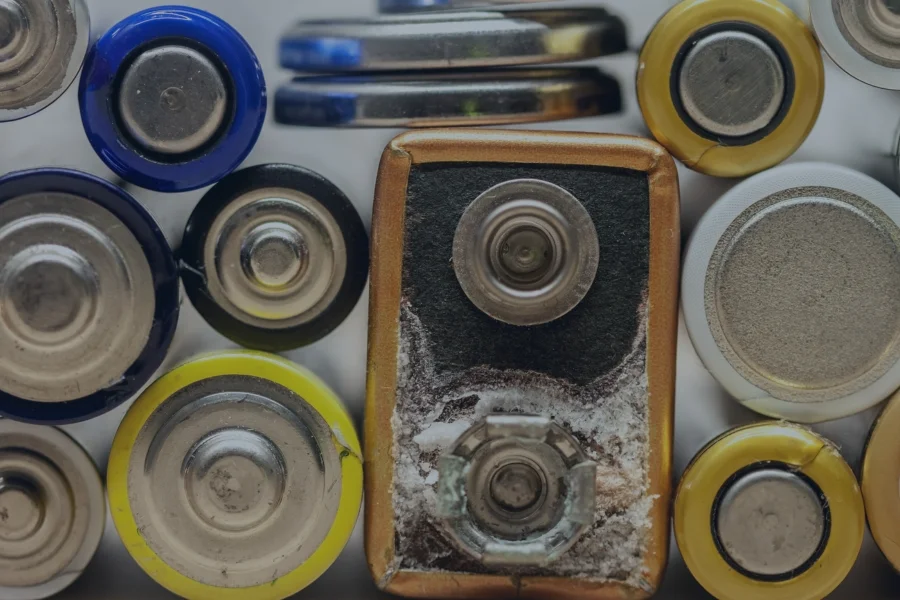
- Leaking
- Cracked or deformed casing
- Burning or unusual odors
- Hissing or popping sounds
- Smoke
- Puncture or crushing damage
A normal spent battery and a damaged, defective, or recalled battery should not automatically be handled the same way.
Damaged lithium batteries in particular may require different packaging, transportation, and recycling procedures.
If a battery is actively smoking, overheating, hissing, or showing other signs of immediate failure, do not treat it as an ordinary recycling item.
Frequently Asked Questions About Battery Chemistry Hazards
Which Battery Chemistry Has the Highest Fire Risk?
Lithium-ion batteries generally present the most significant fire concern because they store high amounts of energy and can enter thermal runaway if severely damaged, overheated, shorted, or improperly charged.
What Causes Thermal Runaway in Lithium-Ion Batteries?
Thermal runaway can be triggered by conditions such as physical damage, internal short circuits, overcharging, excessive heat, or cell defects. The resulting reactions generate additional heat and can become self-sustaining.
What Gases Can Lithium-Ion Batteries Release?
Failing lithium-ion batteries can release mixtures of flammable and toxic gases during severe overheating or thermal runaway. Depending on the chemistry and conditions, hazardous compounds can include hydrogen fluoride.
Can LFP Batteries Catch Fire?
Yes. Lithium iron phosphate batteries are generally more thermally stable than several other lithium-ion chemistries, but severe damage, electrical abuse, or excessive heat can still cause venting, overheating, or fire.
Can Lead-Acid Batteries Explode?
Lead-acid batteries can generate hydrogen gas while charging. If hydrogen accumulates in an enclosed area and encounters a spark or another ignition source, an explosion can occur.
Can Dead Batteries Still Create a Fire or Chemical Hazard?
Yes. A battery that can no longer adequately power a device may still contain stored electrical energy or corrosive materials. Short circuits, physical damage, leaking electrolyte, or improper handling can therefore still create hazards.
Recycle Batteries With EACR Inc.
Different battery chemistries require different considerations at end of life. Lithium-ion batteries can involve thermal runaway, fire, and gas release. Lead-acid batteries contain sulfuric acid, lead, and can generate hydrogen. NiCd batteries introduce cadmium and caustic electrolyte, while NiMH batteries can leak electrolyte or build internal pressure. Alkaline and zinc-carbon batteries can leak or rupture, and lithium metal batteries present short-circuit and fire concerns.
Understanding those differences helps organizations avoid treating every spent battery like the same material.
EACR provides battery recycling services for businesses, schools, municipalities, healthcare facilities, warehouses, manufacturers, and other organizations managing end-of-life batteries. Contact EACR to discuss the chemistry, quantity, condition, and appropriate recycling option for your batteries.