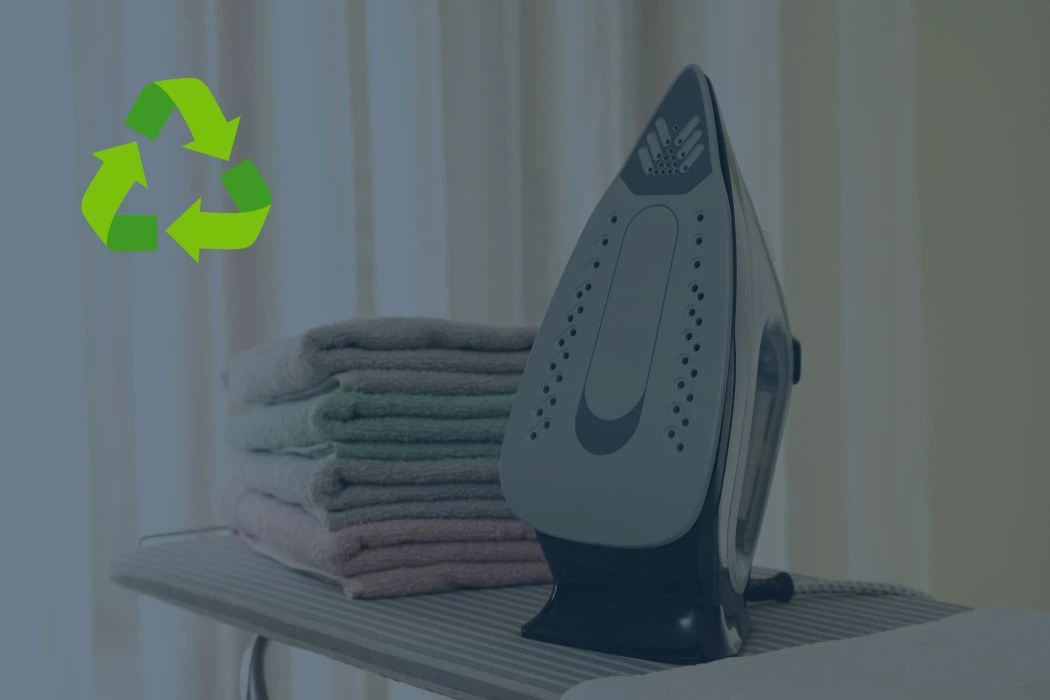
Household irons are small electrical appliances made from a mix of metal, plastic, wiring, heating components, and other electrical parts. Because of that, an old iron is better handled through electronics recycling than treated like ordinary household waste.
Both traditional dry irons and steam irons can contain recyclable materials, although the exact construction depends on the model. Steam irons may also include water reservoirs, valves, pumps, and additional controls.
Need to recycle old irons or other electronic equipment? EACR Inc. is an electronics recycling company that works with businesses, schools, municipalities, facilities, and organizations managing retired electronics and small appliances.
Quick Answer: How to Recycle an Old Iron
There are several ways to recycle an old iron through EACR Inc.:
- Schedule an electronics recycling pickup for larger quantities of equipment.
- Drop approved equipment off at EACR when bringing it directly is more convenient.
- Use an e-waste container where an EACR container program is available.
- Bring electronics to a participating recycling event in your community or organization.
Schedule an Electronics Recycling Pickup
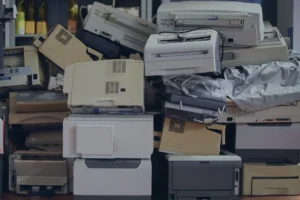
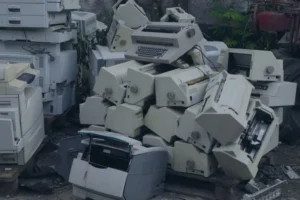
Businesses, schools, property managers, municipalities, and other organizations can schedule an electronics recycling pickup when they have larger quantities of irons or other retired equipment. Small appliances can often be collected alongside computers, printers, monitors, and other electronics.
Drop Off Your Old Iron
Approved irons and other electronics can also be brought directly to EACR’s facility. This can be a straightforward option when you only have a smaller amount of equipment to recycle.
Use an E-Waste Container
EACR provides e-waste container options for organizations and municipalities that collect electronics over time. Irons can be included with other approved electronic equipment before the container is collected for processing.
Attend an Electronics Recycling Event
Electronics collection events provide another option for recycling irons and other household electronics. EACR works with municipalities and organizations on collection events that give participants a designated place to bring approved e-waste.
What is an Iron Made Of?
An iron may look simple from the outside, but it contains several different materials and electrical components.
Metal Soleplate
The soleplate is the flat heated surface on the bottom of the iron. Depending on the model, it may be made from stainless steel, aluminum, or another metal alloy, sometimes with an additional coating.
Heating Element
Inside the iron is an electrical heating element that converts electricity into heat. This component works with the thermostat and temperature controls to maintain the selected setting.
Plastic Housing
The handle, buttons, exterior shell, and water reservoir on many irons are made from heat-resistant plastics. Different models may use several types of plastic throughout the appliance.
Wiring and Electrical Components
Irons contain copper wiring along with switches, thermostats, connectors, temperature controls, and other electrical components needed to regulate heat and power.
Steam Components
Steam irons contain additional parts that dry irons do not, including components such as:
- Water reservoirs
- Valves
- Pumps
- Steam chambers
- Temperature and steam controls
These parts allow water to move through the appliance and produce steam during use.
What Parts of an Iron Can Be Recycled?
Most electric irons, including traditional dry irons and steam irons, contain several materials that can be separated during electronics recycling.
Metals
The soleplate, internal framework, heating components, screws, and other metal parts can be separated during processing. Depending on the electric iron, these components may contain steel, aluminum, copper, and other metals.
Copper Wiring
Electric irons use copper wiring to carry power from the cord to the heating element and controls. That wiring can be separated and directed into the appropriate recycling stream.
Electronic Components
Switches, thermostats, connectors, small circuit boards, heating controls, and other electrical components inside an electric iron can be separated and handled with similar electronic materials.
Plastics
The outer housing, handle, buttons, water reservoir, and other plastic components may be separated depending on the material type and recycling process.
Power Cord and Plug
There is no need to cut the power cord off an electric iron before recycling it. The cord contains metal wiring and plastic insulation, while the plug contains additional metal and plastic components that can be handled during processing.
How to Prepare an Iron for Recycling
Preparing an old electric iron for recycling is straightforward. The main goal is to make sure it is safe to handle and ready for transport.
1. Unplug the Iron
Disconnect the iron from power and let it cool completely before moving or storing it.
2. Empty the Water Reservoir
If you have a steam iron, empty any remaining water from the reservoir. This helps prevent leaks during storage or transportation.
3. Remove Loose Accessories
Take off detachable water cups, stands, storage accessories, or other loose pieces that are not permanently attached to the iron.
4. Keep the Iron Intact
Do not smash, cut apart, or dismantle the iron yourself. Internal wiring, heating elements, and electrical components are better handled during proper recycling.
5. Secure the Power Cord
Wrap or secure the cord so it does not become a tripping or handling hazard while the iron is being moved.
6. Separate Damaged Equipment
If the iron is burned, badly damaged, leaking, or has exposed wiring, keep it separate from other equipment and let the recycler know about its condition.
Benefits of Recycling Old Irons
Recycling an old iron gives the appliance a better end-of-life path than simply throwing it away.
Keeps Electronics Out of the Waste Stream
Electric irons contain wiring, heating elements, electrical parts, metals, and plastics that do not need to enter ordinary trash.
Recovers Recyclable Materials
Recycling can separate materials such as steel, aluminum, copper, and certain plastics so they can move into appropriate recycling streams.
Makes Bulk Equipment Replacement Easier
Hotels, schools, universities, property managers, retailers, and other organizations may retire multiple irons or small appliances at once. Recycling provides a practical way to manage that equipment in one project.
Allows Irons to Be Recycled With Other Electronics
An old iron does not usually need its own standalone recycling project. It can often be included with computers, monitors, printers, cables, appliances, and other retired electronics.
Frequently Asked Questions Iron Recycling
Can You Recycle an Old Iron?
Yes. Electric irons contain metals, wiring, plastics, and electrical components that can be separated during electronics recycling.
Can an Iron Go in the Trash?
Recycling is a better option for an electric iron because it contains electrical components and recyclable materials that can be handled separately from ordinary waste.
Can an Iron Go in Curbside Recycling?
Usually not. Electric irons should generally go through an electronics or appliance recycling program rather than a standard curbside recycling bin.
Are Steam Irons Recyclable?
Yes. Steam irons can be recycled along with traditional dry irons, although they may contain additional reservoirs, valves, and steam-control components.
What Metals Are Found in an Iron?
Depending on the model, an electric iron may contain steel, aluminum, copper, and other metal components.
Should I Remove the Power Cord Before Recycling an Iron?
No. The cord can stay attached and be handled during processing along with the rest of the appliance.
Do I Need to Empty the Water From a Steam Iron?
Yes. Emptying the reservoir before recycling helps prevent leaks during storage and transportation.
Can EACR Pick Up Old Irons?
Yes. EACR Inc. can coordinate pickups for businesses, schools, municipalities, facilities, and other organizations recycling larger quantities of irons and electronic equipment.
Can Businesses Recycle Large Quantities of Irons?
Yes. Large quantities of irons can be included in a broader electronics recycling project along with other retired equipment.
Can Irons Be Recycled With Other Electronics?
Yes. Irons can often be included alongside computers, monitors, printers, cables, appliances, and other approved electronics.
Recycle Old Irons With EACR Inc.
Old electric irons contain metals, plastics, wiring, heating components, and electrical parts that can be separated through proper electronics recycling.
Whether you are recycling a few appliances or managing a larger equipment replacement, EACR can help through pickups, drop-offs, e-waste containers, and recycling events.
EACR Inc. is an e-waste recycling company that helps businesses, schools, municipalities, facilities, and other organizations recycle irons and other electronic equipment. Contact us to discuss your recycling needs.