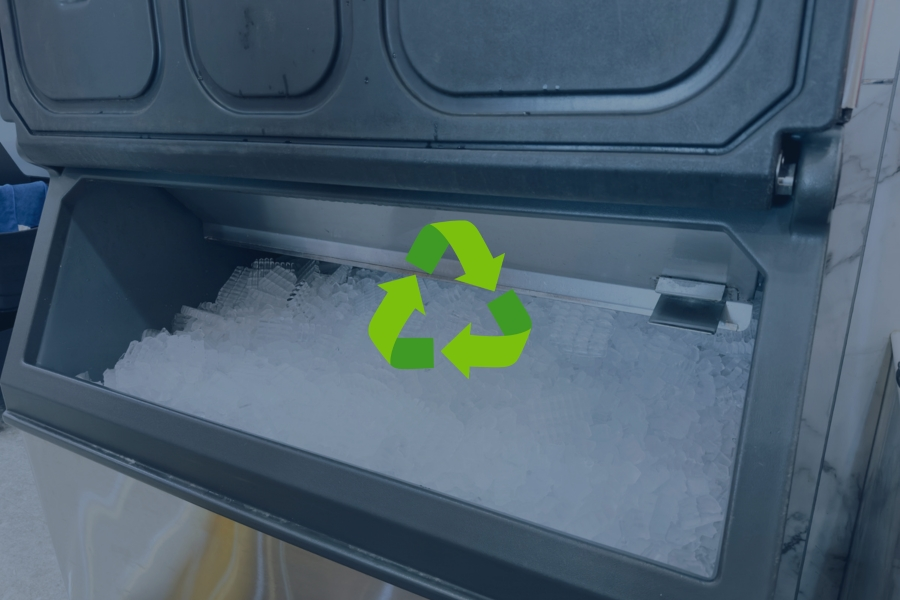
Ice makers eventually reach the end of their useful life. Some stop working after years of regular use, while others are replaced during restaurant renovations, facility upgrades, or equipment modernization projects.
These machines contain more than a metal shell. Depending on the model, an ice maker may include stainless steel, copper wiring, motors, pumps, electronic controls, compressors, and sealed refrigeration components. That mix of materials makes proper handling important.
This guide explains what is inside an ice maker, the benefits of recycling, and the main recycling options available to businesses. It also covers practical considerations for pickup, drop-off, and e-waste container service.
Businesses replacing commercial kitchen equipment can work with EACR Inc. as an e-waste recycling company to arrange responsible ice maker recycling, pickup, and equipment collection.
Can Ice Makers Be Recycled?
Yes. Many residential and commercial ice makers can be recycled.
The right recycling method depends on several factors, including the unit’s size, condition, refrigeration system, quantity, and location. A small countertop machine may be handled differently from a large commercial unit removed from a hotel, hospital, school, or restaurant.
Commercial ice makers are generally not suited for regular trash disposal. They can be heavy, difficult to move, and built with mixed materials that need to be separated during processing. Units containing compressors or refrigerant lines may also require additional handling.
For businesses, the most practical options are usually scheduled pickup, approved drop-off, or an e-waste container arranged as part of a larger equipment replacement project.
What is Inside an Ice Maker?
Ice makers combine mechanical, electrical, plumbing, and refrigeration systems within one machine. The exact components vary by manufacturer and model, but most units contain several common material groups.
Metal Components
Metal makes up a significant portion of many commercial ice makers. Common metal components include:
- Stainless steel exterior panels
- Steel frames
- Copper tubing
- Aluminum parts
- Metal brackets and fasteners
Stainless steel is commonly used because it is durable, easy to clean, and resistant to corrosion. Steel may form the internal frame, while copper and aluminum are often used in wiring, tubing, and cooling systems.
During recycling, these metals may be separated from the rest of the machine and processed into reusable material.
Refrigeration Components
Many ice makers rely on a sealed refrigeration system to freeze water. That system may include:
- A compressor
- A condenser
- An evaporator
- Cooling coils
- Refrigerant lines
- Fans
The compressor circulates refrigerant through the system. The evaporator helps remove heat from the water, while the condenser releases heat from the machine.
These components should remain intact until handled by qualified personnel. Cutting refrigerant lines or dismantling sealed systems without the proper equipment may release refrigerant or compressor oil.
Motors, Pumps, and Valves
Ice makers use several moving parts to control water flow, air circulation, and ice production. These may include:
- Water pumps
- Fan motors
- Harvest motors
- Solenoids
- Water inlet valves
The water pump moves water through the freezing system. Fan motors help manage airflow, while harvest motors assist with releasing finished ice. Valves and solenoids regulate when water enters or moves through the machine.
These components may contain metal, wiring, and other materials that must be sorted during recycling.
Wiring and Electronic Controls
Modern ice makers often include electronic systems that monitor temperature, water flow, production cycles, and equipment performance.
Common electrical components include:
- Copper wiring
- Circuit boards
- Sensors
- Timers
- Relays
- Digital control panels
- Power cords
Circuit boards and digital controls allow the machine to operate automatically and may also display error codes or maintenance alerts.
These electronics should be separated from larger metal components so they can be processed through the appropriate recycling stream.
Plastic, Rubber, and Insulation
Not every part of an ice maker is metal or electronic. Most machines also contain materials such as:
- Plastic trays
- Water tubing
- Rubber gaskets
- Foam insulation
- Protective housings
Plastic components may guide water or collect ice. Rubber gaskets help seal doors and prevent leaks, while insulation helps maintain cold temperatures inside the machine.
These materials are not all processed in the same way. Proper dismantling allows reusable metals and electronics to be separated from insulation, rubber, and other materials that may require different handling.
Benefits of Ice Maker Recycling
Recycling an ice maker does more than remove an old machine from a kitchen or storage area. It supports material recovery, reduces bulky waste, and helps businesses manage equipment replacements more efficiently.
Recovering Reusable Materials
Ice makers may contain several reusable materials, including:
- Stainless steel
- Copper
- Aluminum
- Steel
- Wiring
- Electronic components
Recycling allows these materials to be separated and returned to appropriate processing streams. Instead of sending the entire machine to a landfill, its components can be sorted based on material type.
This is especially important for commercial units, which may contain larger amounts of metal and wiring than smaller household appliances.
Reducing Bulky Waste
Ice makers are often large, heavy, and difficult to dispose of through normal waste collection. Their size can create problems during renovations, equipment upgrades, or facility cleanouts.
Recycling helps reduce the amount of commercial equipment entering landfills. It also prevents old machines from remaining in storage rooms, loading areas, or outdoor spaces.
This can be particularly useful for restaurants, hotels, schools, hospitals, and other facilities replacing several machines at once.
Proper Refrigerant Handling
Some ice makers contain refrigerants and compressor oils. These materials should not be released during dismantling, transportation, or disposal.
A licensed recycling service can help ensure that refrigeration equipment is directed through the appropriate handling process. Businesses should avoid cutting lines, removing compressors, or attempting to drain sealed components themselves.
Keeping the refrigeration system intact also makes it easier for the recycler to identify and manage the unit correctly.
Simplifying Equipment Replacement
Old ice makers can quickly take up useful space. A large unit left in a kitchen, hallway, storage room, or loading dock may interfere with daily operations.
Scheduled recycling gives businesses a clear plan for removing outdated machines. Pickup can often be coordinated with renovations, equipment deliveries, property cleanouts, or multi-location replacement projects.
Planning the recycling process early also reduces the risk of old equipment being left behind after contractors or installers finish their work.
Supporting Business Documentation
Businesses may need records showing how old equipment was handled. Depending on the service and project, documentation may include:
- Certificates of Recycling
- Weight records
- Equipment inventories
- Serialized reports, when applicable
These records can support internal sustainability goals, asset tracking, facility management, and vendor reporting.
Ice Maker Recycling Options
The best recycling option depends on the number of machines, their size, the business location, and whether the facility regularly replaces electronics or appliances.
Scheduled Pickup
Scheduled pickup is often the best option for:
- Commercial ice makers
- Multiple machines
- Large or heavy units
- Restaurant renovations
- Hotels
- Hospitals
- Schools
- Multi-location businesses
Pickup may be arranged as a one-time service or as part of a recurring recycling program. This option is especially useful when equipment is difficult to move or when several units must be removed from different areas of a facility.
Before scheduling, businesses should provide:
- Photos of the equipment
- Approximate dimensions
- The number of units
- Equipment condition
- Pickup location
- Loading dock or liftgate requirements
- Access details such as stairs, elevators, or narrow doorways
Accurate information helps the recycler plan the correct vehicle, equipment, and labor for collection. Businesses should also ask what pickup documentation will be provided after the equipment is processed.
Drop-Off Recycling
Drop-off recycling may work for:
- One smaller ice maker
- Businesses with suitable transportation
- Equipment that has already been disconnected
- Facilities near an approved recycling center
Before transporting the machine, confirm that the recycling facility accepts ice makers and refrigeration equipment. Do not assume that every electronics or scrap metal location can accept a unit containing a compressor or refrigerant.
Businesses should also verify operating hours, unloading requirements, and whether refrigerant must be removed beforehand.
Before transport:
- Disconnect the unit safely
- Drain remaining water
- Allow the machine to dry
- Secure doors and loose components
- Keep refrigerant lines intact
- Strap the machine securely inside the vehicle
A heavy ice maker should not be transported loosely in a truck or van. Proper securing reduces the chance of tipping, leaking, or damaging the refrigeration system.
E-Waste Recycling Containers
E-waste containers can be a practical option for:
- Ongoing equipment replacement
- Large renovation projects
- Multiple types of electronics
- Schools, hotels, restaurants, and municipalities
- Facilities that regularly generate electronic waste
Businesses may use temporary containers for a single renovation or recurring container service for ongoing recycling needs. Depending on the project, open or closed container options may be available.
An e-waste container may allow a facility to consolidate approved electronics and equipment in one designated location. This can make collection easier across large buildings, campuses, or multiple departments.
However, businesses should confirm whether an ice maker can be placed inside the container before loading it. Acceptance may depend on:
- Unit size
- Equipment weight
- Refrigeration components
- Container type
- Other materials already inside
Restricted materials should remain separate, and containers should never be overloaded. Heavy equipment must be placed carefully so it does not damage other electronics or create unsafe conditions during transport.
For facilities replacing multiple ice makers or other commercial equipment, container service can provide an organized way to stage materials until collection.
Frequently Asked Questions About Ice Maker Recycling
Can an Ice Maker Be Recycled?
Yes. Many residential and commercial ice makers can be recycled.
These machines often contain stainless steel, copper wiring, motors, pumps, electronic controls, and refrigeration components. During processing, the unit can be dismantled so reusable materials are separated from insulation, plastic, rubber, and other mixed components.
The exact recycling process depends on the machine’s size, condition, and refrigeration system.
Can an Ice Maker Go in Regular Trash?
Ice makers should generally not be placed in regular trash.
Many units are too large or heavy for standard waste collection. Commercial models may also contain compressors, refrigerant lines, oils, and electronic components that require proper handling.
Local disposal rules can vary, but professional pickup, approved drop-off, or container service is usually a better option.
Does an Ice Maker Contain Refrigerant?
Many freestanding and commercial ice makers contain refrigerant.
These machines typically use a sealed refrigeration system with a compressor, condenser, evaporator, and refrigerant lines. Smaller countertop units may use a different cooling system, so businesses should review the model information before arranging recycling.
Do not cut, open, or dismantle sealed refrigeration components.
Should Refrigerant Be Removed Before Recycling?
Refrigerant should only be removed by qualified personnel.
Requirements can vary depending on the recycler, the equipment, and local regulations. Some recycling services may manage the refrigerant as part of the process, while others may require it to be removed before collection.
Ask the recycler about its requirements before scheduling pickup or drop-off.
Can Commercial Ice Makers Be Picked Up?
Yes. Scheduled pickup is often the most practical option for commercial ice makers.
Pickup works especially well for large machines, multiple units, restaurant renovations, hotel upgrades, school projects, and other equipment replacement jobs. It also helps businesses avoid transporting heavy refrigeration equipment themselves.
Provide accurate equipment and access details so the correct vehicle and loading equipment can be arranged.
Can Ice Makers Go in an E-Waste Container?
Some ice makers may be accepted in an approved e-waste container, but businesses should confirm this before loading them.
Acceptance may depend on the unit’s size, weight, refrigeration components, and the type of container being used. Large machines may be too heavy or bulky for certain containers.
The recycler may instead recommend a dedicated pickup or a different container option.
What Information Is Needed Before Scheduling Pickup?
Businesses should provide as much equipment and location information as possible, including:
- Number of ice makers
- Manufacturer and model
- Approximate dimensions
- Equipment condition
- Pickup address
- Floor or room location
- Loading dock availability
- Stairs or elevator access
- Liftgate requirements
- Photos of the equipment
These details help the recycler plan the labor, vehicle, and equipment needed for a safe and efficient pickup.
Recycle Old Ice Makers the Right Way
Ice makers contain a mix of metals, wiring, motors, electronic controls, pumps, compressors, and other refrigeration components. Recycling allows reusable material to be separated while helping businesses reduce bulky waste and manage old equipment more efficiently.
The right option depends on the machine’s size, condition, quantity, and location. Scheduled pickup is usually best for large commercial units or multiple machines. Drop-off may work for one smaller, disconnected unit. E-waste containers can support renovations and facilities that replace equipment regularly.
Businesses should confirm acceptance requirements, keep sealed refrigeration components intact, and provide accurate equipment details before collection.
Businesses replacing commercial kitchen or refrigeration equipment can contact EACR Inc., an electronics recycling company, to discuss ice maker pickup, drop-off, e-waste containers, and recycling documentation.