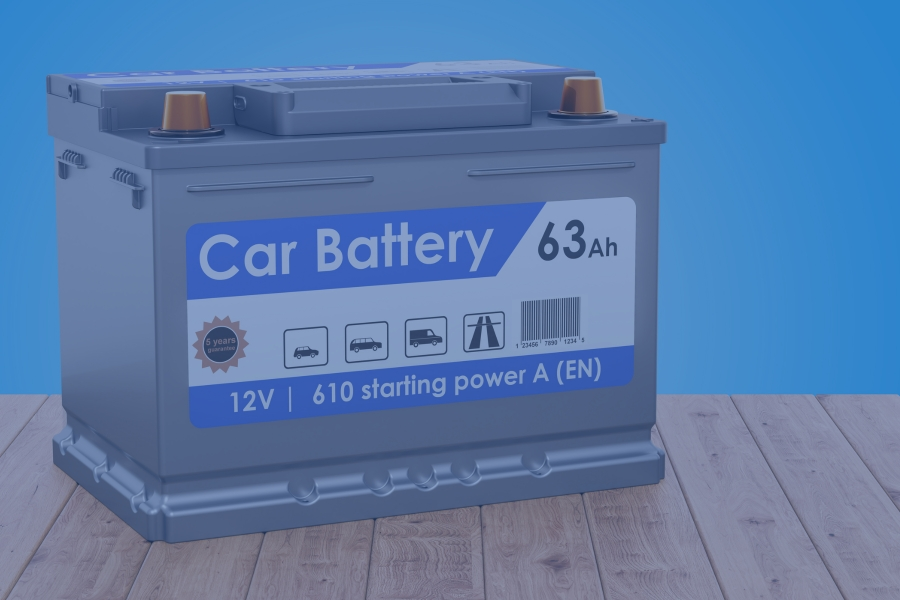
Most people do not think about their car battery until the engine struggles to start, the lights flicker, or the car will not start at all.
The frustrating part is that car batteries rarely fail at a convenient time. They usually go out when you are late, it is cold outside, or you are nowhere near where you want to be.
The good news is that car batteries often show warning signs before they fully fail. Knowing the average lifespan of a car battery can help you plan ahead, test it at the right time, and replace it before you are stranded.
When your old battery is ready to be replaced, EACR Inc.’s car battery recycling services can help ensure it is recycled safely and responsibly.
How Long Do Car Batteries Last?
Most car batteries last about 3 to 5 years.
Many drivers replace their battery around the 3- to 4-year mark, especially if they live in a hot climate, take frequent short trips, or drive a vehicle with a lot of electronics.
Actual battery lifespan depends on:
- Battery type
- Driving habits
- Climate
- Vehicle electronics
- Maintenance
- How often the vehicle sits unused
Some batteries may fail sooner. Others may last longer. But once a car battery reaches three years old, it is smart to start paying closer attention.
Average Lifespan by Car Battery Type
Not all car batteries are the same. The type of battery in your vehicle can affect how long it lasts and how it should be replaced.
Standard Lead-Acid Batteries
Standard lead-acid batteries usually last about 3 to 5 years.
These are common in many gas-powered vehicles and are often the battery people think of when they picture a traditional car battery. They are reliable, widely used, and affordable, but they can be more sensitive to heat, deep discharges, and long periods of inactivity.
If your car sits often or is used mostly for short drives, a standard lead-acid battery may wear out faster.
AGM Batteries
AGM batteries usually last about 4 to 7 years.
AGM stands for Absorbent Glass Mat. These batteries are often used in newer vehicles, luxury vehicles, and cars with stop-start technology. They are designed to handle more electrical demand and deeper cycling than many standard flooded batteries.
AGM batteries also tend to resist vibration better, which can help extend their lifespan in vehicles with more demanding electrical systems.
EFB Batteries
EFB batteries usually last about 4 to 6 years.
EFB stands for Enhanced Flooded Battery. These batteries are often used in vehicles with basic stop-start systems. They are more durable than standard flooded lead-acid batteries and can handle more frequent charging and discharging.
They are not the same as AGM batteries, so it is important to replace an EFB battery with the correct type when the time comes.
EV and Hybrid Batteries Are Different
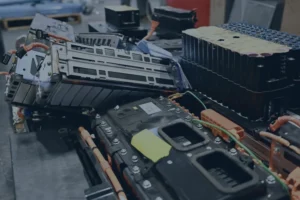
This article is focused on the 12-volt car battery, not the large battery pack that powers an electric vehicle or hybrid vehicle.
EVs and hybrids may still use a 12-volt battery for accessories, electronics, and startup functions, but their main traction battery is a different system with a different lifespan, cost, and recycling process.
Why Car Batteries Wear Out
Car batteries wear out gradually. Even if the battery works fine today, the internal materials are slowly aging every time the vehicle is used.
Chemical Aging
A car battery works through chemical reactions. Over time, those reactions become less efficient.
As the battery ages, it becomes harder for it to hold a full charge and deliver enough power to start the engine. This is normal battery aging, not necessarily a sign that anything was done wrong.
Charge and Discharge Cycles
Starting your car uses a burst of power. Once the engine is running, the alternator helps recharge the battery.
This cycle happens over and over again. Short drives, repeated starts, and heavy electrical use can add stress because the battery may not always get enough time to fully recharge.
Heat Damage
Heat is one of the biggest causes of long-term battery wear.
Hot weather can speed up internal corrosion and fluid loss inside some batteries. That is why batteries in warmer climates may fail sooner than batteries in cooler regions.
Cold Weather Strain
Cold weather usually does not “kill” a healthy battery by itself, but it can expose a weak one.
When temperatures drop, engines are harder to start, and batteries have less available power. If a battery is already aging, the first cold morning may be when it finally struggles or fails.
What Shortens Car Battery Life?
Several everyday habits and conditions can shorten the life of a car battery.
Short Trips
Short drives may not give the alternator enough time to recharge the battery after starting the engine.
If most of your driving is quick errands or short commutes, your battery may slowly lose charge over time.
Long Periods of Inactivity
Cars that sit unused can slowly lose battery charge.
Even when the vehicle is off, some systems may still draw small amounts of power. If a car sits for weeks at a time, the battery can weaken or die.
Leaving Lights or Accessories On
Interior lights, headlights, phone chargers, dash cameras, and other accessories can drain the battery when the engine is off.
Even one overnight drain can shorten battery life, especially if the battery is already older.
Extreme Temperatures
Hot weather accelerates battery wear. Cold weather increases the demand placed on the battery during startup.
Both extremes can reduce performance, especially in batteries that are already a few years old.
Corrosion on Battery Terminals
Corrosion can interfere with the connection between the battery and the vehicle.
White, blue, or green buildup around the terminals may make it harder for the battery to deliver power or recharge properly.
Vibration or Loose Mounting
A battery that is not secured properly may wear out faster.
Vibration can damage internal battery components over time. A simple loose hold-down bracket can shorten battery life more than many drivers realize.
Heavy Electronics
Modern vehicles use more electronics than ever.
Screens, sensors, heated seats, infotainment systems, phone charging ports, safety features, and stop-start systems all add demand. The more electrical load a vehicle has, the harder the battery may work.
Wrong Battery Type
Using the wrong replacement battery can reduce performance and lifespan.
For example, a vehicle designed for AGM or EFB batteries should not be fitted with a basic battery just because it fits in the battery tray. The correct battery type matters.
Signs Your Car Battery May Be Dying
A failing battery usually gives warning signs before it completely dies.
Slow Engine Crank
If the engine takes longer than usual to start, the battery may be weak.
You may hear the engine turn over slowly before it starts.
Clicking Sound When Starting
A clicking sound when you turn the key or press the start button may mean the battery does not have enough power to start the engine.
This can also involve the starter or electrical system, but the battery is often the first thing to check.
Dim Headlights or Interior Lights
Weak headlights, dim interior lights, or lights that brighten after the engine starts may signal low battery output.
Dashboard Warning Light
A battery warning light or check-engine light may point to a battery or charging system issue.
It does not always mean the battery itself is bad, but it should be checked.
Electrical Problems
A weak battery can cause strange electrical symptoms.
You may notice issues with:
- Phone charging ports
- Heated seats
- Radio or infotainment screens
- Power windows
- Dashboard lights
- Door locks
Corroded Battery Terminals
Corrosion around the terminals can affect battery performance.
If you see white, blue, or green buildup, the battery and connections should be inspected.
Swollen or Warped Battery Case
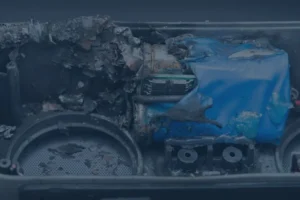
A swollen, warped, cracked, or misshapen battery case can indicate heat damage or internal failure.
This should be handled carefully and checked promptly.
Rotten Egg or Sulfur Smell
A rotten egg or sulfur smell near the battery may signal leakage, overcharging, or internal damage.
Do not ignore this smell.
Frequent Jump-Starts
If your vehicle repeatedly needs a jump-start, the battery likely needs testing or replacement.
One dead battery may be from leaving a light on. Repeated dead starts usually mean something is wrong.
What Happens to Old Car Batteries?
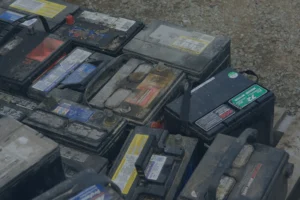
Old car batteries should be handled carefully once they are removed from a vehicle. They are not ordinary trash, and they should not be tossed into a garbage can, dumpster, or landfill.
Why They Should Not Go in the Trash
Car batteries contain materials that require proper handling. If they are damaged, leaking, crushed, or stored incorrectly, they can create environmental and safety concerns.
They are also heavy, chemical-based products, which means they need to be routed through the right recycling process instead of regular waste disposal.
Reusable Materials Can Be Recovered
Car batteries contain reusable materials such as lead, plastic, and other components that can often be recovered through recycling.
Instead of wasting those materials, recycling helps return them to responsible reuse channels.
Recycling Supports Safer Disposal
Proper car battery recycling helps reduce environmental risk, keeps batteries out of landfills, and supports safer handling from collection through processing.
It is the responsible next step when a vehicle battery reaches the end of its useful life.
Frequently Asked Questions About Car Battery Lifespan
How long does a standard car battery last?
Most standard car batteries last about 3 to 5 years, with many drivers replacing them around the 3- to 4-year mark.
Can a car battery last 7 years?
Yes, some batteries can last 7 years, especially certain AGM batteries in favorable conditions. However, that is longer than average, so older batteries should be tested regularly.
How do I know if my battery is bad?
Common signs include slow starting, clicking when you start the car, dim lights, electrical issues, corrosion, a swollen battery case, or frequent jump-starts.
Does hot weather kill car batteries?
Hot weather can shorten battery life by accelerating internal wear. Heat is one of the biggest causes of long-term battery damage.
Does cold weather kill car batteries?
Cold weather usually exposes a weak battery rather than causing all the damage by itself. Low temperatures make the engine harder to start and demand more power from the battery.
Do short trips drain car batteries?
Yes. Short trips may not give the alternator enough time to fully recharge the battery after starting the car.
Should I replace my battery before it dies?
Usually, yes. If your battery is around 3 years old or showing warning signs, testing it early can help you avoid getting stranded.
Can old car batteries be recycled?
Yes. Old car batteries can be recycled, and many of their reusable materials can be recovered through proper recycling.
Conclusion
Most car batteries last about 3 to 5 years, but actual lifespan depends on battery type, climate, driving habits, vehicle electronics, and maintenance.
Testing your battery around year three is a smart move, especially before winter or before a long trip. Pay attention to slow starts, dim lights, corrosion, electrical issues, and frequent jump-starts. Those signs often mean the battery is nearing the end of its life.
If you are replacing an old vehicle battery, EACR Inc.’s car battery recycling services provide a responsible way to recycle used car batteries and recover reusable materials.