Nearly everyone has had this moment: your phone used to last all day, and now it seems to hit low battery before lunch.
That does not always mean something is “wrong” with your phone. Smartphone batteries naturally wear down over time. Every charge, every app, every hot car, every long video call, and every year of daily use slowly affects how much energy the battery can hold.
Most phone batteries last about 1 to 2 days on a single charge when the phone is new or in good condition. Over the long term, most smartphone batteries last about 2 to 3 years before users start noticing shorter battery life.
Understanding how phone batteries work can help you get more life from your device, avoid habits that speed up battery wear, and know when it may be time to replace or recycle your old phone.
If your phone has reached the end of its useful life, explore EACR Inc.’s cell phone recycling services for a secure and responsible way to recycle old smartphones and their batteries.
How Long Do Phone Batteries Last?
Most phone batteries last about 1 to 2 days per charge under typical use.
Over the full life of the device, most lithium-ion smartphone batteries last approximately 2 to 3 years before noticeable capacity loss. Many are designed to handle around 300 to 500 full charge cycles before the battery starts holding significantly less charge than it did when new.
Actual battery life depends on several factors, including:
- How often you charge your phone
- How heavily you use it
- How much heat the phone is exposed to
- Battery size and age
- Screen brightness
- Background app activity
- Charging habits and charger quality
A light user may get close to two days from one charge. A heavy user may need to recharge before the day is over.
What Kind of Battery is Inside a Smartphone?
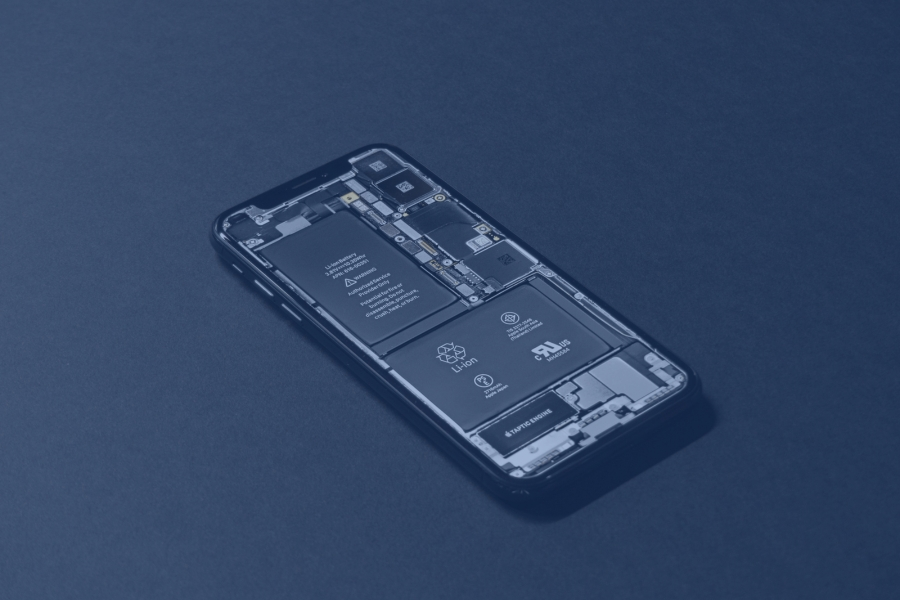
Most smartphones use rechargeable batteries designed to be compact, lightweight, and powerful enough to support constant daily use.
Lithium-Ion Batteries
Most modern smartphones use lithium-ion batteries.
Manufacturers use lithium-ion batteries because they offer strong energy density, meaning they can store a lot of power in a small space. That matters because phones need to stay thin, light, and portable while still powering screens, cameras, processors, apps, wireless connections, and speakers.
Lithium-ion batteries are also rechargeable, which makes them practical for devices that are used every day. Instead of replacing disposable batteries, users can recharge the same battery hundreds of times.
Lithium-Polymer Batteries
Some phones use lithium-polymer batteries, often called Li-Po batteries.
Lithium-polymer batteries are similar to lithium-ion batteries, but they are usually packaged in a more flexible form. This can help manufacturers design thinner devices or fit batteries into tight internal spaces.
They are commonly used in smartphones, tablets, wireless earbuds, and other compact electronics where size, shape, and weight matter.
What is a Battery Charge Cycle?
A battery charge cycle is one full use of 100% of a battery’s capacity.
That does not always mean using your phone from 100% down to 0% in one day. Partial use adds up over time.
For example:
- You use 50% of your battery on Monday.
- You recharge the phone.
- You use another 50% on Tuesday.
Together, that equals one full charge cycle.
Most smartphone batteries are designed for about 300 to 500 full charge cycles before noticeable battery capacity loss begins. After enough cycles, the battery can still work, but it usually will not hold as much power as it did when it was new.
How Long Does a Phone Battery Last on a Single Charge?
How long a phone lasts on one charge depends heavily on how the phone is used.
Light Users
Light users may get close to 1.5 to 2 days from one charge.
This may include people who mostly use their phones for
- Calls
- Texting
- Light browsing
- Occasional photos
- Basic apps
Because these activities do not constantly push the processor, display, GPS, or mobile data, the battery drains more slowly.
Average Users
Average users usually get around one full day from a phone battery.
This may include:
- Social media
- Web browsing
- Music streaming
- Messaging
- Photos
- Some video watching
- Regular app notifications
For many people, this means charging overnight or once per day.
Heavy Users
Heavy users may get less than one full day from a charge.
Battery drains faster with activities like:
- Gaming
- Video streaming
- GPS navigation
- Video recording
- Hotspot use
- Long video calls
- Heavy camera use
- Constant mobile data use
These tasks require more power from the screen, processor, camera, wireless radios, and speakers. That is why two people can own the same phone but have very different battery experiences.
Why Phone Batteries Wear Out Over Time
Phone batteries wear out because rechargeable batteries slowly lose capacity through normal use.
Chemical Aging
Inside every smartphone battery, chemical reactions store and release energy. Over time, those chemical materials degrade. This is called chemical aging.
Even if you take good care of your phone, the battery will gradually lose some of its ability to hold a charge.
Charge Cycles
Every charge cycle adds a little wear. After hundreds of cycles, the battery may still work, but it may only hold a smaller percentage of its original capacity.
That is why an older phone may drop from 100% to 70% much faster than it used to.
Heat Exposure
Heat is one of the biggest causes of battery wear.
A phone battery can age faster if the phone is often left:
- In a hot car
- In direct sunlight
- Under a pillow while charging
- Near heaters
- In hot outdoor conditions
Heat can also build up during gaming, fast charging, video recording, or using the phone while plugged in.
High-Power Activities
Some activities put more stress on the battery because they demand more energy.
Examples include gaming, GPS navigation, video streaming, 4K video recording, and hotspot use. These activities can generate heat and drain the battery quickly.
Battery Capacity Loss
As a battery ages, it holds less energy. This is why an older phone may need more frequent charging even if your usage has not changed.
Battery wear is normal. The goal is not to prevent it completely, but to slow it down with better habits.
What Affects Phone Battery Lifespan?
Several daily habits can affect how long your phone battery lasts.
Charging Habits
Charging behavior matters.
Frequent charging is not automatically bad, but constantly draining your phone to 0% or keeping it at 100% for long periods can add stress over time.
A practical rule is to keep the battery between about 20% and 80% when possible. You do not have to follow this perfectly every day, but it can help reduce long-term wear.
Temperature
Temperature has a major impact on battery health.
Heat can speed up battery degradation. Cold can temporarily reduce battery performance and make the phone seem like it drains faster.
Leaving a phone in a vehicle is especially hard on the battery because car interiors can become extremely hot or cold.
Daily Usage
How you use your phone matters just as much as how you charge it.
Battery-draining activities include:
- Gaming
- Streaming
- Camera use
- GPS navigation
- Video calls
- Hotspot use
- Large file uploads or downloads
Heavy use means more charging, more heat, and more charge cycles over time.
Screen Brightness
The screen is one of the biggest battery drains on a smartphone.
High brightness, long screen timeout settings, and always-on display features can drain the battery faster. Lowering brightness or using auto-brightness can make a noticeable difference.
Background Apps
Some apps continue using power even when you are not actively using them.
Email, social media, location apps, cloud backup tools, and messaging apps may refresh in the background. Limiting background app activity can help reduce unnecessary battery drain.
Fast Charging
Fast charging is generally safe when you use a quality charger and a phone designed to support it.
The main issue is heat. Frequent fast charging, especially in warm environments or while using the phone heavily, may contribute to long-term wear. It is fine when needed, but slower charging can be gentler when speed is not important.
What Happens to Old Phone Batteries?
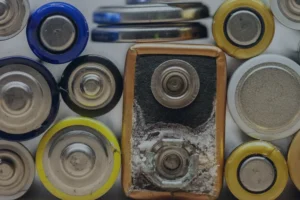
Old phone batteries should not go in household trash. Most smartphones use lithium-ion or lithium-polymer batteries, which can create fire risks if crushed, punctured, or exposed to heat during normal trash handling.
Reusable Materials Can Be Recovered
Phone batteries may contain reusable materials such as lithium, cobalt, nickel, copper, aluminum, steel, and plastics. Recycling helps route these materials back into manufacturing instead of sending them to landfills.
Safe Recycling Reduces Risk
A proper recycling process helps separate the battery from the device, manage damaged batteries safely, and process materials through appropriate recycling channels.
Recycling Helps Protect the Environment
Recycling old phone batteries helps reduce landfill waste, recover reusable materials, and limit the need for new raw material extraction.
When Should You Recycle Your Old Phone?
Recycle your old phone when it is no longer useful, safe, or worth repairing.
Common Reasons to Recycle a Phone
You should consider recycling your phone if:
- You are upgrading to a newer device
- The phone is broken or no longer turns on
- The battery dies quickly or will not hold a charge
- The phone has water damage
- The battery is swollen, leaking, overheating, or physically damaged
A swollen battery should be handled carefully and kept away from heat, pressure, and sharp objects.
Frequently Asked Questions About Phone Battery Lifespan
How long should a phone battery last?
Most phone batteries last about 1 to 2 days on a single charge under typical use.
How many years does a phone battery typically last?
Most smartphone batteries last about 2 to 3 years before noticeable capacity loss.
How many charge cycles do phone batteries have?
Most phone batteries are designed for around 300 to 500 full charge cycles.
Is charging overnight bad?
Not usually. Modern phones help prevent overcharging, but keeping a phone at 100% for long periods every night may slightly increase long-term wear.
What drains phone batteries the fastest?
High screen brightness, gaming, video streaming, GPS navigation, video calls, mobile data, and background apps often drain batteries fastest.
Should I charge my phone to 100%?
It is okay when you need a full charge, but constantly charging to 100% and leaving it there may add stress over time.
Is the 20–80 battery rule worth following?
Yes, when practical. Keeping your battery between about 20% and 80% can help reduce long-term battery stress.
How do I know if my battery needs replacing?
Signs include fast battery drain, random shutdowns, slow charging, overheating, swelling, or a major drop in battery health.
Conclusion
Phone batteries naturally lose capacity over time. Good charging habits, lower heat exposure, and smarter daily use can help extend battery life, but every rechargeable battery eventually reaches the end of its useful life.
If you’re replacing an old smartphone or disposing of devices with worn-out batteries, EACR Inc.’s phone recycling services provide a safe, secure, and environmentally responsible solution for recycling phones and their rechargeable batteries.