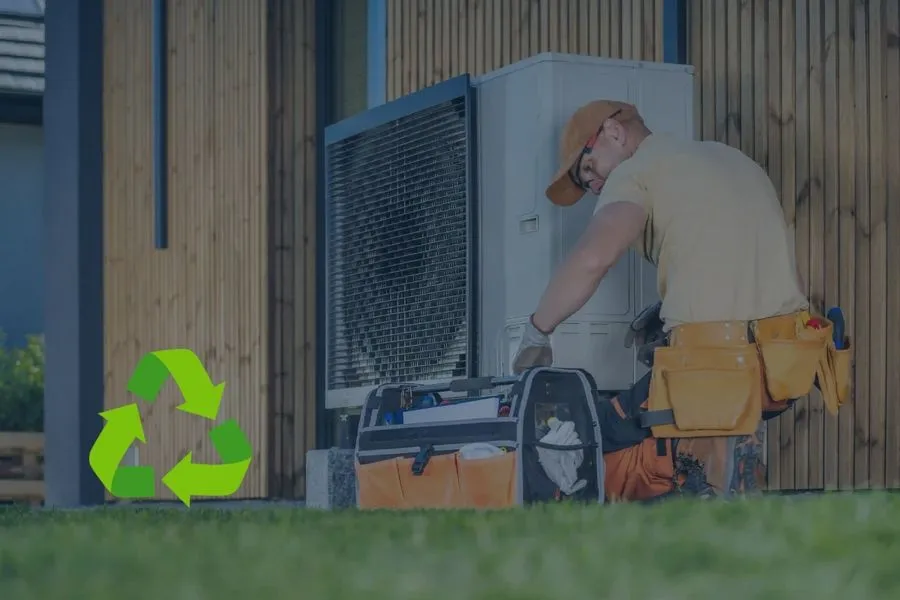
Heat pump recycling gives homeowners, HVAC contractors, property managers, and businesses a responsible way to manage old heating and cooling equipment when a system is replaced. Heat pumps are more involved than ordinary scrap equipment because they contain steel, copper, aluminum, motors, wiring, electronics, mechanical components, and refrigerant.
That refrigerant is an important part of the recycling process. Heat pumps provide both heating and cooling by moving heat through a refrigerant cycle, which means the system needs to be handled differently from a basic metal appliance. Refrigerant must be properly recovered before covered equipment reaches final disposal.
If you are replacing heat pumps at a commercial property, apartment complex, school, warehouse, or other facility, an electronics recycling company such as EACR Inc. can help determine the appropriate recycling option. EACR accepts commercial HVAC equipment including heat pumps, along with other systems and components commonly removed during HVAC replacement projects.
Can You Recycle an Old Heat Pump?
Quick answer: Yes.
Heat pumps contain several material streams that can be separated during recycling, including steel, aluminum, copper, motors, wiring, electronics, compressors, coils, and other mechanical components.
There are three common ways to recycle an old heat pump:
- Drop off: Bring the heat pump to an appropriate recycling facility that accepts HVAC equipment.
- Scheduled pickup: Arrange collection for commercial systems, multiple units, renovations, property upgrades, or larger replacement projects.
- E waste container: For larger projects involving heat pumps alongside motors, controls, appliances, wiring, electronics, and other equipment, a recycling container may provide a centralized collection option.
Always confirm acceptance before transporting or loading a heat pump. Requirements may depend on the size of the unit, quantity, condition, refrigerant status, and other equipment included with the project.
What is a Heat Pump Made Of?
A heat pump contains a combination of metal, mechanical equipment, electrical components, and refrigerant. The exact construction depends on the type of system and manufacturer, but most units share several common components.
Steel and Aluminum Housing
The outer cabinet, frame, access panels, brackets, supports, and other structural components are commonly made from steel or aluminum.
These metals make up a significant portion of the equipment and can be separated from other components during recycling.
Copper and Aluminum Coils
Heat pumps rely on coils to move heat into or out of a building.
These coil assemblies commonly use copper tubing with aluminum fins. Copper and aluminum can be separated and routed into appropriate recycling streams once the equipment is processed.
Compressor
The compressor helps circulate refrigerant through the heat pump system.
It is a dense mechanical component containing metal, electrical components, motor windings, oil, and connections to the refrigerant lines. Because of this combination of materials, the compressor is another important part of the recycling process.
Fan Motors and Mechanical Components
Heat pumps also contain several mechanical parts that help move air and keep the system operating.
Common components include:
- Motors
- Fans
- Bearings
- Steel components
- Copper wiring
- Electrical connections
These parts can contain several different materials that need to be separated during processing rather than treated as one type of scrap.
Control Boards, Wiring, and Electronics
Modern heat pumps rely heavily on electrical controls and electronics.
Depending on the system, components may include:
- Circuit boards
- Sensors
- Relays
- Thermostats
- Smart controls
- Wiring
- Capacitors
- Transformers
- Variable frequency drives
These components are one reason heat pump recycling can overlap with broader electronics recycling. The equipment is not just a metal cabinet with a motor inside. Modern systems can contain increasingly complex controls, sensors, and electrical components.
Refrigerant
Refrigerant is one of the most important considerations when recycling a heat pump.
Heat pumps use refrigerant to transfer heat between indoor and outdoor environments during both heating and cooling. That refrigerant should not simply be released while the unit is being dismantled or discarded.
The U.S. Environmental Protection Agency prohibits the intentional venting of covered refrigerants during the servicing or disposal of air conditioning and refrigeration equipment. Refrigerant needs to be properly recovered before the equipment moves through final disposal.
Can You Throw Away an Old Heat Pump?
No, you should not simply throw an old heat pump in the trash.
Heat pumps contain recyclable materials, refrigerant, electrical components, and mechanical equipment that make proper recycling a better option than ordinary disposal.
Heat Pumps Contain Recyclable Materials
Old heat pumps contain substantial amounts of steel, aluminum, and copper.
They also contain motors, compressors, wiring, coils, electronics, and other components that can be separated during the recycling process.
Sending the entire unit into the general waste stream means losing materials that could otherwise be directed into appropriate recycling channels.
Heat Pumps Contain Refrigerant
Unlike a conventional furnace, a heat pump relies on refrigerant as part of normal operation.
This makes refrigerant handling one of the most important parts of heat pump recycling.
The refrigerant should be properly recovered rather than released during dismantling or disposal. EPA safe disposal requirements specifically address refrigeration and air conditioning equipment entering the waste stream.
For that reason, an old heat pump should not be casually cut apart or treated like ordinary metal scrap. Replacing or recycling other HVAC equipment too? Read our complete air conditioner recycling guide to learn how old AC units should be handled and recycled.
Heat Pumps Are Large HVAC Equipment
Heat pumps are also large, heavy pieces of mechanical equipment.
Residential systems can already be difficult to move, while commercial equipment can be considerably larger. The equipment may contain motors, compressors, electrical components, oil, refrigerant, coils, and other materials that need appropriate handling.
That makes an HVAC recycling route much more practical than attempting to dispose of the system as normal household or commercial garbage.
Heat Pump Recycling Options
The best recycling option depends on how many heat pumps you have and the size of the project.
A homeowner replacing one unit may have very different needs from an HVAC contractor, property manager, or facility replacing equipment across multiple buildings.
Drop Off Heat Pump Recycling
Drop off may make sense when you are recycling a single heat pump or managing a relatively small replacement project.
This option can work well for:
- Individual heat pumps
- HVAC contractors already transporting removed equipment
- Smaller replacement projects
- Property owners with appropriate transportation
Always call the recycling location before bringing the equipment in.
Not every electronics recycler, appliance recycling facility, or metal recycling location accepts complete heat pumps. Acceptance can also depend on whether refrigerant is still present in the system.
Be prepared to provide information about:
- Equipment type
- Refrigerant status
- Approximate size
- Quantity
- Other equipment included
Confirming these details ahead of time can save you from transporting a large piece of HVAC equipment to a location that cannot accept it.
Scheduled Heat Pump Recycling Pickup
Scheduled pickup is often the easier option for commercial projects or situations involving several heat pumps.
Pickup can make sense for:
- HVAC contractors
- Property management companies
- Apartment complexes
- Schools and universities
- Commercial buildings
- Warehouses
- Hotels
Coordinated pickup becomes especially useful when several systems are being removed during the same project. Instead of transporting each unit separately, the equipment can be staged for collection and moved through one organized recycling process.
EACR Inc. accepts heat pumps through its commercial HVAC recycling services, along with air conditioners, chillers, condensers, evaporators, furnaces, boilers, motors, controls, and other related equipment.
For larger projects, providing the number of units, equipment type, location, and replacement schedule can help determine the most practical pickup option.
E Waste Containers for Larger Projects
A recycling container can make sense when heat pump recycling is part of an ongoing replacement program, renovation, facility cleanout, or larger equipment upgrade.
For example, a property management company replacing HVAC equipment across several apartment buildings may accumulate heat pumps, thermostats, motors, control boards, wiring, appliances, and miscellaneous electronics throughout the project.
Instead of arranging transportation every time equipment is removed, a container can provide one centralized collection point for approved materials.
This approach can also work well for facilities and contractors that regularly generate recyclable electronics and equipment.
Always confirm whether complete heat pumps are approved for the specific container program before loading them. Requirements can vary depending on the size and condition of the equipment, refrigerant status, and other materials included in the container.
How to Recycle a Heat Pump Step by Step
Recycling a heat pump is mostly about making sure the equipment is removed properly, refrigerant is addressed, and the system is routed to a recycling option that can handle HVAC equipment.
Step 1: Shut Down and Disconnect the System
Before a heat pump can be recycled, it needs to be properly disconnected from the building and the rest of the HVAC system.
That can involve electricity, refrigerant lines, ductwork or piping, and other connected components. Heat pump removal should be handled by someone familiar with HVAC systems rather than treated as a basic do it yourself project.
Once the equipment has been removed, keep it in a stable location where it can be prepared for recycling or pickup.
Step 2: Address the Refrigerant
Refrigerant is one of the most important parts of heat pump disposal.
Heat pumps rely on refrigerant during normal heating and cooling operation, so the system should not simply be cut apart or dismantled once it is removed.
Before covered refrigeration and air conditioning equipment reaches final disposal, refrigerant must be properly recovered according to applicable EPA requirements.
This is not something the average property owner should attempt on their own. Make sure refrigerant handling is addressed as part of the HVAC removal and recycling process.
Step 3: Identify Everything Being Replaced
Determine whether the project involves only the heat pump or several pieces of HVAC equipment.
That may include:
- Heat pump
- Air handler
- Condenser
- Evaporator coil
- Thermostat
- Compressor
- Motors
- Control boards
- Other HVAC equipment
Knowing exactly what is being removed makes it easier to plan the recycling project.
Different components may contain different materials or require different handling, especially when refrigerant containing equipment is included.
Step 4: Keep the Equipment Intact
Avoid unnecessarily dismantling the heat pump before recycling it.
Taking the equipment apart yourself can create additional material streams, expose internal components, and make transportation more complicated.
Keeping the unit reasonably intact also makes it easier for the recycling company to identify the equipment and manage the metals, motors, electronics, wiring, oils, and other components appropriately.
If motors, thermostats, controls, or other parts have already been removed during the replacement, keep them organized with the rest of the equipment.
Step 5: Choose Your Recycling Method
The best option depends mainly on how much equipment you have.
One unit: Drop off may work if you have suitable transportation and the recycling location accepts heat pumps.
Several units: Scheduled pickup may make more sense for contractors, businesses, and larger properties.
Ongoing replacement project: A recycling container or coordinated collection program may be the easier option when HVAC equipment is being removed over time.
For larger projects, it can also make sense to group heat pumps with other approved electronics, motors, controls, wiring, and equipment being removed from the same property.
Step 6: Confirm Acceptance
Contact the recycling company before moving the equipment.
Provide basic information such as:
- Number of heat pumps
- Residential or commercial equipment
- Approximate size of each unit
- Refrigerant status, if known
- Other HVAC equipment included
- Project location
- Whether pickup or a recycling container is needed
This gives the recycling company a clearer picture of the project and helps determine the most practical recycling option.
It also prevents you from transporting large HVAC equipment to a location that cannot accept it.
Step 7: Schedule Recycling
Once the equipment has been identified and the recycling option confirmed, arrange the drop off, pickup, or project collection.
A single heat pump may only require one trip. Commercial replacements involving several units may be easier to manage through scheduled collection.
EACR Inc. works with businesses and organizations managing heat pumps and other commercial HVAC equipment. For larger replacements, providing the equipment quantity, project location, and removal schedule can help determine the appropriate recycling setup.
Frequently Asked Questions About Heat Pump Recycling
Can heat pumps be recycled?
Yes. Heat pumps contain steel, aluminum, copper, motors, wiring, electronics, compressors, coils, and other components that can be separated and routed into appropriate recycling streams.
Do heat pumps contain refrigerant?
Yes. Heat pumps use refrigerant to move heat during both heating and cooling.
Because refrigerant is part of the system, proper refrigerant recovery needs to be considered when a heat pump is removed and recycled.
Can you throw a heat pump in a dumpster?
A normal garbage dumpster is generally not an appropriate destination for an old heat pump.
Heat pumps contain refrigerant, metals, motors, wiring, electronics, compressors, and other components that make recycling a better option than ordinary disposal.
Local requirements and the rules of the specific dumpster or waste program should also be checked before disposing of HVAC equipment.
Does refrigerant need to be removed before recycling a heat pump?
Refrigerant needs to be properly recovered before covered refrigeration and air conditioning equipment reaches final disposal under applicable EPA requirements.
Heat pump owners should not attempt to release or recover refrigerant themselves unless they are qualified to perform that work.
What parts of a heat pump can be recycled?
Common recyclable components may include:
- Steel housings
- Copper tubing
- Aluminum coils and fins
- Motors
- Compressors
- Copper wiring
- Control boards
- Electrical components
- Other internal metal parts
The exact materials depend on the type, age, size, and design of the heat pump.
Can HVAC contractors recycle multiple heat pumps at once?
Yes. Scheduled pickup or a larger collection program can make sense when HVAC contractors are replacing several systems.
This can be especially useful for apartment complexes, commercial properties, renovations, or projects involving several buildings.
Can businesses schedule heat pump recycling pickup?
Yes. Pickup can be a practical option for commercial properties, schools, apartment complexes, warehouses, property management companies, facility managers, and other organizations replacing multiple HVAC systems.
Coordinating one collection can be simpler than transporting each heat pump individually.
Does EACR Inc. recycle heat pumps?
Yes. EACR Inc. accepts heat pumps through its commercial HVAC recycling services.
Businesses can also contact EACR about other equipment included in the same project, such as air conditioners, motors, controls, wiring, appliances, and related HVAC equipment.
Conclusion
Old heat pumps contain substantial amounts of steel, aluminum, copper, motors, wiring, electronics, compressors, coils, and other materials that can be recycled rather than simply discarded. Unlike a standard furnace, however, a heat pump also contains refrigerant, which means proper recovery and equipment handling need to be part of the recycling process.
For one heat pump, drop off may be the simplest option. Multiple units may be better suited for scheduled pickup, while larger or ongoing HVAC replacement projects may benefit from a recycling container or coordinated collection program. If you have old heat pumps or other HVAC equipment ready for recycling, contact EACR Inc. As an electronics recycling company, EACR works with businesses and organizations managing commercial HVAC systems, electronics, motors, wiring, appliances, and related equipment.