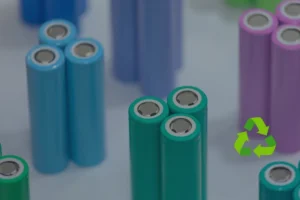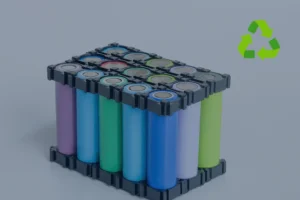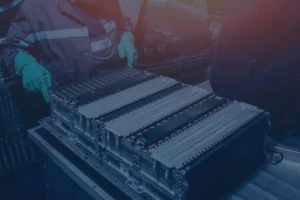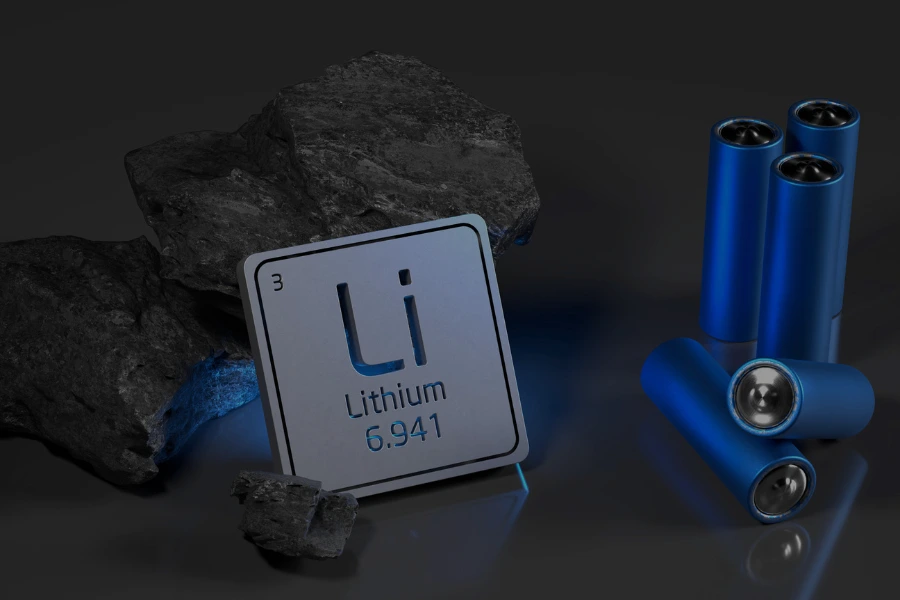
When lithium-ion batteries reach the end of their useful life, many of the materials inside them can still be recovered and reused. One important part of this process involves battery black mass, a dark, powdery mixture produced during battery recycling.
Black mass contains materials such as lithium, nickel, cobalt, and graphite that can be processed for use in new batteries. It comes from recycled electric vehicle batteries, consumer electronics, energy storage systems, and battery manufacturing scrap.
EACR Inc. is a battery recycling company helping businesses and organizations properly recycle used batteries and support responsible material recovery.
What is Battery Black Mass?
Battery black mass is a dark, powder-like material produced when lithium-ion batteries are shredded and mechanically separated during recycling.
It primarily consists of materials from a battery’s positive and negative electrodes, including graphite and lithium-containing compounds. The graphite found in battery anodes gives black mass much of its distinctive dark appearance.
Although black mass contains materials that can be recovered, it isn’t a finished recycled product. Additional processing is generally needed to separate, refine, and prepare those materials for manufacturing.
Black mass also isn’t the same as an intact lithium-ion battery. It’s an intermediate material created during recycling, and its exact composition depends on the types of batteries processed and the methods used to separate their components.
Where Does Battery Black Mass Come From?
Black mass is produced from several sources of lithium-ion batteries and battery manufacturing materials.
Common sources include:
- Electric Vehicle Batteries: Retired battery packs and modules from electric and hybrid vehicles.
- Consumer Electronics: Rechargeable batteries found in smartphones, laptops, tablets, and other electronic devices.
- Energy Storage Systems: Batteries used to store electricity for residential, commercial, and industrial applications.
- Battery Manufacturing Scrap: Electrode materials and other production leftovers generated during battery manufacturing.
Not every battery produces the same black mass. The different battery chemistries used in modern electronics and energy storage systems affect which metals and compounds are present.
What is Battery Black Mass Made Of?
Black mass isn’t a single substance. It’s a mixture of battery electrode materials that may also contain residual metals and other components.
Its exact composition varies depending on the original batteries and recycling process.
Lithium
Lithium is a key component of rechargeable lithium-ion batteries.
Black mass contains lithium-bearing compounds that can undergo additional processing to recover lithium for potential use in new battery materials.
The amount present depends on the original battery chemistry and how the material was processed.
Nickel and Cobalt
Nickel and cobalt are used in certain lithium-ion battery cathodes, including nickel manganese cobalt (NMC) and nickel cobalt aluminum (NCA) batteries.
Manganese and Iron
Some lithium-ion batteries contain manganese or iron within their cathode materials.
Lithium iron phosphate (LFP) batteries contain iron and phosphate, while certain other chemistries contain manganese.
These differences help explain why black mass from different battery types can have very different compositions.
Graphite
Graphite is commonly used in lithium-ion battery anodes and is largely responsible for black mass’s dark color.
Depending on the recycling technology, graphite may be separated, purified, and processed for potential reuse.
Copper, Aluminum, and Other Materials
Black mass can also contain residual copper, aluminum, iron, and other substances left behind after mechanical separation.
Although some of these materials can be recovered separately, excessive contamination may complicate the refining process.
How is Battery Black Mass Produced?
Black mass is typically created during the mechanical processing stage of lithium-ion battery recycling.
The exact steps depend on the facility and battery type, but the general process includes:
Step 1: Battery Collection and Sorting
Used batteries are collected and identified according to their chemistry, condition, and handling requirements.
Proper sorting helps recycling facilities manage safety risks and select suitable processing methods.
Step 2: Battery Disassembly and Preparation
Larger batteries, including electric vehicle packs, may be dismantled into smaller modules or cells.
Specialized facilities also assess and manage remaining electrical energy before further processing to reduce fire and electrical hazards.
Step 3: Mechanical Shredding
Batteries are shredded using specialized industrial equipment under controlled conditions.
Shredding breaks the batteries into smaller pieces, allowing different materials to be separated.
This process requires professional equipment and appropriate safety controls. Batteries should never be shredded at home or in ordinary recycling equipment.
Step 4: Material Separation
After shredding, processing equipment separates materials such as steel casings, copper and aluminum foils, plastics, and electrode particles.
The resulting mixture of electrode materials is called black mass.
This is one stage of how battery recycling works, with additional processing often required before recovered materials can be reused.
How is Black Mass Recycled Into New Materials?
Producing black mass is often an intermediate step rather than the end of battery recycling.
Once separated, black mass can undergo specialized processing to recover its metals and other materials.
Hydrometallurgy
Hydrometallurgy uses liquid-based chemical processes to dissolve, separate, and recover certain metals.
Depending on the battery chemistry and processing method, it can recover materials such as lithium, nickel, cobalt, and manganese.
The recovered materials generally require additional purification before manufacturing use.
Pyrometallurgy
Pyrometallurgy uses high temperatures to recover metals from batteries or battery-derived materials.
These processes can recover metals such as nickel and cobalt, although recovering lithium and other materials may require additional treatment.
Some operations process batteries through high-temperature methods without first producing black mass.
What Happens After Refining?
Recovered materials may undergo further purification to produce compounds suitable for manufacturing new battery components.
For example, some processes produce precursor cathode active material (pCAM), which can be used in making new battery cathodes.
Why Does Black Mass Quality Matter?
Not all black mass is equally suitable for the same recycling and refining processes.
Its composition and consistency can affect which materials can be recovered and how efficiently they can be processed.
Important factors include:
- Battery Chemistry: Determines which metals and compounds are present.
- Material Concentration: Influences the amount of each material available for recovery.
- Contamination: Excess copper, aluminum, iron, and other substances can complicate refining.
- Consistency: More predictable material composition can make processing easier to manage.
Proper battery sorting, shredding, and separation help produce black mass that is better suited for further refining.
Why is Black Mass Important for Battery Recycling?
Black mass plays an important role in recovering materials from used lithium-ion batteries and returning them to manufacturing supply chains.
Recovering Materials From Used Batteries
Lithium-ion batteries contain metals and other materials that can be recovered rather than discarded.
Processing black mass allows recycling facilities to separate these materials for potential use in new products.
Reducing Dependence on Newly Mined Materials
Recovering lithium, nickel, cobalt, and other materials from used batteries can help reduce demand for newly extracted resources.
While recycling cannot completely replace mining, it provides another source of materials for battery manufacturing.
Supporting a Circular Battery Economy
A circular economy focuses on keeping materials in use for as long as practical.
Instead of discarding batteries after their original purpose ends, recycling allows materials to move through collection, processing, refining, and manufacturing.
Understanding what happens to batteries after recycling helps explain how recovered materials can eventually return to the production of new batteries.
Is Battery Black Mass Hazardous?
Battery black mass requires special handling and should not be treated like ordinary household recycling material.
Depending on its composition, black mass may contain residual electrolyte, fine particles, and other substances that present handling or environmental concerns.
Some black mass may exhibit hazardous waste characteristics under applicable regulations, while other material may not. Proper classification depends on its actual properties.
Consumers and businesses should never attempt to shred lithium-ion batteries or produce black mass themselves.
Instead, used batteries should be directed to appropriate battery recycling programs equipped to manage their chemistry and condition.
Frequently Asked Questions About Battery Black Mass
What is Black Mass in Battery Recycling?
Black mass is a dark mixture of electrode materials produced when lithium-ion batteries are shredded and separated during recycling. It contains materials that can undergo additional processing and recovery.
Why is Battery Black Mass Black?
Black mass gets much of its dark appearance from graphite, a material commonly found in lithium-ion battery anodes.
Does Black Mass Contain Lithium?
Yes. Black mass from lithium-ion batteries commonly contains lithium-bearing compounds, although the concentration varies depending on the battery chemistry and recycling process.
Is Black Mass the Same as Lithium?
No. Black mass is a mixture of battery electrode materials, including graphite and various metal-containing compounds. It is not pure lithium.
Does Every Lithium-Ion Battery Produce the Same Black Mass?
No. Different battery chemistries contain different materials, and processing methods also affect the composition of the resulting black mass.
What is Black Mass Used For?
Black mass is processed to recover materials such as lithium, nickel, cobalt, and graphite. These materials may be refined for use in new batteries and other manufacturing applications.
Can Black Mass Be Used Directly in New Batteries?
Generally, no. Black mass typically requires further separation, refining, or other processing before its recovered materials can be used in new battery manufacturing.
Is Black Mass Dangerous?
Black mass can present handling risks depending on its composition, including potential exposure to fine particles and residual chemicals. It should be managed through appropriate industrial recycling processes.
Can Black Mass Be Recycled?
Yes. Specialized recycling facilities can process black mass through technologies such as hydrometallurgy and pyrometallurgy to recover suitable battery materials.
How Does Black Mass Help Reduce Battery Waste?
Producing and processing black mass allows materials from used batteries and manufacturing scrap to be recovered rather than discarded. These materials can potentially return to manufacturing supply chains.
Responsible Battery Recycling With EACR Inc.
Battery black mass is an important intermediate material in lithium-ion battery recycling. Its composition, quality, and processing methods help determine which materials can be recovered and eventually used in new products.
Responsible recycling starts with proper battery collection, sorting, and handling, long before black mass is produced.
EACR Inc. is a battery recycling company helping businesses and organizations manage used batteries through appropriate recycling programs. Contact our team at (732) 370-4100 to discuss battery recycling options, accepted materials, and collection arrangements.