Batteries overheating is more common than most people realize, and it can happen in everyday devices as well as larger power systems. Phones, laptops, power tools, EVs, solar batteries, power banks, and backup batteries can all overheat under the wrong conditions.
Heat is often a warning sign that something is not working properly. An overheating battery may lose performance, swell, leak, suffer permanent damage, or create a fire risk if the issue is ignored.
If your business or facility has damaged, swollen, overheating, recalled, or outdated batteries, EACR Inc. provides battery recycling services for safe handling and disposal.
Quick Answer: Why Do Batteries Overheat?
Batteries overheat when they generate or absorb more heat than they can safely manage. Common causes include overcharging, fast charging, high electrical loads, poor ventilation, hot weather, damaged cells, internal short circuits, corrosion at terminals, aging batteries, and faulty chargers.
Some warmth during charging or heavy use can be normal. Excessive heat is different. If a battery becomes too hot to handle, swells, leaks, smells unusual, or causes the device to shut down, it may be under serious stress or already damaged.
What is Battery Overheating?
Warm vs. overheating
A battery feeling slightly warm during charging or heavy use is not always a problem. Batteries create some heat as they move energy in and out, especially during high-demand use.
Overheating is different. A phone that becomes too hot to hold, a battery pack that heats up rapidly, a charger that feels dangerously hot, or a battery that swells while charging should not be ignored. Those are signs that the battery or charging system may be operating outside a safe range.
Why batteries naturally create heat
Batteries create heat because charging and discharging are not perfectly efficient. As electricity moves through the battery, internal resistance turns some of that energy into heat.
The higher the current, the more heat the battery may generate. That is why batteries often get warmer during fast charging, heavy tool use, EV charging, or high-demand backup power use.
Why Batteries Overheat
Overcharging
Overcharging happens when a battery receives more charge than it is designed to handle. This can happen because of a faulty charger, incorrect charger, damaged charging circuit, or low-quality charging equipment.
When a battery is pushed past safe charging limits, it can heat up, degrade faster, swell, or become unsafe. Using the right charger matters more than most people think.
Fast charging
Fast charging sends more current into the battery in less time. That higher current flow creates more heat, especially if the battery, charger, or device is not designed to handle it well.
This is why some phones, power banks, EVs, and tool batteries get noticeably warmer during rapid charging. Fast charging is not automatically bad, but it should only be done with compatible equipment and proper ventilation.
High electrical loads
Batteries can also overheat when they are asked to deliver a lot of power quickly. Power tools, electric bikes, gaming phones, EVs, solar storage systems, and backup battery systems all place heavy demands on batteries.
The harder the battery works, the more heat it can generate. If the battery is old, damaged, poorly ventilated, or paired with the wrong equipment, that heat can build up quickly.
Hot environments
External heat can push a battery toward overheating even when the battery itself is not defective. Cars in summer, direct sunlight, outdoor equipment, marine compartments, generator rooms, and tightly enclosed battery areas can all trap heat.
Poor ventilation makes the problem worse. If heat cannot escape, the battery may keep getting warmer during charging or use.
Internal short circuits
An internal short circuit is one of the more serious causes of overheating. It can happen because of physical damage, punctures, crushed battery packs, manufacturing defects, or water damage.
When electricity moves through the wrong internal path, heat can build rapidly. This may lead to swelling, leakage, smoke, fire, or total battery failure.
Aging batteries
Older batteries usually become less efficient over time. As a battery ages, internal resistance can increase, which means more energy is lost as heat during charging and discharging.
That is why an older phone battery, laptop battery, tool battery, or backup battery may start running hotter than it used to. Heat can also speed up aging, creating a cycle where the battery keeps getting weaker and hotter.
Corrosion and poor electrical connections
Not all overheating starts inside the battery. Loose terminals, corroded contacts, bad crimps, dirty connectors, undersized wiring, or poor cable connections can create resistance in the electrical system.
Resistance creates heat. A weak connection can act like a hotspot, heating up the terminal, cable, charger, or nearby battery case. In larger systems, like solar storage, RV batteries, marine batteries, or backup power banks, connection quality is a major safety factor.
What Happens When Batteries Overheat?
Reduced battery life
Heat accelerates chemical wear inside batteries. The more often a battery overheats, the faster it can degrade.
Over time, this can lead to capacity loss, shorter runtime, slower charging, and a battery that needs replacement sooner than expected.
Charging and performance problems
An overheating battery may stop charging properly, charge more slowly, drain faster, or cause the device to shut down without warning.
You may notice power drops, shorter runtime, error messages, or a device that refuses to restart until the battery cools down.
Swelling and deformation
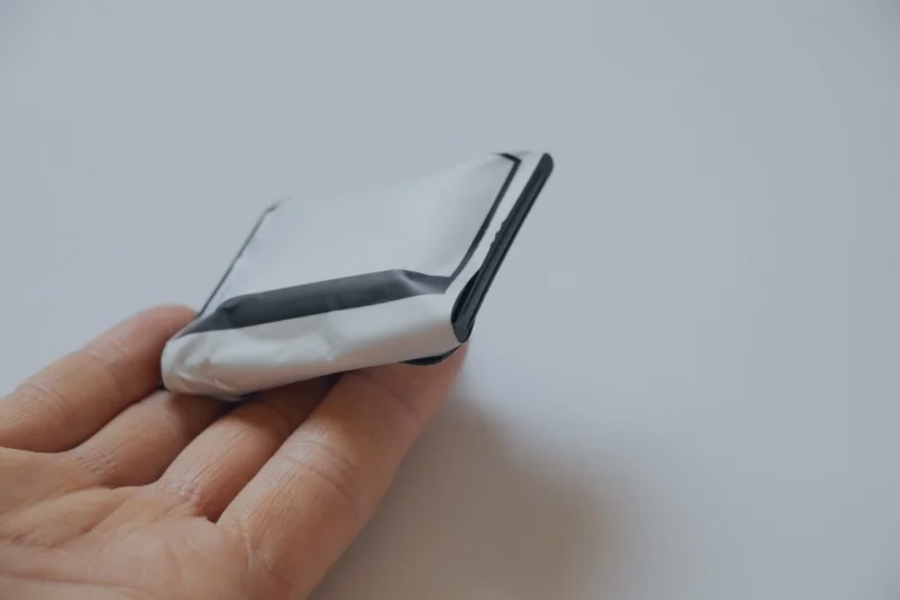
Swelling is a serious warning sign. When a battery overheats or suffers internal damage, gas can build up inside the cell or pack.
This can cause puffing, bulging, or deformation. A swollen battery should not be pressed, punctured, charged, or forced back into a device.
Leakage and venting
Overheated batteries may leak or vent chemicals. Depending on the battery type, those materials can be corrosive, irritating, toxic, or flammable.
If a battery is leaking, smoking, hissing, or giving off an unusual odor, stop using it and keep it away from people, pets, and flammable materials.
Fire and thermal runaway risks
Thermal runaway is a chain reaction where heat creates more heat inside the battery. Once it starts, the battery may become very difficult to cool or control.
This is why lithium batteries get so much attention during overheating events. While not every hot battery will catch fire, severe overheating can increase the risk of smoke, fire, explosion, or damage to nearby devices and materials.
Signs a Battery Is Overheating
Battery feels unusually hot
A battery that feels warm during normal use may be fine. A battery that is too hot to comfortably touch is a warning sign.
Swelling or puffing
Swelling, bulging, or a “pillow-like” shape usually means internal damage. Do not keep using or charging a swollen battery.
Hissing or popping sounds
Hissing, cracking, popping, or other unusual sounds may indicate pressure buildup or internal failure.
Burning smell or chemical odor
A burning, metallic, sweet, chemical, or sharp odor can signal overheating, leakage, or venting.
Smoke or vapor
Smoke or vapor should be treated as an emergency warning sign. Move away from the battery and follow proper safety guidance.
Device shutdown warnings
Phones, laptops, EVs, and battery systems may display temperature warnings or shut down automatically to prevent further damage.
Charger overheating
If the charger, charging dock, cable, or power adapter is overheating, the issue may not be the battery alone. Stop charging and inspect the entire setup.
Rapid battery drain
A battery that suddenly drains faster than normal may be aging, damaged, or overheating during use. Rapid performance drops are often a sign the battery is no longer healthy.
What Happens When Lithium Batteries Overheat?
Lithium-ion batteries and heat
Batteries overheating is especially important with lithium-ion batteries because they store a lot of energy in a compact space. That high energy density is what makes them useful in phones, laptops, power banks, e-bikes, EVs, and power tools, but it also means heat needs to be controlled carefully.
When lithium-ion batteries get too hot, internal chemical reactions can speed up. This can reduce battery life, damage internal materials, increase pressure inside the cell, or make the battery unstable.
Thermal runaway explained simply
Thermal runaway happens when heat creates more heat inside the battery. Instead of cooling down, the battery enters a chain reaction where internal temperatures keep rising.
This is one reason severe lithium battery fires can be difficult to stop. Once the reaction starts, the battery may vent gas, smoke, catch fire, or damage nearby cells in the same battery pack.
Water-damaged lithium batteries
Water damage can also make lithium batteries more likely to overheat. Moisture can create short circuits, corrode internal parts, damage terminals, or interfere with the battery’s safety system.
For more on that topic, read our guide on what happens when batteries get wet.
What Happens When Lead-Acid Batteries Overheat?
Car batteries overheating
Car batteries can overheat because of charging system issues, corrosion, loose connections, or high temperatures under the hood. A faulty alternator or regulator may overcharge the battery, while corroded terminals can create resistance and heat.
Hot engine compartments can make the issue worse, especially during summer or heavy driving. If a car battery smells unusual, leaks, swells, or becomes extremely hot, it should be inspected before continued use.
AGM batteries and heat
AGM batteries have a sealed design and are often more resistant to leaks and vibration than traditional flooded batteries. That makes them common in vehicles, backup systems, marine equipment, and other demanding applications.
Still, AGM batteries are not immune to overheating. Prolonged heat can reduce lifespan, affect performance, dry out internal components, or damage terminals and connections.
Flooded lead-acid batteries
Flooded lead-acid batteries contain liquid electrolyte. When they overheat, that electrolyte can evaporate more quickly, which may reduce performance and increase maintenance needs.
Excess heat can also contribute to pressure buildup, leakage, corrosion, and damage around terminals or battery compartments. These batteries should be handled carefully because they contain corrosive materials.
What Happens When Tool Batteries Overheat?
Cordless tool batteries
Cordless tool batteries are used in high-demand equipment like drills, saws, trimmers, blowers, grinders, and outdoor power tools. These tools pull a lot of power quickly, which can generate heat inside the battery pack.
A battery may get warm during heavy use, but it should not become dangerously hot, swell, smell odd, or shut the tool down repeatedly. Those are signs the battery may be stressed or damaged.
Chargers can contribute to overheating
Tool battery overheating is not always caused by the battery alone. Cheap chargers, damaged charging docks, dirty terminals, corroded contacts, or the wrong charger can all create heat problems.
If a charger gets unusually hot, smells like burning, flashes error codes, or has damaged contacts, stop using it. Charging a damaged tool battery can increase the risk of overheating or fire.
Overheated tool batteries may become unsafe
An overheated tool battery may suffer internal heat damage even if it still works afterward. Warning signs include swelling, reduced runtime, charging problems, hot spots, or sudden power loss.
If a tool battery has been overheated, crushed, punctured, water-damaged, or exposed to salt water, it should be treated carefully and recycled if there is any doubt about safety.
What to Do If a Battery Overheats
Step 1: Stop using the battery
Stop using the device, tool, charger, or equipment right away. Do not keep running a battery that is getting hotter, swelling, smoking, leaking, or giving off an odor.
Step 2: Disconnect it if safe
If it is safe, disconnect the battery from the device or charger. Do not touch it directly if it is extremely hot, leaking, smoking, sparking, or making unusual sounds.
Step 3: Move it away from flammable materials
If safe to move, place the battery in a well-ventilated area away from paper, cardboard, fabric, chemicals, wood, and other flammable materials.
Step 4: Allow it to cool naturally
Let the battery cool on its own. Do not freeze it, microwave it, put it in an oven, place it near heat, or expose it to sudden temperature shock.
Rapid temperature changes can create more stress and may cause condensation or additional damage.
Step 5: Watch for warning signs
Keep an eye out for:
- Smoke
- Swelling
- Strange odors
- Hissing
- Leaking
If these signs appear, keep your distance and follow emergency guidance.
Step 6: Recycle damaged batteries properly
Damaged batteries should not be thrown in the trash. They can create fire risks in garbage trucks, landfills, transfer stations, and recycling facilities when they are crushed or mishandled.
Overheated, swollen, leaking, recalled, or questionable batteries may require special handling, especially if they are lithium-based.
How to Prevent Batteries Overheating
Use manufacturer-approved chargers
Use chargers designed for the battery or device. Incorrect or low-quality chargers can cause overcharging, excess current, or unsafe heat buildup.
Avoid extreme temperatures
Keep batteries away from extreme heat and cold. High temperatures can speed up chemical breakdown and make overheating more likely.
Do not leave batteries in hot cars
Cars can become extremely hot in warm weather. Do not leave phones, power banks, tool batteries, laptops, or loose batteries in direct sunlight or inside hot vehicles.
Keep batteries ventilated
Batteries need airflow during charging and heavy use. Avoid charging batteries under blankets, inside closed boxes, near heat sources, or in tightly packed spaces.
Avoid overloading devices
Do not push batteries beyond their intended use. High-drain tools, inverters, motors, and electronics can overheat batteries when they demand too much power.
Inspect terminals and wiring regularly
Loose terminals, corrosion, bad crimps, dirty contacts, and undersized wiring can create resistance. Resistance creates heat, especially in higher-power systems.
Store batteries properly
Store batteries in a cool, dry place away from metal objects, moisture, direct sun, and flammable materials. Keep loose batteries organized so terminals do not touch.
Replace aging batteries
Old batteries are more likely to lose efficiency and generate excess heat. If a battery drains quickly, charges poorly, or gets hotter than it used to, it may be time to replace and recycle it.
Avoid charging damaged batteries
Do not charge batteries that are swollen, leaking, punctured, crushed, corroded, water-damaged, or giving off an unusual smell.
Battery Types Commonly Associated With Overheating
Lithium-ion batteries
Used in phones, laptops, tablets, power banks, e-bikes, tools, and many rechargeable devices.
LiFePO4 batteries
Common in solar storage, RVs, marine systems, backup power, and off-grid applications. They are generally more stable than some lithium chemistries but can still overheat under the wrong conditions.
Power bank batteries
Portable chargers can overheat from fast charging, cheap cables, poor ventilation, damage, or age.
EV batteries
Electric vehicle batteries rely on thermal management systems to control heat during driving, charging, and fast charging.
Tool batteries
Cordless drill, saw, trimmer, blower, and lawn equipment batteries can overheat during heavy use or improper charging.
Solar storage batteries
Solar batteries can overheat from poor ventilation, incorrect charging settings, electrical faults, or high ambient temperatures.
Phone batteries
Phone batteries may overheat from hot weather, heavy app use, charging issues, old age, or physical damage.
E-bike batteries
E-bike batteries can overheat from high discharge, poor-quality chargers, damaged packs, or storage in hot conditions.
Lead-acid batteries
Car, marine, forklift, backup, and flooded lead-acid batteries can overheat from overcharging, corrosion, hot environments, or charging system issues.
Can Overheated Batteries Be Reused?
Sometimes, but it depends on how hot the battery became and whether any damage occurred. A battery that is slightly warm during normal use may be fine.
A battery that became dangerously hot, swelled, leaked, smoked, hissed, smelled odd, or stopped working correctly should not be reused. Swollen or leaking batteries should never be charged or forced back into service.
If there is doubt, recycle it. The cost of replacing a battery is usually much lower than the risk of using one that may fail.
How Overheated Batteries Should Be Recycled
Separate damaged batteries
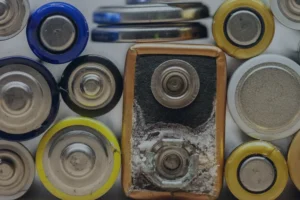
Keep overheated, swollen, leaking, or questionable batteries separate from normal used batteries. They may need special handling.
Do not place damaged batteries in regular trash
Damaged batteries can create fire risks when crushed in garbage trucks, compactors, landfills, or recycling equipment.
Keep terminals protected
When appropriate, cover exposed terminals with tape to reduce short-circuit risks. Keep batteries away from loose metal objects, tools, coins, and wires.
Store questionable batteries safely
Store questionable batteries in a cool, dry, well-ventilated area away from flammable materials until they can be recycled.
Work with a licensed battery recycling company
A licensed battery recycling company can help sort batteries by chemistry, condition, and handling requirements. This is especially important for bulk batteries, damaged batteries, and commercial battery waste.
Conclusion
Batteries overheating is usually a warning sign, not something to ignore. Heat can come from charging problems, electrical resistance, damage, age, poor ventilation, or environmental conditions.
Overheating batteries can become unsafe quickly if ignored. Swelling, leaking, smoke, odors, hissing, or repeated charging problems are all signs that the battery should be taken out of use.
EACR Inc. provides battery recycling services for damaged, swollen, recalled, overheating, outdated, and bulk batteries for businesses, facilities, schools, municipalities, and organizations.