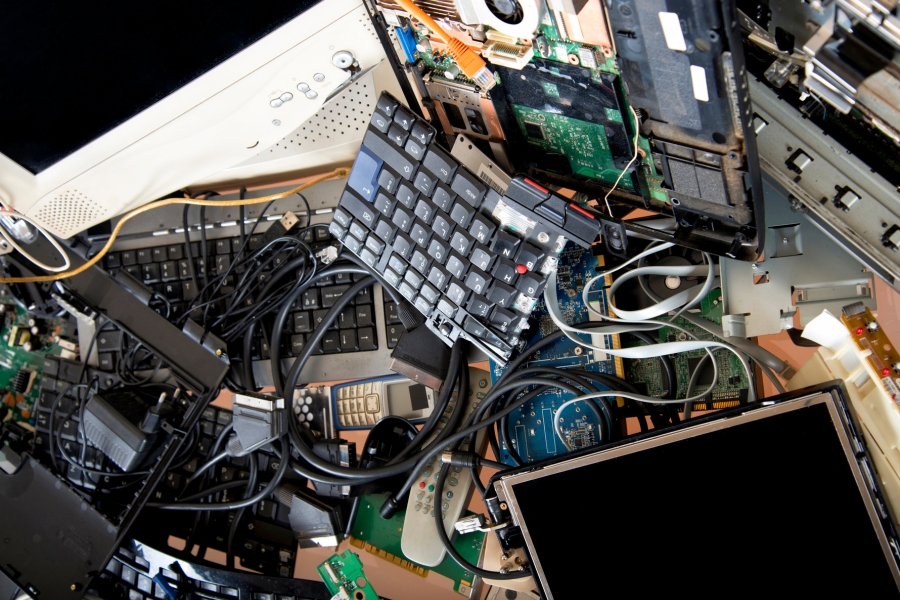
Where does e-waste go after recycling? Electronics do not simply disappear after pickup or drop-off. Once devices leave a business, school, hospital, or home, they move through a downstream process that may include sorting, data destruction, reuse evaluation, dismantling, shredding, and material recovery.
Some devices are refurbished for reuse. Others are dismantled so materials like copper, aluminum, circuit boards, plastics, and glass can be separated and processed responsibly.
EACR Inc. is a licensed electronics recycling company with a zero-landfill policy, secure data handling procedures, detailed reporting, and a 20,000-square-foot facility designed for responsible e-waste processing.
If your business needs electronics recycling with secure handling, reporting, and downstream accountability, EACR Inc. can help with pickups, containers, data destruction, and certificates of recycling.
Quick Answer: Where Does E-Waste Go After Recycling?
After collection, e-waste usually follows several downstream paths depending on the device type and condition.
Reuse or Refurbishment
Working equipment may be tested, wiped, repaired, and prepared for reuse when practical.
Data Destruction
Devices containing storage media are wiped, destroyed, or verified before moving deeper into the recycling process.
Dismantling and Sorting
Electronics are separated into categories such as circuit boards, batteries, plastics, wiring, glass, and metals.
Shredding and Material Separation
Non-reusable equipment may be shredded and separated into recoverable material streams.
Downstream Recovery
Recovered materials are sent to approved downstream processors for metal recovery, plastic processing, glass handling, and specialty recycling.
What Happens First After E-Waste Is Collected?
Collection and Transportation
The process starts with pickups, drop-offs, e-waste containers, scheduled collection routes, or roll-off services.
Secure transportation matters because electronics may contain sensitive data, damaged batteries, or regulated materials. EACR’s process begins with identifying then transportation, making sure material is collected and moved safely before processing starts.
Intake and Sorting
Once material arrives at the facility, devices are sorted by:
- Equipment type
- Condition
- Reuse potential
- Battery risk
- Data risk
- Material category
Larger business loads may also be weighed and documented for reporting purposes.
Reuse Evaluation
Not every device is immediately destroyed or shredded. Some electronics still have useful life left and may be tested for reuse or refurbishment.
When equipment cannot be reused safely or practically, it continues into the recycling stream.
Data Destruction Comes Before Recycling
Why Data Protection Comes First
Computers, servers, laptops, phones, printers, tablets, and storage devices may still contain recoverable information even after files appear deleted.
That is why responsible electronics recycling starts with data security before dismantling or shredding begins.
How EACR Protects Data
EACR uses secure data destruction, DoD 5220.22-M 3-pass wiping procedures, verification processes, and physical hard drive destruction when wiping fails.
The facility also supports mobile hard drive destruction and 24/7 security camera coverage to help protect devices throughout processing.
Documentation for Records
Businesses may also need:
These records help support compliance, audits, sustainability reporting, and internal tracking.
Hazard Removal and Depollution
Batteries and Regulated Components Are Removed Early
Before shredding begins, batteries and regulated materials are separated from the rest of the equipment.
This may include:
- Lithium-ion batteries
- Lead-acid batteries
- Swollen batteries
- Mercury lamps
- Leaded glass
- Printer toner
- Older display components
Removing these items early helps reduce contamination and fire risk during downstream processing.
Why Depollution Matters
Depollution protects workers, improves material quality, and keeps hazardous materials out of general recycling streams.
Without proper separation, batteries, glass, and regulated components can damage equipment, contaminate material loads, and create safety problems throughout the recycling chain.
Dismantling and Demanufacturing
Manual Disassembly
After data destruction and hazard removal, many electronics are manually dismantled before shredding.
Technicians may remove reusable parts or separate materials into cleaner categories for downstream processing.
Common Components Separated
This may include:
- Circuit boards
- Wiring
- Power supplies
- Screens
- Metal frames
- Plastic housings
- Glass
- Processors and memory
Different materials follow different downstream recovery paths, which is why separation matters before shredding begins.
Why This Improves Recycling
Cleaner separation improves recovery rates, reduces contamination, and helps materials move into more responsible downstream channels.
Shredding and Material Separation
When Electronics Are Shredded
Non-reusable electronics are often shredded after batteries, storage devices, and hazardous components are removed.
Shredding is typically used for bulk material, damaged devices, and equipment that cannot realistically be reused.
How Shredding Helps
Shredding breaks electronics into smaller fractions so materials can be separated more efficiently.
This makes it easier to recover metals, plastics, and glass while preparing the material for downstream processors.
Separation Technologies
After shredding, recyclers may use:
- Magnetic separation for steel
- Eddy current separation for aluminum and copper
- Air separation for lighter materials
- Manual quality checks
- Plastic and glass sorting where applicable
The goal is to create cleaner material streams that can move into approved recovery and manufacturing supply chains.
What Materials Are Recovered From E-Waste?
Where does e-waste go after recycling? A major part of the answer is material recovery. Once electronics are sorted, cleared of data risks, and processed, they can be separated into metals, plastics, glass, circuit boards, and other reusable material streams.
Metals
E-waste often contains steel, aluminum, copper, and smaller amounts of precious metals like gold, silver, and palladium inside circuit boards.
Copper may come from wiring and cables. Aluminum and steel may come from frames, housings, and internal structures. Precious metals are usually found in very small amounts, but at scale, recovering them matters. Thousands of devices can add up to meaningful material recovery.
Plastics
Many electronics contain plastic housings, trays, bezels, buttons, and internal supports. These plastics are not always simple to recycle because devices often contain mixed plastic types, coatings, labels, or contamination from other materials.
When plastic streams are clean enough, they may be processed for reuse in new material applications. When they are too mixed or contaminated, downstream options may be more limited.
Glass
Monitors, TVs, and some display equipment contain glass that must be handled separately from general debris.
Glass processing can vary depending on the device type. Monitor glass, TV glass, and specialized display glass may require different handling, especially if older equipment contains regulated materials. Keeping glass separate helps prevent contamination and supports safer recovery.
Circuit Boards and Electronic Components
Circuit boards are not treated like basic scrap. They contain layered materials, solder, copper, and small amounts of precious metals.
Because of that, boards are typically routed to specialized processors that can recover metals through more advanced downstream methods. This is one reason proper sorting matters before shredding or bulk processing begins.
Where Do Recovered Materials Go?
Approved Downstream Processors
Recovered materials do not all go to one place. Metals, plastics, glass, batteries, circuit boards, and specialty components often require different downstream processors.
EACR processes material through approved facilities so each stream is handled through the right recovery channel. Downstream accountability matters because businesses deserve to know their electronics were not simply collected and forgotten.
Reuse and Manufacturing Supply Chains
Recovered metals can reenter manufacturing supply chains. Plastics may be processed into new material streams when feasible. Recovered parts and components may also support reuse when they are safe and practical.
This is the goal of responsible e-waste recycling: keep materials moving through useful channels instead of sending them to landfills.
Why Zero Landfill Matters
EACR’s zero-landfill policy means electronic waste is not dumped. Reuse, recovery, and proper recycling are prioritized at every step.
To date, EACR Inc. has diverted more than 200 million pounds of e-waste from landfills. That kind of downstream responsibility supports long-term sustainability, better transparency, and cleaner material recovery.
Why Downstream Accountability Matters
Not All Recyclers Handle E-Waste the Same Way
Some companies only collect electronics. Some outsource most of the process. Others may not provide clear reporting on where materials go after pickup.
That creates a problem for businesses. If your company is recycling old computers, servers, printers, or electronics, you need confidence that the material is handled properly after it leaves your site.
Documentation Protects Organizations
Documentation helps support:
- Audit readiness
- ESG reporting
- Vendor management
- Internal compliance
- Proof of responsible recycling
Certificates of recycling, pickup records, and destruction records can all help businesses stay organized and accountable.
Better Recycling Starts With Better Sorting
Cleaner sorting leads to better recovery. When batteries, glass, circuit boards, metals, and plastics are separated correctly, downstream processors can recover materials more effectively.
Hazard removal also reduces risk, while accurate reporting builds trust between the recycler and the customer.
Frequently Asked Questions About Where E-Waste Goes After Recycling
Does e-waste actually get recycled?
Yes, when handled by a responsible recycler. Devices are sorted, dismantled, shredded, and routed into material recovery streams.
What happens to old computers after recycling?
Old computers may be reused, refurbished, securely wiped, dismantled for parts, or processed for material recovery.
Are hard drives destroyed during e-waste recycling?
They should be wiped or physically destroyed before recycling, depending on the customer’s data security needs.
What materials are recovered from e-waste?
Common recovered materials include steel, aluminum, copper, plastics, glass, circuit boards, and small amounts of precious metals.
Does all e-waste get shredded?
No. Some equipment may be reused, refurbished, or manually dismantled first. Shredding is usually for non-reusable material after data and hazard controls.
Why does downstream recycling matter?
Downstream recycling determines whether electronics are responsibly reused, recovered, processed, or mishandled after pickup.
Conclusion
Electronics recycling is a full downstream process, not just pickup. The real work happens through secure data destruction, sorting, depollution, dismantling, shredding, material recovery, and documentation.
If your business needs responsible e-waste recycling with pickup options, secure data handling, zero-landfill practices, and certificates of recycling, contact EACR Inc. to talk to an electronics recycling expert.