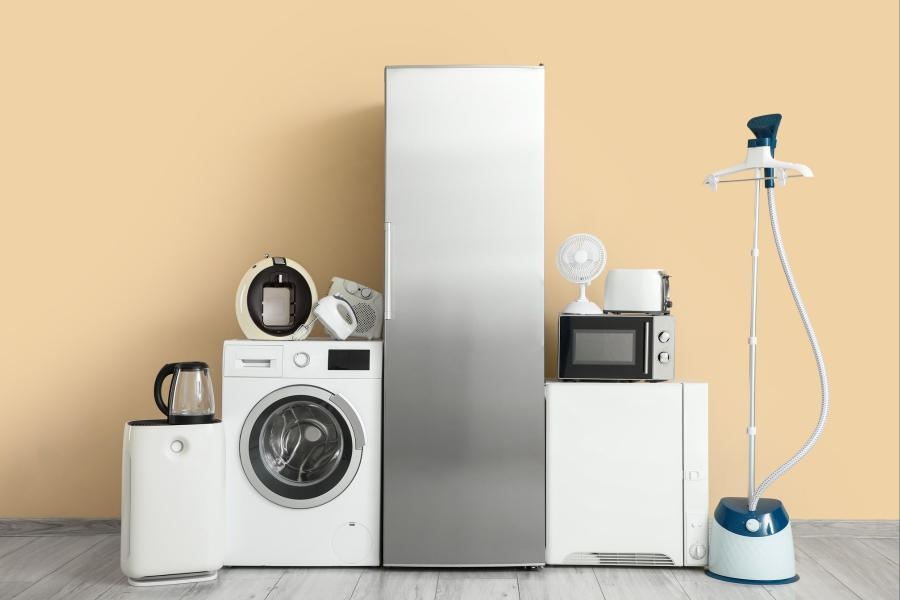
Some household items quietly drive up electric bills more than people realize. While chargers and light switches get blamed, the biggest electricity users are usually the systems and appliances that heat, cool, run constantly, or use a lot of power at once.
Heating and cooling systems, water heaters, refrigerators, dryers, lighting, entertainment devices, and kitchen appliances are often responsible for a large share of a home’s electricity use. Knowing where your energy goes can help you lower costs and decide when older equipment may be worth replacing.
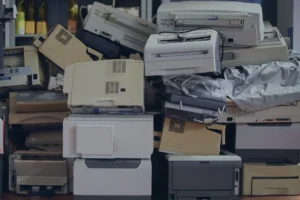
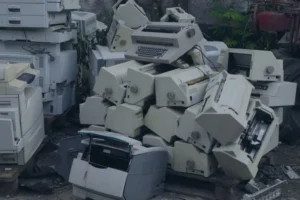
If outdated electronics or appliances are being upgraded, EACR Inc., an e-waste recycling company can help recycle many types of electronics and electrical equipment responsibly.
What Uses the Most Electricity at Home?
The household items that typically use the most electricity are:
- Heating and cooling systems
- Water heaters
- Refrigerators and freezers
- Washers and dryers
- Lighting
- TVs, gaming systems, and media equipment
- Electric stoves and ovens
- Dishwashers
- Computers and home office equipment
- Small appliances and chargers
The exact order varies based on your home’s size, local climate, appliance efficiency, and daily habits.
How Electricity Use is Measured
Watts vs. Kilowatt-Hours
Watts measure how much power an item uses at a given moment. Kilowatt-hours (kWh) measure how much energy it uses over time, which is what shows up on your electric bill.
The basic rule is simple:
High wattage plus long runtime equals higher costs.
A refrigerator may use less power than an oven at one time, but because it runs all day, it can still have a major impact on your bill.
Why Older Appliances Often Cost More
Older appliances tend to be less efficient than newer models. Worn parts can force equipment to work harder, increasing electricity use.
Common reasons include:
- Less efficient motors
- Weak door seals
- Dirty coils
- Aging heating elements
- Older standby power designs
- More frequent run cycles
Sometimes an appliance still works fine. The bigger question is whether it’s costing more than it should to keep running.
1. Heating and Cooling Systems
Heating and cooling systems are usually the biggest electricity users in the home.
Why HVAC Uses the Most Electricity
Air conditioners, electric heat, heat pumps, and furnace blowers work to maintain comfortable temperatures throughout the entire house. During very hot summers or cold winters, these systems can run for hours at a time.
Because they serve the whole home, HVAC systems often represent the largest share of household electricity use.
How to Reduce HVAC Electricity Use
You can lower HVAC energy use by:
- Using a programmable thermostat
- Replacing air filters regularly
- Sealing drafts around windows and doors
- Keeping vents clear
- Using ceiling fans properly
- Scheduling routine maintenance
- Replacing inefficient equipment when needed
Recycling Note
When HVAC equipment is replaced, old thermostats, motors, controls, wiring, and related electronics should be recycled properly whenever possible.
2. Water Heaters
Water heating is another major contributor to household electricity use.
Why Water Heating Adds Up
Hot water is used throughout the day for showers, laundry, and dishwashing. Traditional tank-style water heaters also maintain hot water even when no one is actively using it.
The more hot water your household uses, the harder the system works.
How to Reduce Water Heater Electricity Use
Simple ways to lower energy use include:
- Setting the temperature near 120°F
- Using cold water for laundry
- Fixing leaks promptly
- Insulating older tanks and pipes
- Installing low-flow fixtures
Recycling Note
Electric water heaters contain metal, wiring, controls, and electrical components that may require proper recycling when replaced. Read our guide on recycling water heaters here.
3. Refrigerators and Freezers
Refrigerators and freezers never really get a day off.
Why They Use Power Constantly
These appliances cycle on and off throughout the day to keep food cold. Older models tend to be less efficient, and extra garage refrigerators or freezers can quietly increase electricity costs.
Weak door seals and dirty coils can also force the unit to run longer.
How to Reduce Refrigerator Electricity Use
To improve efficiency:
- Keep refrigerators around 37–40°F
- Keep freezers around 0°F
- Clean the coils regularly
- Check door seals
- Avoid leaving doors open
- Replace outdated units when appropriate
Recycling Note
Refrigerators and freezers often contain refrigerants, metals, plastics, wiring, and electronics that require proper appliance recycling. Read our complete guide to refrigerator recycling.
4. Washers and Dryers
Laundry equipment can use more electricity than many homeowners realize.
Why Laundry Equipment Uses So Much Electricity
Dryers use heating elements to generate heat, while washing machines rely on motors and pumps. Hot water washing, frequent loads, and overloaded machines can all increase energy consumption.
The dryer is typically the larger energy user of the two.
How to Reduce Laundry Electricity Use
You can cut laundry-related electricity use by:
- Washing with cold water
- Running full loads
- Cleaning lint filters regularly
- Air drying when possible
- Using lower heat settings
Recycling Note
Old washers and dryers contain motors, wiring, steel, circuit boards, and other reusable materials that should be recycled whenever possible. EACR Inc. can recycle washer and dryer machines, read more about it.
5. Lighting
Lighting uses less electricity than HVAC systems, but it can still add up.
Why Lighting Still Matters
Most homes contain dozens of bulbs. Incandescent bulbs waste much of their energy as heat, while outdoor lighting and holiday displays can quietly increase energy use over time.
How to Reduce Lighting Electricity Use
Ways to lower lighting costs include:
- Switching to LED bulbs
- Using timers
- Turning lights off when leaving a room
- Installing motion sensors outdoors
- Taking advantage of natural light
LEDs use significantly less electricity and generally last much longer than traditional incandescent bulbs.
Recycling Note
Some bulbs and fixtures require special handling. LED fixtures, ballasts, wiring, and lighting controls can often enter electronics recycling streams instead of being thrown away.
6. TVs, Gaming Consoles, and Media Equipment
Entertainment devices may not use as much electricity as your HVAC system, but they can still contribute to higher bills, especially when they stay plugged in around the clock.
Why Entertainment Devices Use Electricity Even When Off
Many electronics continue drawing small amounts of power even when they’re not actively being used. This is known as standby or “vampire” power.
Devices that commonly use standby power include:
- TVs
- Cable boxes
- Gaming consoles
- Streaming devices
- Sound systems
- Speakers
Quick-start modes and automatic updates can increase electricity use by keeping devices partially active in the background.
How to Reduce Media Equipment Electricity Use
A few simple changes can help:
- Use smart power strips
- Turn off quick-start modes
- Lower screen brightness
- Unplug rarely used devices
- Enable energy-saving settings
Recycling Note
Old TVs, gaming consoles, speakers, remotes, cables, and other media devices should be recycled instead of thrown away. Many contain reusable materials and electronic components that require proper handling.
7. Electric Stoves and Ovens
Cooking appliances can draw a surprising amount of power, particularly during holidays and family gatherings.
Why Cooking Appliances Use High Wattage
Electric stoves and ovens rely on heating elements to generate and maintain high temperatures. Long preheat times and extended cooking sessions increase electricity use, and the heat they generate can make your air conditioner work harder during warmer months.
How to Reduce Cooking Electricity Use
You can save energy by:
- Using microwaves, toaster ovens, air fryers, or slow cookers for smaller meals
- Keeping the oven door closed while cooking
- Cooking during cooler parts of the day when possible
- Matching pot size to the burner
- Using residual heat by turning appliances off slightly early
Recycling Note
Old kitchen appliances often contain wiring, metals, heating elements, and circuit boards that can be responsibly recycled.
8. Dishwashers
Dishwashers save time, but they still use electricity through several different functions.
Why Dishwashers Use Electricity
Dishwashers use electricity to power:
- Motors
- Pumps
- Water heating
- Heated drying cycles
The heated dry setting is often one of the biggest contributors to dishwasher energy use.
How to Reduce Dishwasher Electricity Use
To improve efficiency:
- Run full loads
- Turn off heated dry
- Use air dry instead
- Wash during off-peak hours if your utility offers time-based rates
- Clean and maintain filters regularly
Recycling Note
Old dishwashers contain motors, wiring, metal, plastic, and electronic controls that should be recycled whenever possible. EACR Inc. recycles dishwashers, read more about it in their guide.
9. Computers and Home Office Equipment
Working and studying from home means many households now have electronics running throughout the day.
Why Home Office Electronics Add Up
Even though individual devices may not use enormous amounts of electricity, multiple devices operating for hours can increase energy use.
Common home office equipment includes:
- Desktop computers
- Monitors
- Printers
- Chargers
- Routers
- Modems
- Battery backups
How to Reduce Office Electricity Use
A few habits can lower energy consumption:
- Use sleep mode
- Shut down devices when not in use
- Choose laptops instead of desktops when practical
- Unplug chargers
- Use smart power strips
Recycling Note
Computers, monitors, printers, routers, cords, UPS systems, and batteries should all be recycled responsibly. This is one of the most common categories EACR Inc. handles.
10. Small Appliances and Chargers
Small devices usually aren’t the biggest energy users individually, but households often have dozens of them.
Why Small Devices Still Matter
Electricity use can add up across items such as:
- Coffee makers
- Microwaves
- Air fryers
- Electric toothbrush chargers
- Phone chargers
- Power banks
- Smart speakers
- Robot vacuums
Many of these devices either stay plugged in constantly or contain rechargeable batteries.
How to Reduce Small Device Electricity Use
Simple ways to cut waste include:
- Unplug rarely used chargers
- Avoid charging devices longer than necessary
- Use power strips
- Replace damaged cords
- Recycle dead rechargeable devices
When High-Electricity Items Should Be Replaced or Recycled
Sometimes the best way to lower electricity use is upgrading older equipment.
Signs It May Be Time to Upgrade
Watch for signs such as:
- Appliances running constantly
- Higher electric bills without a clear reason
- Strange noises
- Excess heat
- Burnt smells
- Weak performance
- Frequent repairs
- Outdated models
Why Recycling Matters After Replacement
Proper recycling helps:
- Keep electronics and appliances out of landfills
- Recover reusable metals, plastics, wiring, and components
- Handle batteries, circuit boards, refrigerants, and other materials safely
Conclusion
The biggest household electricity users are usually the systems and appliances that heat, cool, run continuously, or stay plugged in throughout the day. Heating and cooling, water heating, refrigeration, laundry, lighting, entertainment devices, cooking appliances, dishwashers, and home office electronics can all contribute to higher energy bills.
Small changes in how you use and maintain these items can add up to meaningful savings over time.
If you’re replacing older electronics, appliances, cords, batteries, or power equipment, EACR Inc. can help with responsible electronics recycling and proper material handling.