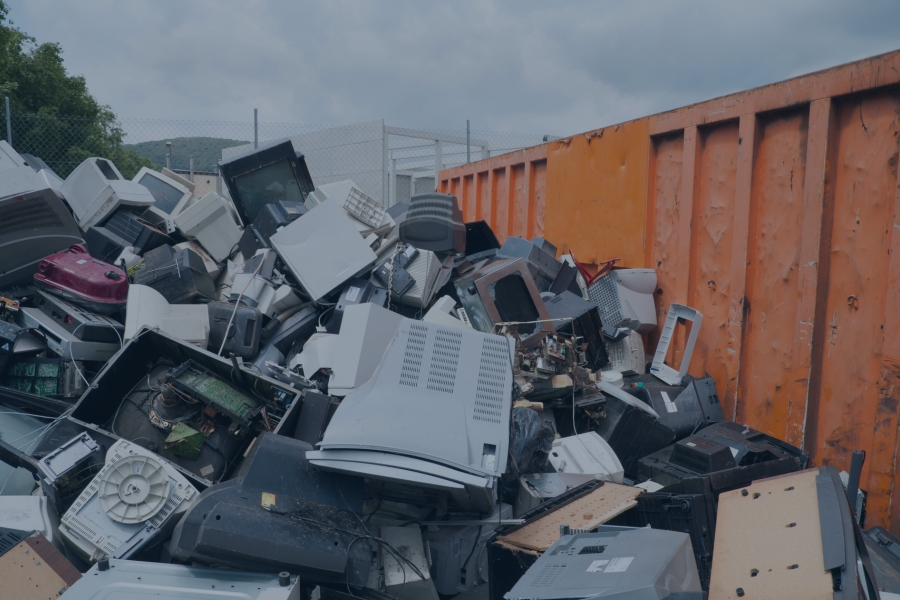
Most people know they should recycle electronics. Fewer people know what actually happens after the truck leaves.
Do old computers become new computers? Are devices shredded? Is data really destroyed? What happens to all of the materials inside servers, laptops, monitors, and other equipment?
The answer is that electronics recycling is a multi-step process. The goal is not simply to get rid of old devices. The process is designed to protect sensitive data, recover reusable materials, keep electronics out of landfills, and ensure equipment is handled responsibly from start to finish.
As an e-waste recycling company, EACR Inc. helps businesses, schools, healthcare facilities, municipalities, and organizations manage electronics from pickup through final recycling and reporting.
The Journey Starts With Collection
Before anything can be recycled, the equipment has to be identified, organized, and transported safely.
Identifying What Needs to Be Recycled
Every electronics recycling project starts with understanding what materials are being collected.
That might include:
- Computers
- Laptops
- Servers
- Monitors
- Networking equipment
- Telecom equipment
- Printers
- Batteries
- Office electronics
- Storage devices
A small office cleanout may involve a few dozen devices. An enterprise technology refresh may involve hundreds or even thousands of assets across multiple locations.
Understanding what is being collected helps determine transportation requirements, data security needs, reporting requirements, and the appropriate recycling pathway.
Transportation to a Recycling Facility
Once materials are identified, they must be transported safely to a recycling facility.
Depending on the project, this may involve:
- Scheduled pickups
- On-demand collections
- Business recycling programs
- Multi-site logistics
- E-waste container services
For organizations with sensitive equipment, transportation is about more than moving material from one place to another. Maintaining security and accountability throughout the process is just as important as the recycling itself.
Once electronics arrive at a recycling facility, the real work begins.
Protecting Sensitive Data Before Recycling
For many businesses, data security is the biggest concern during electronics recycling.
Why Data Security Comes First
Modern electronics often contain large amounts of information.
Examples include:
- Computers
- Servers
- Hard drives
- SSDs
- Backup devices
- Storage arrays
- Network equipment
These devices may contain financial records, employee information, customer data, healthcare records, intellectual property, and other sensitive information.
That is why electronics recycling is not just an environmental issue. It is also a data security issue.
Before devices are processed for recycling, organizations need confidence that their information is no longer accessible.
Data Destruction and Verification
At EACR Inc., data-bearing devices go through a structured process designed to protect client information.
This includes a DoD 5220.22-M three-pass data wipe, which rewrites sectors on a hard drive using multiple overwrite patterns. After the wipe is complete, the process is verified to confirm that the data has been successfully destroyed.
If a device fails verification or cannot be securely wiped, the drive is physically destroyed.
This approach helps provide organizations with confidence that sensitive information has been handled appropriately before recycling begins.
Supporting documentation may include:
- Certificates of Recycling
- Asset reports
- Data destruction records
Sorting Electronics by Type
Not all electronics are processed the same way.
Not Everything Goes Into the Same Pile
After collection and data security procedures are complete, electronics are sorted into different material streams.
Examples include:
- Computers
- Batteries
- Circuit boards
- Wire and cable
- Appliances
- Telecom equipment
- Networking equipment
Different devices contain different materials and may require different handling procedures. Batteries, for example, follow different recycling pathways than computers. Circuit boards are processed differently than steel equipment housings.
Proper sorting helps improve recovery rates and ensures materials move through the appropriate downstream channels.
Separating Reusable Equipment From Recycling Streams
One common misconception is that every device is immediately destroyed.
In reality, some equipment may still have useful life remaining.
Depending on age, condition, and market demand, certain items may be:
- Repurposed
- Reused
- Refurbished
- Recycled for material recovery
This is where the idea of a circular economy comes into play. Extending the life of working equipment can reduce waste while delaying the need for new manufacturing.
When equipment can no longer be reused, it moves into the recycling stream for material recovery.
Inside an Electronics Recycling Facility
Once equipment has been sorted and secured, it enters the processing phase.
How Electronics Are Processed
EACR Inc. operates a 20,000-square-foot electronics recycling facility designed to process a wide range of electronic equipment efficiently and responsibly.
The facility includes:
- Multiple baling machines
- A large horizontal baler
- Hydraulic shears
- A dedicated glass processing room
Baling equipment helps compact recyclable materials for transportation and downstream processing. Hydraulic shears assist with material preparation and separation. The glass processing room helps manage materials commonly found in monitors, displays, and other electronic devices.
Each piece of equipment serves a specific purpose in preparing electronics for responsible recycling.
Specialized Equipment Makes a Difference
Processing electronics at scale requires more than basic recycling equipment.
Specialized systems help improve:
- Material separation
- Processing efficiency
- Worker safety
- Throughput capacity
EACR’s operation also includes:
- 26-foot box trucks with lift gates
- Tractor trailers
- Open and closed roll-off containers
- Mobile hard drive destruction equipment
- 24/7 security camera coverage
This combination of facility infrastructure and transportation resources allows electronics to move through the recycling process efficiently while maintaining accountability and security.
Recovering Materials From Electronics
The final goal of electronics recycling is material recovery.
What Materials Can Be Recovered?
Electronics contain a wide variety of reusable materials.
Depending on the device, recovery streams may include:
- Copper
- Aluminum
- Steel
- Plastics
- Circuit board materials
- Battery materials
Many of these materials appear throughout modern electronics, from computers and servers to networking equipment, appliances, and telecom systems.
As discussed in our guide to metals found inside electronics, many devices contain materials that can continue serving a purpose long after the equipment itself reaches the end of its useful life.
Why Material Recovery Matters
Recovering materials helps support a more sustainable approach to manufacturing and resource management.
Instead of sending electronics directly to landfills, recycling helps:
- Keep reusable materials in circulation
- Reduce unnecessary waste
- Support future manufacturing
- Recover materials from retired equipment
Every computer, server, monitor, and network device contains materials that required energy and resources to produce. Recovering those materials helps maximize their useful life while reducing the need to dispose of equipment as waste.
Responsible electronics recycling helps keep reusable materials in circulation instead of sending them to landfills.
What Happens to Materials After Recovery?
The Circular Economy in Action
After electronics are processed, recovered materials can move back into manufacturing streams.
In simple terms:
Old electronics → material recovery → manufacturing → new products.
Copper may become new wire. Steel can enter new manufacturing. Aluminum can return to industrial supply chains.
That is the circular economy in action: keeping reusable materials moving instead of sending them to waste.
Not Everything Becomes Another Computer
A recycled computer does not always become another computer.
Recovered materials may be used in many different products. Copper, steel, aluminum, plastics, and circuit board materials can move into different industries depending on the material and downstream process.
The goal is not always to recreate the same item. The goal is to recover reusable materials and keep them in circulation.
Why Electronics Should Never Go to a Landfill
Lost Recovery Opportunities
When electronics go to a landfill, reusable materials are wasted.
Computers, servers, monitors, wires, batteries, and office equipment often contain recoverable metals, plastics, and components. Once they are buried with regular trash, those materials are much harder to recover.
Environmental Concerns
Electronics can also contain materials that should not be handled casually.
Batteries, circuit boards, and electronic components may create environmental concerns if they are crushed, exposed, or improperly discarded.
That is why EACR Inc. follows a strict zero-landfill policy.
Documentation and Reporting Matter
For businesses, recycling is not just about removal. Documentation matters too.
Certificates of Recycling
Certificates of recycling provide proof that materials were collected and processed responsibly.
They are useful for internal records, audits, sustainability reporting, and vendor management.
Supporting Business Compliance
Documentation can support compliance needs for:
- Schools
- Healthcare organizations
- Government agencies
- Corporations
- Municipalities
Clear reporting helps show where electronics went, what was collected, and how materials were handled.
Frequently Asked Questions About What Happens After Electronics Recycling
Are electronics destroyed when they are recycled?
Some electronics are recycled directly, while others may be reused, refurbished, or repurposed depending on condition.
Is my data removed before electronics are recycled?
Yes. Data-bearing devices should go through secure wiping or destruction before recycling.
What materials are recovered from electronics?
Common materials include copper, aluminum, steel, plastics, circuit board materials, and battery materials.
Do recycled electronics become new electronics?
Sometimes. In many cases, recovered materials are used in a variety of manufacturing applications.
What happens to electronics that cannot be reused?
They move through approved recycling processes where materials are separated and recovered.
Does EACR Inc. provide documentation?
Yes. EACR Inc. provides certificates of recycling and can offer customized reporting based on client needs.
Conclusion
Electronics recycling is much more than throwing devices in a container.
The process includes collection, transportation, data protection, sorting, material recovery, reporting, and responsible downstream recycling. Proper recycling helps keep reusable materials in circulation while protecting sensitive information.
Whether you are managing an office cleanout, data center refresh, school technology upgrade, or ongoing recycling program, EACR Inc. can help coordinate secure electronics recycling from pickup through final documentation.