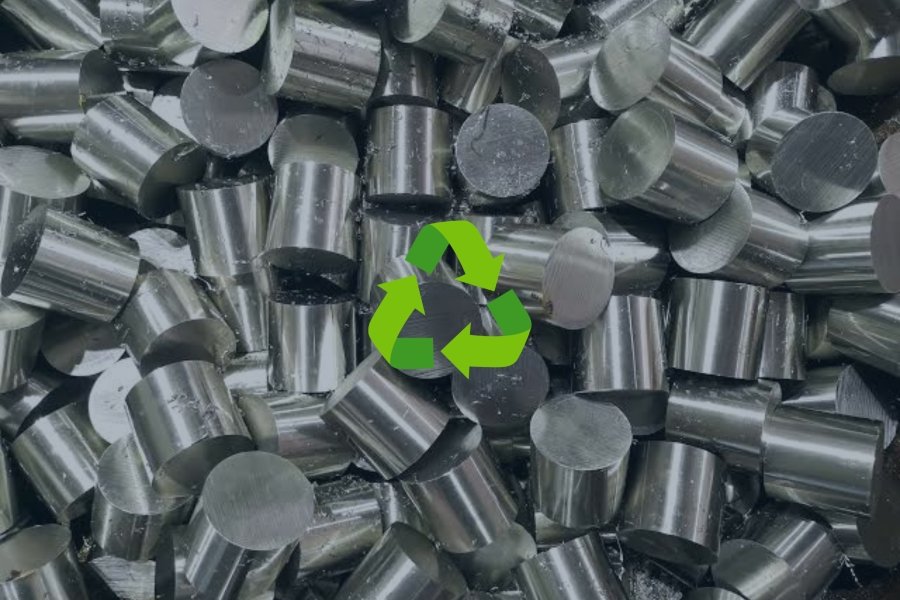
Titanium recycling is the process of collecting, sorting, identifying, and processing titanium scrap so the metal can be recovered and reused in new manufacturing applications. Because titanium is lightweight, exceptionally strong, and highly resistant to corrosion, recycling helps keep this reusable material in circulation instead of sending it to a landfill.
As an electronics recycling company, EACR Inc. also provides recycling solutions for businesses that generate titanium scrap alongside electronic equipment, industrial machinery, and other specialty metals.
The right recycling option depends on the type and volume of titanium your business generates:
- Scheduled Pickup: Ideal for manufacturers, aerospace companies, medical facilities, machine shops, and businesses with larger quantities of titanium scrap.
- Drop-Off Recycling: A convenient option for businesses with smaller amounts of titanium scrap.
- Scrap Recycling Containers: A practical solution for facilities that generate titanium scrap on an ongoing basis and need consistent collection.
- Bulk Industrial Recycling: Designed for facility cleanouts, production scrap, equipment upgrades, and decommissioning projects.
What is Titanium Scrap?
Titanium scrap is any leftover, obsolete, or unused titanium material that can be recovered through recycling instead of being discarded. Although many people associate titanium with aircraft, it’s used across countless industries because of its strength, durability, and resistance to corrosion.
Titanium scrap can come from:
- Manufacturing offcuts
- Rejected or defective parts
- Machining turnings and shavings
- End-of-life equipment
- Industrial machinery and components
- Aerospace manufacturing
- Medical device production
- Chemical processing facilities
- General manufacturing operations
Some scrap is generated during production, while other material comes from equipment that’s being upgraded, replaced, or decommissioned. Regardless of where it originates, properly identifying and separating titanium helps improve the recycling process. Looking to recycle titanium or other specialty metals? Learn more about EACR Inc.’s metal recycling services to find the right recycling solution for your business.
Why Titanium Should Be Recycled
Titanium is one of the most durable engineering metals available today. It’s lightweight, exceptionally strong, and naturally resistant to corrosion, making it a preferred material for demanding environments where performance matters.
Rather than allowing this material to go to waste, recycling helps recover reusable titanium that can support future manufacturing.
Some of the biggest benefits of titanium recycling include:
- Recovering reusable metal for future applications
- Reducing unnecessary landfill waste
- Conserving natural resources
- Supporting more responsible manufacturing practices
- Helping businesses manage production scrap more efficiently
For manufacturers, recycling also provides a more organized way to manage scrap generated during machining, fabrication, and facility upgrades.
While titanium is widely recycled throughout aerospace and manufacturing, publicly available statistics on titanium scrap consumption remain limited. The United States Geological Survey notes that detailed domestic scrap consumption data is not always publicly reported, making it difficult to quantify the full recycling market. Even so, recycled titanium continues to play an important role in supplying material for industrial manufacturing and specialty alloy production.
Common Titanium Scrap Materials That Can Be Recycled
Titanium is recycled in many different forms. Some materials come directly from manufacturing, while others come from industrial equipment that has reached the end of its service life.
Titanium Solids
Solid titanium is often the easiest material to identify and separate during recycling. Because it typically contains fewer contaminants than machining scrap, it can often be processed more efficiently.
Common examples include:
- Titanium sheet
- Titanium plate
- Bar stock
- Tubes
- Rods
- Engine parts
- Gears
- Structural components
- Forgings
- Industrial hardware
These materials are commonly generated by aerospace manufacturers, machine shops, medical manufacturers, and industrial fabrication facilities.
Titanium Turnings and Machining Shavings
Machine shops generate titanium turnings, chips, grindings, and shavings every day during cutting, drilling, milling, and CNC machining operations.
Although these materials are highly recyclable, they require extra attention because they can become contaminated with:
- Cutting oils
- Coolants
- Dirt and debris
- Mixed metal shavings
Keeping titanium turnings separate from stainless steel, aluminum, and other machining scrap helps simplify recycling and improves material recovery.
Titanium Offcuts and Rejected Parts
Manufacturing processes regularly produce excess titanium in the form of offcuts, trim pieces, prototypes, and rejected components.
These materials often come from:
- Aerospace manufacturers
- Medical device manufacturers
- Fabrication shops
- Precision machining facilities
- Industrial manufacturers
Rather than disposing of these materials, businesses can recycle them as part of their regular scrap management program.
Titanium Anodes, Blades, and Industrial Components
Titanium is also used in specialized industrial applications where corrosion resistance is critical.
Common recyclable items include:
- Coated and uncoated titanium anodes
- Heat exchanger plates
- Turbine blades
- Titanium clips
- Industrial process equipment
- Corrosion-resistant components
These materials are frequently found in chemical processing plants, manufacturing facilities, power generation, and other industrial environments.
Titanium Grades and Alloys Commonly Recycled
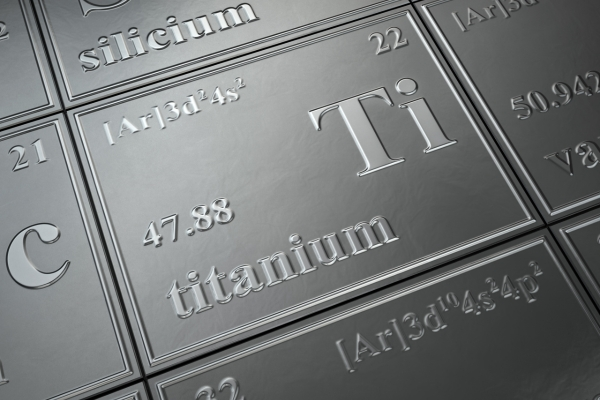
Not all titanium is the same. Different grades and alloys are engineered for specific applications, and identifying them correctly helps ensure they are routed through the appropriate recycling process.
Commercially Pure Titanium
Commercially Pure (CP) titanium contains very few alloying elements. It’s known for excellent corrosion resistance and is commonly used in chemical processing, marine equipment, and industrial applications.
Grade 2 Titanium
Grade 2 is one of the most widely used commercially pure titanium grades. It offers a balance of strength, corrosion resistance, and weldability, making it common across industrial and manufacturing environments.
Grade 5 Titanium (Ti-6Al-4V)
Grade 5 is the most widely used titanium alloy. Its high strength and lightweight properties make it a popular choice for aerospace components, medical implants, motorsports, and other demanding applications.
Grade 7 Titanium
Grade 7 is similar to commercially pure titanium but includes added palladium for improved corrosion resistance in aggressive chemical environments.
Grade 11 Titanium
Grade 11 offers many of the same corrosion-resistant properties as Grade 7 while maintaining excellent formability and weldability for industrial applications.
Ti 6-2-4-2
This high-temperature titanium alloy is commonly used in aerospace applications where strength and heat resistance are required.
Ti 6-2-4-6
Ti 6-2-4-6 provides even greater strength and elevated-temperature performance for demanding aerospace and industrial uses.
Ti 10-2-3
This beta titanium alloy is valued for its high strength and stability under demanding operating conditions, particularly in aerospace manufacturing.
Ti 5-5-5-3
Ti 5-5-5-3 combines strength and toughness, making it suitable for heavy-duty structural aerospace components.
Ferro Titanium
Ferro titanium is an iron-titanium alloy commonly used during steel production to improve strength, cleanliness, and overall steel quality.
Where Titanium Scrap Comes From
Titanium is used in industries where strength, durability, and corrosion resistance are essential. As products are manufactured, repaired, or replaced, recyclable titanium scrap is generated throughout the process.
Aerospace and Defense
The aerospace industry is one of the largest users of titanium. Manufacturing aircraft and engine components often produces offcuts, machining scrap, and rejected parts that can be recycled.
Common examples include:
- Aircraft structural components
- Engine parts
- Landing gear components
- Turbine blades
- Satellite and spacecraft components
Medical Manufacturing
Titanium is widely used throughout the medical industry because it is strong, lightweight, and biocompatible.
Recyclable materials may include:
- Orthopedic implants
- Surgical instruments
- Medical-grade titanium stock
- Manufacturing offcuts
- Rejected production parts
Chemical Processing and Industrial Facilities
Facilities that handle corrosive chemicals frequently use titanium equipment because it withstands harsh environments better than many other metals.
Recyclable materials often include:
- Heat exchangers
- Storage tanks
- Titanium anodes
- Pumps
- Corrosion-resistant process equipment
Machine Shops and Fabricators
Machine shops generate titanium scrap every day during manufacturing operations.
Common recyclable materials include:
- Turnings
- Grindings
- Machining shavings
- Offcuts
- Excess bar stock
- Rejected machined components
How to Prepare Titanium Scrap for Recycling
A little preparation before recycling helps simplify collection, improve material recovery, and keep different grades separated throughout the recycling process.
Sort by Grade and Form
Whenever possible, separate titanium by both alloy and material type.
For example:
- Keep Grade 5 separate from commercially pure titanium.
- Separate solid pieces from turnings and shavings.
- Keep clean material separate from mixed or contaminated scrap.
Better organization makes identification easier and helps prevent different alloys from becoming mixed together.
Keep Scrap Clean and Dry
Titanium doesn’t need to be spotless, but removing obvious contaminants can make recycling more efficient.
If practical, remove:
- Excess oils
- Cutting fluids
- Dirt
- Loose debris
Keeping scrap dry also helps reduce unnecessary contamination during storage and transportation.
Label Material Clearly
If your facility knows the alloy or source of the material, label it before pickup.
Helpful information includes:
- Titanium grade (if known)
- Source department or production line
- Estimated quantity
- Material condition
- Available material reports or documentation
Clear labeling helps streamline the recycling process and reduces guesswork during sorting.
Separate Mixed or Unknown Titanium
If you’re unsure what alloy a particular piece contains, avoid mixing it with clean, identified titanium.
Keeping unknown material in a separate container allows it to be evaluated independently without affecting larger loads of properly sorted scrap. This simple step helps preserve the quality of recyclable material while making processing more efficient for everyone involved.
What Affects Titanium Scrap Recycling Options?
Not all titanium scrap should be handled the same way. The best recycling option depends on what type of titanium you have, how clean it is, how much you have, and whether it is separated from other materials.
Here are the main factors that affect titanium recycling:
- Grade or alloy: Grade 5 titanium, commercially pure titanium, and specialty titanium alloys should be identified and separated when possible.
- Cleanliness: Clean titanium is easier to process than material covered in oil, coolant, dirt, or debris.
- Form: Solids, turnings, grindings, shavings, tubes, plates, and rejected parts may need different handling.
- Contamination: Mixed metals, coatings, fluids, and unknown materials can complicate recycling.
- Quantity: A small box of titanium scrap may be handled differently than pallets, drums, or ongoing production scrap.
- Documentation: Material reports, grade labels, source notes, and inventory records can help with identification.
- Transportation needs: Heavy loads, sharp scrap, loose shavings, or multi-site pickups may require planning.
- Mixed materials: Titanium mixed with stainless steel, aluminum, or other metals should be separated whenever possible.
The cleaner and more organized the material is, the smoother the recycling process usually becomes.
Titanium Recycling Options Through EACR Inc.
EACR Inc. works with businesses and organizations that need a practical way to recycle titanium scrap and other specialty materials. Whether you have a one-time cleanout or regular scrap generation, the right setup can make recycling easier to manage.
Scheduled Pickup
Scheduled pickup is often the best option for businesses, manufacturers, aerospace facilities, schools, labs, and industrial sites with larger titanium scrap quantities.
This option works well for:
- Production scrap
- Facility cleanouts
- Bulk titanium offcuts
- Turnings and machining shavings
- Industrial titanium components
- Multi-pallet or drum quantities
Pickup helps reduce the hassle of transporting material yourself and gives your team a more controlled recycling process.
Drop-Off Recycling
Drop-off recycling may be a good fit for smaller titanium scrap quantities.
This can work well when you have:
- A small amount of sorted titanium
- Leftover offcuts
- Smaller components
- Limited scrap from a one-time project
Before dropping off titanium scrap, it is best to confirm what materials are accepted and whether the scrap should be sorted, labeled, or packaged in a specific way.
E-Waste and Scrap Recycling Containers
For facilities that generate titanium or mixed specialty scrap on an ongoing basis, recycling containers can make collection more organized.
Containers are useful for:
- Machine shops
- Manufacturers
- Schools and labs
- Maintenance departments
- Industrial facilities
- Multi-department operations
Instead of letting scrap pile up in random bins or storage rooms, a container program gives your team a clear place to collect material safely.
What Happens After Titanium Scrap Is Collected?
After titanium scrap is collected, it moves through a sorting and processing path designed to recover reusable material as efficiently as possible.
The process usually includes:
- Receiving and sorting: Material is received, reviewed, and separated by type, form, and condition.
- Grade identification: Titanium may be evaluated by grade or alloy when that information is available.
- Separation from contaminants: Mixed metals, coatings, oils, coolants, and other contaminants are removed or managed.
- Consolidation: Similar materials are grouped together so they can be processed more efficiently.
- Processing through recycling channels: Titanium is routed through appropriate downstream recycling methods based on its form and composition.
- Reusable material recovery: Recovered titanium and related materials can be routed back into manufacturing streams.
The goal is simple: keep reusable titanium out of the waste stream and get it back into productive use.
Learn More About Our Other Metal Recycling Guides
If your business recycles multiple types of specialty metals, explore these related resources from EACR Inc.:
- Niobium: Read our niobium recycling guide to learn where niobium scrap comes from and how businesses recycle it.
- Tantalum: Explore our tantalum recycling guide for information on common sources, recyclable materials, and recycling options.
- Molybdenum: Visit our molybdenum recycling guide to discover how molybdenum scrap is identified and responsibly recycled.
- Magnets: Learn more in our magnet recycling guide to see how magnets from electronics, motors, and industrial equipment are recovered.
Frequently Asked Questions About Titanium Recycling
Can titanium be recycled?
Yes. Titanium can be recycled from manufacturing scrap, offcuts, rejected parts, machining shavings, industrial components, and end-of-life equipment.
What types of titanium scrap can be recycled?
Common recyclable titanium materials include solids, sheet, plate, bar stock, tubes, rods, turnings, grindings, shavings, anodes, blades, heat exchanger plates, and industrial components.
Is Grade 5 titanium recyclable?
Yes. Grade 5 titanium, also known as Ti-6Al-4V, is commonly recycled. It should be kept separate from other grades when possible because alloy identification matters.
Can titanium turnings and shavings be recycled?
Yes. Titanium turnings, chips, grindings, and machining shavings can be recycled, but they should be kept separate from other metals and protected from excess oil, coolant, and debris.
Should titanium scrap be sorted before pickup?
Yes, when possible. Sorting by grade, form, and condition helps make recycling smoother and reduces the risk of clean material being mixed with unknown or contaminated scrap.
What industries recycle titanium?
Titanium scrap is commonly recycled by aerospace, defense, medical manufacturing, chemical processing, industrial manufacturing, fabrication, machining, energy, and research facilities.
Can EACR Inc. pick up titanium scrap from businesses?
Yes. EACR Inc. can help businesses coordinate titanium scrap pickup, recycling, and documentation, especially for larger quantities, ongoing scrap programs, or facility cleanouts.
What should I do with unknown titanium alloys?
Keep unknown titanium alloys separate from identified material. Label them as unknown, note where they came from, and avoid mixing them with clean, sorted titanium loads.
Recycle Titanium the Right Way
Titanium recycling is most effective when businesses properly identify their materials, separate scrap by grade and form, keep it free from contamination, and work with a licensed recycling company.
Whether you’re managing titanium offcuts, machine turnings, industrial components, or mixed specialty metals, EACR Inc. can coordinate pickup, recycling, and documentation to simplify the process. As an electronics recycling business, we also provide comprehensive electronics recycling services for businesses looking to responsibly recycle electronic equipment, industrial materials, and other reusable resources through a single trusted partner.