Cobalt recycling is the process of collecting, identifying, sorting, and processing cobalt-containing materials so reusable cobalt can be recovered instead of being discarded. As an electronics recycling company, EACR Inc. helps businesses recycle cobalt-containing batteries, electronics, specialty metals, and industrial scrap through convenient recycling solutions.
The right recycling option depends on what you have. Cobalt may be found in rechargeable batteries, industrial alloys, magnets, catalysts, electronics, and manufacturing scrap. Some materials require battery-specific handling, while others can be managed as specialty metal scrap.
What is Cobalt?
Cobalt is a naturally occurring metal known for its strength, heat resistance, and corrosion resistance. It is often used in materials that need to perform under pressure, high temperatures, or demanding industrial conditions.
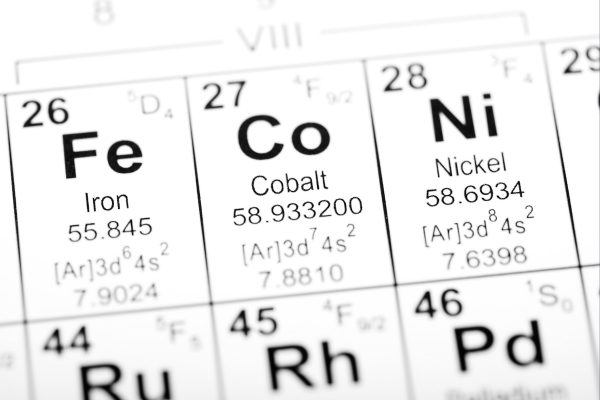
Cobalt is commonly found in:
- Rechargeable batteries
- Superalloys
- Magnets
- Catalysts
- Cutting tools
- Industrial components
- Specialty manufacturing materials
It is also an important material for modern energy storage and advanced manufacturing. Many lithium-ion batteries use cobalt-containing chemistries, and many high-performance alloys rely on cobalt because it can hold up in harsh environments.
In plain English: cobalt is not just “scrap metal.” It is a reusable material found in products and equipment that many industries depend on.
Why Cobalt Should Be Recycled
Cobalt should be recycled because it can often be recovered and reused instead of wasted. When cobalt-containing materials are thrown away, businesses lose reusable material and create unnecessary disposal problems.
Cobalt recycling helps:
- Recover reusable metal
- Reduce demand for newly mined materials
- Keep cobalt-containing products out of landfills
- Support more responsible manufacturing
- Help businesses manage production scrap and obsolete equipment
This matters especially for rechargeable batteries and industrial alloys. Batteries from laptops, power tools, medical devices, backup systems, and electric vehicles may contain cobalt. Industrial alloys used in aerospace, defense, and high-temperature equipment may also contain cobalt.
For businesses, recycling is not just about clearing space. It is about managing materials responsibly, reducing waste, and keeping better control over scrap, batteries, and obsolete equipment.
Common Materials That Contain Cobalt
Cobalt shows up in more places than many people realize. Some materials are obvious, like rechargeable batteries. Others are hidden inside alloys, tools, motors, electronics, and industrial equipment.
Rechargeable Batteries
Rechargeable batteries are one of the most common sources of cobalt-containing materials. Cobalt may be used in certain lithium-ion battery chemistries because it helps support battery performance, stability, and energy density.
Common examples include:
- Lithium-ion batteries
- Power tool batteries
- Laptop batteries
- Medical device batteries
- Electric vehicle batteries
- Backup power batteries
These batteries should not be tossed in the trash or mixed loosely with general scrap. Damaged, swollen, leaking, or unknown batteries should be separated and clearly labeled.
Superalloys
Cobalt is often used in superalloys designed for high heat, stress, and corrosion resistance. These materials are common in industries where parts need to perform in extreme environments.
Cobalt-containing superalloys may be found in:
- Aerospace engine components
- Gas turbines
- Industrial turbines
- High-temperature equipment
- Specialty manufacturing parts
Because these alloys may contain multiple metals, proper identification and sorting matter.
Magnets and Electronic Components
Cobalt can also be found in certain magnets and electronic components. These materials may come from motors, generators, industrial electronics, and specialized equipment.
Examples include:
- Permanent magnets
- Electric motors
- Generators
- Industrial electronics
- Electronic assemblies
When these items are recycled properly, cobalt and other reusable materials may be recovered through the appropriate recycling channels.
Industrial Equipment and Manufacturing Scrap
Many industrial operations generate cobalt-containing scrap during production, repair, or equipment replacement.
Common examples include:
- Cutting tools
- Wear-resistant components
- Industrial machinery
- Manufacturing offcuts
- Production scrap
- Rejected parts
- Specialty metal components
Machine shops, manufacturers, and industrial facilities should keep these materials separated from general scrap whenever possible.
Industries That Commonly Generate Cobalt Scrap
Cobalt-containing scrap can come from many different industries. Some generate it through manufacturing. Others produce it when equipment, batteries, or components reach the end of their service life.
Battery Manufacturers
Battery manufacturers may generate cobalt-containing scrap during production and quality control.
Examples include:
- Production scrap
- Rejected cells
- Defective packs
- Battery components
- Test materials
Because battery materials can carry safety risks, they should be stored, labeled, and handled carefully before recycling.
Aerospace and Defense
Aerospace and defense operations often use cobalt-containing alloys in high-performance parts.
Common sources include:
- Jet engines
- Turbine components
- Specialty alloys
- Heat-resistant components
- Decommissioned equipment
These materials should be separated by alloy type when known, especially when documentation is available.
Medical Manufacturing
Medical manufacturing may generate cobalt-containing materials through device production, machining, and rejected components.
Examples include:
- Medical implants
- Surgical equipment
- Specialty alloys
- Manufacturing offcuts
- Rejected parts
Because these materials may have specific alloy compositions, clear labeling and documentation can help with proper recycling.
Electronics Manufacturing
Electronics manufacturers may generate cobalt-containing materials from batteries, circuit boards, magnets, and electronic assemblies.
Common sources include:
- Circuit boards
- Battery-powered devices
- Magnets
- Electric motors
- Electronic assemblies
- Product rejects
Separating batteries from electronics and metal scrap is especially important.
Manufacturing and Machine Shops
Machine shops and manufacturers may generate cobalt-containing scrap during cutting, machining, fabrication, and repair work.
Examples include:
- Production scrap
- Alloy offcuts
- Machining waste
- Tooling scrap
- Rejected components
Clean, sorted material is much easier to recycle than mixed scrap from multiple production lines.
Common Cobalt-Containing Materials Accepted for Recycling
Cobalt-containing materials can vary widely, so it helps to group them by material type before recycling.
Battery materials may include:
- Lithium-ion batteries
- Industrial battery packs
- UPS batteries
- Medical batteries
- Power tool batteries
- Laptop batteries
- Backup power batteries
Metal materials may include:
- Cobalt alloys
- Superalloys
- Tool steel components
- Turbine blades
- Aerospace components
- Medical alloy scrap
- Wear-resistant parts
Industrial materials may include:
- Magnets
- Catalysts
- Manufacturing scrap
- Production rejects
- Industrial components
- Electronic assemblies
- Obsolete equipment
Before scheduling recycling, note what you have, how much you have, and whether any batteries are damaged, swollen, leaking, or mixed with other materials.
How to Prepare Cobalt Materials for Recycling
Cobalt recycling goes smoother when materials are separated before pickup or drop-off. A little organization helps prevent contamination, improves safety, and makes the recycling process easier.
Separate Batteries from Metal Scrap
Never mix loose batteries with alloy scrap, machining scrap, or general metal debris.
Batteries should be kept in a separate container because they may require different handling than cobalt-containing metals or industrial components. This is especially important for lithium-ion batteries, damaged batteries, and unknown battery packs.
Sort Materials by Type
Separate cobalt-containing materials into clear groups whenever possible.
Good categories include:
- Batteries
- Superalloys
- Magnets
- Industrial components
- Manufacturing scrap
- Electronic assemblies
- Unknown materials
Sorting helps prevent clean materials from being mixed with contaminated or unidentified scrap.
Keep Materials Clean
Remove obvious debris, oils, coolants, and unrelated materials where practical.
Cobalt-containing scrap does not need to be perfect, but cleaner material is easier to identify, handle, and route. For machine shops, this means keeping machining waste as separate as possible from mixed metals and general shop debris.
Label Containers
Labeling makes a big difference, especially for businesses with multiple departments or facilities.
Include:
- Material type
- Estimated quantity
- Source location or department
- Condition
- Battery chemistry, if known
- Damaged battery notes, if applicable
- Any available material documentation
If you are unsure what the material is, label it as unknown and keep it separate instead of mixing it with clean, identified cobalt-containing scrap.
What Affects Cobalt Recycling Options?
Not every cobalt-containing material is recycled the same way. The best recycling option depends on what the material is, how much you have, its condition, and whether it has been properly separated before collection.
Some of the biggest factors include:
- Material type: Batteries, cobalt alloys, magnets, catalysts, and industrial components may each follow different recycling processes.
- Battery vs. alloy: Rechargeable batteries often require different handling than cobalt-containing metal scrap.
- Cleanliness: Removing obvious debris, oils, coolants, and unrelated materials helps simplify recycling.
- Quantity: A few batteries require a different solution than pallets of production scrap or multiple drums of alloy components.
- Mixed materials: Cobalt should be separated from stainless steel, aluminum, and other metals whenever practical.
- Documentation: Material reports, battery information, inventory records, and quantity estimates can help identify materials more efficiently.
- Transportation requirements: Large loads, damaged batteries, and multi-site collections may require additional planning.
- Damaged batteries: Swollen, leaking, or damaged rechargeable batteries should be isolated and clearly identified because they may require special handling.
The more organized the material is before pickup or drop-off, the smoother the recycling process usually becomes.
Cobalt Recycling Options Through EACR Inc.
Whether your business generates cobalt-containing batteries, specialty alloys, or manufacturing scrap, EACR Inc. offers recycling solutions designed for both one-time projects and ongoing collection programs.
Scheduled Pickup
Scheduled pickup is the preferred option for organizations with larger quantities of cobalt-containing materials.
This service works well for:
- Manufacturers
- Battery recyclers
- Healthcare facilities
- Aerospace companies
- Industrial operations
- Laboratories
- Distribution centers
Pickup is especially helpful during facility upgrades, equipment replacements, battery change-outs, and manufacturing cleanouts where transporting material yourself may not be practical.
Drop-Off Recycling
Businesses with smaller quantities of cobalt-containing materials may prefer a scheduled drop-off.
Drop-off can be a convenient option for:
- Small amounts of battery scrap
- Production offcuts
- Limited quantities of cobalt alloys
- Small electronics containing cobalt
Before arriving, it’s always a good idea to verify accepted materials and any packaging requirements.
Electronics Recycling Containers
Organizations that regularly generate battery and electronics waste can benefit from an ongoing container program.
These e-waste collection containers work well for:
- Offices
- Manufacturers
- Healthcare facilities
- Schools and universities
- Laboratories
- Industrial maintenance departments
Having designated collection containers helps employees dispose of materials consistently while keeping battery waste organized.
What Happens After Collection?
Once cobalt-containing materials are collected, they move through several processing steps before reusable materials are recovered.
The process generally includes:
- Receiving: Materials are unloaded, inventoried, and prepared for inspection.
- Identification: Items are evaluated to determine whether they are batteries, alloys, electronic components, magnets, or other cobalt-containing materials.
- Battery separation: Rechargeable batteries are separated from metal scrap whenever necessary to ensure proper handling.
- Material sorting: Similar materials are grouped together based on type, condition, and composition.
- Recovery of reusable metals: Cobalt and other reusable materials are recovered through appropriate recycling processes.
- Downstream processing: Materials are routed through appropriate downstream recycling channels based on their composition.
- Manufacturing reuse: Recovered cobalt can be returned to manufacturing supply chains where it may be used in new batteries, specialty alloys, industrial components, and other products.
Every material follows the recycling path that best matches its composition and condition.
Explore More Specialty Metal Recycling Resources
Cobalt is often recycled alongside other specialty metals used in manufacturing, electronics, and industrial applications. Learn more in these related guides:
- Niobium: Our niobium recycling guide explains where niobium is found and the recycling solutions available for businesses.
- Tantalum: Read our tantalum recycling guide to learn how tantalum-containing materials are collected and processed for recycling.
- Molybdenum: Explore our molybdenum recycling guide for information on alloy scrap, industrial components, and other recyclable materials.
- Magnets: Visit our magnet recycling guide to learn about recycling magnets used in electronics, generators, motors, and other equipment.
Frequently Asked Questions About Cobalt Recycling
Can cobalt be recycled?
Yes. Cobalt can be recovered from rechargeable batteries, specialty alloys, manufacturing scrap, industrial equipment, and other cobalt-containing materials through appropriate recycling processes.
What products contain cobalt?
Cobalt is commonly found in lithium-ion batteries, power tool batteries, laptop batteries, electric vehicle batteries, aerospace superalloys, magnets, catalysts, industrial machinery, and certain medical devices.
Can lithium-ion batteries be recycled?
Yes. Many lithium-ion batteries can be recycled to recover reusable materials, including cobalt, nickel, copper, aluminum, and other metals.
Are cobalt alloys recyclable?
Yes. Cobalt-containing alloys used in aerospace, industrial manufacturing, medical equipment, and high-temperature applications can often be recycled when properly identified and separated.
What industries recycle cobalt?
Common industries include battery manufacturing, aerospace, defense, healthcare, electronics manufacturing, industrial manufacturing, machine shops, laboratories, and research facilities.
Should cobalt batteries be separated before recycling?
Yes. Rechargeable batteries should be kept separate from alloy scrap and other metal materials whenever possible. Damaged batteries should also be isolated and clearly labeled.
Can EACR Inc. pick up cobalt-containing materials?
Yes. EACR Inc. offers pickup services for businesses with cobalt-containing batteries, industrial components, manufacturing scrap, specialty alloys, and other recyclable materials.
What documentation should businesses keep?
Businesses should maintain pickup records, inventory information, material descriptions, quantity estimates, condition notes, and certificates of recycling for their records.
Recycle Cobalt Responsibly
Cobalt recycling is most effective when businesses identify cobalt-containing materials, separate rechargeable batteries from alloy scrap, organize materials by type, and work with a licensed recycling company.
Whether you’re recycling lithium-ion batteries, cobalt alloys, manufacturing scrap, industrial components, or obsolete equipment, EACR Inc. can help coordinate scheduled pickups, collection containers, ongoing recycling programs, and documentation to simplify the recycling process.
As an electronics recycling business, EACR Inc. also provides electronics recycling services for businesses looking to responsibly recycle electronic equipment, batteries, specialty metals, and other reusable materials through a single trusted recycling partner.