Vacuum cleaner recycling plays a surprisingly important role in tackling the global e-waste crisis. With more people upgrading to robot vacuums and smart cleaning devices, traditional vacuum cleaners are piling up in landfills, causing more harm than you might think.
Improper disposal of vacuum cleaners contributes to soil and water pollution, especially when electronic components or batteries are left to break down in the environment. In fact, the world is on track to generate over 74 million metric tons of e-waste by 2030, according to the Global E-waste Monitor. That includes everyday devices like vacuums.
That’s where EACR Inc. steps in.
As a licensed electronics recycling company serving New Jersey, New York, Pennsylvania, and beyond, we provide responsible and eco-conscious recycling services, including for vacuum cleaners. Whether you’re a homeowner with a broken upright model or a business looking to dispose of multiple smart robot vacuums, we help you recycle safely, legally, and sustainably.
Can Vacuum Cleaners Be Recycled?
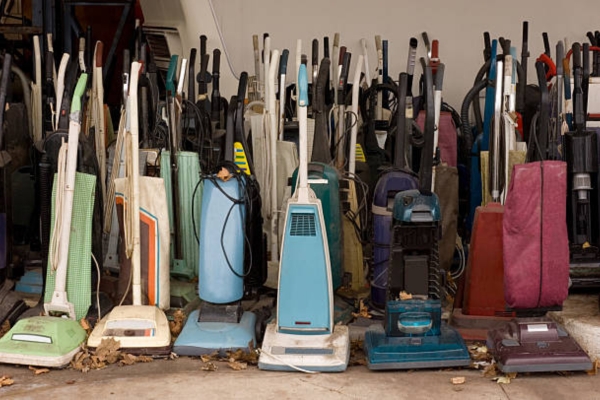
Yes—vacuum cleaners can absolutely be recycled, but not all parts are treated equally.
Most vacuums contain recyclable components like:
- Metal (from the body, handle, or internal motor)
- Plastic housings
- Electrical wiring
- Copper coils
- Rechargeable batteries (especially in robot or cordless vacuums)
However, some components must go to landfill or hazardous waste facilities, including:
- Vacuum bags (contain dust, allergens, or waste)
- Foam or paper filters
- Mixed plastics that aren’t easily separated
And then there’s the difference between traditional and modern models:
- Upright or canister vacuums are typically easier to disassemble, making the recyclable parts more accessible.
- Robot vacuums, on the other hand, include more complex circuit boards, sensors, and lithium-ion batteries, which require specialized e-waste processing.
At EACR Inc., we have the tools and training to safely recycle both basic and high-tech vacuum cleaners, ensuring that materials are recovered and toxic waste is avoided.
Why Vacuum Cleaner Recycling Is Important
Environmental Impact of E-Waste
When vacuum cleaners are tossed into landfills or incinerated, they release toxic materials that pollute soil and groundwater. Copper wires, lead solder, and chemical residues can leach into ecosystems, harming wildlife and contaminating food and water sources.
In some places, discarded electronics are still burned in open pits, especially overseas. This practice emits hazardous chemicals, including dioxins and heavy metals, which can cause respiratory and neurological damage to humans.
Legal Compliance and E-Waste Regulations
In the European Union, the WEEE Directive (Waste Electrical and Electronic Equipment) requires electronics to be properly collected and recycled.
Here in the U.S., many states, including New York, California, and New Jersey, have e-waste laws that make it illegal to throw electronic devices like vacuum cleaners in regular trash. Violations can result in fines, and worse, they lead to avoidable environmental damage.
Recycling through a licensed company like EACR Inc. ensures you’re staying compliant with both local and federal regulations.
Circular Economy and Resource Recovery
Recycling vacuum cleaners is more than just throwing something away; it’s part of building a circular economy.
When your old vacuum is disassembled:
- Copper wiring can be reused in electrical systems.
- Motors and metal parts can be melted down for new appliances.
- Plastics can sometimes be reprocessed into new consumer goods.
This reduces the demand for raw materials, minimizes mining and energy consumption, and helps manufacturers rely on recycled inputs. EACR Inc. ensures these materials don’t go to waste but are reintegrated into the production cycle, supporting sustainability at every step.
How to Recycle a Vacuum Cleaner
Recycling a vacuum cleaner isn’t as simple as tossing it in the trash, and in many places, that’s illegal. Fortunately, there are several responsible ways to handle it. Here are your best options:
Option 1 – Local Recycling Centers
Many local recycling centers accept small appliances, including vacuum cleaners, especially if they contain recyclable metal and plastic components. Before heading over:
- Call ahead or check their website to see what parts they accept (some require you to remove filters or dust bags).
- Empty the vacuum and remove detachable non-recyclable components like cloth bags, foam filters, or flexible hoses.
- If your vacuum has a rechargeable battery, remove it and recycle it separately (more on that below).
Most centers separate the metal, plastic, and electronic parts for processing.
Option 2 – E-Waste Recycling Facilities (Like EACR Inc.)
For full compliance and convenience, E-waste recycling facilities like EACR Inc. are your best bet. We specialize in handling electronics, including vacuums with motors, wiring, sensors, and batteries.
Why EACR Inc.?
- We’re a licensed electronics recycler serving NJ, NY, PA, and nearby states.
- We follow all applicable regulations for safe handling.
- We accept a wide range of electronics, including robot vacuums and smart devices.
You can use our drop-off or scheduled collection services for households, businesses, or municipalities.
→ Explore our services here
Option 3 – Manufacturer & Retailer Take-Back Programs
Some brands and retailers offer take-back programs for old or broken vacuums:
- Best Buy accepts small appliances and vacuums for in-store recycling (fees may apply).
- Amazon and eufy sometimes offer trade-in incentives when buying a new robot vacuum.
- Dyson and other brands also encourage responsible disposal. Check their official websites for return options.
These programs help ensure components are properly broken down and processed.
Option 4 – Donate or Sell
If your vacuum still works, consider donating or reselling it:
- Goodwill, Habitat for Humanity ReStores, and local shelters may accept gently used vacuums. Just call to confirm.
- Online platforms like Facebook Marketplace, Craigslist, or Buy Nothing groups are great for giving it a second life.
Keeping vacuums in use reduces landfill waste and helps someone in need.
How to Recycle Robot Vacuum Cleaners and Smart Devices
Robot vacuums are convenient, but they’re also more complex than traditional models. When it’s time to dispose of one, it’s important to handle it properly.
- Lithium-ion batteries: Found in most robot vacuums, these batteries can leak or explode if improperly discarded.
- Circuit boards and rare earth metals: Sensors, chips, and electronic parts contain hazardous and recoverable materials.
- Plastic shells and wheels: Often not recyclable through standard curbside programs.
Because of these components, robot vacuums must be recycled at a licensed e-waste facility like EACR Inc. We’re equipped to:
- Safely remove and process lithium batteries
- Break down internal electronics for proper material recovery
- Handle bulk electronics recycling pickups or drop-offs for homes, schools, or businesses
Don’t risk throwing these in the trash. They require special handling to protect both the environment and your local waste system.
Where to Recycle Vacuum Batteries
Never toss batteries in the trash. Instead:
- EACR Inc. accepts vacuum batteries as part of our e-waste service. Whether you’re recycling one unit or an entire fleet of smart vacuums, we’ll handle them properly.
Proper battery recycling helps prevent fires, toxic leaks, and environmental damage.
Common Types of Vacuum Cleaners and Their Recyclability
Different vacuum types have different materials and recycling needs. Here’s a breakdown:
| Vacuum Type | Recyclable Components | Considerations |
| Upright | Metal handle, motor, plastic housing | Hose may not be recyclable. Check with the local center. |
| Canister | Metal tube, internal wiring, plastic shell | Often battery-powered; remove and recycle the battery. |
| Handheld | Motor, wiring, outer casing | Must be handled at an e-waste facility like EACR Inc. |
| Stick | Light metal frame, plastic, motor | Similar to upright; disassemble before recycling. |
| Robotic | Lithium battery, sensors, circuit boards | Must be handled at e-waste facility like EACR Inc. |
| Wet/Dry Shop Vac | Motor, tank (plastic or metal), wheels | Remove liquids, filter, and hose before recycling. |
Knowing your vacuum type helps you take the right recycling steps. When in doubt, contact EACR Inc. to safely handle the process for you.
What Happens to a Recycled Vacuum Cleaner?
So, what actually happens when you recycle a vacuum cleaner? The process involves several important steps designed to extract usable materials while protecting the environment.
Step 1: Collection
Your vacuum cleaner is dropped off at a licensed e-waste facility like EACR Inc., either through local drop-off, curbside pickup, or a scheduled collection event.
Step 2: Disassembly
Our trained team disassembles the vacuum to separate recyclable components. This includes removing the motor, battery, wiring, and any salvageable plastic or metal parts.
Step 3: Sorting
Parts are sorted into categories:
- Metals (steel, aluminum, copper)
- Plastics (housing, wheels, attachments)
- Electronics (circuit boards, sensors)
- Hazardous waste (batteries, filters, cords)
Step 4: Processing
Each category is sent to the appropriate facility for processing. Batteries and hazardous materials go to specialized processors to prevent environmental harm.
Step 5: Reuse
Raw materials are repurposed for new products. Copper wires may end up in new electronics, and metals may be used in appliances, cars, or even new vacuums.
EACR Inc. ensures this process is done legally, and with sustainability in mind, helping extend the life cycle of materials and minimize waste.
EACR Inc.’s Role in Vacuum Cleaner Recycling
EACR Inc. is a licensed electronics recycling company proudly serving New Jersey, New York, Pennsylvania, and surrounding regions. We make it easy for both individuals and organizations to recycle vacuum cleaners responsibly.
- Drop-off & Pickup Services: Bring your vacuum to one of our locations, or schedule a commercial pickup.
- Bulk Disposal Options: Ideal for schools, facilities, retailers, or municipalities with large quantities of vacuums and small appliances.
- Battery Handling: We process lithium-ion and other vacuum batteries safely and in compliance with disposal regulations.
We are trusted by:
- Municipalities running e-waste events
- Schools upgrading outdated custodial equipment
- Businesses clearing out office vacuums and electronics
With a strong commitment to zero-landfill policies and eco-friendly processes, EACR Inc. helps reduce pollution and build a more sustainable future one vacuum cleaner at a time.
Benefits of Recycling Vacuum Cleaners
Recycling your vacuum isn’t just about getting rid of old equipment; it’s about doing the right thing for your community, your environment, and future generations.
- Conserves Natural Resources: Extracted metals, plastics, and copper can be reused, reducing the need for raw material mining.
- Reduces Pollution and Landfill Overflow: Electronics in landfills leach chemicals into the ground and water. Recycling keeps these harmful substances out of the environment.
- Saves Energy vs. Raw Material Extraction: It takes significantly less energy to recycle materials than to create them from scratch.
- Helps Meet Regulatory Requirements: Many states require proper e-waste disposal—recycling ensures you stay compliant and avoid fines.
- Encourages Responsible Consumer Behavior: Every recycled vacuum cleaner sends a message that sustainability matters.
FAQs About Vacuum Cleaner Recycling
Can I throw away a vacuum cleaner in my trash?
Do all recycling centers accept vacuums?
Are vacuums considered e-waste?
What about vacuums that still work?
Ready to Recycle Your Vacuum Cleaner?
Don’t let your old vacuum end up in a landfill. EACR Inc. makes vacuum cleaner recycling simple, responsible, and accessible throughout the Northeast.
We offer:
- Bulk electronics recycling for businesses, municipalities, and schools
- Residential drop-off services across NJ, NY, PA, and beyond
- Battery disposal and safe e-waste handling