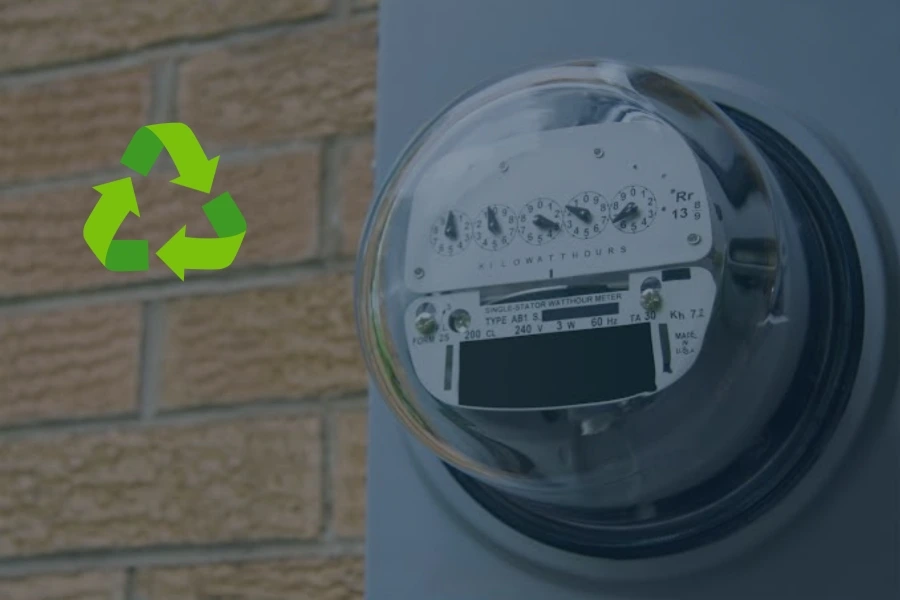
Utility meter recycling becomes a practical concern during smart meter rollouts, utility upgrades, infrastructure replacements, building renovations, and demolition projects. A few removed meters may be easy to manage, but larger projects can quickly leave contractors, municipalities, and facility teams with pallets or containers of outdated equipment.
Old electric, gas, and water meters should not simply be placed in a dumpster. Depending on the type and age, a meter may contain electronic components, circuit boards, communication modules, metals, plastics, glass, and, in some smart models, batteries.
This guide explains the simplest recycling routes, how to identify and prepare different meter types, what safety issues to consider, and what records businesses should keep. For larger projects, EACR Inc. can help coordinate electronics recycling services, scheduled pickups, and documentation.
Quick Answer: How to Recycle Utility Meters
Most utility meters are recycled through one of three routes:
- Utility or manufacturer take-back programs: Best when the meter is covered by an existing replacement, return, or equipment management program.
- Electronics recycling drop-off: Usually the simplest option for a small number of eligible meters.
- Scheduled commercial pickup: Best for utility companies, contractors, municipalities, property managers, demolition firms, and organizations managing larger quantities or multiple sites.
For one or two meters, a confirmed drop-off location may be enough. During a planned utility upgrade or building project, first check whether the utility or manufacturer requires the equipment to be returned.
For pallets, recurring replacements, or multi-site projects, scheduled pickup is generally the cleanest option because it creates a controlled process for staging, loading, tracking, and documentation.
What Counts as a Utility Meter?
“Utility meter” is a broad category. The correct recycling route depends on what the meter measures, how it operates, and whether it includes electronic or communication components.
Electric Meters
Electric meters measure electricity use at homes, businesses, and other facilities. Common types include:
- Analog electric meters
- Digital electric meters
- Smart electric meters
Older analog meters usually contain mechanical components, metal housings, wiring, and glass. Digital and smart meters may also contain circuit boards, displays, sensors, communication modules, and other electronic parts.
Smart meters are often removed during system upgrades, utility replacement programs, equipment failures, or property redevelopment. Because they may be utility-owned or part of a managed equipment program, ownership should be confirmed before recycling.
Gas Meters
Gas meters measure the volume of natural gas used at a property. They are commonly found at:
- Residential properties
- Commercial buildings
- Industrial facilities
- Apartment complexes
- Institutional properties
Gas meters may contain metal housings, mechanical assemblies, dials, electronic registers, or remote-reading components.
A gas meter should be properly disconnected and cleared for removal by an authorized professional before it enters a recycling stream. Recycling personnel should not be expected to disconnect active utility equipment or manage equipment that has not been properly decommissioned.
Water Meters
Water meters measure water consumption and may be installed inside buildings, in basements, in mechanical rooms, or in underground meter pits.
Common types include:
- Mechanical water meters
- Digital water meters
- Automatic meter reading (AMR) meters
- Advanced metering infrastructure (AMI) smart water meters
Mechanical meters primarily contain metal, plastic, glass, and internal measurement components. Digital, AMR, and AMI meters may also include displays, transmitters, circuit boards, wiring, and batteries.
Water meters removed during municipal upgrades or building renovations should be kept dry, organized, and separated from unrelated demolition debris.
Why Meter Type Matters
Meter type affects how the equipment should be handled and where it can be recycled.
The recycler may need to know:
- Whether the meter contains a battery
- Whether it includes a wireless communication module
- Whether it is analog, digital, AMR, or AMI equipment
- Whether it belongs to a utility, municipality, property owner, or contractor
- Whether the unit is intact, damaged, or partially dismantled
- How many meters are being recycled
- How the meters are packaged and transported
This information helps determine whether the equipment qualifies for a return program, can be accepted through drop-off, or should be handled through a scheduled commercial pickup.
Option 1: Utility or Manufacturer Take-Back Programs
Some utility meters are covered by return programs, equipment agreements, or large-scale replacement contracts. When an established program exists, it should usually be reviewed before the meters are sent to an independent recycling location.
When This Option Fits
A utility or manufacturer take-back program may be appropriate for:
- Large utility replacement programs
- Scheduled smart meter upgrades
- Equipment covered by a manufacturer return agreement
- Meters that remain the property of a utility
- Projects involving standardized equipment from one supplier
- Contractors working under a utility-managed replacement contract
These programs can simplify routing because the destination, packaging process, and required records may already be defined.
How These Programs Typically Work
The exact process varies, but a take-back program may involve:
- The utility or contractor removes and inventories the meters.
- Units are collected at a central staging location.
- The equipment is packaged according to program requirements.
- The meters are shipped or transported in consolidated loads.
- An approved recycling or equipment-management partner receives the material.
- Project records are issued or retained according to the agreement.
For large smart meter rollouts, consolidation is often more efficient than moving small batches from individual sites.
Option 2: Drop-Off Recycling
Drop-off can be a practical option when the quantity is small, the meter has been properly removed, and a recycler has confirmed that the equipment is accepted.
Best for Small Quantities
Drop-off generally works best for:
- Homeowners with permission to dispose of an old meter
- Small electrical or plumbing contractors
- Individual property owners
- Maintenance teams with a few inactive meters
- Small renovation projects
- One-time equipment replacements
The meters should be intact, safely packaged, and easy to transport without creating a handling risk.
For larger quantities, repeated trips to a drop-off site usually become inefficient. A scheduled pickup may offer better control and simpler documentation.
Where Utility Meters Are Commonly Accepted
Depending on the meter type and local program, possible drop-off options may include:
- Electronics recyclers such as EACR Inc.
- Community electronic waste programs
- Municipal recycling events
- Utility collection locations
- Manufacturer-authorized return sites
- Commercial recycling facilities that accept mixed electronic and metal equipment
Acceptance should always be confirmed before transportation. Not every electronics program accepts utility meters, and not every scrap metal facility is equipped to handle smart meters or battery-containing devices.
Option 3: Scheduled Pickup
Scheduled pickup is usually the most efficient route for commercial quantities, recurring replacement work, and projects involving multiple buildings or locations.
It creates one coordinated process for inventory, staging, loading, transportation, and documentation.
Best-Fit Situations
Pickup is commonly appropriate for:
- Utility companies
- Electrical contractors
- Plumbing contractors
- Municipal public works departments
- Commercial property managers
- Apartment complexes
- Schools and universities
- Hospitals and healthcare facilities
- Industrial facilities
- Demolition contractors
- Smart meter replacement projects
- Infrastructure modernization programs
- Multi-property renovation projects
It is especially helpful when meters are being generated over several days or weeks and need to be consolidated before removal.
Why Pickup Makes Operations Easier
A scheduled pickup reduces the amount of informal handling required by the facility or project team.
Key benefits include:
- Less manual handling: Staff do not need to repeatedly load meters into personal or company vehicles.
- Better logistics: Equipment can be staged in one controlled area and removed as a consolidated load.
- Simplified scheduling: Pickup can be coordinated around demolition, renovation, installation, or replacement timelines.
- Easier tracking: Quantities can be recorded by site, meter type, project, or removal date.
- Clearer documentation: Pickup records and certificates can support internal reporting, project closeout, and vendor oversight.
- Multi-site coordination: Meters from several locations can be collected through a planned route or centralized staging process.
- Better management of mixed equipment: Analog meters, smart meters, transmitters, wiring, and related electronic components can be identified before loading.
For utility replacement programs, demolition projects, and property portfolios, the goal is not simply to remove the meters. The goal is to create a repeatable process that keeps the equipment organized from the point of removal through final recycling.
How to Prepare Utility Meters for Recycling
Utility meter recycling goes more smoothly when the equipment is counted, separated, staged, and labeled before pickup or drop-off. A little organization upfront prevents confusion later.
Step 1: Inventory the Meters
Start by identifying what you have.
- Count the total number of meters.
- Separate electric, gas, and water meters.
- Identify analog, digital, AMR, and AMI units.
- Flag smart meters that may contain batteries or communication modules.
- Estimate how many boxes, pallets, or containers will be needed.
For larger projects, record quantities by building, service area, or project phase. This makes scheduling and documentation much easier.
Step 2: Stage Materials
Choose a dry, secure staging area where the meters will not be exposed to weather, traffic, or ongoing construction work.
Keep meters upright and stable when possible. Separate damaged, cracked, or partially dismantled units from intact equipment.
If meters are coming from multiple locations, organize them by project or site. Clear separation helps prevent inventory mistakes and makes loading more efficient.
Step 3: Package and Label
Use sturdy boxes, bins, gaylords, or pallet containers that can support the weight of the meters.
Prevent units from shifting, falling, or breaking during transport. Heavy meters should not be stacked loosely where they can crush lighter electronic components.
Label each container with:
- Meter type
- Quantity
- Project or site location
- Analog, digital, AMR, or AMI classification
- Condition notes
- Battery or communication module information, when known
Clearly mark containers holding damaged units so they can be reviewed before loading.
Safety Basics
Why Utility Meters Need Careful Handling
Utility meters may look like ordinary metal equipment, but they can contain several materials that require controlled handling.
Depending on the meter, components may include:
- Glass covers or display panels
- Circuit boards and wiring
- Batteries
- Wireless communication modules
- Plastic housings
- Heavy metal bodies and internal assemblies
Older meters can be awkward and heavy. Newer smart meters may be lighter but contain more electronic components. Both types can create hazards if they are dropped, crushed, or dismantled without a plan.
Practical Safety Tips
Follow a few basic rules:
- Avoid breaking glass covers or display panels.
- Do not dismantle meters unless the recycling program specifically requests it.
- Separate damaged or leaking units from intact equipment.
- Protect exposed batteries and terminals when present.
- Do not mix loose batteries with meters or metal scrap.
- Use proper lifting methods for heavier gas and water meters.
- Keep staged materials away from active work areas and vehicle traffic.
- Store equipment securely until collection.
Meters should also be fully disconnected and decommissioned before recycling. Recycling crews should not be expected to remove active utility equipment.
Rules and Compliance
Utility meter recycling requirements can vary based on the equipment, the project, and who owns the meter.
Important factors may include:
- Utility ownership
- Municipal or customer ownership
- Manufacturer return requirements
- Utility-specific disposal policies
- State electronic waste rules
- Battery handling requirements
- Project or contract documentation
The most important first step is confirming that the person or company arranging recycling has the authority to dispose of the equipment.
Many utility meters remain the property of the utility, even when they are installed on a privately owned building. Contractors and property owners should confirm ownership before sending meters to a recycler.
For operational purposes, businesses should:
- Confirm ownership and disposal authorization.
- Identify the meter types and quantities.
- Check whether a return or replacement program applies.
- Confirm recycler acceptance before transportation.
- Separate damaged equipment and batteries.
- Keep records of collection and recycling.
The goal is not to turn every project into a legal research exercise. It is to create a clear chain of responsibility from removal through recycling.
Records to Keep
Documentation helps businesses close out projects, manage vendors, answer customer questions, and show where equipment was sent.
A basic recordkeeping file should include:
- Pickup or drop-off date
- Project or service location
- Quantity by meter type
- Equipment condition
- Utility, municipality, contractor, or customer information when appropriate
- Shipping or service records
- Internal inventory records
- Certificates of recycling
For multi-site projects, keep records separated by location. This allows the organization to track how many meters were removed from each property and when they left the site.
What Happens After Collection?
After collection, utility meters are generally inspected and sorted based on type, condition, and internal components.
The process may include:
- Separating electric, gas, and water meters.
- Sorting analog meters from digital and smart meters.
- Identifying batteries, communication modules, and circuit boards.
- Removing electronic or battery components when required.
- Separating metals, plastics, glass, wiring, and circuit boards.
- Routing each material through an appropriate downstream recycling process.
Metal housings and internal metal components may be sent through metal recovery channels. Circuit boards and electronic parts are processed through electronics recycling streams. Batteries are separated and routed by chemistry, while plastics and glass are managed according to material type and condition.
The exact process depends on the meter design. There is no single recycling stream that fits every electric, gas, and water meter.
Frequently Asked Questions About Utility Meter Recycling
Can utility meters be recycled?
Yes. Electric, gas, and water meters may contain metals, electronics, wiring, glass, plastics, and other materials that can be separated and processed.
The correct recycling route depends on the meter type, condition, quantity, and ownership.
Do smart meters require special recycling?
Smart meters often require more controlled recycling than older mechanical meters because they may contain circuit boards, digital displays, communication modules, and batteries.
They should be kept separate from ordinary scrap metal unless a recycler confirms otherwise.
Who owns an old utility meter?
Ownership varies.
In many cases, the utility or municipality owns the meter even though it is installed on private property. In other situations, the property owner or facility may own the equipment.
Confirm ownership before removing or recycling any meter.
Can electric, gas, and water meters be recycled together?
They may be collected in the same project, but they should generally be sorted and identified by type.
Different meters contain different materials and may have different handling, ownership, or recycling requirements.
Can broken utility meters still be recycled?
Often, yes.
Broken meters should be separated from intact units and clearly labeled. Cracked glass, exposed wiring, damaged batteries, or loose components may require additional packaging or review.
Should utility meters be removed before demolition?
Yes. Utility meters should be properly disconnected, removed, and handled before general demolition whenever possible.
Leaving meters in mixed demolition debris can damage electronic components, break glass, create handling risks, and make material recovery more difficult.
Do smart meters contain batteries?
Some do, especially water meters, remote-reading devices, and certain communication modules.
Battery type and location vary by model. Do not assume every smart meter contains a battery, but identify battery-powered units whenever possible.
What documentation should businesses keep?
Businesses should keep pickup or shipping records, project locations, quantities by meter type, condition notes, ownership or customer information when appropriate, and certificates of recycling.
These records support project closeout, internal controls, vendor oversight, and sustainability reporting.
Conclusion
Utility meter recycling starts with identifying what you have and who owns it.
From there, the process is straightforward:
- Separate electric, gas, and water meters.
- Identify smart meters, batteries, and communication modules.
- Choose a take-back program, confirmed drop-off location, or scheduled pickup.
- Stage and package the equipment safely.
- Keep clear records of where the meters went.
Small quantities may be manageable through drop-off or an existing return program. Utility upgrades, demolition projects, smart meter rollouts, and multi-property replacements usually benefit from scheduled pickup and coordinated logistics.
EACR Inc. can help businesses, contractors, municipalities, utilities, and property managers coordinate e-waste recycling services, pickup scheduling, project logistics, and recycling documentation.