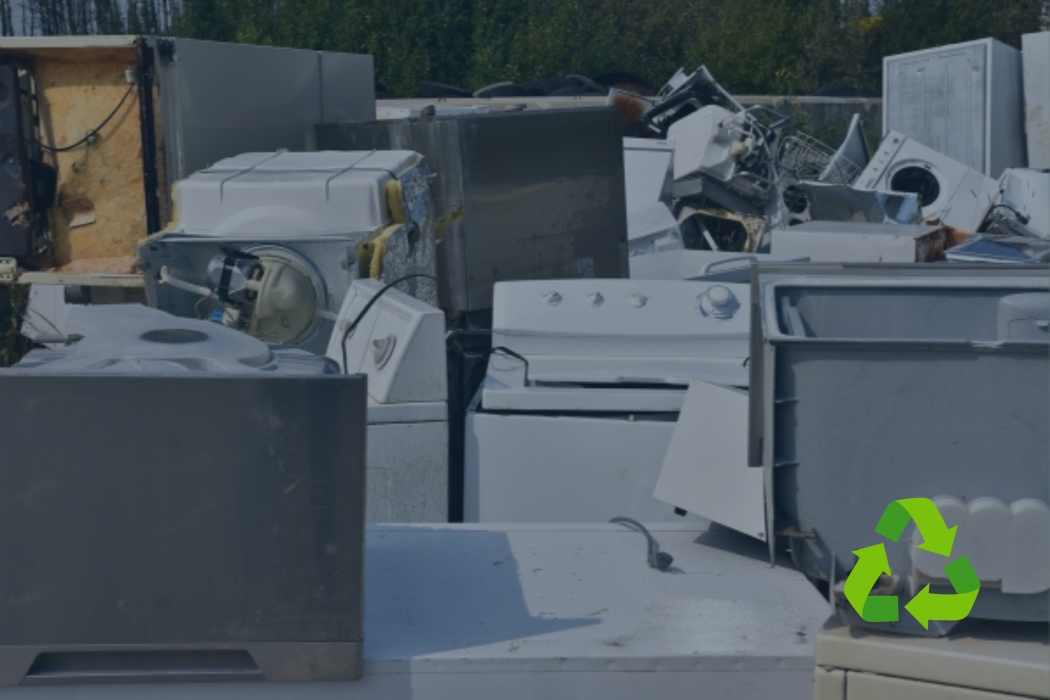
A stove is not just “junk.” Inside that appliance are electrical components, gas connections, insulation materials, and in many modern models, circuit boards and digital controls.
That means stove recycling involves more than scrap recovery. It requires safe disconnection, proper dismantling, and handling that aligns with applicable regulations. EACR Inc., an electronics recycling company provides stove recycling services through pick ups, drop-offs, and e-waste containers.
Landfill disposal is not ideal for several reasons:
- Large metal appliances take up significant landfill space
- Electronic components can be lost instead of recovered
- Gas connections require safe shutdown
- Some materials must be separated before processing
If you want responsible stove recycling without the guesswork, here’s what you need to understand first.
What is Inside a Stove?
Most people see steel and assume scrap. In reality, a stove is a mixed-material appliance.
Steel and Structural Components
The frame, oven cavity, racks, and outer panels are typically made of heavy steel. These materials are recyclable when properly separated.
Heating Elements or Gas Burners
Depending on the model, a stove may contain:
- Electric coil elements
- Smooth-top radiant elements
- Induction plates
- Gas burners and supply lines
Each type requires different handling, especially gas-fed units.
Control Boards and Wiring
Modern stoves often include:
- Electronic control panels
- Digital timers
- Circuit boards
- Internal wiring harnesses
These components place newer models closer to electronics recycling than basic scrap metal.
Insulation and Seals
Heat-resistant insulation inside oven walls must be separated during dismantling. Door seals and internal gaskets are also sorted during processing.
Glass Cooktops
Smooth-top ranges use tempered glass. That glass cannot simply be mixed with regular scrap and must be processed appropriately.
A stove is a mixed-material regulated appliance — not just a chunk of metal.
Can You Throw Away a Stove?
In many areas, you cannot place a stove in regular trash without special bulk pickup arrangements.
Here’s why:
- Municipal bulk waste rules often require scheduling
- Weight restrictions may apply
- Gas stoves must be safely disconnected before removal
- Illegal dumping can result in fines
Some cities require proof that gas has been properly shut off before curbside collection. Simply dragging it to the curb without checking local rules can create issues.
Gas vs Electric Stove Recycling
Not all stoves are handled the same way.
Gas Stoves
Gas units must be disconnected properly from the supply line. Residual gas in lines and connectors requires careful handling.
Safety matters here. Improper disconnection can create fire hazards.
Electric Stoves
Electric models contain:
- Heavy copper wiring
- Heating elements
- Electronic control boards
Copper and steel are recoverable, but circuit boards require proper separation.
Induction & Smart Ranges
Newer induction and smart stoves include:
- Touchscreen controls
- Advanced digital displays
- More integrated electronics
These models blur the line between appliance recycling and electronics recycling.
The Stove Recycling Process
Professional stove recycling follows a structured process.
- Intake and inspection
The unit is evaluated for type and condition. - Gas or electrical safety verification
Gas connections are confirmed disconnected. Electrical safety is verified. - Dismantling
The appliance is broken down into component groups. - Hazardous component separation
Electronic boards and specific materials are removed. - Metal recovery
Steel and other metals are sorted for processing. - Electronics handling
Control boards and wiring are directed to proper streams. - Documentation issuance
Certificates of recycling are provided.
The goal is a structured, compliant, traceable process — not a quick scrap drop.
Business & Commercial Stove Recycling
This is where stove recycling separates itself from basic scrap removal.
Restaurants
Restaurants regularly upgrade kitchen equipment to meet efficiency goals or pass inspections. During kitchen upgrades, old ranges must be removed safely and quickly.
Health department compliance matters. Gas disconnection, safe transport, and proper processing reduce risk and liability.
Schools & Universities
Cafeteria renovations and campus upgrades often involve multiple appliances at once. Coordinated removal prevents delays during construction windows.
Property Management
Apartment turnovers frequently include stove replacement. Managing dozens of units across buildings requires structured removal, not one-off scrap drops.
For commercial projects, professional stove recycling includes:
- Pickup scheduling aligned with renovation timelines
- Certificates of recycling
- Compliance documentation for internal records
This separates structured appliance recycling from scrap yards focused only on metal weight.
Do Stoves Contain Hazardous Materials?
Yes, depending on type and age.
Gas Residues
Gas stoves may retain residual gas in lines and connectors if not properly disconnected. Safe shutoff is critical.
Insulation Materials
Oven cavities contain heat-resistant insulation that must be separated during dismantling.
Electronic Components
Modern stoves often include circuit boards, wiring harnesses, and digital controls. These fall under electronics handling guidelines.
Mercury Switches (Older Units)
Some older appliances may contain mercury-based components that require specialized handling.
A stove is not just steel. Depending on its age and design, it may include materials that require controlled processing.
2026 Appliance Recycling Trends
Appliance design is evolving, and so are disposal expectations.
More Smart Appliances
New ranges increasingly include touchscreens, WiFi connectivity, and integrated electronics.
More Electronic Integration
Heating systems and control panels are becoming more advanced, adding circuit boards and sensors.
Growing Landfill Restrictions
More municipalities are limiting large appliance disposal in landfills.
Increased Environmental Compliance Focus
Businesses are paying closer attention to documentation and responsible material handling.
EACR operates in alignment with applicable regulations, ensuring stove recycling follows structured, compliant processing standards.
Step-by-Step: How to Recycle a Stove
Here’s a simple approach:
- Disconnect safely.
Ensure gas lines are properly shut off or power is disconnected. - Remove loose parts.
Take out racks or detachable accessories. - Decide pickup vs drop-off.
Single unit or bulk project. - Schedule appliance recycling.
Coordinate removal based on your timeline. - Request documentation if needed.
Especially important for commercial and institutional clients.
Stove Recycling Near You
If you’re searching for stove recycling near you, consider structured appliance recycling options rather than scrap-only facilities.
EACR provides stove and appliance recycling services across the East Coast, offering:
- Scheduled pickup options
- Drop-off availability
- E-waste containers for facilities handling multiple appliances
Whether it’s one stove or an entire property turnover, coordinated removal simplifies the process.
Frequently Asked Questions About Stove Recycling
How much does stove recycling cost?
Costs vary based on quantity, location, and logistics. Bulk commercial projects are typically structured differently than single residential pickups.
Do gas stoves need special handling?
Yes. Gas lines must be properly disconnected before removal to ensure safety.
Can broken stoves be recycled?
Yes. Non-working units are commonly processed through appliance recycling programs.
Will I receive documentation?
Businesses and facilities can request certificates of recycling for compliance and recordkeeping.
Responsible Stove Recycling Made Simple
Stove recycling should be structured, compliant, and straightforward. Whether you’re upgrading a restaurant kitchen, renovating a school cafeteria, or replacing a single residential unit, proper appliance processing matters.
Schedule appliance recycling pickup or request an e-waste container today and handle your stove recycling the right way.