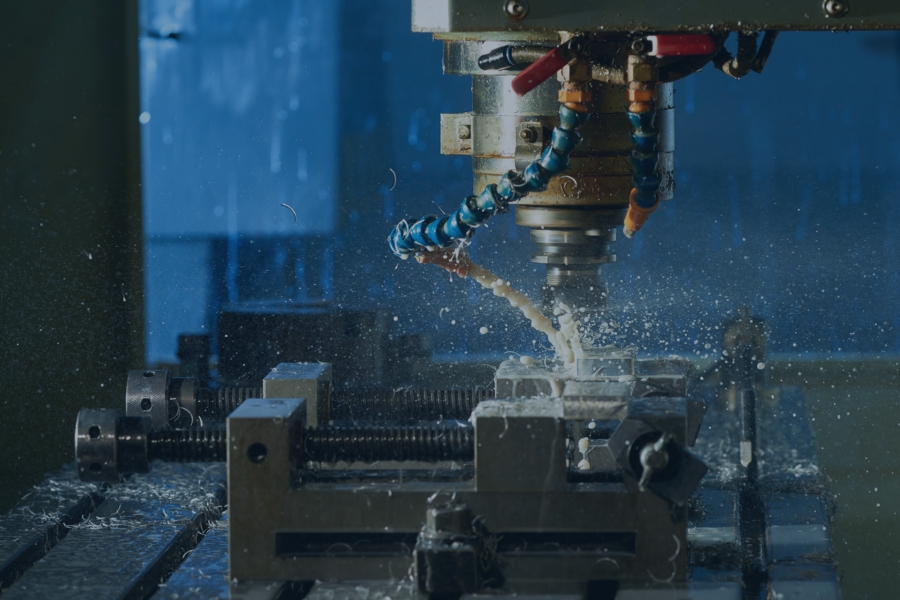
CNC machines are some of the most important pieces of equipment in modern manufacturing. They are used to create precise parts and components for industries ranging from aerospace and automotive manufacturing to medical device production and industrial fabrication.
You’ll find CNC machines in machine shops, production facilities, fabrication plants, and manufacturing operations across the country. These computer-controlled systems help businesses produce accurate, repeatable parts at high volumes while maintaining tight quality standards.
Like any industrial equipment, however, CNC machines do not last forever. Over time, machines become outdated, suffer mechanical failures, require expensive repairs, or can no longer keep up with production demands. When that happens, businesses must decide whether to upgrade, refurbish, sell, or recycle the equipment.
Proper CNC machine recycling helps recover metals, electronics, and reusable components while reducing waste and supporting environmental sustainability. Instead of allowing old equipment to sit unused or end up in a landfill, recycling ensures reusable materials can be recovered and put back into productive use.
As an electronics recycling company, EACR Inc. helps businesses responsibly recycle industrial equipment, electronics, and manufacturing technology while supporting sustainability goals and environmental compliance.
What is a CNC Machine?
How CNC machines work
CNC stands for Computer Numerical Control. A CNC machine uses computer software and automated controls to direct cutting tools, drilling equipment, and other machining functions.
Instead of relying entirely on manual operation, the machine follows programmed instructions that tell it exactly where to move, how fast to operate, and how much material to remove. This allows manufacturers to create highly precise parts with exceptional consistency.
Because CNC systems are software-controlled, they can repeatedly produce complex components with very little variation. This level of automation has made CNC machining a cornerstone of modern manufacturing.
Common types of CNC machines
There are several types of CNC equipment used throughout manufacturing environments.
- CNC mills use rotating cutting tools to remove material and create precise shapes.
- CNC lathes rotate the workpiece while cutting tools shape the material.
- CNC routers are commonly used for cutting wood, plastics, composites, and soft metals.
- CNC plasma cutters use high-temperature plasma to cut conductive metals.
- CNC grinders provide precise finishing and surface preparation.
- CNC machining centers combine multiple machining functions into a single automated system, allowing for efficient production of complex parts.
While these machines vary in size and function, most contain a combination of mechanical systems, electronic controls, and recyclable materials.
Why CNC machines eventually need replacement
Even well-maintained CNC equipment has a limited service life.
As machines age, components wear down and maintenance requirements often increase. In many cases, manufacturers upgrade equipment to improve production speeds, accuracy, automation capabilities, or software compatibility.
Technology also changes rapidly. Older CNC controllers may no longer support modern programming standards, replacement parts may become difficult to find, and outdated systems may struggle to meet current production demands.
Mechanical failures, declining efficiency, and expensive repair costs can eventually make replacement more practical than continued operation.
What is Inside a CNC Machine?
Steel frames and structural components
Most CNC machines are built around extremely heavy structural frames designed to minimize vibration and maintain precision during operation.
These structures often contain large amounts of steel and cast iron. Heavy-duty bases, machine housings, support structures, and work surfaces provide stability while the machine operates.
Because of their size and material composition, these structural components represent a significant recycling opportunity when a machine reaches the end of its life.
Motors, drives, and mechanical systems
CNC machines contain a variety of mechanical systems that allow precise movement and operation.
Servo motors help control positioning and motion. Spindles rotate cutting tools at high speeds. Gearboxes transfer power throughout the machine, while ball screws help convert rotational motion into precise linear movement.
Many CNC machines also contain advanced motion control systems that coordinate multiple machine axes simultaneously.
These components often contain metals and may sometimes be refurbished or reused before recycling becomes necessary.
Electronics and control systems
Modern CNC equipment relies heavily on sophisticated electronic controls.
Inside the machine, you may find circuit boards, programmable logic controllers (PLCs), power supplies, industrial computers, wiring assemblies, sensors, and operator control panels.
These electronic systems are responsible for machine communication, automation, monitoring, programming, and performance control.
Because many of these components qualify as electronic waste, proper recycling is important to ensure responsible recovery and processing.
Copper, aluminum, and other recyclable metals
CNC machines contain a wide range of recyclable metals beyond their steel structures.
Copper is commonly found in wiring, motors, transformers, and electrical systems. Aluminum may be used in housings, brackets, and machine components because of its strength-to-weight ratio.
Many machines also contain stainless steel components, brass fittings, and specialty alloys used for durability and corrosion resistance.
Recovering these materials through recycling helps conserve natural resources and reduces the need for new raw material extraction.
Why CNC Machine Recycling Matters
Large machines contain reusable materials
One reason CNC machine recycling is so important is the amount of recoverable material found inside these systems.
A single CNC machine may contain hundreds or even thousands of pounds of steel, aluminum, copper, and other reusable materials. Many electronic components can also be processed through specialized recycling streams.
In some cases, functional parts may be reused, refurbished, or harvested for replacement inventory before the remaining materials are recycled.
This recovery process helps maximize value while reducing waste.
Improper disposal can create environmental concerns
Simply discarding CNC equipment can create several environmental challenges.
Electronic components may contain materials that require specialized handling. Industrial equipment may contain oils, lubricants, coolants, batteries, or other substances that should be managed responsibly during decommissioning.
When equipment is improperly disposed of, reusable materials are lost and potentially harmful materials may enter the waste stream.
Responsible recycling helps prevent these issues while supporting safer material recovery practices.
Recycling supports sustainability initiatives
Many businesses today are actively working to improve sustainability performance and reduce environmental impact.
CNC machine recycling supports these goals by conserving resources, reducing landfill waste, and recovering materials that can be used in future manufacturing applications.
This process aligns with circular economy principles, where materials remain in productive use for as long as possible rather than being discarded after a single lifecycle.
For organizations tracking environmental performance, responsible equipment recycling can also support broader sustainability reporting and corporate responsibility initiatives.
How CNC Machine Recycling Works
Equipment evaluation and decommissioning
CNC machine recycling usually starts with an equipment evaluation. Before anything is moved or dismantled, the machine should be inspected to understand its size, condition, components, and removal requirements.
This review may include checking the machine type, identifying attached electronics, reviewing any reusable parts, and determining whether the unit contains fluids, batteries, storage devices, or sensitive control systems.
Removal planning is also important. CNC machines are often heavy, bulky, and connected to power, ventilation, or production systems. A proper plan helps reduce disruption, protect the facility, and make sure the equipment is handled safely from start to finish.
Safe dismantling and material separation
Once the equipment is ready for recycling, the machine can be safely dismantled and separated into different material streams.
Large metal components are separated for metal recovery. Electronics are removed and sorted for proper electronics recycling. Wiring is pulled for copper recovery, and individual parts are sorted based on material type and condition.
This process helps keep reusable materials from being mixed together or sent to the wrong waste stream. It also allows usable components to be identified before the remaining materials are processed.
Electronics recycling and data considerations
CNC machines are not just metal equipment. Many modern machines contain advanced electronics, including CNC controllers, industrial computers, circuit boards, PLCs, sensors, control panels, and power supplies.
Some machines may also contain storage devices or internal memory connected to production files, software settings, machine history, or operational data. If data-bearing devices are present, secure data destruction may be needed before recycling.
This is especially important for manufacturers that work with proprietary designs, aerospace parts, medical components, defense-related production, or sensitive customer files. Responsible recycling should account for both the physical equipment and any data that may be stored inside it.
Material processing and recovery
After dismantling and sorting, recyclable materials move into the proper recovery streams.
Steel and cast iron can be recycled for use in new metal products. Aluminum components can be processed separately. Copper from wiring, motors, and electrical systems can be recovered because of its high recycling value.
Circuit boards and electronic components may require specialized processing to recover metals and manage materials that should not go into landfills. The goal is to recover as much usable material as possible while keeping the process safe, organized, and environmentally responsible.
Frequently Asked Questions About CNC Machine Recycling
Can CNC machines be recycled?
Yes. CNC machines can be recycled because they contain many recoverable materials, including steel, cast iron, aluminum, copper, wiring, motors, circuit boards, and control systems. Some components may also be reused or refurbished before the remaining materials are recycled.
Do CNC machines contain electronics?
Yes. CNC machines usually contain several electronic systems. These may include CNC controllers, PLCs, circuit boards, power supplies, sensors, wiring, operator panels, and industrial computers. Because of these components, proper electronics recycling is an important part of the process.
Are CNC machines considered e-waste?
A full CNC machine is usually considered industrial equipment, but many of its internal components can qualify as electronic waste. Control systems, circuit boards, drives, power supplies, and data-bearing devices should be handled through responsible electronics recycling channels.
What materials can be recovered from CNC machines?
Common recoverable materials include steel, cast iron, aluminum, copper, brass, stainless steel, circuit boards, motors, wiring, and electronic controls. Some machines may also contain reusable tooling systems, drives, power supplies, and mechanical components.
Can old CNC equipment be refurbished?
Yes, some CNC equipment can be refurbished if the machine is still structurally sound and replacement parts are available. Refurbishment may include control upgrades, motor replacement, software updates, and mechanical repairs. If the equipment is too damaged, outdated, or expensive to repair, recycling is often the better option.
How are CNC machines removed from facilities?
CNC machine removal usually requires planning because the equipment can be heavy, connected to facility systems, and difficult to move. The process may involve inspection, disconnection, rigging, loading, transportation, and recycling coordination. A professional recycling plan helps make removal safer and more efficient.
Conclusion
CNC machine recycling gives manufacturers a responsible way to manage outdated, damaged, or end-of-life equipment. These machines contain reusable metals, electronic controls, wiring, motors, and reusable components that should not be wasted.
By recycling CNC equipment properly, businesses can recover materials, reduce landfill waste, support sustainability goals, and maintain cleaner records for environmental reporting. It is a practical step for companies upgrading production lines, closing facilities, or replacing aging machinery.
If your facility is upgrading equipment, replacing machinery, or planning a plant cleanout, EACR Inc. can help as an experienced e-waste recycling business providing responsible recycling solutions for industrial equipment, electronics, and manufacturing technology.