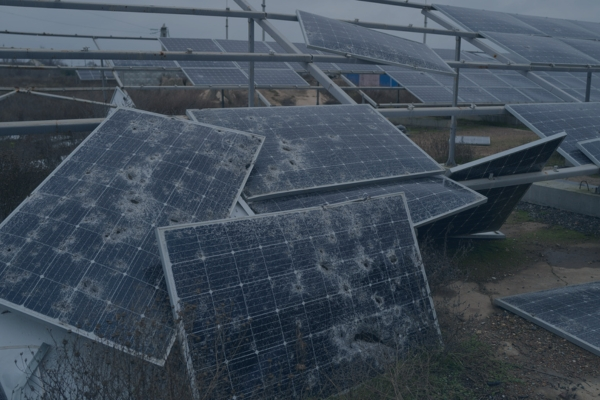
Storm damage to solar panels is becoming a bigger concern as hail, tornadoes, straight-line winds, and other severe weather events place more pressure on solar farms and commercial solar projects. As a solar panel recycling company, we’ve seen firsthand how quickly a weather event can turn from an operational setback into a much larger recovery effort.
For solar operators, extreme weather is not just a downtime issue. A damaged array can create safety concerns, cleanup challenges, insurance documentation requirements, and complex logistics that all need to be managed at the same time.
Broken panels often need to be inspected, counted, removed, packaged, transported, and processed through the appropriate recycling channels. While recycling is an important part of the recovery process, the bigger issue is how storm damage affects the performance, safety, and long term value of solar assets.
When storms hit, having a plan matters. The faster a site can assess the damage, document what happened, and organize the next steps, the sooner it can move toward repair, replacement, and restored energy production.
Why Storm Damage Is a Growing Solar Industry Concern
Solar energy has grown quickly across the United States, including in regions that regularly experience hail, tornadoes, severe thunderstorms, and high winds. That growth is good for renewable energy, but it also means more solar assets are exposed to storm-related risk.
Severe convective storms are one of the biggest concerns. This category includes hail, tornadoes, and straight-line winds. For solar farms, these events can damage panels, racking systems, wiring, inverters, access roads, and other site infrastructure.
The scale of recent weather losses shows why this matters. In 2024, the U.S. experienced 27 separate weather and climate disasters that each caused more than $1 billion in damages. That same year, insured losses from U.S. severe convective storms exceeded $50 billion for the second year in a row.
The 2024 storm season also included a high number of tornado, hail, and wind reports. From January through June, there were 1,264 preliminary tornado reports, with 1,855 preliminary tornado reports for the full year. Large hail activity was also above average, and straight-line wind reports exceeded historical norms (Insurance Thought Leadership, 2024).
For solar project owners and operators, the takeaway is simple: storm planning cannot wait until after the damage happens. A solar farm may operate for years without a major event, but one severe storm can create thousands of damaged panels and weeks of operational disruption.
A strong storm plan should account for site safety, damage assessment, insurance documentation, repair timelines, panel removal, transportation, and recycling. Without that plan, recovery can become slower, more expensive, and harder to document.
How Storms Damage Solar Panels
Storm damage does not always look the same from one site to another. Some damage is obvious right away. Other damage may be harder to see without testing, inspection, or performance monitoring.
Hail Impact
Hail is one of the most common concerns for solar panels because it can directly strike the glass surface of the module. In a severe hailstorm, panels may suffer cracked glass, broken frames, or visible impact marks.
Not every hail-related issue is obvious from the ground. Some panels may develop microcracks that are difficult to see but can still affect performance over time. These small cracks can interrupt electrical pathways inside the module and reduce energy output.
Hail can also damage the aluminum frame, loosen seals, or create weak points that worsen with future exposure to rain, heat, freezing temperatures, or additional storms. A panel that looks mostly intact may still need closer inspection if production drops after a storm.
Tornado and Wind Damage
Tornadoes and high winds can create a different kind of damage. Instead of striking the panel surface directly, wind can lift modules, bend racking, loosen fasteners, or scatter damaged panels across the site.
Flying debris can break glass, puncture backsheets, damage wiring, or strike electrical equipment. In stronger wind events, entire rows of panels may shift out of alignment or detach from mounting systems.
Wind damage can also create cleanup hazards. Damaged modules may be unstable, wiring may be exposed, and broken materials may be spread across access roads, vegetation, drainage areas, or nearby property. This makes organized site recovery especially important.
Hurricane and Flood-Related Damage
Hurricanes and major storms can bring wind, rain, flooding, and debris at the same time. For solar farms, that combination can create serious safety and operational concerns.
Water intrusion can affect panels, connectors, combiner boxes, inverters, and other electrical components. Flooding can also make access roads unstable, contaminate parts of the site, or move broken materials into areas that are harder to reach.
After a hurricane or flood-related event, damaged solar panels should be handled carefully. The site may have electrical hazards, structural damage, soft ground, standing water, sharp debris, or environmental concerns that need to be addressed before cleanup begins.
Why Damaged Solar Panels Need Careful Handling
Damaged solar panels are not just bulky pieces of broken equipment. They can create real safety risks for workers, cleanup crews, and site operators.
Broken glass can cut workers during removal, loading, or transportation. Bent frames and sharp edges can make panels harder to lift safely. Exposed wiring, cracked backsheets, and damaged connectors can create electrical hazards, especially if the system has not been properly shut down or isolated.
Another important point: damaged solar panels may still generate electricity when exposed to sunlight. Even if a panel is cracked, disconnected, or no longer producing at normal levels, it may still carry electrical current. That makes proper safety procedures important during inspection and removal.
Access is another concern. After a major storm, a site may have blocked roads, unstable ground, downed fencing, scattered debris, or equipment damage. Crews need enough room to inspect panels, move materials, load trucks, and separate damaged modules without creating additional hazards.
Careful handling helps protect workers and keeps the recovery process organized. It also helps prevent further breakage during removal, staging, and transport.
The Operational Impact of Solar Panel Storm Damage
Solar panel storm damage can affect a project far beyond the panels themselves. When a solar farm loses part of its array, it may also lose generation capacity, revenue, and predictable performance.
Downtime is often one of the biggest concerns. Damaged panels may need to be isolated, inspected, removed, and replaced before parts of the system can return to full production. If replacement panels, repair crews, or transportation services are delayed, downtime can stretch longer than expected.
Storm damage can also slow normal operations. Access roads may need to be cleared. Broken panels may need to be staged. Crews may need to work around damaged racking, debris, or electrical hazards. Insurance adjusters may need documentation before large-scale removal begins.
The volume can become overwhelming quickly. One severe hailstorm or wind event can damage thousands of panels at once. For utility-scale solar farms, this is not a simple cleanup job. It can become a high-volume logistics project involving site assessment, packaging, loading, trucking, recycling, replacement planning, and documentation.
That is why storm recovery planning matters. The goal is not only to clean up damaged equipment. The goal is to reduce downtime, support safe repairs, and help the site move back toward normal energy production.
Insurance and Documentation After Solar Storm Damage
After solar storm damage, documentation can be just as important as physical cleanup. Insurance claims often depend on clear records that show what happened, what was damaged, and how damaged materials were handled.
Useful documentation may include photos of the site, damaged panels, broken racking, debris fields, and affected equipment. Operators may also need panel counts, serial numbers, location records, inspection notes, production data, repair reports, and removal records.
Pickup and transportation records can also matter. If damaged panels are removed from the site, there should be a clear record of how many were collected, when they were picked up, where they were sent, and how they were handled.
Certificates of recycling and environmental documentation can support both insurance workflows and internal sustainability reporting. These records help show that damaged panels were not simply discarded, but sent through a responsible end-of-life process.
Organized removal makes this easier. When panels are counted, staged, packaged, and tracked properly, the recovery process becomes easier to explain and verify. That can help solar operators manage claims, satisfy internal reporting needs, and reduce confusion during an already stressful situation.
Where Solar Panel Recycling Fits Into Storm Recovery
Solar panel recycling is not the first thing most operators think about after a major storm. The immediate priorities are usually safety, damage assessment, insurance communication, and getting the site back under control.
But once damaged panels need to be removed, recycling becomes an important part of responsible recovery.
Storm-damaged panels should not simply be thrown away. Solar panels may contain reusable glass, aluminum, silicon, wiring, metals, and other materials that can be recovered through proper processing. Recycling helps keep damaged modules out of landfills while supporting a more organized end-of-life plan for solar equipment.
This becomes especially important after high-volume storm events. A small commercial site may have a manageable number of damaged panels. A utility-scale solar farm, however, may need to remove hundreds, thousands, or even tens of thousands of modules after one severe hail, wind, or tornado event.
A recycling partner can help with:
- Bulk pickup coordination
- Transportation planning
- Panel packaging and loading guidance
- Recycling documentation
- Responsible processing
- Certificates of recycling when available
The goal is not just to “get rid of” damaged panels. The goal is to move them off-site safely, document where they went, and make sure they are handled through the right recycling process.
For large storm-damaged solar panel projects, working with a solar panel recycling company can help simplify removal, documentation, and responsible end-of-life handling.
Preparing Before the Next Storm
The best time to plan for solar panel storm damage is before the next storm is in the forecast.
Once panels are already broken, access roads are blocked, production is down, and insurance questions are piling up, it is much harder to build a clean response plan from scratch. Preparation gives solar operators a better chance of moving quickly and staying organized.
Start by identifying recycling and logistics contacts in advance. Know who can help with bulk panel pickup, transportation, documentation, and responsible recycling if a major event damages part of the site.
Operators should also understand what their insurance carrier may need after a storm. That may include photos, panel counts, serial numbers, site maps, inspection notes, pickup records, and recycling documentation. Knowing those expectations ahead of time can help teams collect the right information before damaged materials are moved.
Staging areas should also be part of the plan. Damaged panels need a safe place to be collected, sorted, counted, packaged, and loaded. That area should be accessible for crews and trucks without interfering with emergency repairs or normal site movement.
A strong preparation plan should answer questions like:
- Who inspects the site after a storm?
- How will damaged panels be counted?
- Where will damaged panels be staged?
- How will panels be packaged for pickup?
- What records need to be kept?
- Who coordinates trucking and recycling?
- How does removal fit into the repair schedule?
Storm response should also be built into broader asset management plans. Solar projects already plan for maintenance, performance monitoring, warranty issues, vegetation management, and equipment replacement. Storm recovery deserves the same level of attention.
Operators may also want to review hail and wind mitigation strategies. Depending on the project, that could include tracking system stow strategies, weather monitoring, site-specific risk assessments, stronger design considerations, and updated emergency response procedures.
No plan can prevent every storm loss. But a clear plan can reduce confusion, support faster decisions, and make recovery more manageable.
Key Takeaway: Storm Recovery Is Bigger Than Cleanup
Storm damage to solar panels is not just a cleanup issue. It can affect worker safety, system uptime, insurance claims, replacement timelines, environmental responsibility, and long-term project economics.
That is why recovery needs to be organized. Damaged panels must be inspected, documented, removed, packaged, transported, and handled properly. If that process is rushed or poorly tracked, it can create more problems during repairs, claims, and reporting.
Recycling is one part of a complete storm recovery plan. It helps damaged panels move through a responsible end-of-life process instead of being treated as ordinary waste.
The faster damaged panels are handled correctly, the faster solar projects can move toward repair, restoration, and normal energy production.
If your site is managing damaged or end-of-life panels, explore our solar panel recycling services to plan responsible pickup, recycling, and documentation.