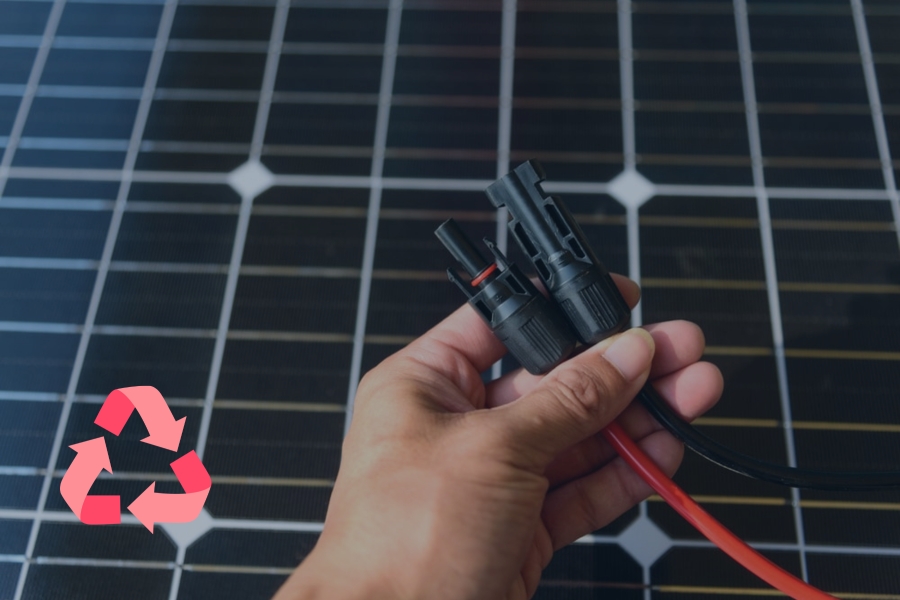
Solar cables play a critical role in every solar energy system. These specialized electrical cables connect solar panels, inverters, batteries, combiner boxes, and other equipment, allowing electricity to move safely throughout the system.
You’ll find solar cables in residential rooftop installations, commercial solar projects, battery storage systems, and large utility-scale solar farms. While they are designed to withstand years of exposure to sunlight, heat, moisture, and changing weather conditions, solar cables do not last forever.
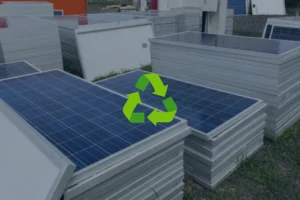
Over time, solar upgrades, equipment repairs, repowering projects, storm damage, and solar farm decommissioning can leave behind large quantities of unused cable. As the solar industry continues to grow, so does the need for responsible recycling solutions for end-of-life solar infrastructure.
Many solar cables contain materials such as copper, aluminum, and metal connector components that can often be recovered and reused through recycling. Proper recycling helps reduce waste, conserve resources, and support the long-term sustainability goals that solar energy systems are designed to achieve.
As a solar panel recycling business, EACR Inc. helps businesses, contractors, utilities, and solar developers responsibly recycle solar panels, solar equipment, and solar cables while supporting sustainability and material recovery goals.
What Are Solar Cables?
What solar cables do in a photovoltaic system
Solar cables are the electrical pathways that allow energy to move throughout a photovoltaic (PV) system.
They carry electricity generated by solar panels to inverters, batteries, combiner boxes, monitoring equipment, and electrical distribution systems. Without properly installed solar cables, the electricity produced by a solar array cannot be safely transferred or used.
Many solar systems use both direct current (DC) and alternating current (AC) wiring. DC cables carry electricity from the solar panels to the inverter, while AC cables distribute electricity after the inverter converts the power into a usable form.
Because solar cables are responsible for power transmission throughout the entire system, they play an important role in both safety and long-term reliability.
Where solar cables are commonly found
Solar cables are used anywhere solar energy systems are installed.
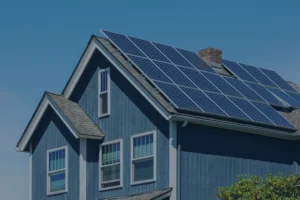
Residential solar systems use solar wiring to connect rooftop panels to inverters and electrical panels. Commercial rooftops often contain extensive cable networks connecting dozens or even hundreds of solar modules.
Utility-scale solar farms may contain miles of solar cable running throughout large ground-mounted arrays. Battery energy storage systems also rely on specialized cabling to move electricity between batteries, inverters, and control equipment.
Whether the project is small or large, solar cables are one of the most common components found throughout solar infrastructure.
Common types of solar cables
Several different cable types are used in solar installations.
- PV wire is one of the most common cable types and is specifically designed for solar panel connections.
- USE-2 cable is frequently used in photovoltaic systems because of its durability and outdoor performance characteristics.
- Battery cables are used in energy storage systems to connect batteries and power management equipment.
- Inverter cables help move electricity between solar arrays, inverters, and electrical systems.
- Grounding conductors provide important safety functions by helping protect equipment and people from electrical faults.
Each cable type serves a specific purpose, but many contain materials that can potentially be recovered through recycling.
What Are Solar Cables Made Of?
Copper conductors
Copper is the most common conductor material found inside solar cables.
It is widely used because of its excellent electrical conductivity, durability, and resistance to corrosion. Copper allows electricity to move efficiently through the system while minimizing energy loss.
In addition to its performance benefits, copper is one of the most reusable materials recovered during cable recycling. Recycled copper can be processed and used again in new electrical products, wiring systems, and industrial applications.
Aluminum conductors
Some solar projects use aluminum conductors instead of copper.
Aluminum is lighter and often less expensive than copper, making it attractive for certain commercial and utility-scale installations. While aluminum does not conduct electricity as efficiently as copper, it can still perform effectively when properly sized and installed.
Like copper, aluminum can be recovered and recycled, helping reduce the need for new raw material extraction.
Protective insulation and jacketing
Solar cables are designed to operate outdoors for years while exposed to sunlight, heat, moisture, wind, and changing temperatures.
To protect the conductors inside, solar cables use specialized insulation and outer jacketing materials. These coatings are often UV-resistant, weather-resistant, and heat-resistant to withstand harsh environmental conditions.
Various plastic and polymer materials may be used to provide durability and help extend cable life. These protective layers are an important part of the cable’s overall design and performance.
Connectors and termination components
Solar cables also include connectors and termination hardware that allow equipment to be safely connected together.
MC4 connectors are among the most common connector types used in solar installations. These components help create secure electrical connections while protecting systems from moisture and environmental exposure.
Many connectors contain metal contacts, connection hardware, and other materials that may be recovered during recycling and processing activities.
How Solar Cable Recycling Works
Collection and transportation
Solar cable recycling usually starts with collection. The right collection method depends on the size of the project, the amount of cable, and where the material is coming from.
For solar contractors, cable waste may come from installation scrap, repair work, system upgrades, or removed wiring from older projects. For utility companies and solar farm operators, cable recycling may involve much larger quantities from repowering projects or full solar farm removals.
Commercial cleanouts can also create solar cable waste when a rooftop solar system is removed, replaced, or upgraded. In these cases, cable should be gathered, separated when possible, and prepared for transportation to a recycling facility.
Proper transportation matters because solar cable is often mixed with connectors, wiring, panels, inverters, batteries, and other solar equipment. Keeping materials organized from the start makes the recycling process more efficient.
Cable sorting and processing
After solar cables are collected, they are sorted and prepared for processing.
The first step is material identification. Recyclers may separate cable by conductor type, size, insulation type, and condition. Copper and aluminum cables are usually sorted separately because they have different recycling values and processing requirements.
Connectors and termination components may also be removed during sorting. This can include MC4 connectors, metal contacts, grounding hardware, and other connection parts.
Careful sorting helps improve material recovery and reduces contamination between recycling streams. The cleaner the separation, the easier it is to recover usable metals.
Metal recovery and material recycling
Once the cable is sorted, it can move into wire processing and material recovery.
During processing, the outer insulation and jacketing are separated from the metal conductors inside. Copper recovery is often a major focus because copper is highly recyclable and reusable in electrical applications.
Aluminum conductors can also be recovered and processed for reuse. Depending on the cable type and recycling method, plastic insulation may be separated for additional processing or managed through appropriate downstream recycling channels.
The goal is to recover as much usable material as possible while keeping the process safe, efficient, and environmentally responsible.
Responsible downstream recycling
Responsible downstream recycling means the materials do not simply disappear after collection.
Recovered copper, aluminum, and other materials should move through proper recycling channels where they can be processed and reused. Certified recycling processes help support environmental compliance and responsible material handling.
This is especially important for businesses, utilities, and solar contractors that need to show where their materials went and how they were handled.
When solar cable recycling is managed correctly, reusable materials can return to the supply chain instead of being wasted.
Solar Cable Recycling Options
Local drop-off recycling programs
For smaller quantities, local drop-off recycling may be an option.
This can work for homeowners, small residential solar projects, or contractors with limited cable waste from a minor repair or installation. Drop-off programs may accept certain types of wire, cable, electronics, or solar-related materials, depending on the facility.
Before using a drop-off location, it is important to confirm what materials they accept. Not every recycler handles solar cable, connectors, panels, batteries, or related solar equipment.
Scheduled pickup services
Scheduled pickup is often the better option for commercial projects, solar contractors, utility companies, and larger quantities of cable.
Instead of transporting heavy or bulky material yourself, a recycling company can coordinate pickup based on the project size and material volume. This is especially helpful when cables are being removed alongside solar panels, inverters, batteries, racking, or electrical equipment.
Pickup services can help keep job sites cleaner, reduce storage problems, and simplify recycling logistics for businesses managing multiple projects.
E-waste containers and collection programs
E-waste containers can be useful for solar companies, construction sites, commercial properties, and facilities that generate recyclable electronics or solar materials on an ongoing basis.
A container gives teams a designated place to consolidate cable, wiring, connectors, and other accepted materials. This helps reduce clutter and prevents recyclable items from being mixed with regular trash.
For solar installation companies, collection programs can also make it easier to manage recurring waste from multiple jobs. Instead of arranging one-off disposal each time, materials can be collected over time and recycled in larger batches.
Large-scale solar decommissioning projects
Large solar decommissioning projects require more planning than a small drop-off or single pickup.
When a solar farm is removed, repowered, or replaced, there may be large volumes of cable, panels, inverters, batteries, racking, and electrical components to manage. These projects often require coordinated logistics, equipment staging, transportation planning, and material tracking.
Solar cable recycling should be included in the decommissioning plan from the start. That helps prevent recyclable materials from being overlooked and supports a more organized end-of-life process for the entire solar system.
Frequently Asked Questions About Solar Cable Recycling
Can solar cables be recycled?
Yes. Solar cables can usually be recycled because they contain recoverable materials such as copper, aluminum, and metal connector components. The insulation and jacketing must be separated from the conductors during processing.
Are solar cables considered e-waste?
Solar cables may not always be treated the same way as electronic devices, but they are part of solar energy infrastructure and can be collected with other recyclable solar and electrical materials. When cables are mixed with panels, inverters, batteries, or control equipment, proper e-waste and solar equipment recycling becomes especially important.
What metals are inside solar cables?
The most common metals inside solar cables are copper and aluminum. Copper is widely used because of its strong conductivity and recycling value. Aluminum is sometimes used as a lighter alternative, especially in larger-scale applications.
Can damaged solar cables be recycled?
Yes. Damaged solar cables can often be recycled as long as they are handled safely. Cables that are burned, contaminated, or mixed with other materials may require additional review before processing.
How much copper is in solar cable?
The amount of copper depends on the cable type, gauge, length, and system design. Thicker cables and longer cable runs generally contain more copper. Commercial and utility-scale solar projects can generate significant copper recovery opportunities because of the amount of wiring used.
What happens to solar cables after recycling?
After solar cables are collected, they are typically sorted, stripped or processed, and separated into material streams. Copper and aluminum can be recovered and sent for reuse in new products, while insulation, connectors, and other materials are handled through appropriate recycling or processing channels.
Can solar farms recycle old cables?
Yes. Solar farms can recycle old cables during maintenance, repowering, storm damage repairs, or decommissioning. Because solar farms may contain large quantities of wiring, recycling should be built into the project plan early.
Do solar installers need recycling services?
Many solar installers benefit from recycling services, especially if they handle frequent installations, removals, or upgrades. Pickup services, e-waste containers, and ongoing collection programs can help installers manage cable, wiring, panels, inverters, and other solar materials more efficiently.
Conclusion
Solar cable recycling is an important part of responsible solar equipment management. These cables may look simple from the outside, but they often contain copper, aluminum, connector hardware, and other recoverable materials.
By recycling solar cables properly, businesses can reduce waste, recover useful metals, support sustainability goals, and strengthen the environmental benefits of solar energy. This is especially important as more solar systems reach the point of repair, upgrade, repowering, or full decommissioning.
As solar infrastructure continues to grow, so will the need for organized recycling solutions for panels, cables, inverters, batteries, and other system components.
Whether you’re replacing solar equipment, upgrading a commercial installation, or managing a solar farm decommissioning project, EACR Inc. can help as a solar panel recycling company providing responsible recycling solutions for solar panels, solar cables, inverters, batteries, and related solar equipment.